Have you ever wondered if engine oil can go bad? You might be surprised to learn that engine oil does have an expiration date.
Using old or expired oil can harm your engine, reduce performance, and even lead to costly repairs. But don’t worry—knowing how to check your oil’s condition and maintaining it properly is easier than you think. You’ll discover simple tips to keep your engine oil fresh and your vehicle running smoothly.
Keep reading to protect your engine and save money in the long run!
Engine Oil Shelf Life
Engine oil does not last forever. It has a limited shelf life. Knowing this helps you keep your vehicle running smoothly. Oil that is too old may lose its protective qualities. It can also harm your engine over time. Proper storage and checking oil freshness are important steps to take.
Factors Affecting Oil Expiry
Several things can change how long engine oil lasts. Exposure to air can cause oxidation. This breaks down the oil’s quality. Heat also speeds up the aging process. Moisture can enter the container and cause damage. The type of oil matters too. Synthetic oils usually last longer than conventional ones. Sealed containers keep oil fresh longer than opened ones.
How To Check Oil Freshness
Look at the oil’s color and smell first. Fresh oil is usually clear or amber. Dark or cloudy oil might be old. A sour or burnt smell is a bad sign. Check the oil’s texture by rubbing a small amount between fingers. It should feel smooth, not sticky or gritty. Always check the expiration date on the container. If unsure, replace the oil to protect your engine.

Signs Of Expired Engine Oil
Engine oil plays a key role in keeping your car’s engine healthy. Over time, oil can lose its quality and stop working well. Recognizing signs of expired engine oil helps you avoid engine damage. Watch for clear signals to know when oil needs changing.
Changes In Color And Consistency
Fresh engine oil usually looks clear and amber-colored. As oil ages, it darkens and becomes thick. Thick, black oil is a sign it has gathered dirt and metal particles. Runny or watery oil can also mean it is breaking down. Check your oil’s color and feel regularly to spot changes early.
Unusual Smell Or Contamination
Good engine oil has a mild, neutral smell. Bad or expired oil may smell burnt or sour. This odor shows oil has overheated or lost its protective power. Look for small dirt bits or sludge inside the oil. Contaminated oil can clog your engine parts and cause damage.
Proper Storage Of Engine Oil
Proper storage of engine oil is key to keeping it fresh and effective. Oil can degrade if stored in the wrong way. This affects your engine’s performance and lifespan. Storing engine oil correctly helps maintain its quality for a longer time. It also prevents contamination and loss of important properties.
Ideal Temperature And Environment
Keep engine oil in a cool, dry place. Avoid areas that get very hot or cold. Extreme temperatures can change the oil’s makeup. Heat speeds up oil breakdown. Cold can cause it to thicken or separate. A steady temperature around 20°C (68°F) works best.
Store oil away from sunlight and moisture. Light and water can damage oil quickly. Choose a dark spot inside your garage or shed. Make sure the area has good airflow. This prevents dampness and mold growth on containers.
Container Types And Sealing
Use original containers for storing engine oil. These are designed to protect oil from air and dirt. Avoid transferring oil to old or unclean bottles. This can cause contamination.
Keep the containers tightly sealed. Air exposure causes oil to oxidize and lose strength. Check the seal before storing and after each use. Tight caps stop dust and moisture from entering. Good sealing keeps the oil safe and ready to use.
Tips For Engine Oil Maintenance
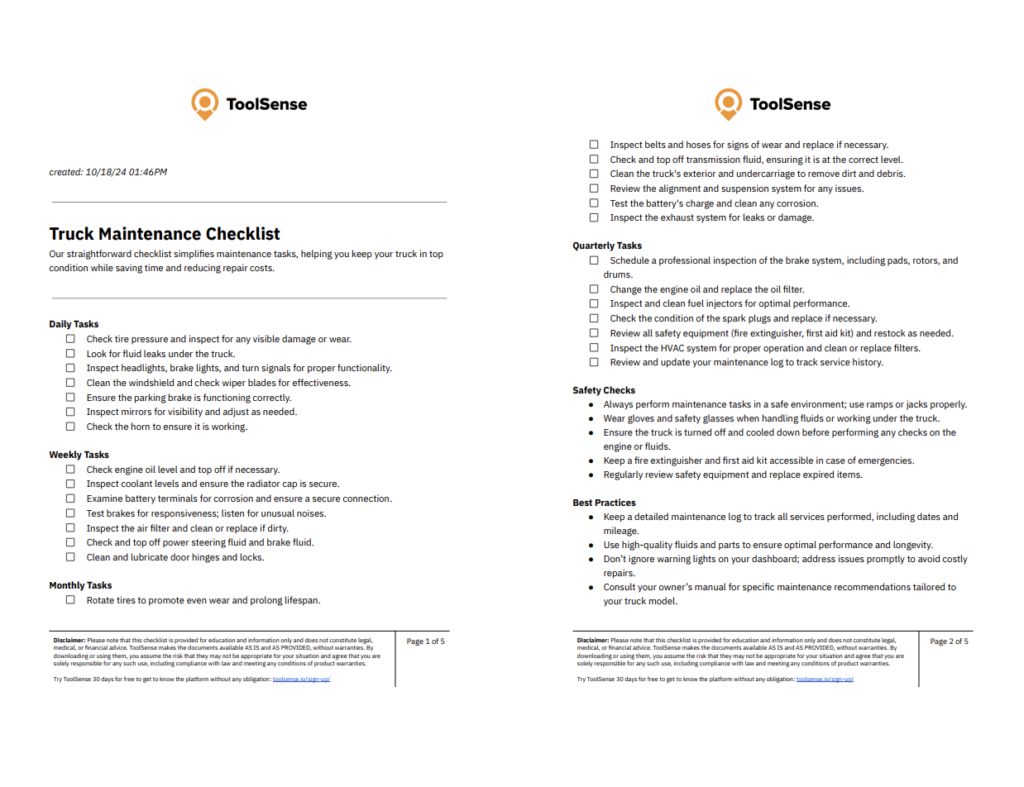
Engine oil keeps your car running smoothly. Proper maintenance helps the oil last longer and protects the engine. Follow these tips to maintain your engine oil well.
Regular Oil Changes
Change oil at the intervals shown in your car manual. Old oil loses its ability to protect the engine. Fresh oil keeps engine parts clean and cool. Skipping changes can cause engine damage and reduce fuel efficiency.
Using The Right Oil Grade
Use the oil grade recommended for your car. The right viscosity helps the oil flow well at all temperatures. Thicker or thinner oil can harm engine performance. Check your manual or ask a mechanic for guidance.
Monitoring Oil Levels
Check oil levels regularly with the dipstick. Low oil can cause engine parts to wear quickly. Add oil if the level is below the mark. Avoid overfilling, as it can create pressure and leaks.
Impact Of Expired Oil On Engine Performance
Engine oil plays a vital role in keeping your engine healthy. Over time, oil breaks down and loses its key properties. Expired oil cannot protect the engine parts as well as fresh oil. This leads to various problems that affect engine performance.
Using old or expired oil reduces the engine’s ability to run smoothly. The engine may become noisy, run hotter, and lose power. These issues often start small but get worse over time.
Reduced Lubrication Efficiency
Lubrication is the main job of engine oil. It creates a thin layer between moving parts. This layer stops metal from rubbing directly against metal. Expired oil loses this ability. The oil becomes thick and dirty, making it hard to flow properly.
Thick oil does not reach all engine parts equally. This causes friction and heat to build up. The engine parts wear down faster without proper lubrication. This reduces the engine’s life and efficiency.
Increased Engine Wear And Tear
Old oil contains dirt, metal particles, and other contaminants. These particles act like tiny sandpaper inside the engine. They scratch and damage delicate engine parts. This increases wear and tear significantly.
Expired oil also loses its ability to protect against corrosion. Rust and sludge form inside the engine. These deposits block oil passages and reduce oil flow. The engine struggles to stay cool and clean, causing more damage.
When To Dispose And Replace Engine Oil
Engine oil does not last forever. It wears out over time and loses its ability to protect the engine. Knowing when to dispose of old oil and replace it is key to keeping your engine healthy. Regular oil changes help avoid damage and keep the engine running smoothly.
Old oil becomes thick and dirty. It cannot lubricate engine parts well. This causes friction and wear. The oil change interval depends on your car’s make, model, and driving habits. Check your owner’s manual for exact timing.
Safe Disposal Methods
Used engine oil is harmful to the environment. Never pour it down drains or on the ground. Collect the oil in a clean, sealed container. Take it to a recycling center or an auto shop. Many places accept used oil for free. Proper disposal protects water and soil from pollution.
Choosing Quality Replacement Oil
Select oil that matches your car’s specifications. Use the right viscosity grade as stated in the manual. Look for oils with certification marks like API or ACEA. High-quality oil improves engine performance and fuel efficiency. Changing oil regularly with the correct type extends engine life.
Frequently Asked Questions
Does Engine Oil Expire Over Time?
Yes, engine oil does expire. Typically, it lasts 2 to 5 years unopened. After opening, exposure to air and moisture reduces its effectiveness.
How To Tell If Engine Oil Is Expired?
Expired engine oil may appear dark, thick, or have a burnt smell. Always check the oil’s consistency and color before use.
What Happens If You Use Expired Engine Oil?
Using expired engine oil can reduce lubrication, cause engine wear, and lower performance. It risks damaging engine components over time.
How Should Engine Oil Be Stored?
Store engine oil in a cool, dry place away from direct sunlight. Keep containers tightly sealed to prevent contamination and oxidation.
Conclusion
Engine oil does expire and loses its effectiveness over time. Regular checks help keep your engine safe and running well. Store oil in a cool, dry place to extend its life. Using old oil can harm your car’s performance. Change oil as recommended by the car manual.
Clean oil protects the engine and saves money on repairs. Simple care keeps your vehicle healthy and efficient. Don’t ignore oil maintenance—it matters more than you think. Stay alert and keep your engine oil fresh.


