
Have you ever felt your car shake or heard it sputter while driving? That annoying, uneven engine running is often a sign of an engine misfire.
If you ignore it, you could face bigger problems and costly repairs down the road. But don’t worry—you’re in the right place to understand exactly what causes these misfires and how you can fix them quickly and effectively. Keep reading, and you’ll learn the simple steps to get your engine running smoothly again.
.jpeg)
Common Causes Of Engine Misfire
Engine misfire can cause rough driving and poor fuel economy. It happens when one or more cylinders fail to fire properly. Identifying the common causes helps fix the problem fast. Many factors can lead to an engine misfire. Understanding these causes saves time and money on repairs.
Ignition System Issues
Ignition problems are a top cause of engine misfire. Faulty spark plugs or worn ignition coils stop the spark. No spark means no combustion in the cylinder. Damaged wires or loose connections also affect ignition. Replacing bad parts restores smooth engine running.
Fuel Delivery Problems
Fuel issues can disrupt engine firing. Clogged fuel injectors block fuel flow to cylinders. A weak fuel pump lowers pressure and causes misfire. Dirty fuel filters reduce fuel supply. Cleaning or replacing these parts fixes the fuel problem.
Air Intake Malfunctions
Air is vital for the combustion process. Blocked or leaking air intake parts cause uneven air flow. A dirty air filter reduces oxygen reaching the engine. Faulty intake valves or sensors also affect air supply. Fixing air intake restores engine balance.
Engine Mechanical Failures
Engine parts wear out over time. Broken valves or worn piston rings cause loss of compression. Timing belt or chain issues disrupt engine timing. These failures lead to weak or no combustion. Mechanical repairs bring back engine power.
Sensor And Electrical Faults
Sensors monitor engine performance constantly. A bad oxygen sensor or mass airflow sensor sends wrong signals. Faulty engine control unit (ECU) causes wrong fuel and spark timing. Electrical problems confuse the engine system. Diagnosing sensors and wiring helps clear misfires.
Symptoms Of Engine Misfire
Engine misfires can cause serious problems with your vehicle’s performance. Recognizing the symptoms early helps prevent costly repairs. Misfires affect how smoothly the engine runs and can reduce fuel efficiency.
Watch for signs that your engine is not firing correctly. These symptoms often show up during daily driving. Knowing them helps you act quickly and keep your car in good shape.
Rough Idling
The engine may shake or vibrate when idling. You might feel it through the steering wheel or seat. This roughness means some cylinders are not working properly. It often gets worse when the engine is cold.
Loss Of Power
Your car may struggle to accelerate or climb hills. The engine feels weak and slow. This loss of power happens because misfires reduce engine efficiency. It can make driving unsafe, especially on busy roads.
Check Engine Light
The check engine light often turns on during a misfire. This warning signals a problem detected by the car’s computer. Don’t ignore this light. It guides you to check the engine and fix issues early.
Increased Emissions
Misfires cause incomplete burning of fuel. This leads to more harmful gases released from the exhaust. Increased emissions can fail pollution tests. It also damages the environment and may reduce fuel economy.
Unusual Engine Noises
You might hear popping, coughing, or sputtering sounds. These noises come from misfiring cylinders. They can be loud or subtle but always indicate trouble. Pay attention to any strange sounds from your engine.
Diagnostic Steps To Identify Misfire
Engine misfires can cause rough idling, poor fuel economy, and engine damage. Identifying the cause quickly helps avoid costly repairs. Follow these diagnostic steps to find the root of the problem. Each step checks a different part of the engine system.
Using Obd-ii Scanner
Connect an OBD-II scanner to the vehicle’s port under the dashboard. This tool reads error codes stored by the engine control unit. Codes often point to the cylinder or system causing the misfire. It saves time by narrowing down the search area.
Visual Inspection
Look for obvious issues like damaged wires, loose connectors, or worn parts. Check ignition coils, spark plug wires, and fuel injectors for cracks or corrosion. Dirt and oil can also cause bad connections or misfires. Clean or replace parts as needed.
Fuel Pressure Testing
Use a fuel pressure gauge to check the fuel pump and fuel filter. Low fuel pressure can cause lean mixtures and misfires. Compare the reading to the manufacturer’s specifications. Replace faulty pumps or clogged filters to restore proper fuel flow.
Spark Plug Examination
Remove spark plugs and inspect their condition. Look for signs of wear, fouling, or carbon buildup. Worn or dirty plugs fail to create a strong spark. Replace old spark plugs to improve ignition and reduce misfire risk.
Compression Testing
Use a compression tester to measure cylinder pressure. Low compression indicates engine wear or damage like valve or piston problems. Unequal compression across cylinders leads to misfires. Fix mechanical issues to restore engine performance.
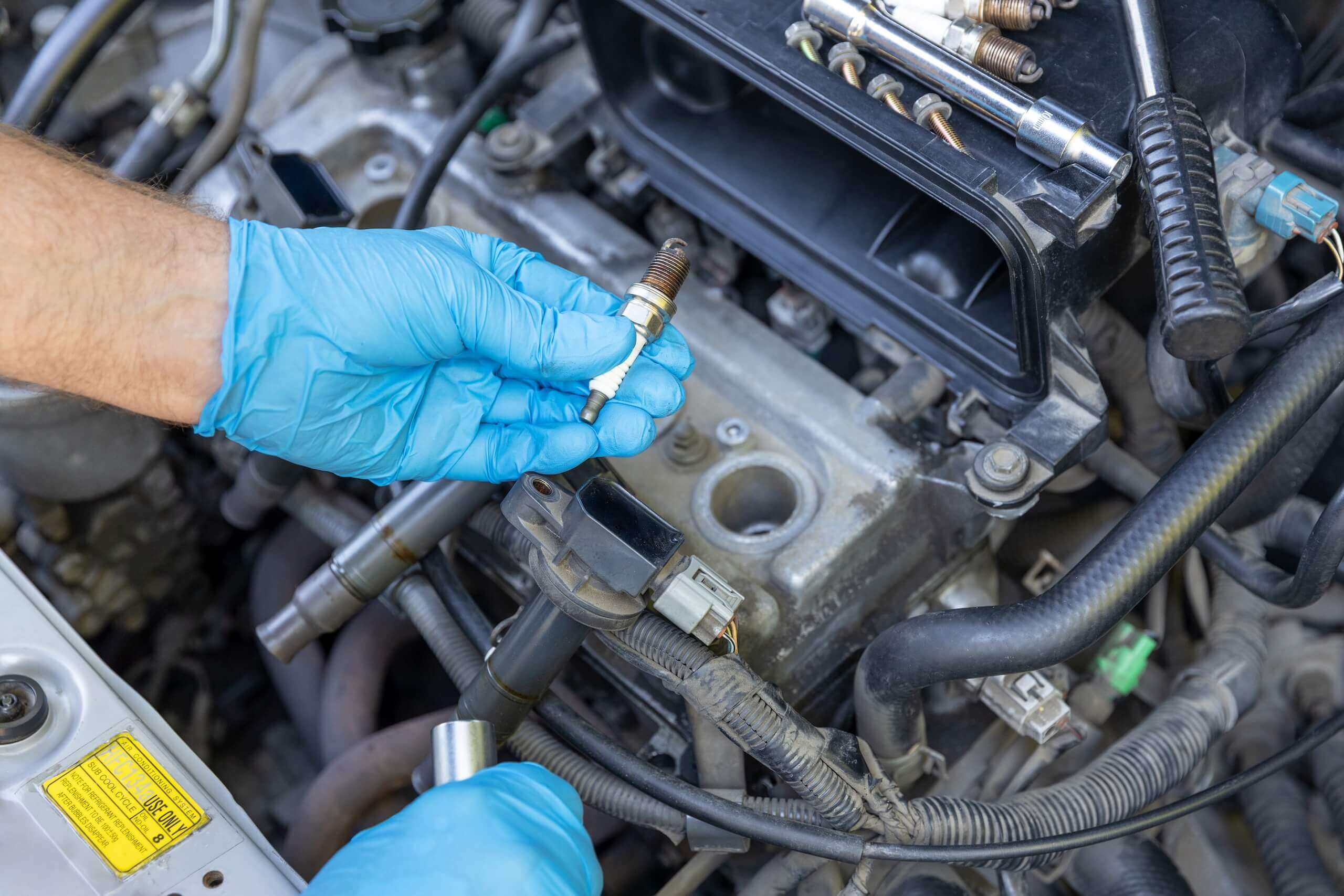
Quick Fixes For Engine Misfire
Engine misfires cause rough driving and poor fuel use. Quick fixes can help stop misfires fast. These simple repairs save time and money. Many fixes do not need a mechanic. Try these steps to get your engine running smooth again.
Replacing Spark Plugs
Old spark plugs wear out and fail to ignite fuel. Replace them with new plugs to restore power. Check the gap and use the right type. This fix improves engine start and smoothness.
Cleaning Or Replacing Fuel Injectors
Dirty fuel injectors block fuel flow and cause misfires. Clean them with a fuel injector cleaner or replace if needed. Clean injectors spray fuel evenly. This improves engine performance and stops misfires.
Fixing Vacuum Leaks
Vacuum leaks let extra air enter the engine. This disrupts the fuel-air mix and causes misfire. Find leaks in hoses or gaskets. Replace or seal damaged parts to fix the problem quickly.
Changing Ignition Coils
Faulty ignition coils fail to send spark to cylinders. Swap bad coils with new ones for better spark. This repair stops misfires and restores engine power.
Resetting The Engine Control Unit
The Engine Control Unit (ECU) controls engine functions. Resetting it can clear errors causing misfires. Disconnect the battery for a few minutes or use a scanner tool. This helps the ECU relearn settings and improve engine run.
Preventive Measures To Avoid Misfires
Preventive measures help keep engine misfires away. These steps protect the engine and save money. Simple habits can stop small problems from turning big.
Regular Maintenance Schedule
Follow the car’s maintenance plan strictly. Regular checks catch issues early. Oil changes, spark plug inspections, and fluid top-ups keep the engine healthy. Routine care prevents unexpected misfires.
Using Quality Fuel And Parts
Choose good fuel for your vehicle. Low-quality fuel can cause deposits and poor combustion. Use parts that match your car’s make and model. Cheap parts may fail sooner and cause misfires.
Timely Replacement Of Worn Components
Replace old spark plugs, wires, and coils on time. Worn parts cause weak sparks and misfires. Do not wait for failure. Changing parts early keeps the engine running smooth.
Keeping The Air Filter Clean
Check and clean the air filter regularly. A dirty filter blocks air flow. This affects fuel burning and leads to misfires. Clean air helps the engine breathe and work well.
Monitoring Engine Performance
Watch for signs like rough idling or poor acceleration. Early detection of changes helps fix problems fast. Use a scanner or visit a mechanic for engine checks. Timely action avoids bigger damage.

Frequently Asked Questions
What Are Common Causes Of Engine Misfire?
Engine misfires often result from faulty spark plugs, clogged fuel injectors, or vacuum leaks. Ignition system issues and poor fuel quality also contribute significantly.
How Can I Diagnose An Engine Misfire Effectively?
Use an OBD-II scanner to check error codes. Listen for rough idling and monitor engine performance for irregularities.
What Is The Best Way To Fix Engine Misfire?
Replace worn spark plugs and clean fuel injectors. Repair vacuum leaks and ensure regular engine maintenance for lasting results.
Can Bad Fuel Cause Engine Misfire?
Yes, contaminated or low-quality fuel can disrupt combustion, leading to engine misfires. Always use recommended fuel grades for your vehicle.
Conclusion
Engine misfires can cause serious problems if left unchecked. Common causes include spark plug issues, fuel problems, or air leaks. Fixing these issues early helps avoid costly repairs later. Regular maintenance keeps your engine running smoothly. Always pay attention to how your car feels and sounds.
A smooth ride means a healthy engine. Stay alert and act fast to keep your vehicle reliable. Simple steps can save time and money. Your car deserves the best care for a long life.


