Is your engine overheating even though your coolant tank is full? That can be confusing and frustrating.
You check the levels, and everything looks fine, but the temperature gauge keeps rising. What’s really going on under the hood? Understanding why your engine gets too hot despite having enough coolant is crucial to avoid costly repairs and keep your car running smoothly.
You’ll discover the common reasons behind this issue and simple steps you can take to protect your vehicle. Keep reading—you’ll want to know these facts before the problem gets worse.
Common Causes Of Overheating
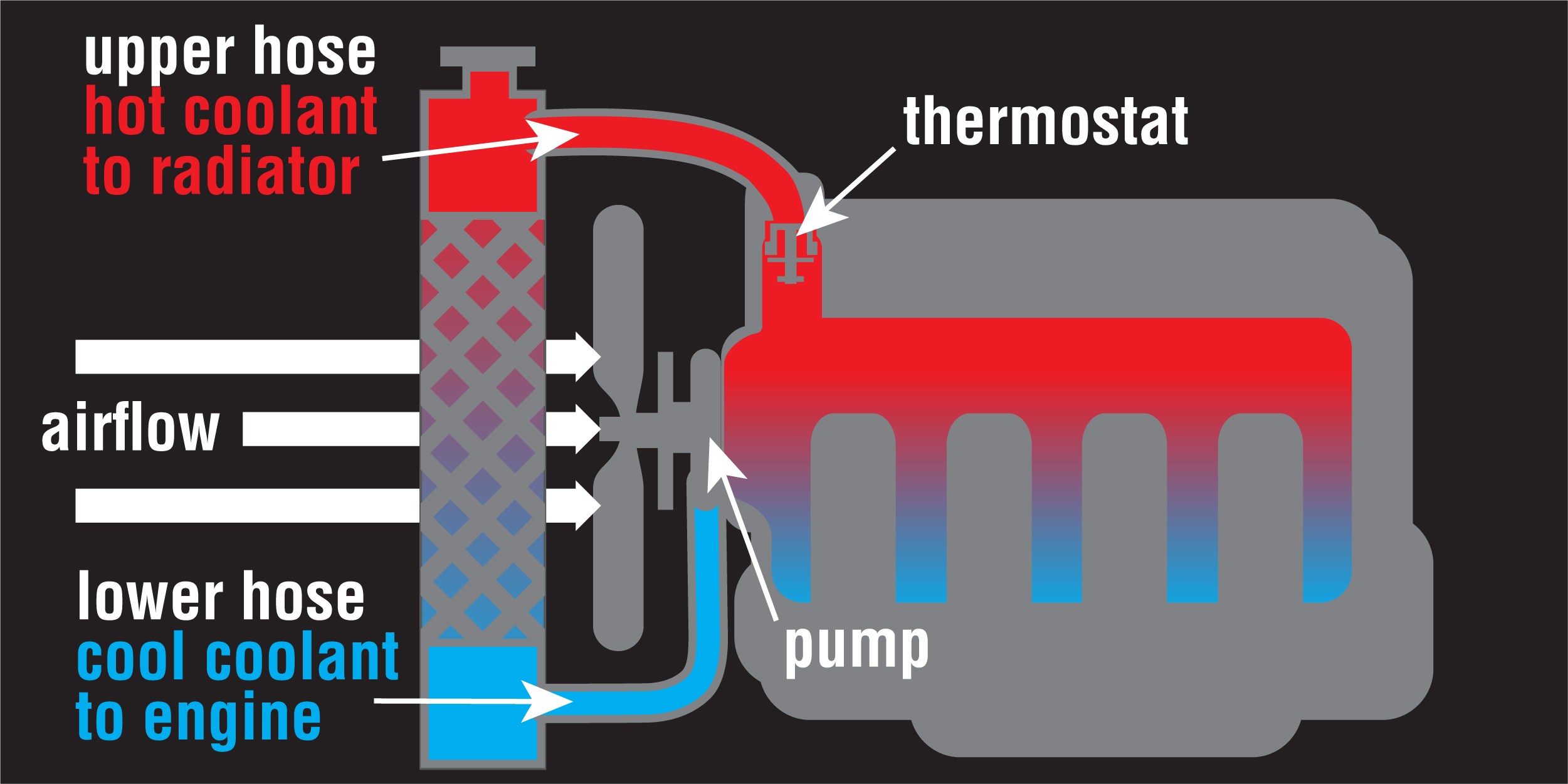
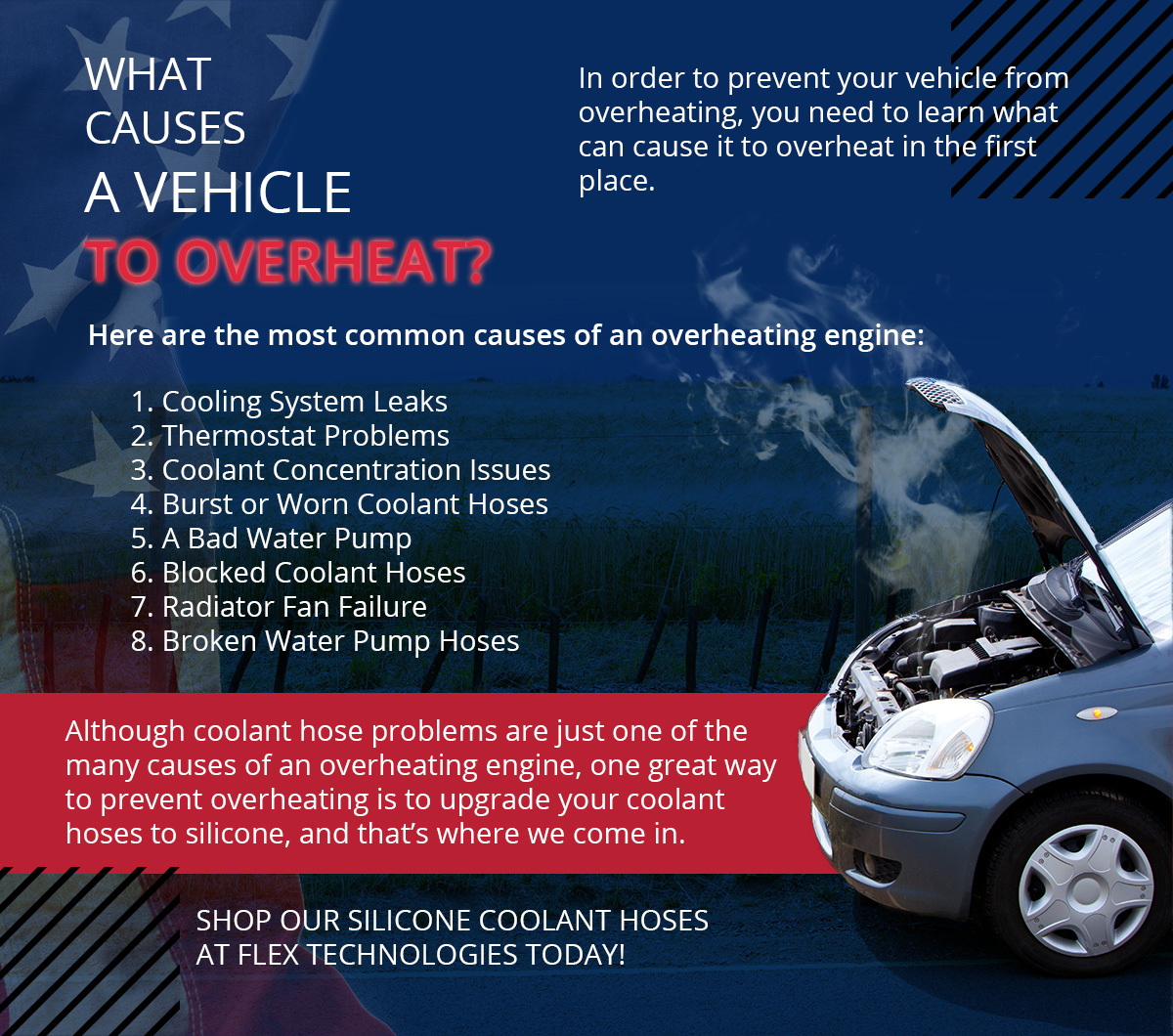
Engine overheating can happen even if the coolant level is full. Many parts work together to keep the engine cool. When any of these parts fail, the engine can get too hot. Understanding common causes helps spot the problem early. It also helps avoid costly repairs and keeps your car running smoothly.
Thermostat Malfunction
The thermostat controls coolant flow through the engine. A stuck thermostat blocks coolant circulation. This causes heat to build up quickly. The engine temperature rises despite full coolant. Replacing a faulty thermostat fixes this issue fast.
Radiator Blockage
A radiator moves heat from coolant to air outside. Dirt, debris, or rust can block the radiator. Blockages stop proper cooling of the coolant. This leads to engine overheating even with enough coolant. Cleaning or replacing the radiator solves this problem.
Water Pump Failure
The water pump moves coolant inside the engine. If the pump fails, coolant stops flowing properly. Heat stays inside the engine, causing it to overheat. A broken water pump must be repaired or replaced quickly.
Faulty Cooling Fan
The cooling fan helps cool the radiator when the car stops. A fan that does not work cannot cool the radiator. The engine temperature rises, especially in traffic or hot weather. Fixing or replacing the cooling fan restores proper cooling.
Air Pockets In Cooling System
Air pockets block coolant flow in the cooling system. These pockets trap heat and raise engine temperature. Air pockets form after coolant changes or leaks. Bleeding the cooling system removes air and stops overheating.

Diagnosing The Problem
Engine overheating while the coolant tank looks full can confuse many drivers. This issue needs careful checking to find the real cause. Diagnosing the problem step-by-step helps avoid costly repairs and keeps your car safe.
Checking Coolant Temperature
Start by watching the coolant temperature gauge on your dashboard. The needle should stay in the normal zone. If it rises quickly or stays high, the engine may be overheating. Use a handheld infrared thermometer to check the radiator and engine surface temperatures for accuracy.
Inspecting Hoses And Belts
Look at all coolant hoses for cracks, leaks, or softness. Firm hoses mean better flow. Check the drive belts for wear or looseness. Broken or slipping belts can stop the water pump from circulating coolant properly.
Testing Thermostat Operation
The thermostat controls coolant flow based on temperature. A stuck thermostat can block coolant movement and cause overheating. Remove and test it by heating in water. It should open at the right temperature. Replace if it stays closed or open.
Evaluating Radiator Condition
Inspect the radiator for dirt, damage, or clogging. Blocked fins reduce airflow and cooling ability. Clean the radiator with compressed air or water. Check for any leaks or corrosion that may affect cooling performance.
Monitoring Fan Performance
The radiator fan cools coolant when the car stops or moves slowly. Check if the fan turns on when the engine gets hot. A faulty fan motor or fan switch can cause overheating. Listen for the fan sound or watch it spin during hot engine conditions.
Quick Fixes To Try
Engine overheating can happen even when the coolant is full. This problem may come from other parts of the cooling system. Quick fixes can help solve this issue fast. These small repairs save time and money.
Try these steps to cool down your engine and avoid damage. Each fix targets a common cause of overheating despite full coolant levels.
Flushing The Radiator
Over time, dirt and rust block the radiator. This stops the coolant from flowing well. Flushing the radiator removes these blockages. Use a radiator flush solution and water. Run the engine to circulate the cleaner. This helps the radiator work better and cool the engine.
Replacing The Thermostat
The thermostat controls coolant flow in the engine. A stuck thermostat can trap heat inside. Replace the old thermostat with a new one. This allows coolant to move properly. The engine stays at the right temperature and avoids overheating.
Repairing Or Replacing The Water Pump
The water pump moves coolant through the engine and radiator. A broken pump stops the coolant from circulating. Check for leaks or strange noises from the pump. Fix or replace the pump if needed. This keeps coolant moving and engine cool.
Fixing Cooling Fan Issues
Cooling fans help lower engine temperature. Fans may stop working due to motor or wiring problems. Test the fan by turning on the engine and AC. If the fan does not run, check electrical parts. Repair or replace faulty parts to restore fan function.
Bleeding Air From The System
Air pockets can form in the cooling system. These pockets block coolant flow and cause overheating. Bleed the air out using bleed valves or caps. This lets coolant fill the system fully. It improves cooling and engine performance.
Preventive Measures
Preventing engine overheating is key to keeping your vehicle safe and running smoothly. Taking simple steps can stop problems before they start. Focus on regular care and use good products. Watch your engine’s load and keep parts clean. These habits help avoid costly repairs and extend engine life.
Regular Coolant Checks
Check coolant levels often. Even if the tank looks full, ensure the coolant is fresh. Old coolant loses its ability to cool the engine. Look for leaks or discoloration. Top off with the right coolant type if needed.
Scheduled Maintenance
Follow your car’s service schedule. Mechanics check cooling system parts during maintenance. They find worn hoses, faulty thermostats, or radiator issues early. Timely repairs keep the engine temperature stable.
Using Quality Coolant
Choose coolant made for your vehicle. Cheap products may not protect well. Quality coolant prevents rust and corrosion inside the engine. It keeps the cooling system working efficiently for a long time.
Avoiding Overloading The Engine
Do not overload your vehicle. Heavy loads make the engine work harder. This raises engine heat and stress. Drive gently and avoid towing beyond limits. Let your engine cool down after hard use.
Keeping Radiator Clean
Clean the radiator regularly. Dirt and debris block airflow and reduce cooling. Use a soft brush or water to remove buildup. Clear radiator fins help maintain proper engine temperature.
When To Seek Professional Help
Engine overheating can be a sign of serious trouble. Sometimes, the coolant level is full, but the engine still gets too hot. Knowing when to get professional help saves your car and your money. It prevents small problems from turning into big repairs.
Persistent Overheating
Overheating that happens often needs expert attention. If the engine temperature stays high after cooling down, it is not normal. A mechanic can check parts like the thermostat and water pump.
Unusual Noises Or Smells
Strange sounds or burning smells coming from the engine mean trouble. These signs can show problems with belts or hoses. A professional can find the cause before damage spreads.
Warning Lights On Dashboard
Warning lights like the temperature or check engine light must not be ignored. These lights tell you the car’s system detects a problem. A technician can read error codes to diagnose the issue.
Coolant Leaks
Spotting coolant under the car is a clear warning. Even if the coolant level looks full, leaks affect the cooling system. A mechanic can find and fix leaks fast.
Engine Performance Issues
Loss of power or rough running with overheating is a bad sign. These symptoms show the engine is not working well. Professional help can prevent costly damage and improve performance.
Frequently Asked Questions
Why Is My Engine Overheating If Coolant Is Full?
Engine overheating with full coolant can result from a faulty thermostat, blocked radiator, or water pump failure. These parts prevent proper coolant flow, causing heat buildup. Air pockets or a blown head gasket may also cause overheating despite a full coolant tank.
Can A Bad Thermostat Cause Overheating?
Yes, a bad thermostat can cause overheating by failing to open. This blocks coolant circulation through the engine, leading to heat accumulation. Replacing a faulty thermostat usually resolves this issue and restores normal engine temperature.
How Does A Blocked Radiator Cause Overheating?
A blocked radiator restricts coolant flow and reduces heat dissipation. Dirt, debris, or corrosion can clog radiator fins or tubes, causing the engine to overheat. Regular radiator cleaning or flushing can prevent such blockages and maintain cooling efficiency.
Could A Water Pump Failure Cause Overheating?
Yes, a failing water pump stops coolant circulation within the engine. Without coolant movement, heat cannot be transferred away, leading to overheating. Timely inspection and replacement of a faulty water pump are crucial to avoid engine damage.
Conclusion
Engine overheating with full coolant is a common problem. It often means something else is wrong. Check the thermostat, radiator, or water pump for issues. Small leaks or blocked parts can cause heat build-up. Fixing these parts can stop the engine from overheating.
Regular car maintenance helps avoid these problems. Always watch your temperature gauge closely. Don’t ignore engine heat signs. Stay safe and keep your car running smoothly.


