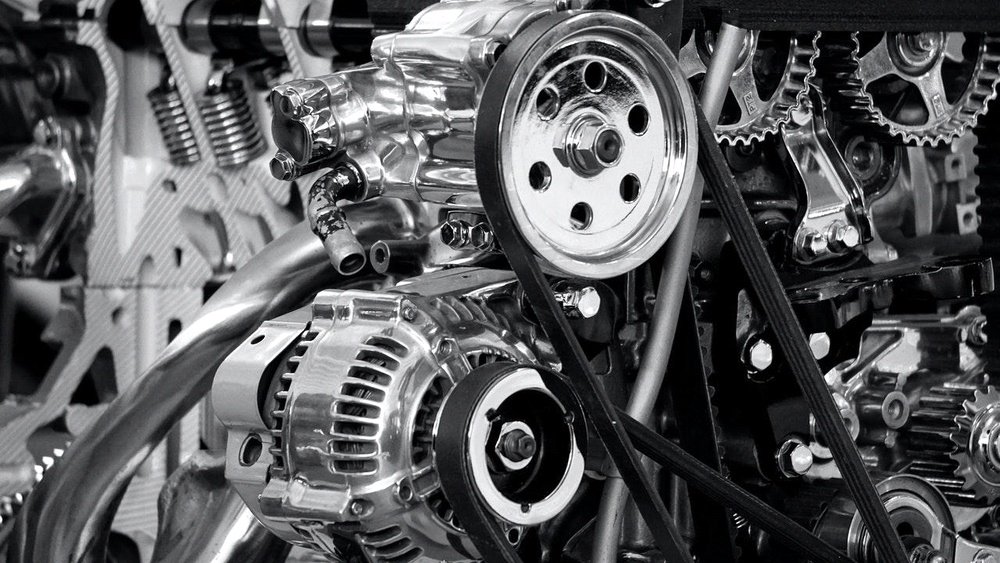
Have you ever wondered what makes your car’s engine run smoothly? Understanding the essential parts of the engine and their purposes can give you a clearer picture of how your vehicle works.
When you know what each part does, you can spot issues early and keep your engine in top shape. You’ll discover the key components inside your engine and why they matter to your car’s performance. Keep reading, and you’ll gain simple yet powerful knowledge that puts you in control of your ride.
Engine Block
The engine block is the main part of a car’s engine. It holds many important pieces together. This part forms the base of the engine and shapes its overall structure. The engine block affects how the engine runs and how strong it is.
Structure And Material
The engine block looks like a large metal box. It has spaces inside called cylinders. These cylinders are where the engine’s pistons move up and down. The block also has holes for coolant and oil to flow through. Most engine blocks are made from cast iron or aluminum. Cast iron is strong and lasts long. Aluminum is lighter and helps save fuel. The choice of material changes the engine’s weight and heat handling.
Role In Engine Function
The engine block holds the cylinders and pistons in place. It supports the crankshaft and camshaft too. This part keeps all moving pieces aligned and working smoothly. The block also helps cool the engine by allowing coolant to flow around cylinders. It contains oil passages to lubricate parts and reduce friction. Without a strong engine block, the engine could break or overheat quickly.
Cylinder Head
The cylinder head is a vital part of an engine. It sits on top of the engine block. This part helps control the flow of air and fuel into the engine. It also manages the exhaust gases that leave the engine. The cylinder head plays a key role in engine performance and efficiency.
This part must be strong to handle high pressure and heat. It also helps keep the engine cool and sealed.
Components Included
The cylinder head holds many important parts. Valves open and close to let air and fuel in. Spark plugs ignite the fuel to start combustion. The camshaft controls the timing of the valves. There are also passages for coolant to flow and keep the engine cool.
Rocker arms and springs help move the valves smoothly. These parts work together to ensure the engine runs well.
Sealing And Airflow
The cylinder head must seal tightly against the engine block. This prevents leaks of gases and fluids. A gasket sits between the head and block to create a strong seal.
Good airflow through the head is crucial. It allows enough air and fuel to enter and exhaust gases to exit. This improves engine power and reduces emissions.
Engine designers shape the passages carefully. Smooth paths help air move fast and cleanly through the head.
Pistons
Pistons play a vital role in an engine’s performance. They move inside the cylinders to help create power. Each piston works hard to convert fuel into energy. Understanding pistons helps grasp how engines function.
Movement And Compression
Pistons move up and down inside the engine cylinder. This movement pushes air and fuel mixture down. When the piston moves up, it compresses the mixture. Compression makes the fuel burn stronger and faster. The burning fuel then pushes the piston down. This up-and-down motion creates the engine’s power.
Materials And Design
Pistons are made from strong, lightweight materials. Aluminum is common because it is light and handles heat well. Some pistons have special coatings for extra durability. The design must fit tightly in the cylinder to avoid leaks. A good piston design improves engine efficiency and life.
Crankshaft
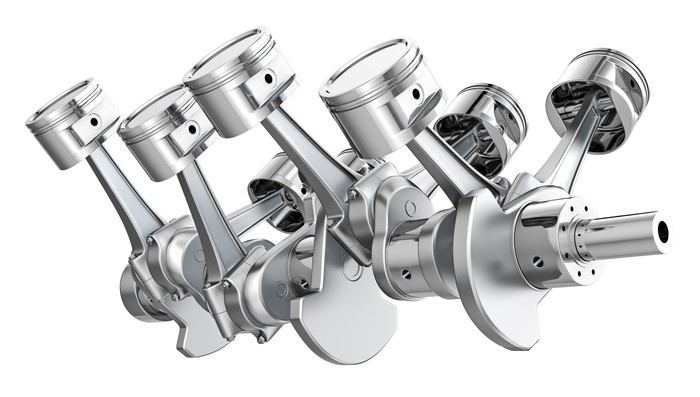
The crankshaft is a key part inside an engine. It changes the up-and-down motion of pistons into spinning motion. This spinning motion powers the wheels of a vehicle. The crankshaft must be strong and well-balanced to keep the engine running smoothly.
Conversion Of Motion
The crankshaft turns the pistons’ up-and-down moves into circular motion. Pistons push down on the crankshaft as fuel burns. The crankshaft then spins, creating power that moves the car. This conversion is essential for the engine to work properly.
Balance And Durability
The crankshaft must stay balanced to avoid shaking and damage. Imbalance can cause engine wear and reduce its life. It is made from tough materials to handle stress and heat. Good balance and strength help the engine run longer and smoother.
Camshaft
The camshaft is a vital engine part. It controls the opening and closing of valves. This action allows air and fuel to enter the engine. It also lets exhaust gases exit. The camshaft works with precise timing. This timing is key to engine performance and efficiency.
Valve Timing
Valve timing means when the valves open and close. The camshaft turns and pushes on the valves. It makes sure they open at the right moment. This timing helps the engine breathe well. Good valve timing improves power and fuel use. It also reduces harmful emissions.
Types And Placement
There are different camshaft types. Some are inside the engine block. Others are in the cylinder head. The block camshaft is called an overhead valve (OHV) camshaft. The head camshaft is called an overhead cam (OHC) camshaft. OHC designs can have one or two camshafts. Placement affects engine size, speed, and noise. Each type suits different engine styles and needs.

Valves
Valves play a vital role in an engine’s function. They control the flow of air and fuel into the engine. They also manage the exit of exhaust gases after combustion. Without valves, the engine cannot breathe or release gases properly. This affects engine performance and efficiency.
Intake Vs Exhaust
There are two main types of valves: intake and exhaust. Intake valves let air and fuel enter the combustion chamber. They open during the intake stroke. Exhaust valves allow burned gases to exit the chamber. They open during the exhaust stroke. Both valves must work in perfect timing to keep the engine running smoothly.
Operation Mechanism
Valves open and close by following the camshaft’s movement. The camshaft pushes the valve down to open it. A spring closes the valve when the camshaft rotates away. This process happens very fast and repeats every engine cycle. Proper valve operation ensures good engine power and fuel efficiency.
Spark Plugs
Spark plugs play a vital role in an engine’s performance. They create the spark needed to ignite the fuel-air mixture. This ignition powers the engine and keeps the vehicle moving. Without spark plugs, the engine cannot start or run smoothly.
Each spark plug works inside the engine’s cylinder. It must withstand high pressure and heat. Over time, spark plugs wear out and lose efficiency. Proper care ensures they function well and extend engine life.
Ignition Process
The ignition process begins with the spark plug generating a spark. This spark lights the fuel-air mixture inside the cylinder. The explosion from the ignition pushes the piston down. This movement creates power to turn the engine’s crankshaft.
Spark plugs need to produce a strong, consistent spark. Weak sparks cause poor engine performance and fuel waste. Correct spark timing is crucial for engine efficiency and power.
Maintenance Tips
Check spark plugs regularly to avoid engine problems. Dirty or worn spark plugs reduce fuel efficiency and power. Clean or replace them based on your vehicle’s schedule.
Look for signs like rough idling, difficulty starting, or poor acceleration. Use the right spark plug type recommended by the car manufacturer. Proper gap setting between electrodes ensures good spark quality.
Fuel Injectors
Fuel injectors are key parts of an engine. They deliver fuel directly into the engine’s cylinders. This helps the engine run smoothly and efficiently. Fuel injectors control the amount and timing of fuel spray. This precise control improves the engine’s performance and reduces waste.
Fuel Delivery
Fuel injectors spray fuel in a fine mist. This mist mixes easily with air in the engine. The mix burns better than large drops of fuel. It allows the engine to produce more power. Each injector works with a small nozzle to spray fuel. The spray pattern is designed for even coverage inside the cylinder.
Efficiency Impact
Fuel injectors help save fuel by controlling fuel use. They avoid giving too much fuel to the engine. This reduces fuel waste and lowers emissions. Clean fuel injectors keep the engine running well. Dirty or clogged injectors can cause rough idling and poor fuel economy. Proper injector function means better engine response and lower fuel costs.
Timing Belt And Chain
The timing belt and chain are vital parts of an engine. They control the timing of the engine’s valves and pistons. This keeps the engine running smoothly and efficiently. Both work to ensure the engine’s moving parts operate in perfect sync.
The timing belt is made of rubber with strong fibers inside. The timing chain is made of metal links, similar to a bicycle chain. Both connect the crankshaft to the camshaft, which controls the opening and closing of valves.
Synchronization Role
The timing belt and chain keep engine parts moving together. They make sure the valves open and close at the right time. This prevents the pistons from hitting the valves. Proper timing helps the engine run smoothly and avoid damage.
Without this synchronization, the engine would lose power. It could also cause serious engine damage. The timing belt or chain ensures the engine breathes and fires correctly. This keeps fuel use efficient and engine performance high.
Common Issues
The timing belt can wear out or break over time. Rubber can crack or lose strength. If the belt snaps, the engine can be badly damaged. Regular replacement is important to avoid this risk.
The timing chain usually lasts longer but can stretch or wear. A stretched chain causes poor timing and engine noise. Chain tensioners or guides can also fail, causing problems. Ignoring these issues can lead to costly repairs.
Oil Pump
The oil pump is a small but powerful part of an engine. It moves oil to different engine parts. This keeps the engine cool and running smoothly. Without the oil pump, engine parts could wear out fast. The oil pump helps protect the engine and extend its life.
Lubrication Importance
Lubrication stops engine parts from rubbing too hard. The oil pump sends oil to all moving parts. This oil forms a thin layer. It reduces friction and heat. It also stops metal parts from touching directly. Good lubrication means less engine wear and fewer repairs.
Types Of Oil Pumps
There are several types of oil pumps in engines. Gear pumps use two gears to push oil forward. They are simple and reliable. Rotor pumps have a spinning rotor inside a housing. They work quietly and smoothly. Vane pumps use sliding vanes to move oil. Each type fits different engine designs and needs.
Cooling System
The cooling system in an engine keeps the temperature just right. It stops the engine from getting too hot. Heat builds up as the engine runs. Without cooling, parts can break down or wear out fast. The system moves heat away, protecting the engine.
Radiator And Coolant
The radiator is a key part of the cooling system. It looks like a metal grid at the front of the car. Coolant, a special liquid, flows through the engine and absorbs heat. This hot coolant moves to the radiator. Air passing through cools the liquid before it goes back to the engine.
Coolant also stops water in the system from freezing or boiling. It keeps the engine at a steady temperature. Without coolant, the engine would overheat or freeze in cold weather.
Preventing Overheating
Overheating can cause engine damage. The cooling system stops this by moving heat out quickly. A water pump pushes coolant through engine parts. A thermostat controls when coolant flows. Fans help cool the radiator when the car is not moving.
Signs of overheating include steam or a hot smell. Regular checks of coolant levels help avoid problems. The cooling system works all the time to keep the engine safe and working well.
Frequently Asked Questions
What Are The Main Parts Of An Engine?
The main parts of an engine include the cylinder, piston, crankshaft, camshaft, valves, and spark plugs. Each part plays a vital role in converting fuel into mechanical energy efficiently.
How Does The Piston Function In An Engine?
The piston moves up and down inside the cylinder. It compresses fuel and air, then transfers force to the crankshaft to create motion.
Why Is The Crankshaft Important In Engines?
The crankshaft converts the piston’s linear movement into rotational motion. This rotation powers the vehicle’s wheels and other components.
What Role Do Valves Play In Engine Performance?
Valves control the intake of air-fuel mixture and exhaust of gases. Proper valve timing ensures efficient combustion and engine power.
Conclusion
Engines work because each part plays a key role. Pistons move up and down to create power. The crankshaft turns this motion into rotation. Valves let air and fuel in and out. Spark plugs ignite the fuel for energy. The cooling system stops the engine from overheating.
Knowing these parts helps you understand how engines run. Simple parts, working together, keep vehicles moving every day. This basic knowledge can make car care easier for everyone.


