Are you confident that your car seat fits your vehicle just right? A seat that doesn’t fit properly can be uncomfortable, unsafe, and frustrating every time you get behind the wheel.
You want to feel secure and comfortable every time you drive, and making sure your car seat fits perfectly is the first step. You’ll discover simple, practical tips to check and adjust your car seat for the best fit. Keep reading to learn how a few easy changes can make a big difference in your driving comfort and safety.
Check Vehicle Compatibility
Checking your vehicle’s compatibility with a car seat ensures safety and proper fit. It avoids installation errors and keeps your child secure. Taking simple steps helps you confirm if the seat matches your vehicle’s design.
Start by understanding your vehicle’s specific requirements. Look at the space, seat shape, and anchor points. These details guide you to choose the right car seat for your vehicle.
Consult Owner’s Manual
Your vehicle’s owner’s manual holds key information. It shows the types of car seats accepted and how to install them. Follow its instructions closely to avoid mistakes. Manuals often list recommended seats by size and style.
Identify Seat Anchor Points
Check your vehicle’s rear seats for anchor points. These are metal bars or loops where you attach the car seat. Common anchors include LATCH system connectors or seat belts. Confirm their location and condition for a secure fit.
Measure Seat Dimensions
Measure the width, depth, and height of your vehicle’s seats. Compare these with the car seat’s measurements. Ensure the seat fits without crowding or tilting. Adequate space helps proper installation and comfort for your child.

Choose The Right Car Seat Type
Choosing the right car seat type is key to ensure your child’s safety and comfort. Each seat fits differently in vehicles. Picking the right one helps it fit properly. It also makes installation easier and safer.
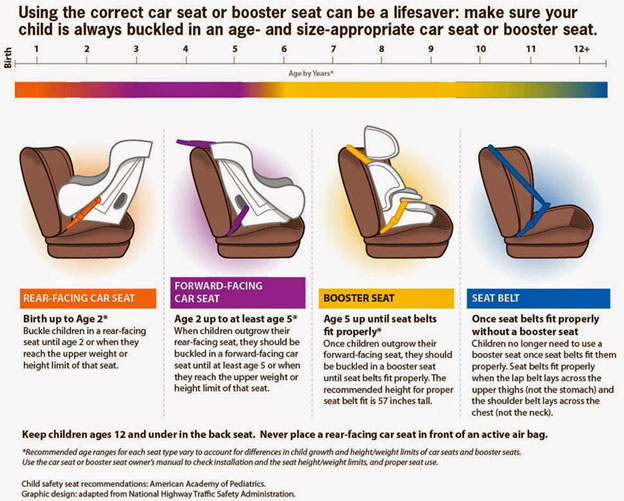
Car seats come in three main types. Each type matches different ages and sizes. Understanding these types helps you select the best seat for your child and vehicle.
Infant Seats
Infant seats are for newborns and babies up to about 1 year old. They face the rear of the car. These seats are small and lightweight. Many come with a handle for easy carrying. They usually fit well in most cars. Make sure the base fits tightly in the vehicle seat.
Convertible Seats
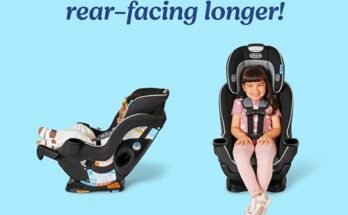
Convertible seats grow with your child. They can face rear or forward. These seats suit toddlers and young children. They are heavier and larger than infant seats. Check your vehicle’s space before buying. Ensure the seat fits securely and does not move much.
Booster Seats
Booster seats lift older children to fit seat belts correctly. They are for kids who outgrow convertible seats. Booster seats need a seat belt to secure the child. Check if your car’s seat belt fits well with the booster. The booster should sit flat and stable on the vehicle seat.
Installation Methods
Installing a car seat correctly is key to your child’s safety. Different vehicles and car seats may require different installation methods. Knowing the right way to install your car seat helps ensure a secure fit. This section covers the main installation methods you can use.
Using Latch System
The LATCH system stands for Lower Anchors and Tethers for Children. It uses built-in anchors in your car to attach the car seat. Connect the seat’s lower straps to these anchors. Tighten the straps until the seat feels firm. The LATCH system is simple and often the safest option.
Using Seat Belt
Some cars or car seats do not support LATCH. In this case, use the vehicle’s seat belt to secure the seat. Thread the seat belt through the car seat’s belt path. Buckle it and pull tight to remove slack. Make sure the seat does not move more than one inch side to side.
Tether Strap Importance
The tether strap prevents the car seat from tipping forward. Attach it to the tether anchor in your vehicle. This anchor is usually behind the seat or on the rear shelf. Tighten the strap firmly for extra stability. Using the tether strap improves safety in a crash.
Ensure Secure Fit
Ensuring a secure fit for your car seat is vital for your child’s safety. A properly installed seat stays firmly in place during every trip. It reduces the risk of injury in case of sudden stops or accidents. Follow simple steps to confirm the seat fits tightly and correctly in your vehicle.
Check For Movement
Push and pull the car seat at the base. The seat should not move more than one inch side to side or front to back. Excess movement means the seat is not tight enough. Tighten the seat belt or latch system until the seat is secure.
Adjust Recline Angle
Look for the recline indicator on the car seat. Adjust the seat angle so your child’s head stays supported. A proper recline prevents the head from falling forward, especially for infants. Follow the car seat manual for the correct recline position for your child’s age and weight.
Verify Harness Tightness
Check the harness straps by pinching them at the shoulder. Straps should lie flat and be snug against your child’s body. If you can pinch any slack, tighten the harness. A snug harness keeps your child secure and comfortable during the ride.
Seek Professional Help
Ensuring your car seat fits your vehicle correctly is crucial for safety. Professionals can help you avoid common mistakes. They provide guidance and check installation accuracy. Trusting experts gives peace of mind and protects your child.
Car Seat Inspection Stations
Car seat inspection stations offer free checks by trained staff. They verify if your seat is installed properly. These stations often work with local fire or police departments. A quick visit can prevent serious safety issues.
Certified Technicians
Certified technicians have special training in car seat safety. They understand different vehicles and seat models. Technicians can show you how to install the seat step-by-step. Booking an appointment ensures your car seat fits securely.
Online Resources And Videos
Many trusted websites provide clear videos and instructions. These resources cover various car seat types and vehicle models. Watching step-by-step guides helps you learn proper installation. Use these tools to double-check your work at home.

Regular Maintenance And Checks
Regular maintenance and checks keep your car seat safe and secure. Over time, parts can wear out or loosen. Regular inspections help spot problems early. This ensures the seat fits your vehicle properly and protects your child well.
Inspect For Wear And Tear
Check your car seat often for cracks, frayed straps, or broken parts. Look closely at the buckle and harness for damage. Replace any worn or damaged parts immediately. A damaged seat may not protect your child in a crash.
Update Seat As Child Grows
Children grow fast. Their car seat needs change too. Switch to a bigger seat or booster as your child gets taller and heavier. Using the right size seat keeps your child safe and comfortable on every ride.
Follow Manufacturer’s Guidelines
Read the car seat manual carefully. Follow all instructions for installation and use. Check weight and height limits. Use the recommended belt path and tighten straps properly. This helps the seat fit your vehicle and protect your child well.
Frequently Asked Questions
How Do I Check If My Car Seat Fits Correctly?
Measure the seat and compare it with your vehicle’s space. Ensure the seat locks securely using the seat belt or LATCH system. Follow the car seat and vehicle manuals for specific instructions. A proper fit ensures safety and comfort for your child.
What Are The Signs Of An Improperly Fitted Car Seat?
Signs include excessive movement, loose straps, or the seat tilting. The car seat should not shift more than one inch side to side. Check for gaps between the seat base and vehicle seat. An improper fit compromises child safety during travel.
Can I Use Any Car Seat For My Vehicle?
No, not all car seats fit every vehicle. Check compatibility with your car’s make and model. Some seats are designed for specific vehicle types or sizes. Always verify the car seat’s manual for vehicle fit guidelines before purchase.
How Important Is The Latch System For Fitting Car Seats?
The LATCH system simplifies installation and improves fit accuracy. It uses anchors built into vehicles for secure attachment. Most newer cars support LATCH, making car seat installation safer. Always use LATCH if your vehicle and seat are compatible.
Conclusion
Ensuring your car seat fits your vehicle is key for safety. Measure your car’s seat space carefully before buying. Check the car seat manual and your vehicle’s guide. Test the seat’s fit and lock it tightly. A well-fitted car seat keeps your child secure.
Take time to install it right every time. Safe travel starts with the right car seat fit. Keep your family protected on every ride.