Your car seat is more than just a place to sit – it’s where you spend a lot of your time, whether driving to work or heading out on a road trip. Keeping it clean and well-maintained not only makes your ride more comfortable but also protects your investment.
But how do you clean and maintain a car seat without damaging it or wasting time? You’ll discover simple, effective tips that anyone can follow. By the end, you’ll know exactly how to keep your car seat looking fresh and feeling great every time you get behind the wheel.
Ready to make your car seat shine? Let’s dive in.
Choosing The Right Cleaning Products
Choosing the right cleaning products is key to keeping car seats fresh and lasting longer. Different materials need different care. Using the wrong product can cause damage or stains. Knowing what to use helps maintain the seat’s look and feel. This section covers the best cleaners for various seat types and what to avoid.
Types Of Car Seat Materials
Car seats come in several materials. Leather, fabric, vinyl, and synthetic blends are common. Each type reacts differently to cleaning products. Leather is smooth and needs gentle care. Fabric seats absorb spills and dirt. Vinyl is tough but can crack with harsh chemicals. Identifying your seat material guides product choice.
Safe Cleaners For Leather Seats
Leather seats need mild cleaners with moisturizing effects. Use pH-balanced leather cleaner or saddle soap. Avoid harsh detergents or bleach. These can dry out leather and cause cracks. A soft cloth and gentle rubbing keep leather soft. Finish by applying a leather conditioner to protect the surface.
Best Options For Fabric Seats
Fabric seats require stain removers made for cloth. Use upholstery shampoo or mild soap mixed with water. Spray lightly and scrub gently with a soft brush. Avoid soaking the fabric to prevent mold. Let the seat dry completely before use. Regular vacuuming helps remove dust and dirt.
Avoiding Harmful Chemicals
Certain chemicals harm car seats and your health. Stay clear of bleach, ammonia, and harsh solvents. These can fade colors and weaken materials. Strong chemicals may cause skin irritation or breathing problems. Always read product labels. Choose cleaners marked safe for your seat type.
Preparing Your Car Seat For Cleaning
Preparing your car seat for cleaning is an important first step. It helps you remove dirt and stains more easily. Proper preparation also protects the fabric and keeps your seat looking new. Follow these simple steps to get ready before you start cleaning.
Removing Loose Dirt And Debris
Start by removing any loose dirt or debris on the seat. Use your hands or a soft brush to sweep crumbs and dust away. Check under the seat and in the crevices for hidden dirt. Clearing this loose debris stops it from spreading during cleaning.
Vacuuming Techniques
Vacuum the car seat thoroughly to remove small particles. Use a vacuum with a brush attachment for best results. Move the vacuum slowly over the seat to catch all dirt. Pay special attention to seams and folds where dust gathers. Vacuuming helps prepare the fabric for deep cleaning.
Spot Testing Cleaners
Test any cleaner on a small hidden area of the seat first. Apply a little cleaner and wait a few minutes. Check for color changes or fabric damage. Spot testing keeps your seat safe from harsh chemicals. Use only cleaners that do not harm the fabric.
Cleaning Leather Car Seats
Cleaning leather car seats keeps them looking fresh and lasts longer. Dirt and oils can damage leather if not cleaned carefully. Use the right products and tools for best results. Gentle care protects the leather’s natural texture and color.
Applying Cleaner Properly
Choose a cleaner made for leather seats. Test it on a small hidden area first. Apply the cleaner in small amounts. Use a soft cloth to spread it evenly. Avoid soaking the leather with too much liquid.
Using Soft Brushes And Cloths
Use a soft brush to loosen dirt in creases. Brush gently to avoid scratching the surface. A microfiber cloth works well to wipe the seats. Do not use rough or abrasive tools. Soft materials help keep leather smooth and clean.
Wiping And Drying Tips
After cleaning, wipe the seats with a dry cloth. Remove all cleaner residue for best results. Let the seats air dry naturally. Avoid direct sunlight or heat sources. Proper drying prevents cracks and keeps leather soft.
Cleaning Fabric Car Seats
Fabric car seats need regular cleaning to stay fresh and last longer. Dirt, spills, and dust can settle deep into the fibers. Proper care keeps the seats looking good and smelling clean. This section explains easy steps to clean and maintain fabric car seats.
Dealing With Stains
Act quickly when spills happen. Blot the stain gently with a clean cloth. Avoid rubbing, which can spread the stain. Use a mild fabric cleaner or a mix of water and dish soap. Apply the cleaner to the cloth, not directly on the seat. Dab the stain carefully until it lifts. For tough stains, repeat the process several times. Always test the cleaner on a small hidden spot first.
Using Steam Cleaners
Steam cleaners work well on fabric seats. The hot steam loosens dirt and kills bacteria. Move the steam cleaner slowly over the seat. Avoid soaking the fabric. Let the steam do the work. After steaming, wipe the seat with a dry cloth. Steam cleaning refreshes the fabric and removes odors without harsh chemicals.
Drying Fabric Seats
Dry seats properly to avoid mold and bad smells. Open car windows or doors for good air flow. Use a fan or park the car in the sun. Avoid using heat sources that are too hot. Check the seat often to make sure it dries evenly. Dry fabric seats fully before using the car again.
Maintaining Car Seats Regularly
Maintaining car seats regularly keeps them clean and lasts longer. Dirt and spills can damage seats over time. Small care steps prevent big problems. Regular care also keeps your car looking fresh and tidy.
Routine Vacuuming
Vacuum car seats once a week to remove dust and crumbs. Use a soft brush attachment to avoid damage. Focus on seams and crevices where dirt hides. This stops dirt from settling deep into the fabric or leather.
Conditioning Leather
Leather seats need special care to stay soft and smooth. Apply a leather conditioner every few months. This prevents cracks and drying caused by heat and use. Use a clean cloth to apply conditioner evenly. Let it absorb fully for best results.
Protecting Seats From Sun Damage
Sun can fade and crack car seats over time. Park in shaded areas or use sunshades to reduce exposure. Apply protective sprays made for seat materials. These sprays block harmful UV rays and keep seats looking new. Cover seats during long sun exposure for extra protection.
Handling Tough Stains And Odors
Tough stains and bad smells can ruin your car seat’s look and feel. Cleaning them fast helps keep your car fresh and neat. Different stains and odors need different ways to remove them. Use simple tools and safe cleaners to protect your seat fabric. Follow these steps to handle common problems like spills, pet hair, and odors.
Removing Food And Drink Spills
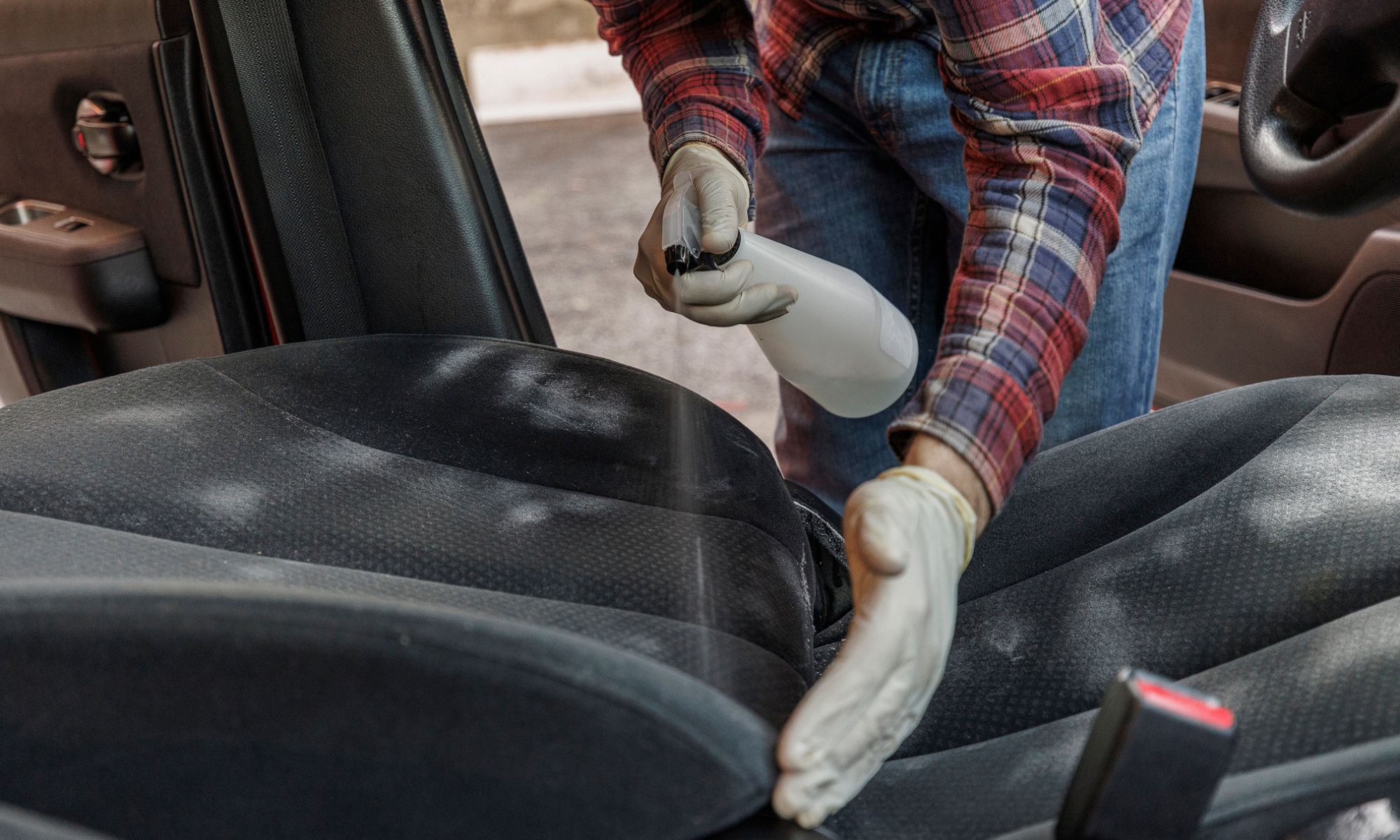
Act quickly to stop stains from setting. Blot spills with a clean cloth or paper towel. Avoid rubbing, which can spread the stain. Use a mix of mild soap and warm water to treat spots. Apply the solution gently with a soft brush or cloth. Rinse with a damp cloth and let the area dry fully. For stubborn stains, a specialized upholstery cleaner works well. Test cleaners on a hidden spot first to check for damage.
Eliminating Pet Hair And Smells
Pet hair sticks tightly to car seats. Use a vacuum with a brush attachment to remove loose hair. Sticky tape or a rubber glove can pick up stubborn strands. Wash seat covers if they are removable. Pet odors need deeper cleaning. Use a mixture of water and vinegar to wipe the seats. This helps neutralize smells without harsh chemicals. Let the car air out to reduce lingering pet odors.
Using Odor Neutralizers
Odor neutralizers can refresh your car’s interior quickly. Choose products designed for car upholstery. Spray lightly and allow time to work. Baking soda is a natural option to absorb smells. Sprinkle it on seats, leave for a few hours, then vacuum. Avoid strong perfumes that only mask odors temporarily. A clean, well-ventilated car helps prevent bad smells from returning.
Preventive Measures For Longevity
Keeping car seats in good shape takes more than cleaning. Preventive care helps seats last longer and stay fresh. Simple habits protect seats from damage and wear. Small steps today avoid costly repairs later. Focus on three key areas to protect your seats.
Seat Covers And Protectors
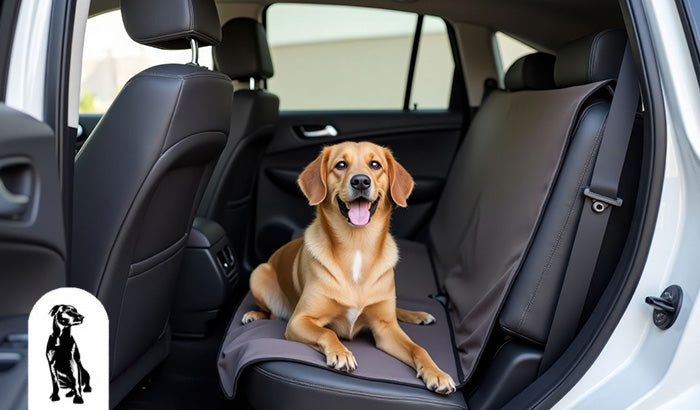
Seat covers shield fabric and leather from spills and dirt. They are easy to remove and wash. Protectors guard against stains and fading from sunlight. Choose covers that fit your car seats well. This keeps seats looking new and clean.
Avoiding Sharp Objects
Sharp items like keys or tools can tear seat material. Avoid placing such objects directly on seats. Use pockets or boxes to store them safely. Careful handling prevents scratches and holes. This keeps the seat surface smooth and intact.
Regular Inspection And Repairs
Check seats often for small tears, loose threads, or stains. Fix minor damage immediately to stop it from getting worse. Use proper cleaners and repair kits for the job. Routine checks keep seats in top condition. Early repairs save money and effort.
Frequently Asked Questions
How Often Should I Clean My Car Seats?
Clean your car seats every 1-3 months to prevent dirt buildup. Frequent cleaning keeps seats fresh and prolongs their life. Spot clean spills immediately to avoid stains. Regular vacuuming removes dust and debris effectively.
What’s The Best Way To Clean Leather Car Seats?
Use a gentle leather cleaner and a soft cloth. Avoid harsh chemicals that can damage the leather. After cleaning, apply a leather conditioner to keep seats supple and prevent cracking. Always test products on a small area first.
Can I Use Household Cleaners On Car Seats?
Household cleaners can harm car seat materials. Use products specifically designed for car upholstery. These cleaners are safer and more effective for fabrics and leather. Always check product labels and test in hidden areas before full use.
How Do I Remove Tough Stains From Fabric Seats?
Blot stains quickly with a clean cloth. Use a fabric-safe upholstery cleaner or a mix of water and mild soap. Gently scrub the stain with a soft brush. Rinse with clean water and air dry to avoid mold.
Conclusion
Cleaning and caring for your car seat keeps it fresh and lasts longer. Regular vacuuming removes dirt and crumbs easily. Use mild soap and water for stains. Avoid harsh chemicals that can damage fabric or leather. Let the seat dry completely before using the car again.
Small efforts prevent big problems later. A clean seat makes your drive more comfortable and safe. Simple steps done often bring the best results. Keep your car seat looking good with these easy tips.