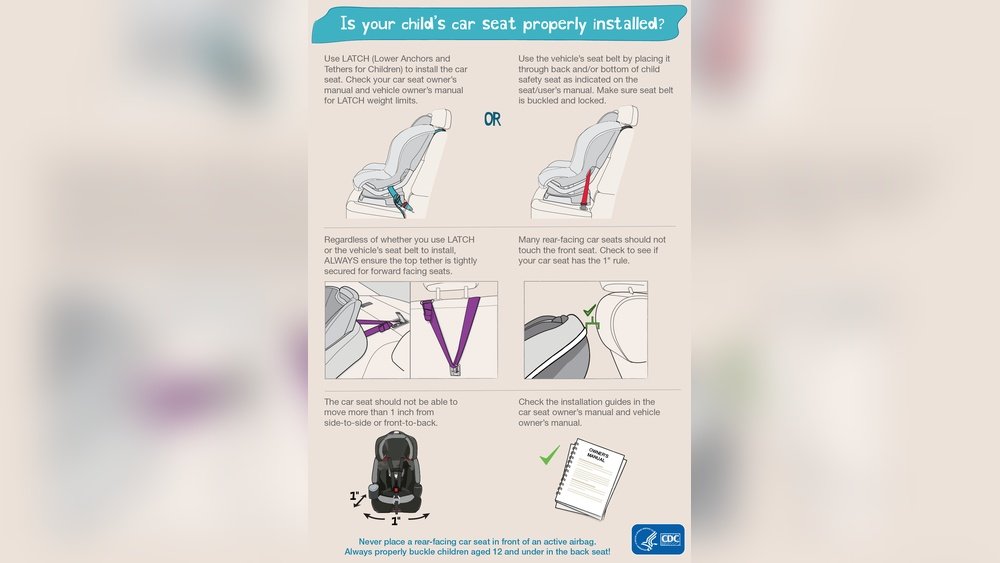
Are you sure your child’s car seat is installed correctly? A simple mistake could put your little one at risk during a drive.
You want to keep your child as safe as possible, but installing a car seat can feel confusing and overwhelming. Don’t worry—this guide will walk you through the exact steps you need to take. By the end, you’ll feel confident that your car seat is secure and your child is protected.
Keep reading, because getting this right makes all the difference.
Choosing The Right Car Seat
Choosing the right car seat is very important for your child’s safety. Each child needs a car seat that fits their size and age. This choice helps protect them during every trip. Understanding the types of car seats and their rules makes this task easier.
Parents and caregivers must consider safety ratings too. These ratings show how well the seat protects your child. Picking the right seat is the first step to safe travel.
Types Of Car Seats
Car seats come in different types for different stages. Infant seats are for newborns and babies. They face the rear of the car. Convertible seats can change from rear-facing to forward-facing. Booster seats help older children use the car’s seat belt correctly. Each type fits a child’s size and age better.
Age And Weight Guidelines
Each car seat type has age and weight limits. Infant seats usually fit babies up to 1 year old and 22 pounds. Convertible seats can hold children from 5 to 65 pounds. Booster seats work for kids who weigh 40 to 100 pounds. These guidelines keep the child safe and comfortable.
Safety Ratings
Check safety ratings before buying a car seat. These ratings come from crash tests and safety groups. Look for seats with high scores and good reviews. A well-rated seat offers better protection. Always choose a seat that meets current safety standards.
Preparing For Installation
Preparing to install a car seat is an important step. It helps ensure the seat is safe and secure for your child. Taking time to prepare makes the installation easier and more accurate. This section covers key steps before placing the seat in your vehicle.
Reading The Manual
Start by reading the car seat manual carefully. Each seat has specific instructions for installation. The manual explains how to use straps, buckles, and anchors correctly. It also shows important safety tips to follow. Understanding the manual reduces mistakes during installation.
Gathering Necessary Tools
Collect all tools needed for installation before you begin. Many car seats do not require extra tools. Some models may need a wrench or screwdriver. Having tools ready saves time and avoids interruptions. Check the manual for a list of required tools.
Checking Vehicle Compatibility
Check if your vehicle fits the car seat properly. Look for LATCH anchors or seat belts that work with the seat. Some cars have limited space or unusual seat shapes. Make sure the car seat can attach tightly in your vehicle. Compatibility is key for a safe fit.
Installing Rear-facing Seats
Installing a rear-facing car seat correctly is vital for your child’s safety. This type of seat supports a child’s head, neck, and spine in case of sudden stops or crashes. Proper installation reduces the risk of injury and keeps your child secure on every trip.
Follow the steps carefully to ensure the seat fits well and stays in place. Pay attention to the seat’s angle and how you secure it. Each vehicle and car seat model may have specific instructions. Always check the manual for both.
Positioning The Seat
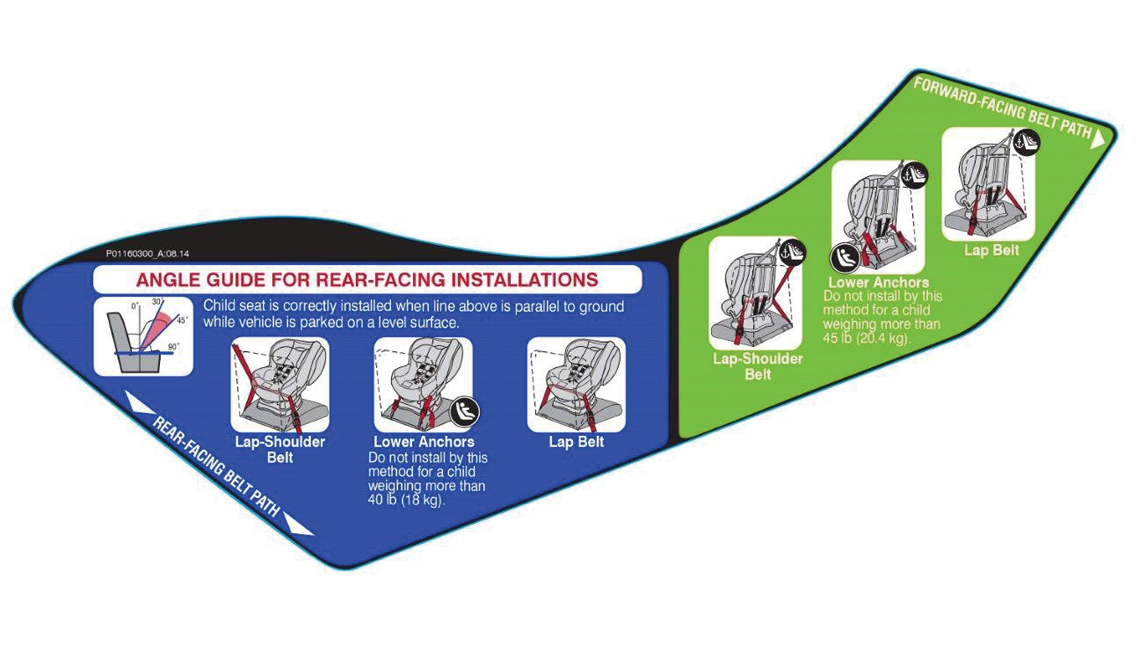
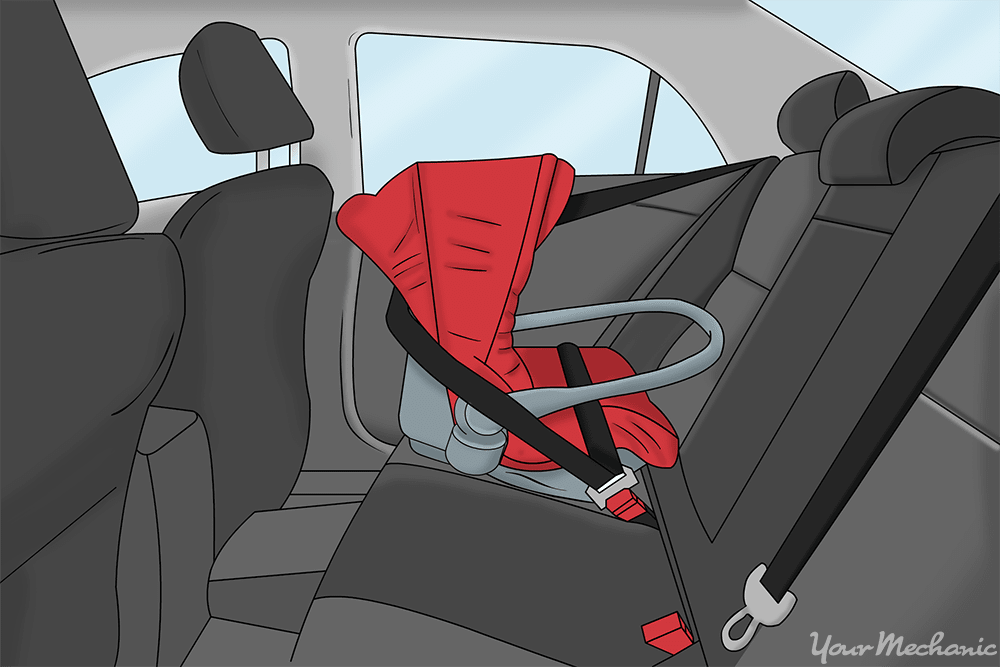
Place the rear-facing seat in the back seat of your car. The center position is safest if it fits well there. Make sure the seat faces the rear of the vehicle. The correct angle prevents your child’s head from falling forward. Use the seat’s built-in level indicators to check the angle.
Using The Seat Belt Method
Thread the seat belt through the correct belt path on the car seat. Lock the seat belt by pulling it all the way out and then letting it retract. Press the car seat firmly while tightening the seat belt. The seat should not move more than an inch side-to-side or front-to-back.
Using The Latch System
Locate the lower anchors in your vehicle’s seat. Connect the car seat’s lower attachments to these anchors. Tighten the straps until the car seat is snug. The LATCH system often makes installation easier and more secure. Avoid using both LATCH and seat belt together unless your car seat manual allows it.
Checking For Secure Fit
Test the car seat by pushing and pulling at the base. It should move less than one inch in any direction. Ensure the harness straps are tight and secure. Your child should sit snugly with no slack in the straps. Double-check the angle and make adjustments if needed.
Installing Forward-facing Seats
Installing a forward-facing car seat correctly keeps your child safe during every ride. This type of seat is for toddlers who have outgrown their rear-facing seats. Proper installation ensures the seat stays secure and your child is well protected. Follow simple steps to install the seat firmly in your vehicle.
Adjusting The Harness
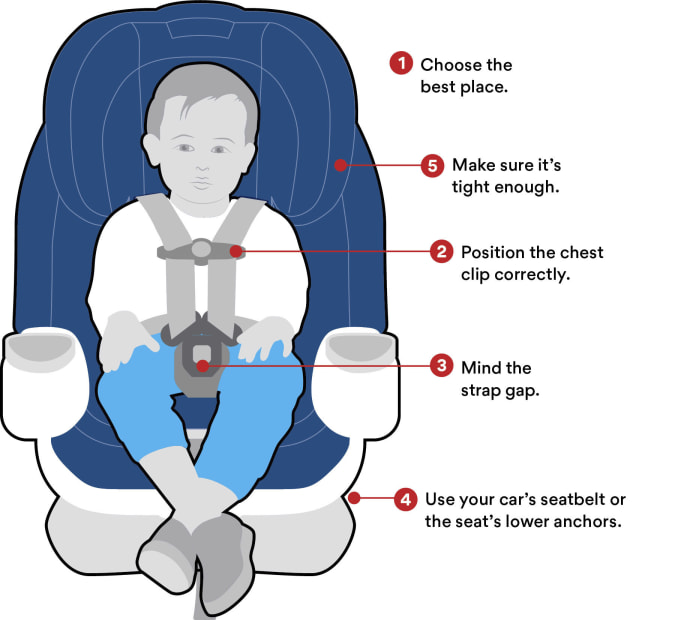
Start by loosening the harness straps. Place your child in the seat and pull the straps over their shoulders. The straps should sit at or above your child’s shoulders. Tighten the harness until it fits snugly. You should not be able to pinch any slack.
Securing With Seat Belt
Thread the vehicle’s seat belt through the forward-facing belt path. Lock the seat belt to prevent it from loosening. Press down firmly on the car seat while tightening the belt. The seat should not move more than one inch side to side or front to back.
Using Tether Straps
Find the tether anchor point behind your car seat. Attach the top tether strap to this anchor. Pull the strap tight to secure the seat’s top. This reduces forward movement in a crash and adds extra safety.
Ensuring Proper Angle
Check the car seat’s angle indicator or level. Adjust the seat base to keep the seat upright. A correct angle prevents your child’s head from falling forward. Confirm the seat is stable and does not tilt.
Booster Seat Installation
Installing a booster seat correctly is very important for your child’s safety. A booster seat helps position the vehicle’s seat belt properly on your child’s body. This section explains how to install a booster seat step by step.
Choosing The Right Booster
Choose a booster seat that fits your child’s age, height, and weight. There are two types: high-back and backless boosters. High-back boosters offer head and neck support. Backless boosters work well if your car has headrests. Check the booster seat’s label for weight and height limits.
Positioning On The Seat
Place the booster seat flat on the vehicle’s back seat. Make sure the booster does not move side to side. The child should sit all the way back against the seat. The booster should raise your child enough to use the seat belt properly.
Using Vehicle Seat Belt
Buckle the vehicle’s seat belt over the child and booster seat. The lap belt must lie low on the child’s hips, touching the thighs. The shoulder belt should cross the chest and rest on the shoulder. Avoid placing the shoulder belt under the arm or behind the back.
Checking Belt Fit
Check that the seat belt fits snugly and comfortably. The lap belt should not be loose or ride up on the stomach. The shoulder belt must not touch the neck or face. Make sure the child can sit still without the belt slipping out of place.
Common Mistakes To Avoid
Installing a car seat correctly is vital for your child’s safety. Many parents make common mistakes that reduce protection during travel. Avoiding these errors helps keep your child secure. Focus on proper installation steps and check your work carefully.
Loose Installation
A loose car seat can move too much in a crash. The seat should not shift more than one inch side to side or front to back. Tighten the seatbelt or latch system firmly. Check the seat after installation to ensure it is secure.
Incorrect Harness Tightness
The harness holds your child in place. It should be snug against the child’s body. Loose straps allow too much movement. Tighten the harness until you cannot pinch any slack. The chest clip should be at armpit level for best protection.
Wrong Seat Placement
The safest place for a car seat is the back seat. Placing it in the front seat increases injury risk. Make sure the seat faces the right direction. Rear-facing seats should stay that way until your child reaches the height and weight limit.
Expired Or Damaged Seats
Car seats have expiration dates, usually six years from manufacture. Old seats can lose strength and safety features. Inspect your seat for cracks, broken parts, or missing labels. Replace any seat that is damaged or expired to ensure full protection.
Final Safety Checks
Final safety checks are crucial after installing a car seat. These checks ensure the seat is secure and your child stays safe. Skipping these steps can risk your child’s protection in the car.
Each check confirms a different safety aspect. Together, they give you confidence that the car seat is installed properly.
Performing The Tug Test
Grab the car seat near the belt path. Pull it firmly side to side and front to back. The seat should not move more than one inch. If it moves more, tighten the seat belt or latch strap. This test shows if the seat is tightly secured.
Verifying Harness Height
Check the harness straps are at the correct height. For rear-facing seats, straps go just below the shoulders. Forward-facing seats need straps just above the shoulders. Adjust the harness to fit snugly on your child. Proper harness height keeps your child safe and comfortable.
Confirming Seat Angle
Look at the car seat’s angle indicator. The seat must recline at the right angle. Too upright or too flat can be dangerous. Use a rolled towel or pool noodle if needed to adjust the angle. Correct seat angle supports your child’s head and airway.
Regular Maintenance Tips
Check the car seat regularly for wear and tear. Look for loose straps, cracks, or broken parts. Clean the seat according to the manufacturer’s instructions. Replace any damaged parts immediately. Regular maintenance keeps the seat safe and reliable.
Frequently Asked Questions
How Do I Choose The Right Car Seat For My Child?
Select a car seat based on your child’s age, weight, and height. Check safety ratings and fit it properly in your vehicle.
What Is The Safest Position To Install A Car Seat?
The safest position is the rear middle seat. It offers maximum protection from side impacts.
How Tight Should The Car Seat Straps Be?
Straps should be snug, allowing no more than one finger’s width between the strap and child.
When Should I Switch From Rear-facing To Forward-facing?
Switch when your child exceeds the rear-facing height or weight limit, usually around age 2 or more.
Conclusion
Installing a car seat correctly keeps your child safe on every trip. Always read the car seat manual carefully. Check that the seat is tight and secure. Use the right seat for your child’s age and size. Double-check the harness fits snugly without twists.
Regularly inspect the seat for wear or damage. Ask a certified technician if unsure about installation. Safety starts with proper car seat use. Take your time and follow steps carefully. Your child’s safety depends on it.