You want to keep your baby safe every time you hit the road. But how do you know when it’s time to move your little one out of their car seat?
Using the right car seat is crucial, but it’s not always easy to tell if your baby has outgrown it. If you keep wondering whether your child still fits comfortably or if the seat is still safe, this article is for you.
Read on to discover the clear signs that show when it’s time for an upgrade—so you can drive with confidence and protect your most precious passenger.

When To Switch Car Seats
Knowing when to switch your baby’s car seat is important for safety. Babies grow fast, and car seats have limits. Changing the seat at the right time helps keep your child safe during every ride. Parents should check age, weight, and height rules to decide the best time to switch seats.
Age Guidelines
Car seats are made for certain age groups. Rear-facing seats are best for babies under 2 years. Some seats allow rear-facing up to 4 years. After that, kids usually move to forward-facing seats. Always check the car seat manual for age recommendations.
Weight Limits
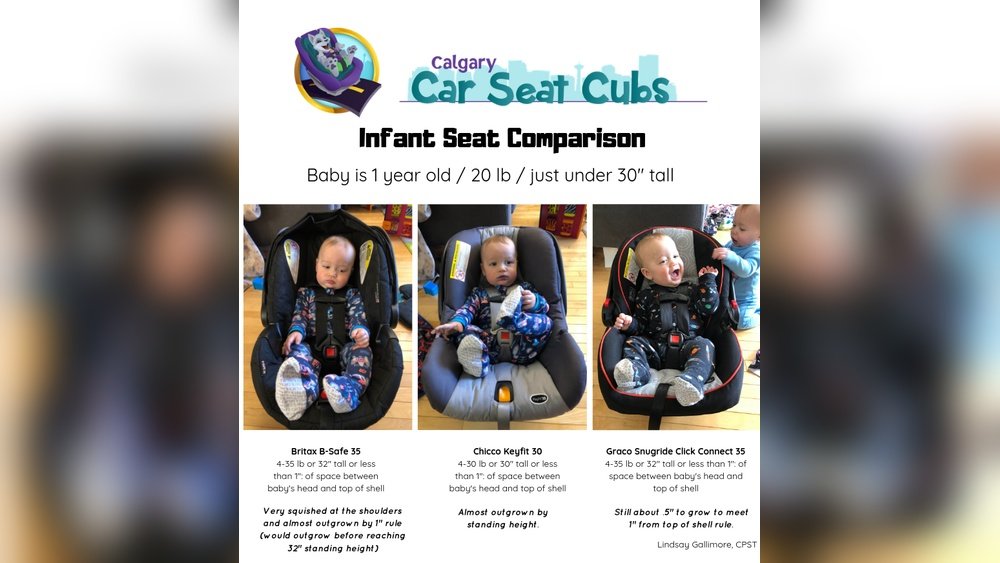
Each car seat has a weight limit. Babies can outgrow seats by weight before age. Rear-facing seats often hold children up to 40 pounds. Forward-facing seats may support kids up to 65 pounds. Exceeding weight limits means it’s time to change seats.
Height Restrictions
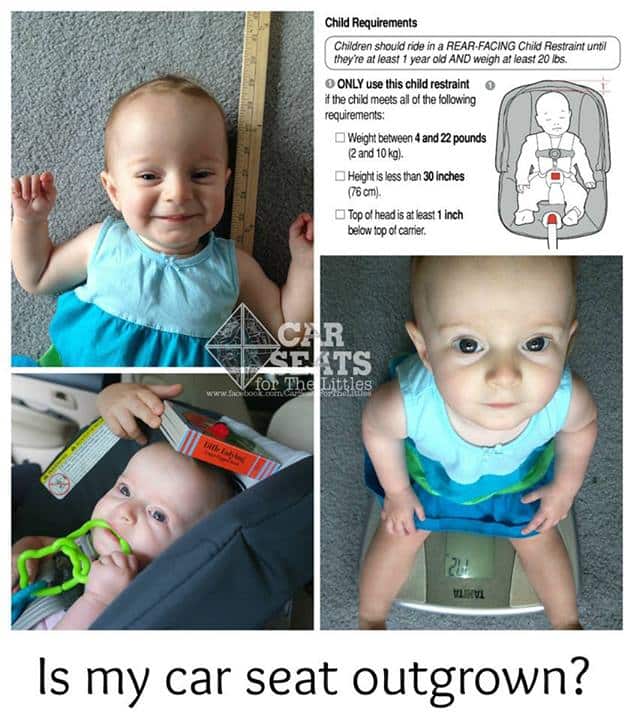
Height is as important as weight. Your child’s head should be below the top of the car seat. Most seats have a maximum height limit. When your baby’s head nears this limit, switching seats is safer. Always measure your child’s height regularly to track growth.
Physical Signs In Your Baby
Watching your baby grow fast is exciting. Their car seat must keep up with these changes. Physical signs in your baby tell you when it is time for a bigger seat. These signs help keep your child safe and comfy on every ride.
Head Position
Check your baby’s head while in the car seat. If it leans forward or sideways often, the seat may be too small. A properly sized seat supports the head well. The head should stay upright without slipping forward. This shows your baby fits comfortably.
Leg Room
Legs pressing hard against the seat or sides mean less space. Your baby needs room to move legs freely. Bent or cramped legs can cause discomfort on trips. A good car seat lets the legs stretch a bit. This helps avoid fussiness during drives.
Shoulder Fit
The harness straps should fit snugly at or above your baby’s shoulders. If straps lie below the shoulders, the seat may be too small. Straps that are too tight or digging into skin signal outgrowing. Proper shoulder fit keeps your baby safe and secure.
Safety Concerns
Safety is the top priority when using a car seat for your baby. As your child grows, the car seat must still fit properly to protect them in a crash. Watch for signs that the seat no longer fits well. Small changes can affect how safe your child is while traveling.
Harness Tightness
The harness should fit snugly without slack. Loose straps allow too much movement. Check that you cannot pinch any webbing at the shoulder. If the harness feels too tight or uncomfortable, your baby may have outgrown the seat.
Chest Clip Placement
The chest clip must sit at armpit level. Too low or too high reduces its effectiveness. If the clip slips off the chest or moves often, it may mean the car seat is too small or the harness is not adjusted correctly.
Seat Recline Angle
Keep the seat at the right recline for your baby’s age and size. A seat that is too upright or too flat can harm safety. Check the recline indicator regularly. If your baby’s head falls forward, the angle might need adjustment or the seat may be outgrown.
Types Of Car Seats
Car seats keep children safe in the car. Different types fit different ages and sizes. Knowing the types helps you spot if your baby has outgrown their seat.
Rear-facing Seats
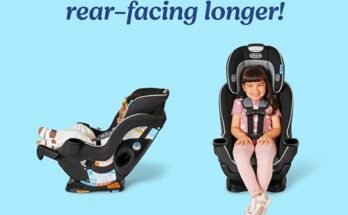
Rear-facing seats face the back of the car. They protect babies and toddlers best in crashes. Babies should stay rear-facing until at least age 2. Weight and height limits also matter for safety.
Forward-facing Seats
Forward-facing seats face the front of the car. Kids use them after outgrowing rear-facing seats. These seats have a harness to hold the child in place. Make sure the child fits the seat’s height and weight limits.
Booster Seats
Booster seats raise a child to fit the car’s seat belt. Kids use booster seats after forward-facing seats. Booster seats help position the seat belt correctly. Children should use a booster until the seat belt fits well without it.
Checking Car Seat Labels
Checking car seat labels is a key step to know if your baby has outgrown their car seat. These labels hold important information about weight, height limits, and safety standards. They help you make safe choices for your child’s travel.
Labels also show important dates and safety updates. Reading them carefully ensures the car seat is still good to use. This simple check protects your baby on every ride.
Manufacturer Instructions
Car seat labels include manufacturer instructions. These tell you the weight and height limits for the seat. Follow these guidelines to keep your baby safe. If your child is above the limits, it is time for a bigger seat.
Expiration Dates
Every car seat has an expiration date on its label. This date shows how long the seat stays safe to use. After this date, materials can weaken and safety may drop. Check this date before every ride to avoid risks.
Recall Information
Labels also provide recall information for the car seat. Recalls happen when safety issues are found. This info helps you know if your seat needs fixing or replacing. Always check for recalls to ensure your baby’s safety.

Tips For A Smooth Transition
Changing your baby’s car seat can be a big step. It needs care and patience. A smooth change helps your baby feel safe and calm. Here are some tips to make this change easier.
Gradual Adjustment
Start by letting your baby try the new seat for short times. Use it during calm drives first. Slowly increase the time as your baby gets used to it. This helps avoid sudden stress or fussiness.
Comfort Measures
Bring your baby’s favorite blanket or toy in the new seat. Keep the seat clean and soft. Check the temperature so your baby feels cozy. Small comforts make the new seat less strange.
Professional Assistance
Ask a car seat expert for help. They can check if the seat fits your baby right. Experts also show how to install it safely. This advice ensures your baby travels securely and comfortably.
Frequently Asked Questions
How Can I Tell If My Baby Outgrew Their Car Seat?
Check the height and weight limits on the car seat label. If your baby exceeds these limits, it’s time to upgrade. Also, if the harness no longer fits snugly, your baby has likely outgrown the seat.
When Should I Switch From Infant To Convertible Car Seat?
Switch when your baby exceeds the infant seat’s weight or height limits. Usually, this is around 1 year old or 22-35 pounds. Convertible seats accommodate bigger toddlers, offering more safety and comfort as your child grows.
What Are Signs My Baby Is Uncomfortable In The Car Seat?
Signs include fussiness, difficulty sitting properly, or the harness being too tight or loose. If your baby can’t sit with their back flat or head supported, it may indicate outgrowing the seat.
Is It Safe To Use A Car Seat Past Its Size Limit?
No, using a car seat beyond its size limits compromises safety. The harness and seat structure won’t protect your child properly. Always follow manufacturer guidelines for weight and height restrictions.
Conclusion
Knowing when your baby outgrows their car seat keeps them safe. Check the height and weight limits on the seat label. Watch your baby’s head and shoulders in relation to the seat. Straps should fit snugly without gaps or twists.
A seat that is too small or too big is unsafe. Replace the car seat as soon as your baby outgrows it. Safety comes first on every trip. Trust your instincts and stay informed. Your careful attention protects your child every mile.