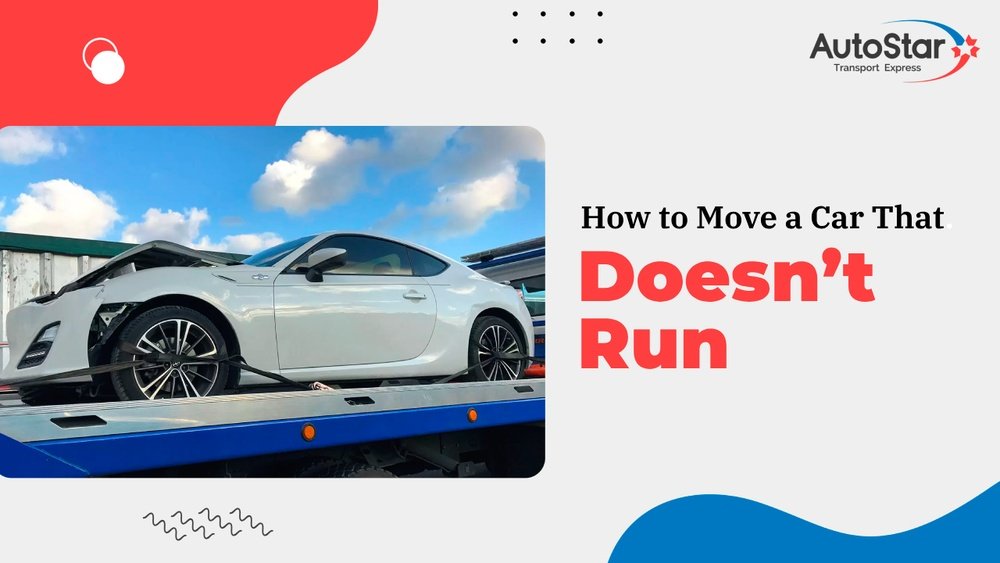
Have you ever faced the challenge of moving a car that won’t start? It can feel frustrating and even impossible at times.
But what if there was a simple tool that could make this task easier and safer for you? Car dollies are designed exactly for this purpose. You’ll discover how to use car dollies step-by-step to move your non-running vehicle without stress or damage.
Keep reading, and you’ll learn the insider tips that save time, effort, and money when handling a stuck car.
Choosing The Right Car Dolly
Choosing the right car dolly is key to moving a non-running vehicle safely. It helps prevent damage and makes the job easier. Picking the right type and size matters a lot. You need to know about the dolly’s weight limits and whether it fits your vehicle. This guide will help you find the perfect dolly for your needs.
Types Of Car Dollies
Car dollies come in several types. Two-wheel dollies lift only one axle of the car. They work best for light vehicles with two-wheel drive. Four-wheel dollies lift the entire car off the ground. These are ideal for heavier cars or all-wheel drive models. Some dollies have built-in ramps for easy loading. Choose the type that matches your vehicle and moving method.
Weight Capacity Considerations
Each car dolly has a weight limit. You must check your vehicle’s weight before buying. The dolly’s capacity should exceed your car’s weight. This avoids accidents or damage during transport. Always allow extra weight for safety. Overloading a dolly can cause bending or breaking. Use a scale or find your car’s weight in the manual.
Compatibility With Vehicle Size
Car dollies come in different sizes. Make sure the dolly fits your vehicle’s width and length. Small cars need smaller dollies, large trucks need bigger ones. The wheelbase and tire size also matter. A poor fit can cause instability or slipping. Check the dolly’s dimensions and compare them with your vehicle. Proper fit ensures smooth and safe movement.

Preparing The Vehicle
Preparing a non-running vehicle for moving with car dollies is important. It helps make the process safe and smooth. Taking the right steps before using dollies avoids damage. It also protects the vehicle and people around.
Securing The Steering
Lock the steering wheel to keep it from turning. This stops the wheels from moving side to side. Use a steering wheel lock or tie the wheel firmly. It makes controlling the vehicle easier during transport.
Checking Tire Condition
Inspect the tires for damage or low air pressure. Soft or broken tires can cause problems on dollies. Inflate all tires to the recommended pressure. Replace any tires that look worn or cracked.
Disengaging The Parking Brake
Make sure the parking brake is off before loading the vehicle. A locked brake can hold the wheels and cause damage. If the brake is stuck, try releasing it gently. Use tools if needed to avoid forcing the vehicle.
Setting Up The Dolly
Setting up the dolly is the first step in moving a non-running vehicle safely. This process ensures the vehicle is secure and ready for transport. Taking time to set up correctly prevents damage and accidents. Each part of the setup plays a key role in a smooth move.
Positioning The Dolly Correctly
Place the dolly under the vehicle’s wheel that needs support. Align it so the wheel sits squarely on the dolly platform. Make sure the dolly is centered to balance the vehicle weight. Positioning the dolly too far forward or back can cause instability. Check the ground is flat and firm under the dolly.
Adjusting Straps And Supports
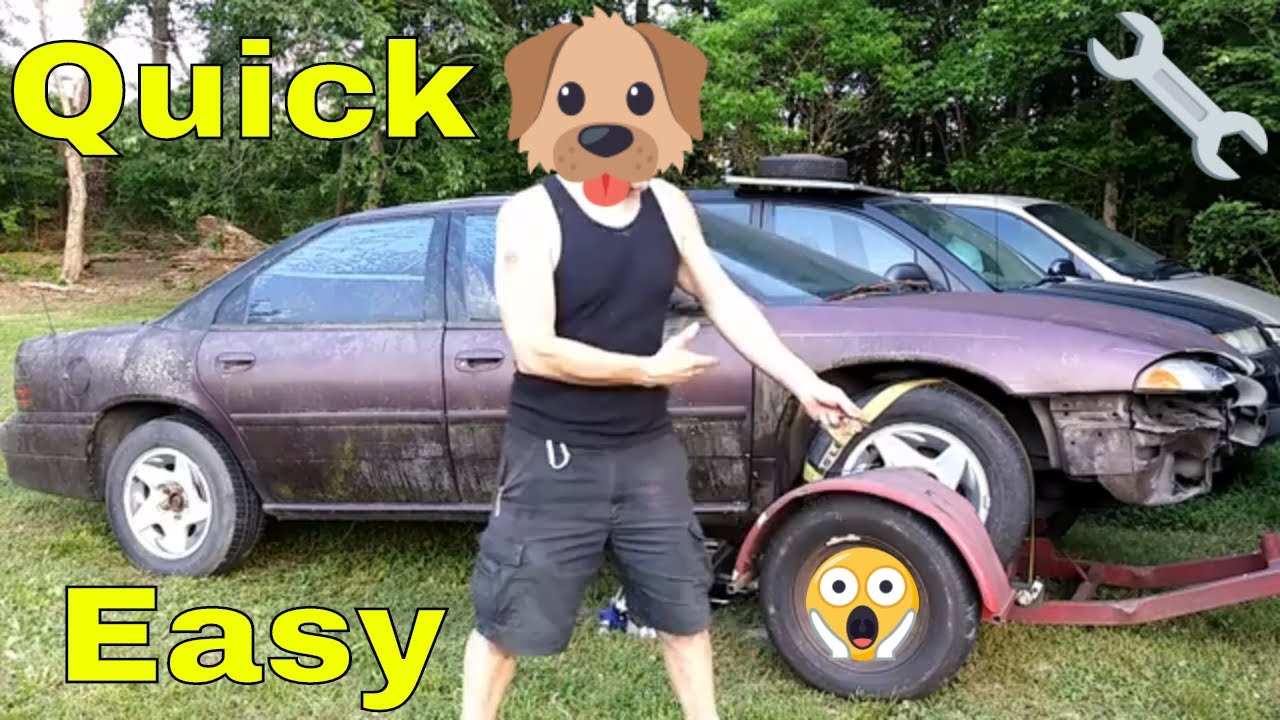
Use the straps to secure the wheel tightly to the dolly. Wrap the straps over the tire and tighten them firmly. Avoid loose straps that let the wheel move during transport. Adjust the supports to hold the wheel in place from the sides. Proper strap and support adjustment stops unwanted shifts.
Ensuring Stability
Test the dolly and vehicle for any wobbles or loose parts. Push lightly on the vehicle to confirm it stays steady. Double-check all straps and supports for tightness. Make sure the dolly’s wheels are locked or stable. Stability is crucial for safe towing and preventing accidents.
Loading The Vehicle Onto The Dolly
Loading a non-running vehicle onto a car dolly requires care and precision. This step is critical for safe transport. Proper loading prevents damage and ensures the vehicle stays secure during the move. Follow each step closely to avoid accidents and protect your vehicle.
Aligning The Vehicle
Start by positioning the dolly on a flat surface. Line up the vehicle’s front wheels with the dolly’s platform. Use a spotter if possible to guide the alignment. Keep the vehicle straight to avoid slipping off the dolly. Slow and steady is the key.
Using Ramps Safely
Place ramps securely at the dolly’s edge. Check that the ramps do not move or shift. Drive or push the vehicle up the ramps slowly. Use the lowest gear if the vehicle can roll. Stop immediately if the vehicle wobbles or slips.
Securing The Vehicle
Once on the dolly, fasten the vehicle firmly. Use strong straps or chains to tie down the wheels. Tighten the straps evenly on both sides. Double-check that the vehicle does not move. Proper securing prevents damage during transport.
Towing With Car Dollies
Towing a non-running vehicle requires the right tools and careful steps. Car dollies help you move cars safely without damage. These small platforms lift the front or rear wheels off the ground. This makes towing easier and protects the vehicle’s transmission and tires. Understanding how to use car dollies correctly is key for smooth transport.
Connecting The Dolly To The Towing Vehicle
Start by aligning the towing vehicle with the car dolly. Attach the dolly’s hitch securely to the towing vehicle’s tow ball. Check the hitch lock to ensure it is tight. Connect safety chains from the dolly to the tow vehicle. These chains prevent separation during towing. Finally, attach the electrical plug for brake lights and signals.
Driving Tips For Towing
Drive slowly and smoothly to avoid jolts. Make wider turns than usual to prevent the dolly from hitting curbs. Keep extra distance between your vehicle and others. This gives more time to stop safely. Avoid sudden stops and sharp steering. Regularly check the dolly and connections during the trip.
Safety Precautions On The Road
Use mirrors to monitor the towed car and dolly. Do not overload the dolly beyond its weight limit. Follow speed limits for towing vehicles. Stop frequently to inspect tire pressure and hitch tightness. Ensure the towed vehicle’s wheels are securely strapped to the dolly. Always signal well before turning or stopping.
Maintaining Car Dollies
Maintaining car dollies is essential for safe and smooth vehicle moving. Proper care extends the life of the dollies. It also prevents accidents during use.
Regular checks and cleaning keep the dollies in good shape. This saves time and money in the long run. Here are simple steps to maintain your car dollies.
Regular Inspection
Check the wheels for cracks or wear. Look for loose bolts or missing parts. Test the dollies for smooth rolling. Inspect the frame for rust or damage. Fix small problems before they get worse.
Lubrication And Cleaning
Keep the wheels and moving parts well-oiled. Use a light machine oil or grease. Clean dirt and debris after each use. Wipe down the metal parts to stop rust. Clean dollies work better and last longer.
Storage Tips
Store dollies in a dry, covered place. Avoid leaving them outside in rain or snow. Keep them on a flat surface to prevent warping. Stack carefully if storing multiple dollies. Proper storage protects your investment.
Common Mistakes To Avoid
Using car dollies to move a non-running vehicle can be tricky. Many people make simple mistakes that cause damage or accidents. Knowing what to avoid helps keep your move safe and smooth. Below are common errors to watch out for during the process.
Overloading The Dolly
Car dollies have weight limits. Putting too much weight on them can break the frame or wheels. It makes steering hard and unsafe. Check the dolly’s weight rating before loading your vehicle. Never try to move a car heavier than the dolly’s limit.
Improper Securing Of Vehicle
Securing the vehicle tightly is crucial. Loose straps let the car shift or fall off. Use strong tie-downs on all sides. Double-check that straps are tight and not worn out. Safety chains add extra protection. Never skip this step.
Ignoring Dolly Maintenance
Regular dolly checks prevent breakdowns. Look for flat tires, loose bolts, and rust. Grease the wheels and moving parts often. Fix problems before loading your vehicle. A well-maintained dolly works better and lasts longer.

Frequently Asked Questions
What Are Car Dollies Used For In Vehicle Moving?
Car dollies help move non-running or immobile vehicles easily. They support the car’s weight and allow smooth towing without damage. Dollies are ideal for short moves or transporting cars without driving them.
How Do I Position A Car On A Dolly Safely?
Align the vehicle wheels onto the dolly ramps carefully. Secure the car using straps or chains to prevent slipping. Ensure the dolly is on a flat surface before loading the vehicle.
Can Car Dollies Handle All Types Of Vehicles?
Car dollies work best with standard cars and light trucks. Heavy vehicles or oversized cars might need specialized equipment. Always check the dolly’s weight capacity before use to avoid accidents.
Are Car Dollies Suitable For Long-distance Towing?
Car dollies are generally designed for short to medium distances. For long distances, flatbed trailers are safer and more stable. Using dollies long-term may cause wear on the towed vehicle’s tires.
Conclusion
Using car dollies makes moving a non-running vehicle easier and safer. Secure the vehicle firmly on the dolly before moving. Check the dolly’s condition to avoid accidents. Drive slowly and carefully to control the load. Car dollies save time and effort during transport.
They protect both your vehicle and the road. Always follow safety steps for the best results. This simple tool helps you move cars without engine power. Keep these tips in mind for smooth, stress-free vehicle moves.


