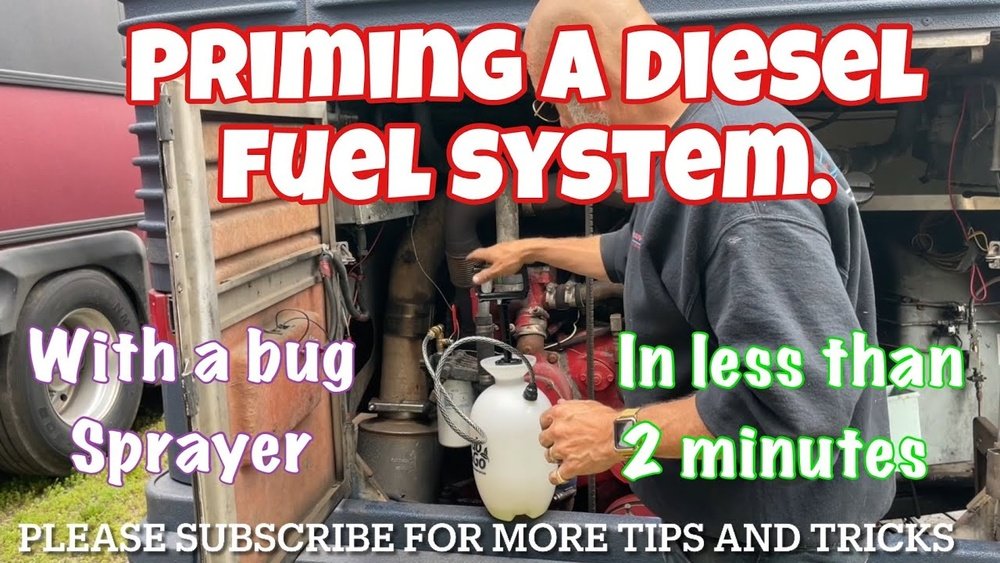
If you own a diesel engine, knowing how to prime it can save you from costly repairs and frustrating delays. But what does priming really mean, and why is it so important for your engine’s health?
You might think it’s a complicated process, but it’s actually something you can learn quickly. You’ll discover simple, step-by-step methods to prime your diesel engine the right way. By the end, you’ll feel confident and ready to keep your engine running smoothly, no matter the situation.
Keep reading to unlock the secrets that every diesel engine owner should know.
Why Prime A Diesel Engine
Priming a diesel engine is an important step before starting it. Diesel engines need fuel to flow smoothly through the system. Without priming, air blocks can stop the engine from running. Priming helps remove air and fills the fuel lines with diesel. This process ensures the engine starts quickly and runs well.
Role Of Fuel In Diesel Engines
Fuel is the heart of a diesel engine. It powers the engine by burning inside the cylinders. Diesel fuel must reach the engine without any air bubbles. Air in the fuel line can cause the engine to stall or not start at all. Proper fuel flow keeps the engine strong and reliable. Diesel engines rely on steady fuel pressure to function properly.
Common Causes For Engine Priming
Air can enter the fuel system in many ways. Changing the fuel filter often lets air inside. Running out of fuel also causes air to enter the lines. Leaks in the fuel system allow air to get in. Cold weather can make diesel fuel thicker, slowing flow. Priming helps fix these problems by pushing air out. This keeps the engine ready to start without trouble.
Tools Needed For Priming
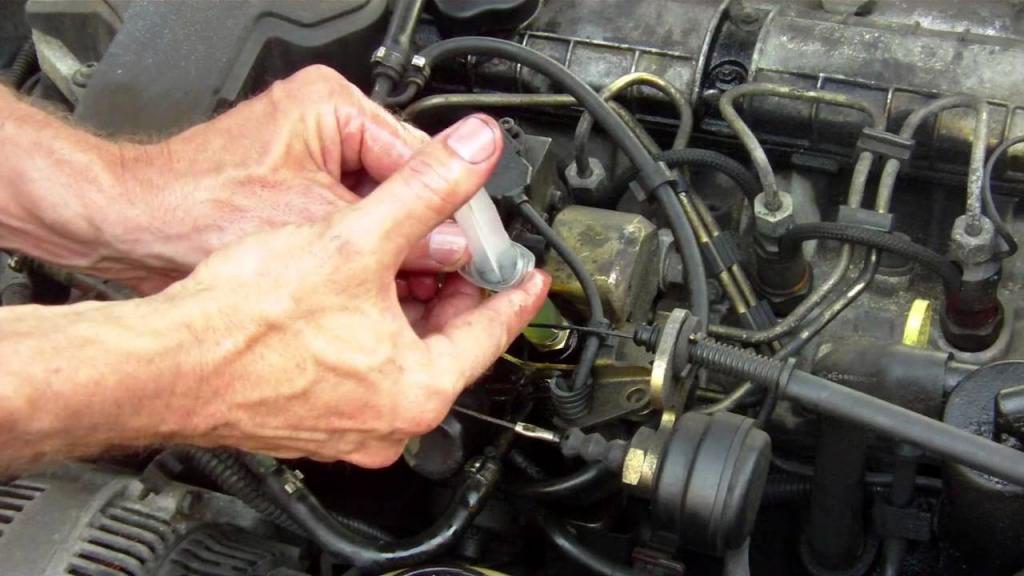
Priming a diesel engine requires a few basic tools. These tools help remove air from the fuel system. Air in the fuel lines can stop the engine from starting. Using the right tools makes the process easier and faster.
Hand Pump Or Primer Bulb
A hand pump or primer bulb is one of the most important tools. It helps push fuel through the lines. This tool removes air pockets in the system. It is easy to use and works well for most diesel engines. You squeeze or pump it to move fuel. This tool often fits directly on the fuel line.
Wrenches And Screwdrivers
Wrenches and screwdrivers help open fuel line connections. Sometimes you need to loosen bolts or screws to prime the engine. These tools let you access fuel filters and bleed screws. Using the right size wrench or screwdriver avoids damage. They help control the flow of fuel during priming. Keep these tools handy for quick adjustments.
Step-by-step Priming Process
Priming a diesel engine prepares it to start smoothly. This process removes air from the fuel system. Air can cause the engine not to start or run poorly. Follow these simple steps to prime your diesel engine properly. Each step ensures the fuel flows without interruption.
Locate The Primer Valve
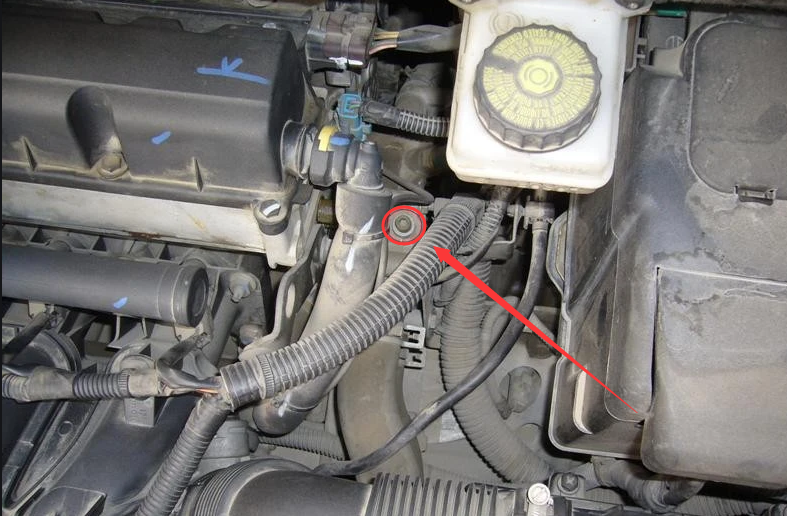
Find the primer valve near the fuel filter or fuel pump. It often looks like a small knob or lever. Check your engine manual if unsure. The primer valve allows fuel to flow and air to escape.
Remove Air From Fuel Lines
Open the primer valve slowly. This releases trapped air from the fuel lines. Watch for air bubbles or sputtering fuel. Close the valve once fuel flows steadily without bubbles.
Using The Primer Pump
Some engines have a manual primer pump. Press or pump it several times to push fuel. This action forces air out of the fuel system. Pump until you feel resistance, which means no more air.
Check For Leaks And Air Bubbles
Inspect all fuel line connections after priming. Look for any fuel leaks or air bubbles. Tighten loose fittings or replace damaged parts. Clear fuel lines ensure the engine runs without trouble.
Tips For Quick And Safe Start
Starting a diesel engine quickly and safely depends on a few simple steps. Proper priming helps avoid damage and ensures the engine runs smoothly. Follow these tips to save time and protect your engine.
Ensure Proper Fuel Quality
Use clean diesel fuel to avoid clogging the fuel system. Contaminated fuel can cause hard starts or damage. Always check the fuel for water or dirt before use. Good fuel quality supports fast and safe engine starts.
Avoid Over-priming
Priming too much can flood the engine and cause problems. Pump the primer only until fuel reaches the injector pump. Stop once you see fuel in the clear line or primer bulb. This prevents air from entering and keeps the engine safe.
Regular Maintenance Checks
Check fuel filters and lines regularly for wear or leaks. Replace parts before they cause starting issues. Keep the battery charged and clean for reliable power. Proper maintenance reduces the risk of failures and makes starting easier.
Troubleshooting Priming Issues
Troubleshooting priming issues is important to get your diesel engine running. Problems during priming can stop the engine from starting. Understanding common causes helps fix the issue fast. This section covers key problems and solutions to check.
Engine Still Won’t Start
Sometimes the engine does not start after priming. This could mean air is trapped in the fuel system. Air blocks fuel flow and stops ignition. Try bleeding the fuel lines to remove air. Repeat priming until fuel flows smoothly. Also, check the battery and starter for power issues.
Fuel System Blockages
Blockages in the fuel system can cause priming problems. Dirt or debris may clog fuel filters and lines. Clean or replace the fuel filter regularly. Inspect fuel lines for cracks or bends that block flow. Clear any visible dirt around the fuel cap and injectors. A clean system ensures smooth fuel delivery.
Damaged Primer Components
Damaged primer parts can stop the system from working. Check the primer pump for cracks or leaks. Ensure the primer bulb is not hardened or broken. Replace worn seals and hoses to prevent air leaks. Properly working components keep fuel moving during priming. Regular checks avoid unexpected failures.
Frequently Asked Questions
What Is The Purpose Of Priming A Diesel Engine?
Priming removes air from the fuel system. It ensures smooth fuel flow and prevents engine damage. Proper priming helps start the engine efficiently.
How Do You Manually Prime A Diesel Engine?
Use the hand primer pump or lever near the fuel filter. Pump until fuel flows without air bubbles. This clears air and prepares the engine to start.
How Long Does It Take To Prime A Diesel Engine?
Priming typically takes 1-3 minutes. Duration depends on engine size and air in the fuel lines. Stop once fuel flows steadily without air gaps.
Can I Prime A Diesel Engine Without Tools?
Yes, some engines allow priming by cranking the engine key. This moves fuel and air through the system. However, using a primer pump is more effective.
Conclusion
Priming a diesel engine keeps it running smoothly and starts it quickly. Always remove air from the fuel system to avoid problems. Use the right tools and follow the steps carefully. Regular checks help prevent engine damage and save money.
Keep your diesel engine well-primed for better performance and longer life. Simple care makes a big difference in engine health. Trust the process and take your time. Your engine will thank you with reliable starts every time.


