Have you ever wondered what keeps your engine running smoothly every time you start your car? The secret lies in a small but powerful component: the engine oil filter.
This tiny device plays a huge role in protecting your engine from damage and ensuring your vehicle performs at its best. If you want to understand how your engine stays clean and healthy, keep reading. By the end of this article, you’ll know exactly how the engine oil filter works—and why it’s so important for your car’s life and your peace of mind.
Role Of Engine Oil Filter
The engine oil filter plays a vital role in keeping an engine clean and running smoothly. It stops dirt and debris from damaging engine parts. This helps the engine last longer and work better. Without a good oil filter, the engine oil would get dirty fast. Dirty oil can cause serious engine problems.
The oil filter works by trapping harmful particles while letting clean oil flow through. It is an important part of engine maintenance. Understanding its role helps you care for your vehicle properly.
Purpose In Engine Maintenance
The oil filter removes dirt and particles from the engine oil. This protects engine parts from wear and tear. Clean oil helps the engine run smoothly and reduces friction. The filter also helps keep oil flowing freely. This ensures the engine stays cool and performs well. Changing the oil filter regularly is key to good engine health.
Types Of Contaminants Removed
The oil filter catches many types of contaminants. Dirt, metal shavings, and carbon deposits are common. These come from engine wear and outside dust. The filter also traps sludge and other sticky substances. Removing these keeps the oil clean and the engine safe. A clean filter means better engine protection and longer life.

Components Of An Oil Filter
An oil filter has several key parts that work together to keep engine oil clean. These components trap dirt and protect the engine. Each part has a special job in filtering oil.
Filter Media
The filter media is the main part that catches dirt and debris. It is made of paper, synthetic fibers, or a mix of both. Oil passes through the filter media, which traps harmful particles. Clean oil then flows back to the engine. The media must be strong and fine to catch tiny dirt.
Bypass Valve
The bypass valve opens when the filter is clogged or oil is thick. It lets oil flow around the filter to avoid engine damage. Without this valve, the engine could starve for oil. It acts as a safety feature to keep oil moving.
Anti-drain Back Valve
This valve stops oil from draining out of the filter when the engine is off. It keeps the filter filled with oil for quick engine start. The valve is usually made of rubber and closes tightly. It prevents dry starts that can wear the engine.
Filtration Process Explained
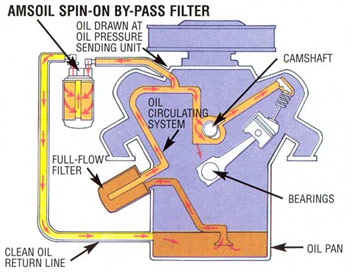
Understanding how an engine oil filter works helps you care for your car’s engine. The filtration process removes dirt and metal bits from the oil. Clean oil keeps the engine parts running smoothly and prevents damage. The filter works in two main steps: guiding the oil through a path and trapping harmful particles.
Oil Flow Path
Oil enters the filter through small holes around the outer edge. It moves through a special paper or synthetic material inside the filter. This material is like a net that catches dirt. After passing through the filter, clean oil flows out the center hole. This path ensures only filtered oil reaches the engine.
Particle Trapping Mechanism
The filter material has tiny fibers packed tightly together. These fibers catch particles like dust, metal shavings, and sludge. The fibers hold particles inside the filter while letting oil pass. Some filters use multiple layers to trap even smaller dirt bits. This stops harmful debris from circulating in the engine oil.
Signs Of A Failing Oil Filter
The oil filter plays a key role in keeping the engine clean. It removes dirt and metal particles from the oil. A failing oil filter can cause serious problems. Knowing the signs helps avoid engine damage. Here are common signs that your oil filter may be failing.
Engine Performance Issues
A clogged oil filter limits oil flow to the engine. This causes the engine to run rough or stall. You may notice a drop in power or slower acceleration. Strange noises like knocking can also appear. These issues happen because the engine parts do not get enough clean oil.
Oil Pressure Changes
A bad oil filter can cause oil pressure to rise or fall. Low oil pressure warning lights may turn on. High oil pressure can damage seals and gaskets. Watch for sudden changes in the oil pressure gauge. These changes often mean the oil filter is blocked or leaking.
Choosing The Right Oil Filter
Choosing the right oil filter plays a big role in keeping your engine healthy. The filter cleans the oil by trapping dirt and metal bits. This keeps the oil clean and protects the engine parts from wear. Picking the correct filter means your engine gets the best care.
Not all oil filters fit every engine. Each engine needs a filter that matches its size and type. Using the wrong filter can cause leaks or poor filtration. Always check your engine’s manual for the right filter model. This simple step saves time and money on repairs.
Compatibility With Engine
Every engine has specific needs for oil flow and pressure. The oil filter must work well with these needs. Filters come in different sizes and designs for various engines. A compatible filter fits tightly and allows oil to pass smoothly. Poor fit can cause oil leaks or damage. Check the filter’s specifications against your engine’s requirements. This ensures safe and efficient engine operation.
Filter Quality And Ratings
Not all filters offer the same protection. High-quality filters use better materials and technology. They trap smaller dirt particles and last longer. Look for filters with good ratings and certifications. These show the filter meets industry standards. A quality filter helps the engine run clean and smooth. Avoid cheap filters that may fail early or harm the engine.
Maintenance Tips For Engine Health
Proper maintenance helps keep your engine running smoothly. It protects vital parts from wear and damage. Engine oil filters play a key role in this process. They trap dirt and debris, preventing engine harm. Following simple tips can extend your engine’s life and improve performance.
Regular Oil And Filter Changes
Change your engine oil and filter on time. Old oil loses its ability to protect. Dirty filters block oil flow, causing engine strain. Follow the schedule in your vehicle’s manual. Fresh oil and a clean filter keep the engine parts well-lubricated and clean.
Monitoring Oil Condition
Check your oil’s color and level often. Dark or gritty oil means it needs changing. Low oil levels can cause overheating and damage. Use the dipstick to check oil regularly. Good oil condition ensures the filter works effectively and the engine stays healthy.
Impact On Engine Longevity
The engine oil filter plays a vital role in keeping an engine healthy. It removes dirt and metal particles from the oil. Clean oil means the engine parts move smoothly. This helps the engine last longer and perform better.
Preventing Wear And Tear
The oil filter catches harmful debris before it reaches engine parts. These particles can cause scratches and damage. Clean oil reduces friction between moving parts. This prevents early wear and tear. It keeps the engine running quietly and smoothly.
Enhancing Efficiency
Filtered oil flows easily through the engine. This helps the engine use less fuel. A clean engine works without extra strain. It burns fuel more completely. This improves overall engine efficiency and power. The oil filter supports this by keeping the oil pure.

Frequently Asked Questions
What Is The Main Function Of An Engine Oil Filter?
The engine oil filter removes dirt, metal particles, and contaminants from the engine oil. It keeps the oil clean and protects engine parts from wear and damage, ensuring smooth engine performance and longevity.
How Often Should I Replace My Engine Oil Filter?
Typically, replace the engine oil filter every oil change, usually every 3,000 to 7,500 miles. Follow your vehicle manufacturer’s recommendations for optimal engine health and filter efficiency.
Can A Clogged Oil Filter Damage The Engine?
Yes, a clogged oil filter restricts oil flow, causing insufficient lubrication. This leads to increased friction, overheating, and potential severe engine damage or failure.
How Does A Bypass Valve Work In Oil Filters?
A bypass valve allows oil to flow when the filter is clogged or oil is cold. It prevents oil starvation by ensuring continuous lubrication, protecting the engine during extreme conditions.
Conclusion
An engine oil filter keeps your engine clean and running well. It traps dirt and tiny particles before oil moves through the engine. Clean oil means less wear and longer engine life. Changing the oil filter regularly helps your car stay healthy.
A small part, but it plays a big role. Understanding this helps you care better for your vehicle. Keep the filter clean, and the engine will thank you. Simple steps make a strong difference in engine performance.


