If you’re a new parent, you probably wonder, “How long can my newborn safely stay in a car seat?” You want to keep your baby comfortable and secure during every trip, but you also worry about their health and safety. Knowing the right answer can protect your little one from risks you might not even realize.
Keep reading to discover expert advice and simple tips that will help you make the best decisions for your baby’s well-being every time you hit the road.
Safe Duration Limits
Newborns need special care in car seats. The time they spend in the seat matters a lot. Too long in a car seat can cause problems. Parents and caregivers should know the safe duration limits. This helps protect the baby’s health and comfort.
Recommended Maximum Time
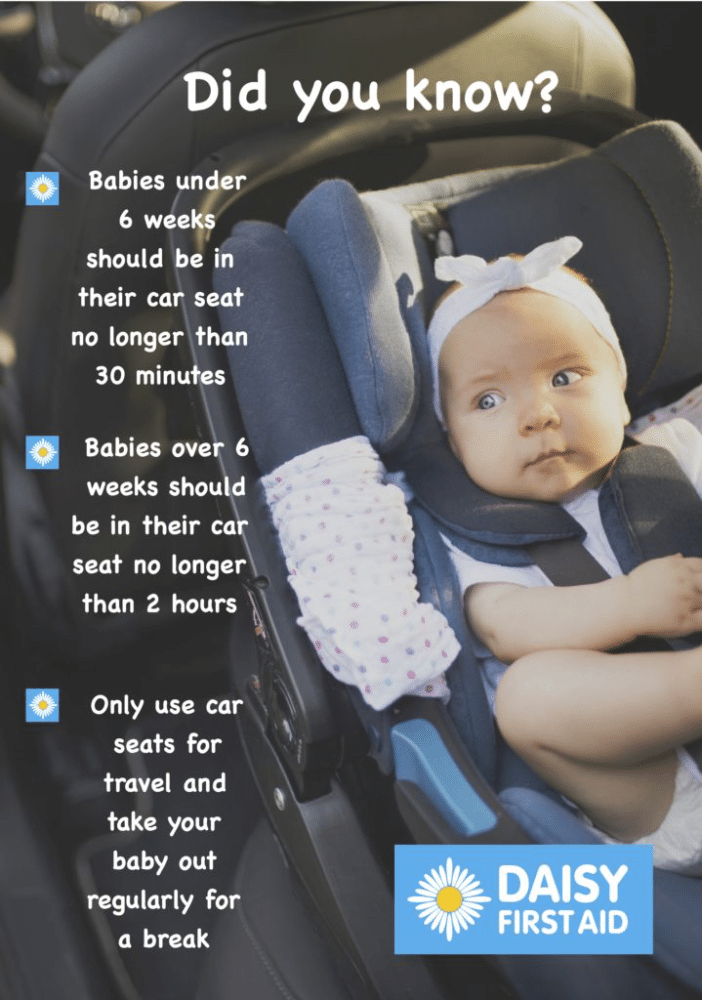
Experts suggest a newborn should not stay in a car seat for more than two hours at a time. This limit helps avoid stress on the baby’s body. If the baby needs to travel longer, take breaks often. Remove the baby from the seat during stops. Let the baby stretch and move freely.
Risks Of Prolonged Use
Keeping a newborn in a car seat too long can cause breathing problems. The baby’s head might fall forward, blocking airways. This position can reduce oxygen flow. It also increases the risk of flat head syndrome. The baby’s muscles and bones can get strained. Discomfort and stress may make the baby cry more. Avoid long, continuous use to keep your newborn safe and happy.
Signs Of Discomfort
Newborns cannot tell us when they feel uncomfortable in a car seat. Parents must watch carefully for signs. These signs help decide when it is time to take the baby out. Understanding discomfort helps keep the baby safe and happy during travel.
Physical Indicators
Watch for red marks on the baby’s skin. These marks show pressure from straps or the seat. The baby may also sweat more than usual. Look for rapid breathing or changes in skin color. Pale or blue lips mean the baby needs immediate attention. Stiff or tense muscles are a clear sign of discomfort.
Behavioral Clues
Crying is the most common sign of discomfort. Listen for loud or continuous crying that does not stop. Fidgeting and squirming show the baby wants to move. Yawning or looking sleepy too soon can indicate stress. Babies might pull at straps or try to arch their back. These actions suggest the baby needs a break from the seat.
Choosing The Right Car Seat
Choosing the right car seat for your newborn is very important. It keeps your baby safe and comfortable during every trip. The right seat fits your baby’s size and grows with them. It also fits well inside your car. Let’s explore two main types of car seats and how to make sure they fit and install properly.
Infant Vs Convertible Seats
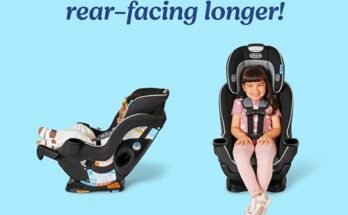
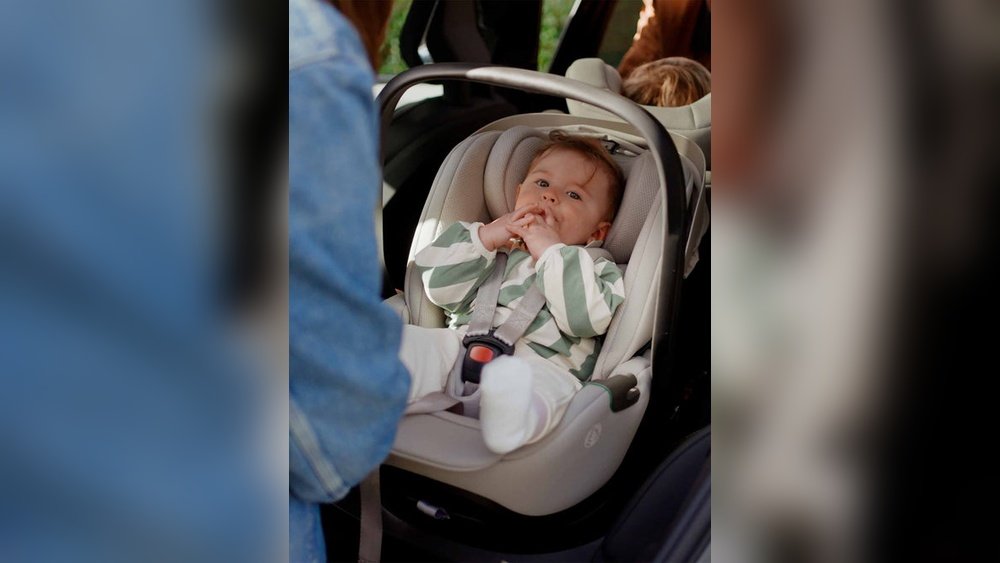
Infant seats are made only for newborns and small babies. They face the back of the car. These seats are light and easy to carry. You can take your baby out without waking them.
Convertible seats can be used for a longer time. They start as rear-facing for babies and switch to forward-facing for toddlers. These seats are heavier but save money over time. Choose the seat that fits your needs and your baby’s size.
Proper Fit And Installation
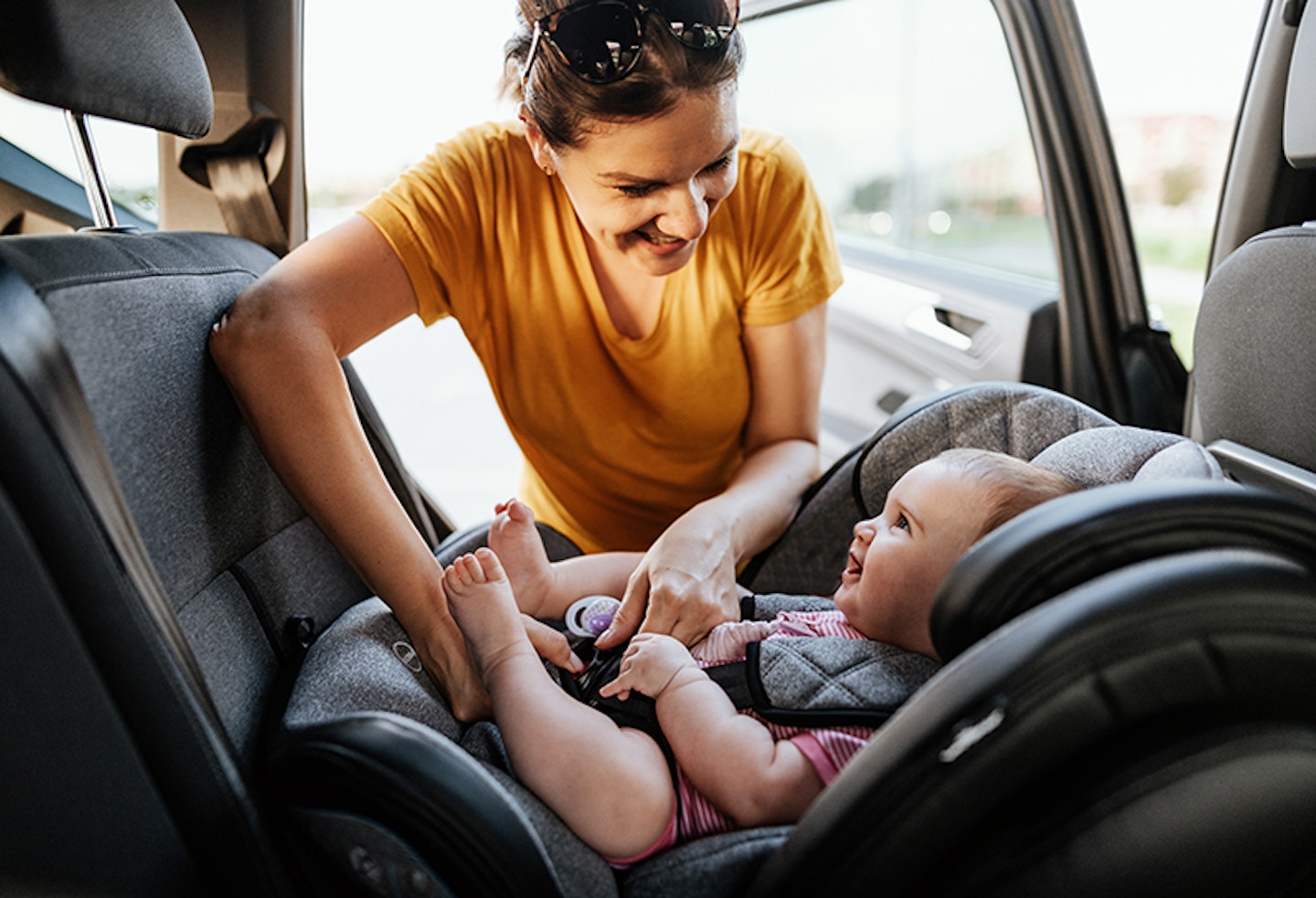
Make sure the car seat fits your baby snugly. The straps should hold your baby tight but not too tight. The seat should not move more than one inch side to side or front to back.
Follow the car seat manual and your car’s instructions carefully. Use the seat belt or LATCH system to install the seat. Double-check every step. A poorly installed seat can be unsafe.

Frequent Breaks And Monitoring
Newborns need careful attention when in car seats. Long periods in a car seat can harm their comfort and safety. Taking frequent breaks helps prevent issues like breathing problems or muscle stiffness. Parents and caregivers must watch the baby closely during travel. Monitoring ensures the baby stays safe and comfortable on every trip.
When To Stop And Check
Stop the car every 30 to 45 minutes. Check the baby’s position and comfort. Look for signs of distress or discomfort. Make sure the baby’s head is not slumped forward. Adjust the straps if they feel too tight or loose. Give the baby a chance to stretch outside the car seat.
Safe Alternatives During Travel
Use a stroller or baby carrier for breaks. These options allow the baby to move freely. Holding the baby upright can help with breathing. Avoid leaving the baby in the car seat for long periods when not traveling. Create a safe space outside the car for rest. This keeps the baby comfortable and reduces risks.
Positioning And Support
Proper positioning and support are key for newborn safety in a car seat. Newborns need to lie at the right angle to keep their airways open. Poor positioning can cause breathing problems or discomfort.
Good support helps protect a baby’s head and neck during travel. Newborn muscles are weak and cannot hold the head steady. Correct support reduces the risk of injury and keeps the baby comfortable.
Optimal Recline Angle
The car seat should recline between 30 and 45 degrees. This angle prevents the baby’s head from falling forward. Too upright can cause breathing trouble. Too flat increases risk during a crash. Check your car seat manual for exact settings. Always use the base or recline adjuster if available.
Using Head And Neck Support
Newborns need extra head and neck support in car seats. Use padded inserts made for your car seat model. Avoid loose blankets or toys. Support keeps the head from slumping to the side. It also reduces strain on the neck muscles during travel. Make sure supports do not change the recline angle.
Common Mistakes To Avoid
Using a car seat correctly is crucial for a newborn’s safety. Many parents make common mistakes that can put their baby at risk. Knowing what to avoid helps keep your little one safe during every trip.
Incorrect Harnessing
The harness must fit snugly against your baby’s body. Loose straps can cause injury during sudden stops. The chest clip should be at armpit level, not too high or low. Always check for twists or slack in the straps. Proper harnessing keeps your newborn secure in the car seat.
Leaving Unattended
Never leave a newborn alone in a car seat. Babies can slip into unsafe positions or have trouble breathing. Even short moments unattended can be dangerous. Always stay with your child when they are in the car seat. Safety means constant supervision, not just proper installation.
Emergency Situations
Emergency situations with newborns in car seats require quick and careful attention. Newborns cannot tell you if they feel uncomfortable or unwell. Parents must watch closely for any signs of distress. Knowing how to respond can protect your baby’s health and safety.
Responding To Distress
If your baby shows signs of distress, stop the car as soon as it is safe. Signs include continuous crying, difficulty breathing, or unusual skin color. Gently remove the baby from the car seat to check their condition. Make sure the baby’s airway is clear and they can breathe easily. Keep the baby calm and still while you assess the situation. Do not leave your newborn unattended in the car seat during emergencies.
When To Seek Medical Help
Call for medical help immediately if the baby has trouble breathing. Also seek help if the baby becomes limp or unresponsive. Any signs of chest retractions or blue lips need urgent care. Trust your instincts if something seems wrong. Early medical attention can prevent serious problems. Always have emergency numbers saved and ready in your phone.
Frequently Asked Questions
How Long Is Safe For A Newborn In A Car Seat?
Newborns should not stay in a car seat for more than 2 hours at a time. Prolonged sitting can cause breathing issues and discomfort. Always take breaks during long trips to remove your baby from the seat and allow movement.
Why Limit Newborn Car Seat Time To 2 Hours?
Newborns have fragile airways and limited muscle control. Sitting too long in a car seat can restrict their breathing. Limiting seat time to 2 hours helps reduce risks of oxygen deprivation and promotes healthy development.
Can Newborns Sleep Safely In Car Seats?
Occasional naps in car seats during travel are okay. However, prolonged sleep in a car seat is not recommended due to the risk of airway restriction. Always monitor your baby and avoid extended periods in this position.
What Are Alternatives To Car Seats For Newborn Rest?
For safe rest, use a flat, firm sleep surface like a crib or bassinet. These options support healthy breathing and reduce risks associated with car seats. Only use car seats for travel or short periods under supervision.
Conclusion
Newborns should not stay in a car seat for too long. Experts say no more than two hours at a time. Long periods can cause breathing problems or discomfort. Always take breaks during long trips to remove your baby safely.
Use the car seat only for travel, not as a sleeping place. Keep your baby’s safety and comfort as top priorities. Remember, short rides and frequent stops help protect your newborn. Stay alert and follow safety rules for the best care.