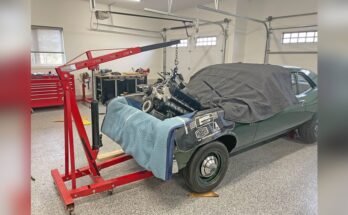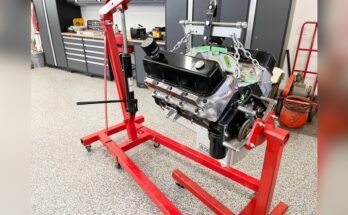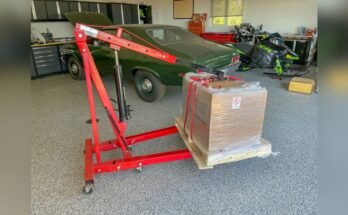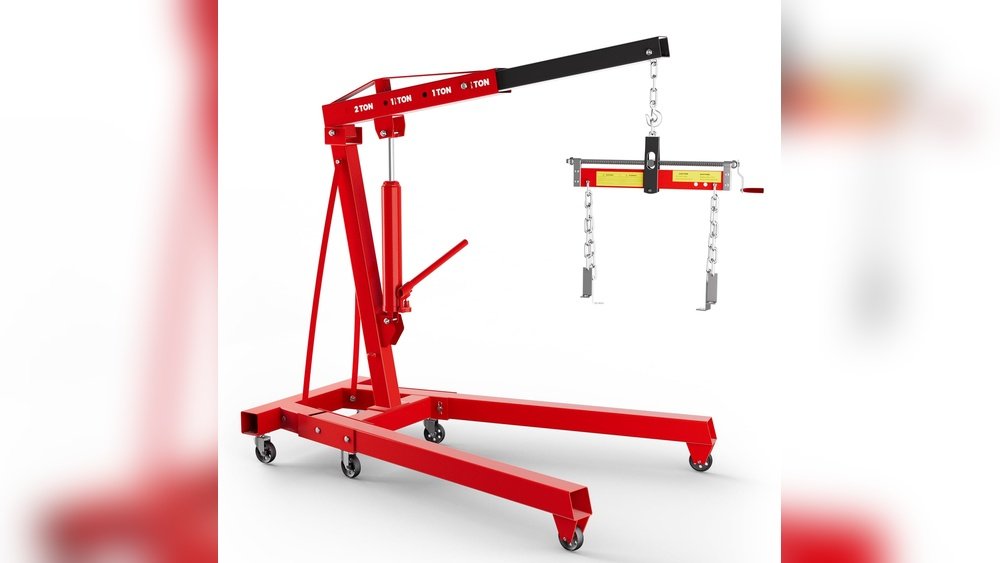
If you’re planning to lift heavy engines or tackle serious car repairs, you’re probably wondering: how long does an engine hoist last? You want a tool that won’t give up halfway through the job or break down after just a few uses.
Knowing the lifespan of an engine hoist helps you make a smart investment and avoid costly replacements. You’ll discover what affects an engine hoist’s durability, how to spot signs of wear, and simple tips to extend its life. Keep reading to make sure your hoist stays strong and reliable when you need it most.

Engine Hoist Lifespan Factors
The lifespan of an engine hoist depends on several key factors. These factors affect how long the hoist remains safe and functional. Understanding them helps users get the best use from their equipment. It also aids in planning for repairs or replacement.
Many things influence the durability of an engine hoist. The quality of materials, how often it is used, how well it is maintained, and where it is stored all play roles. Each factor can either extend or shorten the hoist’s life.
Material Quality
High-quality materials increase the strength and durability of an engine hoist. Steel frames last longer than cheaper metals. Good welds and solid parts resist wear and tear. Poor material quality can lead to early rust and damage.
Usage Frequency
Using the hoist often causes more wear. Daily use wears parts faster than occasional use. Heavy lifting stresses the hoist more than light jobs. Less frequent use typically means a longer lifespan.
Maintenance Practices
Regular maintenance keeps the hoist working well. Cleaning, oiling, and checking bolts prevent damage. Fixing small problems stops bigger failures. Lack of maintenance leads to faster breakdowns and safety risks.
Storage Conditions
Storing the hoist indoors protects it from weather. Moisture causes rust and weakens metal parts. Keeping the hoist dry and covered slows aging. Leaving it outside shortens its life significantly.
Common Engine Hoist Types
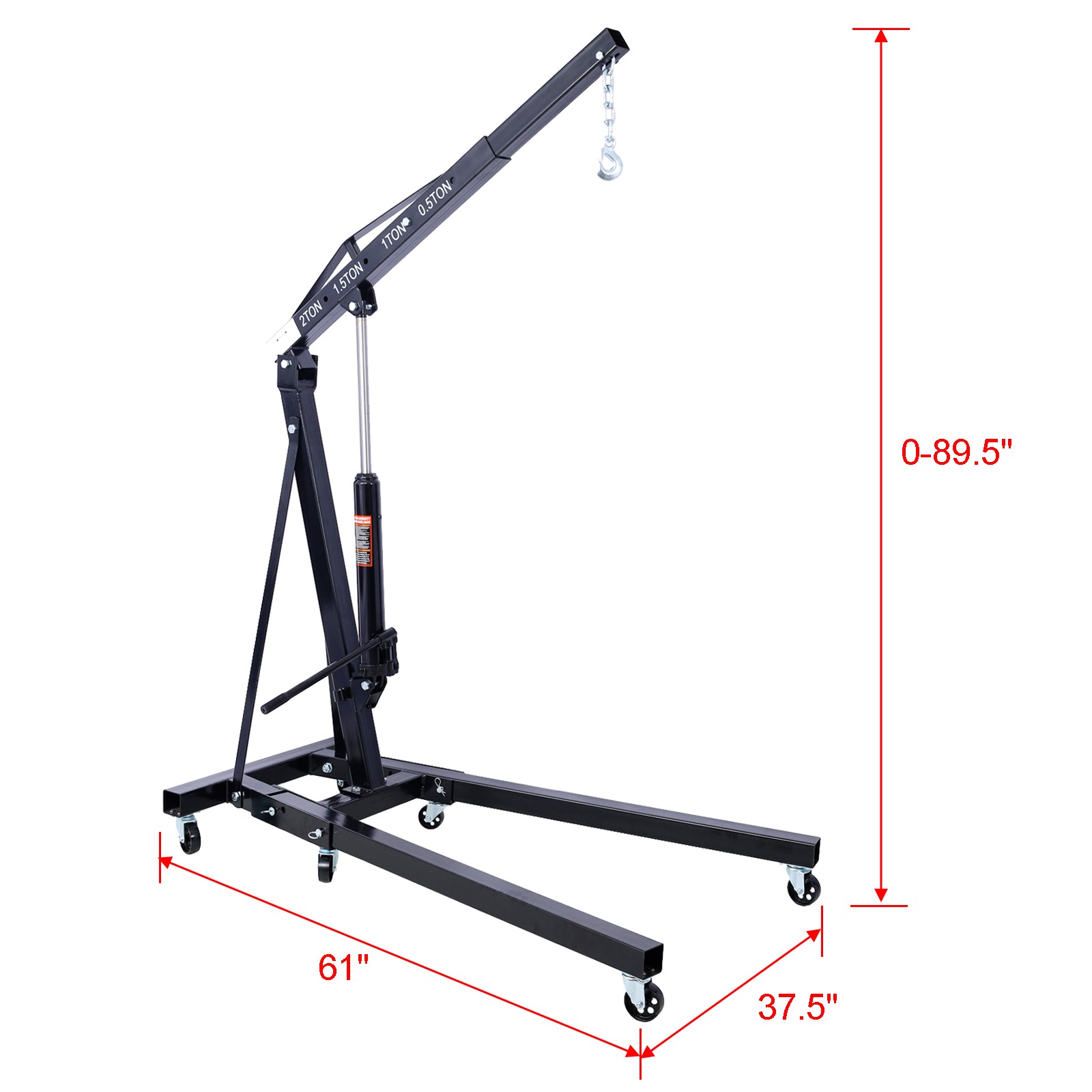
Engine hoists come in different types. Each has its own strengths and uses. Knowing these types helps you pick the right hoist. It also gives clues about how long it will last. Here are the most common engine hoist types.
Hydraulic Hoists
Hydraulic hoists use fluid pressure to lift heavy loads. They offer smooth lifting with less effort. These hoists are strong and reliable. Their lifespan depends on how well the hydraulic system is kept. Regular oil changes and checks extend their life. They are common in garages and workshops.
Electric Hoists
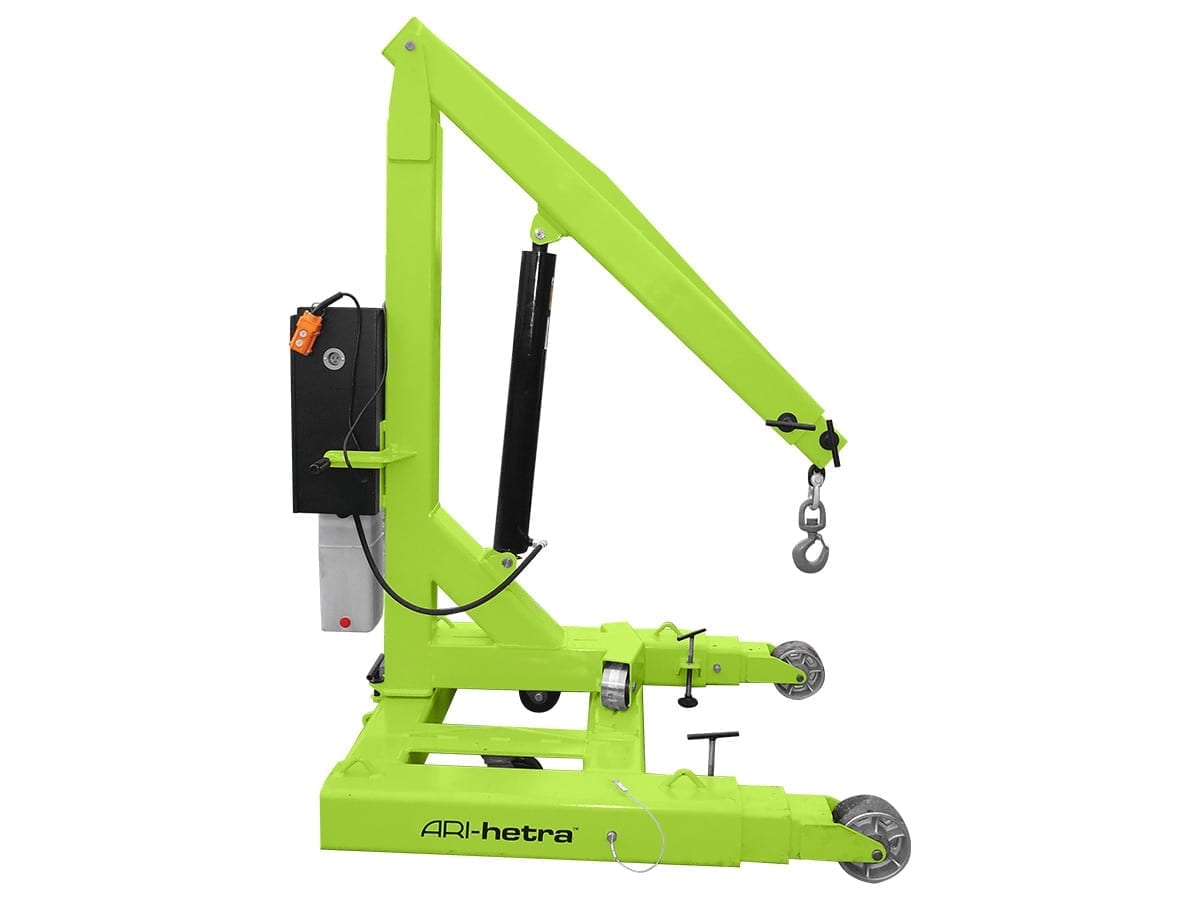
Electric hoists run on power from a battery or plug. They lift engines quickly and with little manual effort. Electric hoists need less physical strength to operate. Their durability depends on battery life and motor condition. Proper charging and maintenance keep them working longer. They suit users who want fast, easy lifts.
Manual Hoists
Manual hoists work by hand, using a chain or pulley system. They do not require power, making them simple and cheap. Manual hoists last long if used carefully and stored well. They need more effort but have fewer parts that can break. These hoists are great for occasional use or small jobs.
Signs Of Wear And Tear
Engine hoists are strong tools built to lift heavy parts safely. Over time, parts of the hoist can wear down. Recognizing signs of wear and tear helps keep the hoist safe and working well. Watch for changes that could mean repair or replacement is needed.
Structural Damage
Check the frame and arms for cracks or bends. Rust can weaken metal parts and cause breaks. Bent or twisted metal lowers the hoist’s strength. Small cracks may grow bigger with use. Stop using the hoist if you see any serious damage.
Hydraulic Fluid Leaks
Hydraulic fluid moves the lifting arm smoothly. Look under the hoist for wet spots or drops of fluid. Leaks reduce lifting power and cause slow movement. Low fluid levels can lead to failure. Fix leaks quickly to keep the hoist safe and strong.
Chain And Hook Wear
Chains hold the load during lifting. Inspect chains for rust, stretched links, or broken parts. Hooks should not be bent or cracked. Worn chains or hooks can snap under weight. Replace these parts to avoid accidents.
Operational Issues
The hoist should lift and lower smoothly. Strange noises or jerky movements show problems. Difficulty in pumping or holding weight means trouble. Test the hoist before every use. Fix problems to keep the hoist reliable and safe.
Extending Engine Hoist Life
Extending the life of an engine hoist saves money and ensures safety. Simple care steps help keep the hoist working well for years. Regular attention prevents big problems and costly repairs. Small daily efforts make a big difference over time.
Regular Inspections
Check the hoist before each use. Look for cracks, rust, or loose bolts. Inspect the chains and hooks for wear or damage. Early problem spotting stops accidents and extends hoist life.
Proper Lubrication
Keep all moving parts well lubricated. Use the right oil or grease for the joints and wheels. Smooth movement reduces friction and wear. Lubrication helps the hoist work quietly and last longer.
Safe Operating Practices
Use the hoist within its weight limits. Avoid sudden jerks or swings while lifting. Always lift on flat, stable ground. Safe use prevents damage and keeps the hoist strong.
Timely Repairs
Fix small issues quickly to avoid bigger problems. Replace worn parts as soon as possible. Use quality parts for repairs. Prompt repair keeps the hoist reliable and extends its life.
When To Replace Your Engine Hoist
Knowing when to replace your engine hoist is important for safety and efficiency. Engine hoists face stress and wear over time. You must check for signs of damage or weakness regularly. Using a worn-out hoist can lead to accidents and costly repairs. This section helps you understand when it is time to replace your engine hoist.
Safety Concerns
Safety is the top priority with any lifting tool. Look for cracks, bends, or rust on the hoist frame. Check if the hydraulic system leaks or loses pressure. Worn-out chains or hooks can fail during use. Unusual noises or jerky movements are warning signs. If you see any of these issues, stop using the hoist immediately.
Cost Of Repairs Vs Replacement
Small repairs can keep your hoist working longer. But major damage may cost more than a new hoist. Compare repair costs with the price of replacement. Consider the hoist’s age and how often you use it. Spending too much on repairs can be wasteful. A new hoist may be safer and more reliable.
Manufacturer’s Recommendations
Check the hoist manual for maintenance tips and replacement advice. Manufacturers provide guidelines for safe use and lifespan. Follow scheduled inspections and part replacements closely. Ignoring these recommendations can void warranties. Using the hoist beyond its intended life is risky. Always trust the manufacturer’s advice for best results.
Top Engine Hoist Brands And Durability
Choosing the right engine hoist makes a big difference in how long it lasts. Top brands focus on quality materials and strong design. This means their hoists can handle tough jobs without breaking down. Durability depends on brand reputation, warranty, and customer feedback.
These factors help you pick a hoist that stays reliable for years. Let’s explore how brand reputation, warranty, and customer reviews show durability in engine hoists.
Brand Reputation
Strong brands build trust through consistent quality. They use sturdy steel and solid parts. Brands known for durability often test their hoists extensively. This reduces chances of failure during heavy lifting. A good reputation means the brand stands behind its products. It shows they care about customer safety and satisfaction.
Warranty And Support
Warranties protect your investment. Top brands offer longer, clear warranty terms. This covers defects and parts replacement. Good customer support helps fix problems fast. It also guides users on proper hoist care. A solid warranty shows the brand’s confidence in product durability.
Customer Reviews
Real user feedback reveals how hoists perform daily. Reviews highlight strengths and weaknesses. Look for comments on build quality and reliability. Positive reviews about lasting parts and smooth operation mean better durability. Negative reviews can warn about early breakdowns or poor service. Customer voices help find the most dependable hoist brand.
Frequently Asked Questions
How Long Does A Typical Engine Hoist Last?
A typical engine hoist lasts about 10 to 15 years with proper care. Regular maintenance and safe usage extend its lifespan significantly.
What Factors Affect An Engine Hoist’s Durability?
Durability depends on build quality, frequency of use, and maintenance. Exposure to harsh conditions and overloading can shorten its lifespan.
How Can I Maintain My Engine Hoist For Longevity?
Keep the hoist clean, lubricate moving parts, and inspect for damage regularly. Store it in a dry place to prevent rust and corrosion.
When Should I Replace My Engine Hoist?
Replace it if you notice structural damage, cracks, or malfunctioning parts. Safety concerns and frequent repairs indicate it’s time for a new hoist.
Conclusion
An engine hoist can last many years with proper care. Regular cleaning and checking for damage helps keep it strong. Avoid overloading it beyond its limit. Store it in a dry place to stop rust. Using the hoist safely also extends its life.
Remember, quality and maintenance matter most for durability. A well-maintained hoist will serve you well for a long time. Keep these tips in mind to get the best use from your engine hoist.