How long does an oil change take? If you’ve ever wondered how much time you need to set aside for this routine car maintenance, you’re not alone.
You want to keep your vehicle running smoothly without spending hours at the shop. The good news is, oil changes are usually quick and straightforward. But the exact time can vary depending on a few key factors. Keep reading to find out what affects the timing, how to prepare, and tips to get your oil changed as fast as possible—so you can get back on the road without delay.
Typical Oil Change Duration
Knowing how long an oil change takes helps you plan your day better. Most oil changes do not take much time. The duration depends on several factors. This section explains what to expect during a typical oil change.
Standard Time Frames
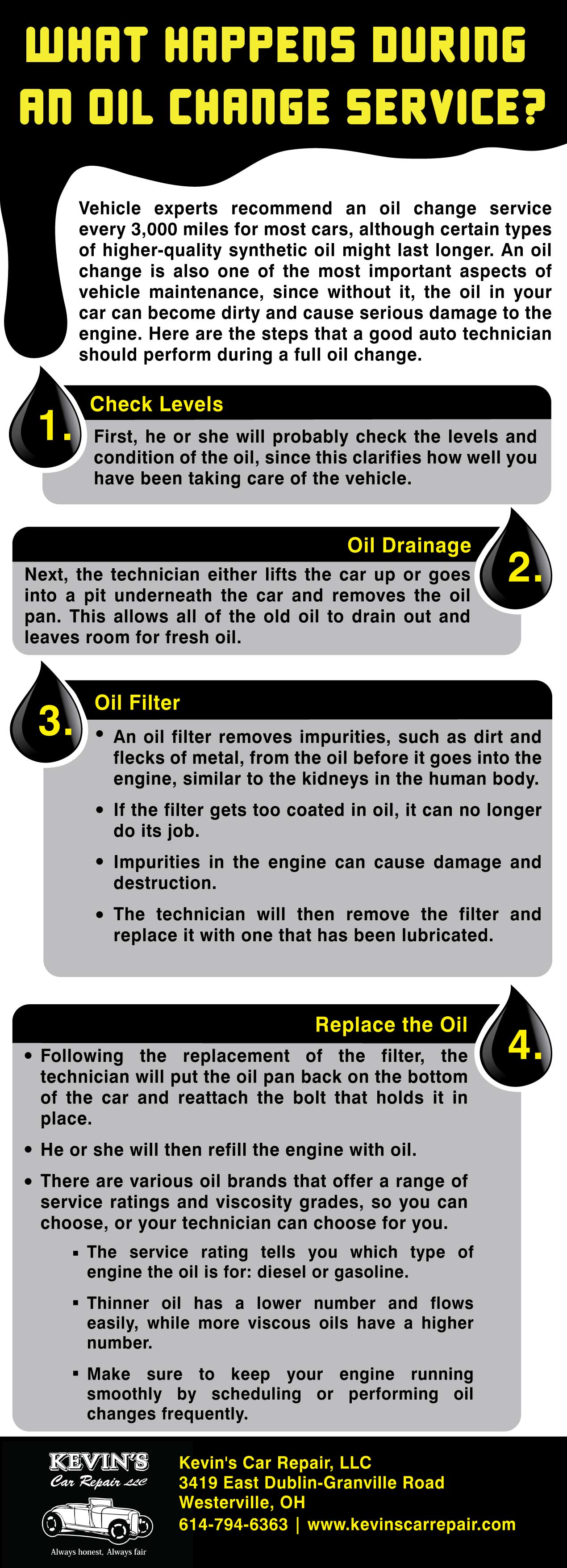
A regular oil change usually takes 20 to 30 minutes. This includes draining the old oil and adding new oil. Replacing the oil filter is part of the process. Some quick-service places finish in just 15 minutes. Full-service shops might take a bit longer. Waiting times may add extra minutes to your visit.
Factors Affecting Duration
Car type influences how long an oil change lasts. Some vehicles need special oil or filters. Older cars might take more time due to harder-to-reach parts. The skill of the technician also matters. Busy shops can slow down the service. Extra checks, like inspecting brakes, add time. Weather conditions might delay outdoor service bays.
Diy Oil Change Timing
Changing your oil yourself usually takes about 30 to 45 minutes. Most of the time is spent draining old oil and adding new oil carefully. Simple steps keep your car running smoothly.
Preparation Steps
Changing your oil yourself saves money and gives you control. First, gather all tools and materials. You need new oil, an oil filter, a wrench, a drain pan, and rags. Find a flat, safe place to work. Warm up the engine for a few minutes. Warm oil drains faster and cleaner. Make sure the car is off and cool enough to touch. Put on gloves to keep your hands clean. Have a jack and stands ready if you need to lift the car. Double-check your supplies before starting to avoid interruptions.Estimated Time Breakdown
A DIY oil change usually takes 30 to 45 minutes. Draining the old oil takes about 10 to 15 minutes. Removing and replacing the oil filter adds another 5 to 10 minutes. Pouring in new oil and checking levels takes 5 to 10 minutes. Clean up spills and dispose of old oil properly, around 5 to 10 minutes. Beginners might take longer. With practice, the process becomes faster and smoother. Patience ensures a good, safe oil change every time.Professional Service Speed
Professional service speed matters a lot during an oil change. It helps you plan your day better. Most service centers aim to finish oil changes quickly without losing quality. They use skilled technicians and good tools. This keeps the process smooth and fast.
Express Services
Express oil change services are designed to save time. They often take 15 to 30 minutes. These services use pre-set kits and fast techniques. You can get in and out without waiting long. It suits people with busy schedules or quick stops.
Scheduled Appointments Vs Walk-ins
Scheduling an appointment usually means faster service. The shop prepares for your arrival. Walk-ins may wait longer during busy hours. Scheduled visits help avoid delays and reduce waiting time. Planning ahead makes the oil change process easier.
Tools And Materials Needed
Changing your car’s oil is a simple task with the right tools and materials. Having everything ready saves time and avoids mistakes. This section lists what you need to do an oil change smoothly.
Essential Equipment
First, gather basic tools. You need a wrench or socket set to remove the drain plug. An oil filter wrench helps take off the old filter. Use a drain pan to catch old oil safely. Have rags or paper towels for cleaning spills. Gloves protect your hands from hot oil and dirt. A funnel makes pouring new oil easy and neat.
Choosing The Right Oil
Pick oil that fits your car’s engine. Check the owner’s manual for the correct type and weight. Using the wrong oil can harm your engine. Synthetic oils last longer but cost more. Conventional oils are cheaper but need changing more often. Choose the best option for your budget and car needs.
Tips To Speed Up The Process
Speeding up an oil change saves time and reduces hassle. Small steps make the process smoother. Being ready helps the mechanic work faster. This section shares simple tips to prepare before your oil change.
Following these tips helps you finish the oil change quickly. They prevent delays and keep the process clear and easy. Try these ideas for your next visit.
Pre-appointment Checks
Check your vehicle’s oil level before the appointment. Use the dipstick to see if oil is low or dirty. This helps the mechanic know what oil type to use. Also, find your car’s manual. It shows the right oil type and amount. Confirm the oil filter type if possible. This avoids extra waiting for parts. Write down your car’s make, model, and year. Give this info when you book the appointment. It helps the service center prepare better.
Organizing Your Workspace
Clear space around your vehicle before the oil change. Remove any objects that block access under the car. Keep keys and documents in a safe, easy spot. This speeds up handover and pickup. If you do oil changes at home, gather all tools first. Have oil, filter, wrench, and drain pan ready. Lay down newspapers or a mat to catch spills. This keeps the area clean and safe. Organizing tools saves time searching during the job.

Common Delays And How To Avoid Them
Oil changes usually take about 30 minutes. Still, some common delays can make the process longer. Knowing what causes these delays helps you avoid waiting too long. This section covers common reasons for delays and easy ways to prevent them.
Unexpected Issues
Sometimes, mechanics find problems during the oil change. A stuck drain plug or a damaged oil filter can slow things down. Old or rusted parts may need extra care or replacement. These surprises add time to the service. Also, a car with a complex engine may take more time than usual.
Preventive Measures
Keep your car in good shape to avoid delays. Check the oil level and condition regularly. Replace filters and parts before they cause trouble. Schedule oil changes during less busy hours at the shop. Call ahead to confirm your appointment time. Clear communication saves time for you and the mechanic.

Frequently Asked Questions
How Long Does A Typical Oil Change Take?
A typical oil change takes about 20 to 30 minutes. This includes draining old oil, replacing the filter, and adding new oil. Quick service shops may complete it faster, while full-service centers might take slightly longer due to added inspections.
Can An Oil Change Take Longer Than 30 Minutes?
Yes, an oil change can take longer if the vehicle has a complicated engine or requires extra services. Delays may also occur during busy times or if additional repairs are needed. Always check with your service center for estimated times.
Does Synthetic Oil Affect Oil Change Duration?
Using synthetic oil does not significantly change the oil change duration. The process remains similar, but synthetic oil offers better engine protection and lasts longer. The time difference is usually negligible in most service centers.
How Often Should I Get An Oil Change?
Most vehicles require an oil change every 3,000 to 7,500 miles, depending on the oil type and driving conditions. Consult your owner’s manual for specific intervals to maintain engine health and performance.
Conclusion
An oil change usually takes about 30 minutes or less. Timing can change based on your car’s type and service shop. Regular oil changes keep your engine running smooth and safe. Quick visits save time and help avoid bigger problems.
Plan your oil change before long trips or after many miles. Simple care keeps your car healthy and lasting longer. Remember, a short wait helps protect your vehicle’s future.


