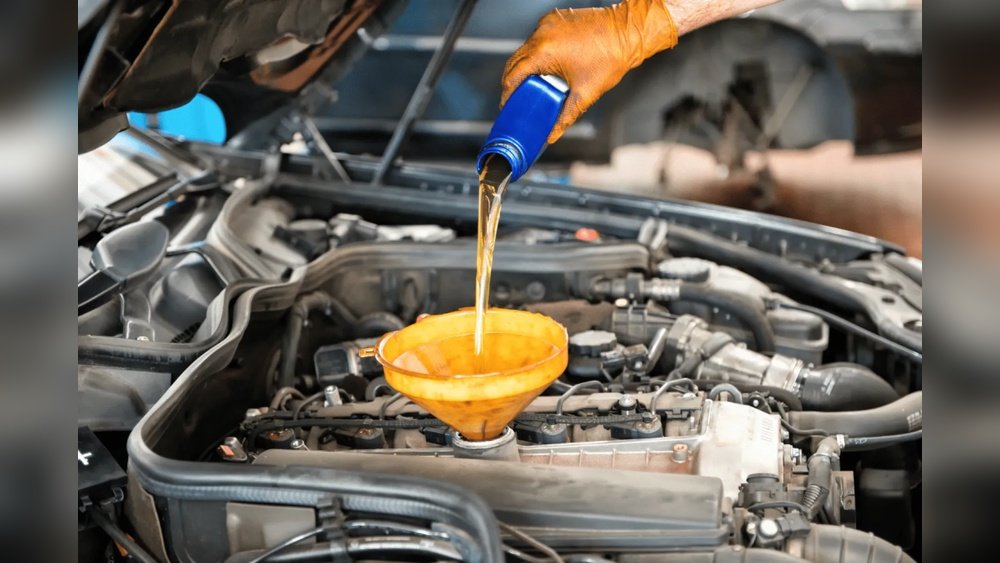
You rely on your car every day, so knowing how long your engine oil lasts is crucial. If your oil runs out or gets dirty, your engine can suffer serious damage.
But how often should you really change it? The answer isn’t the same for every vehicle or driving style. You’ll discover exactly how long engine oil lasts, signs it needs changing, and tips to keep your engine running smoothly. Keep reading to protect your car and save money on repairs.

Engine Oil Lifespan Factors
Engine oil does not last the same in every car. Several factors affect how long oil stays good. Understanding these can help keep your engine safe and running well.
Knowing what changes oil life lets you plan oil changes better. This protects your engine and saves money.
Oil Type And Quality
Different oils have different lifespans. Synthetic oils usually last longer than conventional ones. High-quality oils resist heat and break down slower. Cheap oils lose their strength faster and need changing more often.
Driving Conditions
Driving in tough conditions wears out oil faster. Stop-and-go traffic, short trips, and extreme temperatures stress the oil. Dusty or dirty roads also cause oil to get dirty quickly. Long highway drives are easier on oil and make it last longer.
Engine Design
Some engines run hotter and put more stress on oil. Older engines may leak or burn oil faster. Newer engines use oil more efficiently and keep it cleaner. Engine size and type also change how long oil can last.
Maintenance Habits
Regular oil checks and changes keep oil fresh and strong. Using the right oil filter helps keep dirt out. Ignoring oil changes leads to dirty oil and engine damage. Good habits extend oil life and protect your engine.
Signs To Change Engine Oil
Knowing the signs to change engine oil helps keep your car running smoothly. Fresh oil protects the engine and improves performance. Old or dirty oil can cause damage and reduce fuel efficiency. Watch for clear signs that signal oil needs changing.
Oil Color And Texture
Check the oil color by using the dipstick. Clean oil looks amber or light brown. Dark, black oil means it is dirty and old. Thick or gritty oil feels rough between fingers. This means oil has broken down and needs replacement.
Unusual Engine Noises
Listen for knocking or ticking sounds from the engine. These noises can mean oil is not lubricating parts properly. Lack of lubrication causes metal parts to rub and make noise. Changing the oil can stop these sounds and protect the engine.
Oil Pressure Warning Lights
Watch your dashboard for the oil pressure warning light. This light means oil pressure is low or oil level is low. Low oil pressure can cause serious engine damage. Stop the car and check the oil immediately. Replace oil if needed to avoid costly repairs.
Recommended Oil Change Intervals
Knowing the right time to change engine oil helps keep your car healthy. Oil breaks down over time and loses its ability to protect the engine. Following recommended oil change intervals saves money and prevents engine problems. These intervals depend on several factors like oil type and driving habits. Understanding these details helps you maintain your vehicle properly.
Manufacturer Guidelines
Car makers provide specific oil change schedules for each model. These guidelines consider engine design and oil type. Usually, the owner’s manual lists the recommended mileage or time for oil changes. Following these instructions ensures the engine runs smoothly. Ignoring them can lead to engine wear and costly repairs.
Conventional Vs Synthetic Oil
Conventional oil needs changing more often than synthetic oil. It typically lasts about 3,000 to 5,000 miles. Synthetic oil can last up to 7,500 or 10,000 miles. Synthetic oil handles heat and pressure better. Choosing the right oil type affects how long you can wait between changes.
Mileage Vs Time-based Changes
Oil change intervals depend on miles driven or time passed. Some drivers cover many miles quickly, needing frequent changes. Others drive less but should change oil every six months. Even if miles are low, old oil loses quality over time. Both mileage and time matter for engine oil health.
Tips To Extend Engine Oil Life
Extending the life of engine oil helps your car run smoothly longer. It protects the engine parts from wear and tear. Simple habits can keep oil clean and effective. Follow these tips to make the most of your engine oil.
Regular Oil Checks
Check your oil level often. Low oil can cause engine damage. Use the dipstick to see if oil is dirty or low. Top up oil if needed. Clean oil keeps the engine parts moving well.
Proper Driving Techniques
Drive gently to reduce engine stress. Avoid rapid starts and hard braking. Let the engine warm up before driving fast. Smooth driving keeps oil from breaking down fast.
Using Quality Oil Filters
Choose good oil filters for your car. They trap dirt and metal bits from the oil. Clean oil flows better and lasts longer. Replace filters at every oil change for best results.
Avoiding Short Trips
Short drives stop the engine from reaching full heat. Cold engines make oil work harder and wear out faster. Try to combine errands into longer trips. This helps oil stay fresh and protect the engine.
Impact Of Engine Oil On Mileage
Engine oil plays a key role in how far your car can go on a tank of fuel. Clean, good oil helps the engine work smoothly. This smooth work means the engine uses less fuel. The oil also protects the engine parts from damage. This protection keeps your car running well for a long time.
Reducing Engine Wear
Engine oil forms a thin layer between metal parts. This layer stops parts from rubbing against each other. Less rubbing means less wear and tear on the engine. A healthy engine runs better and lasts longer. Worn parts can cause the engine to use more fuel.
Improving Fuel Efficiency
Fresh engine oil reduces friction inside the engine. Lower friction means the engine uses fuel more wisely. Old or dirty oil makes the engine work harder. Hard work means more fuel is burned. Using the right oil helps save fuel and money.
Maintaining Engine Performance
Good engine oil keeps the engine clean from sludge and dirt. A clean engine works at its best power level. Strong engine performance means better mileage on the road. Dirty oil can cause the engine to lose power and waste fuel.
Common Myths About Engine Oil
Many people believe wrong things about engine oil. These myths can cause confusion and wrong car care. Knowing the facts helps keep your engine healthy. Let’s clear up some common myths about engine oil.
Changing Oil More Often Is Always Better
Changing oil too often does not always help. Oil changes cost money and time. Most modern oils last longer than older types. Follow your car maker’s schedule for oil changes. Changing oil too soon wastes resources and money.
Synthetic Oil Lasts Forever
Synthetic oil does not last forever. It lasts longer than normal oil. But it still breaks down over time. Heat and engine dirt wear it out. Check your car’s manual for how often to change synthetic oil. Do not wait too long to change it.
Oil Additives Are Always Necessary
Not all oil needs additives. Good quality oils already have what engines need. Some additives can harm your engine if used wrong. Only use additives if your mechanic recommends them. Most engines run fine without extra additives.

Frequently Asked Questions
How Often Should I Change My Engine Oil?
Engine oil should typically be changed every 5,000 to 7,500 miles. Always check your vehicle’s manual for exact intervals. Regular changes ensure engine longevity and optimal performance.
What Factors Affect Engine Oil Lifespan?
Driving habits, engine type, and oil quality affect oil lifespan. Frequent short trips and extreme temperatures can shorten oil life. Using high-quality oil extends the interval between changes.
Can Old Engine Oil Damage My Car?
Yes, old engine oil loses its lubricating ability. It can cause increased engine wear, overheating, and reduced efficiency. Timely oil changes protect your engine and maintain smooth operation.
How Do Synthetic Oils Compare In Longevity?
Synthetic oils generally last longer than conventional oils, often up to 10,000 miles. They resist breakdown better and protect engines under extreme conditions. Synthetic oils offer better overall engine protection.
Conclusion
Engine oil usually lasts between 3,000 to 7,500 miles. This depends on your car and driving habits. Check your owner’s manual for the best advice. Changing oil on time keeps your engine healthy and working well. Dirty oil can cause damage and reduce fuel efficiency.
Regular oil changes save money and extend engine life. Always watch for signs like dark or thick oil. Clean oil means a smooth ride. Stay on schedule to protect your engine. Simple steps keep your car running longer.


