Have you ever wondered how long it takes to paint a car? Whether you’re planning to refresh your ride or completely change its look, knowing the time involved can help you prepare better.
Painting a car isn’t just about slapping on some color—it’s a detailed process that affects the final shine and durability. You’ll discover the factors that influence the painting time and what you can expect from start to finish. Keep reading to learn exactly how long your car makeover might take and why every minute matters.
Factors Affecting Car Painting Time
Several factors affect the time needed to paint a car. Each step in the process can take hours or days. Understanding these factors helps set clear expectations for the job duration.
Car Size And Type
Large cars take more time to paint than small cars. SUVs and trucks have more surface area to cover. Different car types may need special handling or equipment.
Paint Type And Quality
High-quality paint often requires extra drying time. Some paints need more careful application to avoid mistakes. Quick-dry paints can speed up the process but may cost more.
Surface Preparation
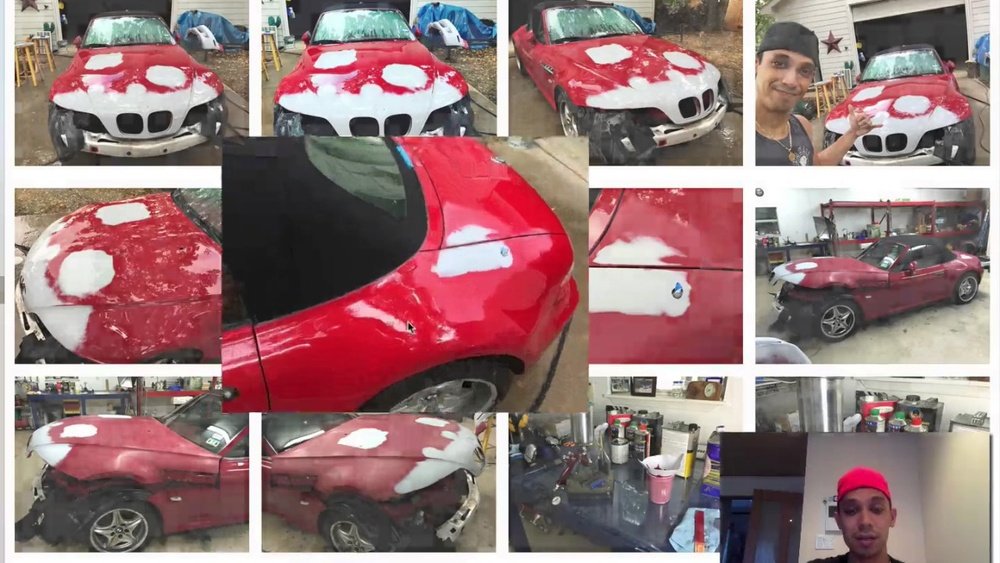
Preparing the car’s surface is a critical step. Cleaning, sanding, and fixing dents add to the total time. Poor preparation leads to bad paint results and may require rework.
Number Of Coats
The number of paint coats impacts the time significantly. More coats mean more drying and curing time between layers. Clear coats add extra protection but also extra work.
Stages Of Car Painting
Painting a car is a detailed process that requires several important steps. Each stage builds on the previous one. The quality of the final paint job depends on how well each stage is done. Understanding these stages helps explain how long painting a car takes.
Cleaning And Sanding
First, the car’s surface must be clean and smooth. Dirt, grease, and old paint get removed. Sanding creates a rough texture for new paint to stick. This step takes time but is very important for a good finish.
Priming
Next, a primer coat is applied to the car. Primer helps paint stick better and protects the metal. It also fills small imperfections. After priming, the car surface is smoother and ready for color.
Applying Base Coat
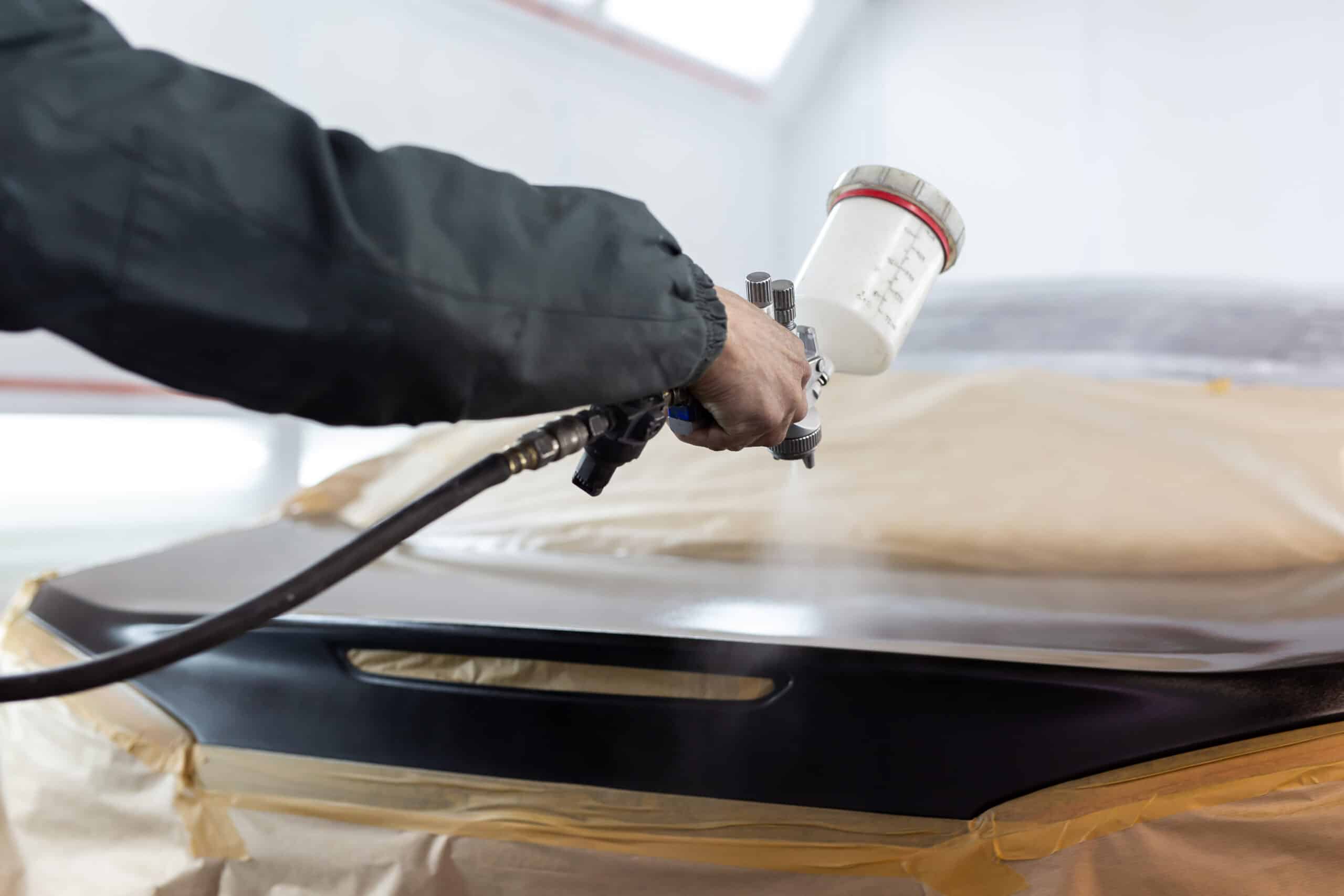
The base coat adds the car’s color. It usually takes two or more thin layers. Each layer needs time to dry before the next. This step sets the look of the car’s paint job.
Applying Clear Coat
Clear coat goes on top of the base coat. It protects the color and gives shine. Multiple layers of clear coat add depth and durability. This step makes the paint look glossy and smooth.
Drying And Curing
Finally, the paint must dry and cure fully. This can take several hours to days. Proper drying prevents damage and ensures the paint lasts long. This stage is critical for a strong finish.
Typical Timeframes For Each Stage
Painting a car involves several steps, each with its own time requirements. Knowing these stages helps set realistic expectations. The process mainly includes preparation, painting, and drying.
Each stage affects the total time needed. The type of paint and car condition also matter.
Preparation Time Estimates
Preparation includes cleaning, sanding, and masking the car. This step removes old paint and smooths surfaces. It usually takes 3 to 8 hours. Larger or damaged cars need more time. Proper preparation ensures a smooth paint job.
Painting Duration
Applying the paint usually takes 2 to 5 hours. Painters apply multiple coats for good coverage. Each coat needs a few minutes to dry before the next. Complex colors or designs add time. Skilled painters work faster and cleaner.
Drying And Curing Periods
Drying time varies by paint type and environment. It often takes 24 to 48 hours for paint to dry fully. Some paints need up to a week to cure completely. Curing makes the paint strong and durable. Proper drying avoids smudges and damage.
Professional Vs. Diy Painting Time
Choosing between professional car painting and doing it yourself affects the time needed. Both options have unique steps and challenges. Knowing these helps set the right expectations.
Advantages Of Professional Services
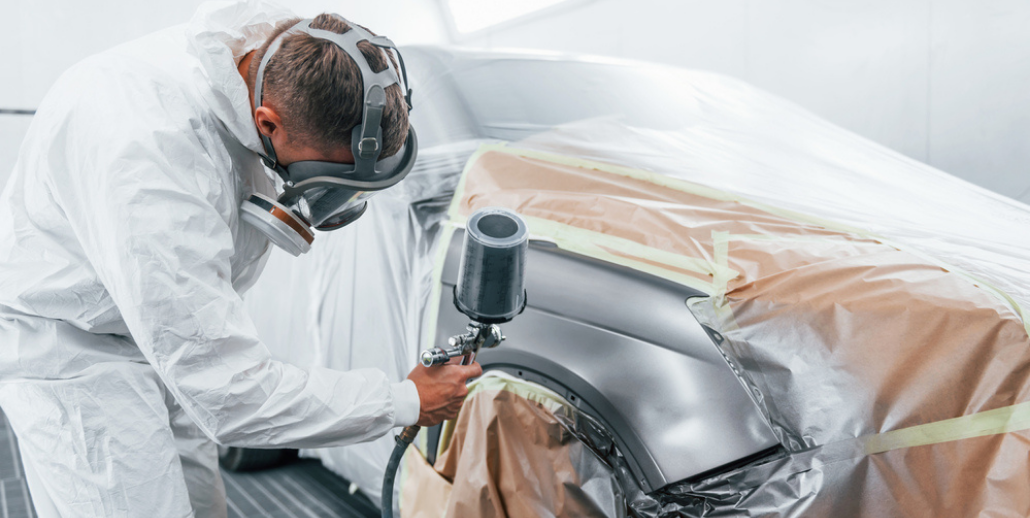
Professionals use special tools and materials. They have experience to handle every part quickly. Paint dries faster in their controlled environment. They prepare the car properly before painting. This reduces errors and need for rework. The whole process usually finishes in a few days.
Common Diy Challenges
DIY painting takes longer because of limited tools. Beginners often spend extra time on prep work. Mistakes can mean sanding and redoing paint. Drying can take longer without a controlled space. Finding the right paint and materials also adds time. Overall, DIY can take weeks to complete.
Time Differences Explained
Professional painting usually takes 3 to 5 days. This includes prep, painting, and drying. DIY projects might stretch from one to several weeks. The difference comes from skill, tools, and workspace quality. Professionals work efficiently with fewer interruptions. DIY painters work slower and face unexpected delays.
Tips To Speed Up The Painting Process
Speeding up the car painting process saves time and effort. Focus on key steps that reduce delays and improve efficiency. Small changes can make a big difference in finishing faster.
Efficient Surface Preparation
Clean the car thoroughly before painting. Remove dirt, grease, and old paint flakes. Sand the surface evenly to help new paint stick well. Use proper tools like sandpaper and cleaning cloths. Prepare only necessary areas to save time. Avoid skipping this step to prevent paint problems later.
Choosing Quick-dry Paints
Select paints that dry quickly at room temperature. These paints reduce waiting time between coats. Check product labels for drying times before buying. Use paints designed for cars to ensure good finish and protection. Quick-dry paints allow faster application and faster final results.
Optimal Environmental Conditions
Paint in a well-ventilated, dust-free area. Keep the temperature stable between 65 and 75 degrees Fahrenheit. Avoid high humidity, which slows drying. Use fans or heaters to control airflow and temperature. Good conditions help the paint dry evenly and faster. Plan painting days with suitable weather to save time.
Cost Implications Of Painting Duration
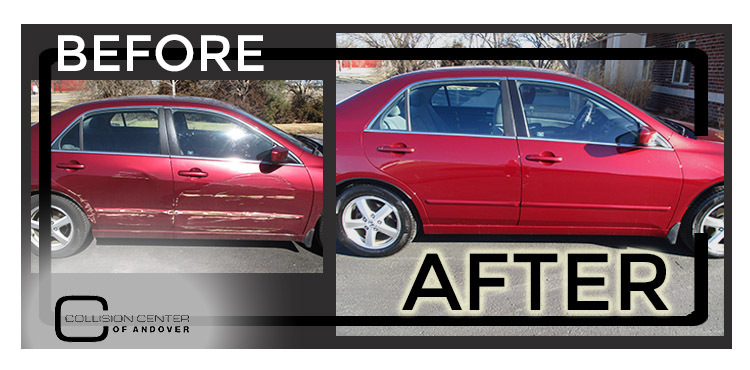
The time taken to paint a car affects the total cost significantly. Longer painting jobs increase various expenses. Understanding these costs helps plan your budget better. Painting duration impacts labor, materials, and potential delays.
Labor Costs
Labor is a major part of painting expenses. More hours mean higher labor charges. Skilled painters charge by the hour. Complex jobs take longer and cost more. Quick paint jobs save money but might reduce quality.
Material Expenses
Materials include paint, primer, and clear coat. Longer jobs use more materials due to extra coats. High-quality paint costs more but lasts longer. Wasting paint during longer jobs raises costs. Proper planning reduces material waste and expenses.
Impact Of Delays
Delays extend the painting time and add costs. Waiting for paint to dry slows the process. Weather and equipment issues cause delays too. Longer shop time increases overhead costs. Timely work keeps costs low and efficient.
Frequently Asked Questions
How Long Does A Basic Car Paint Job Take?
A basic car paint job usually takes 2 to 3 days. It involves cleaning, sanding, priming, painting, and drying. Time may vary depending on the car’s size and paint type.
What Factors Affect Car Painting Duration?
Car painting duration depends on surface prep, paint layers, drying time, and complexity. Repairs or custom jobs take longer. Weather and equipment also influence the timeline.
Can I Speed Up The Car Painting Process?
You can speed up by choosing quick-dry paints and professional services. Avoid complex designs and ensure the car is prepped well. However, rushing may affect paint quality.
Does Paint Curing Time Affect Total Painting Time?
Yes, paint curing time adds to the total process. It can take hours to days depending on the paint type and environmental conditions. Proper curing ensures durability.
Conclusion
Painting a car takes time and care. It depends on many things like the paint type and prep work. Usually, it can take several days to finish properly. Rushing can cause mistakes and poor results. Patience helps get a smooth, lasting finish.
Knowing the process helps set the right expectations. Plan ahead and choose a good shop for best results. A well-painted car looks great and stays protected longer. Quality work pays off in the end.


