You want to keep your child safe every time they ride in the car. But have you ever wondered, how long is a car seat safe to use?
Using a car seat past its safe limit can put your little one at risk. Knowing when to replace your car seat is just as important as using it properly. You’ll discover the key signs that tell you when it’s time for a new car seat, so you can protect your child with confidence.
Keep reading to make sure your child’s safety is never compromised.
Car Seat Lifespan
Car seats keep children safe during travel. Knowing how long to use a car seat helps protect your child. Car seats do not last forever. Their safety can reduce over time. Understanding the lifespan of a car seat is very important.
Several factors affect how long a car seat stays safe. These include expiration dates, wear and tear, and new technology. Each factor plays a big role in deciding when to replace a car seat.
Manufacturer Expiration Dates
Most car seats have an expiration date printed on the label. This date tells you when the seat is no longer safe to use. Expiration is usually 6 to 10 years from the manufacture date. Use the car seat only within this time frame. After the date, materials can weaken and safety can drop.
Material Wear And Tear
Daily use can cause damage to car seat parts. Straps may fray, buckles might break, or padding can wear thin. Even small cracks in the plastic are a safety risk. Check the seat regularly for damage. Replace the seat if wear looks serious. Old seats may not protect well in crashes.
Impact Of Technology Updates
Car seat technology improves over time. New models often have better safety features. Older seats may lack current crash protection. Using a very old seat could mean missing newer safety designs. Staying updated with technology helps keep your child safer on the road.
Signs To Replace A Car Seat
Knowing when to replace a car seat is very important for your child’s safety. Car seats do not last forever. They can get old, weak, or broken. This can make them unsafe. Watch for signs that show the car seat needs replacing. These signs help keep your child safe on every trip.
Visible Damage And Cracks
Check the car seat carefully. Look for any cracks or breaks in the plastic. Even small cracks can make the seat unsafe. The seat’s structure must be strong to protect your child. Also, look for torn or worn straps. Damage can reduce the seat’s ability to keep your child secure.
After A Car Accident
Any car accident means the car seat should be replaced. The seat may look fine but could be weakened inside. The safety parts might not work correctly after a crash. Do not use a car seat again after an accident. This helps ensure your child is always protected.
Missing Or Broken Parts
Check for all parts of the car seat. Missing or broken parts mean the seat is unsafe. Parts like buckles, straps, or the base must work well. If any part is damaged, replace the car seat right away. All parts must fit and work to keep your child safe.
Safety Tips For Car Seat Use
Using a car seat correctly keeps children safe during every trip. Parents must follow safety tips to protect their little ones. Proper use lowers the risk of injury in accidents.
Car seat safety depends on correct installation and adjustments. Each child is different, so position the seat for their age and size. These steps make a big difference.
Proper Installation Techniques
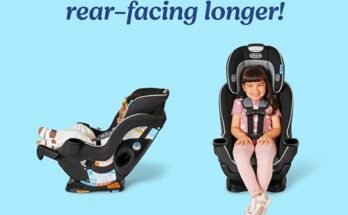
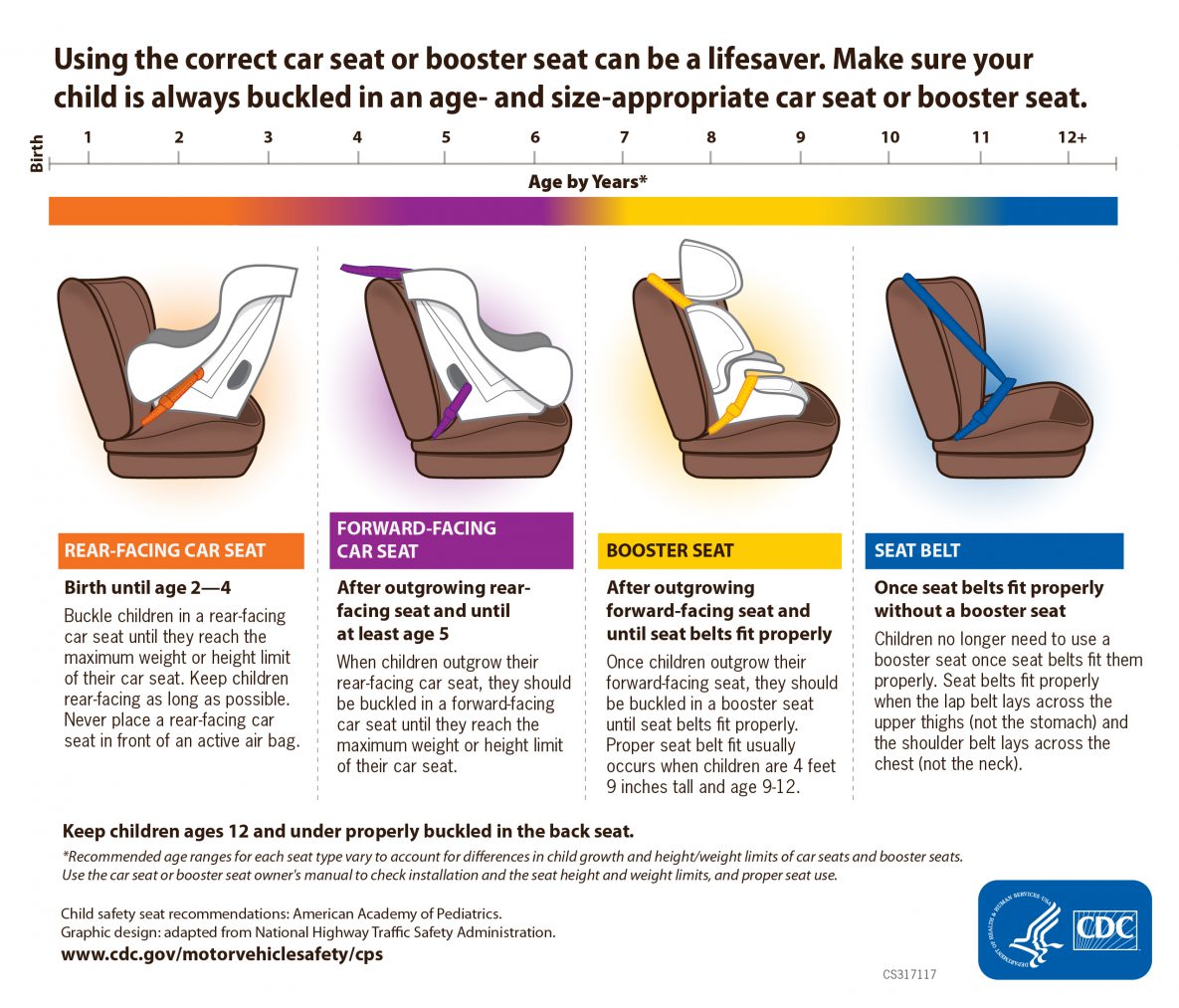
Secure the car seat tightly using the seat belt or LATCH system. Check that the seat does not move more than one inch side to side. Follow the car seat manual and vehicle instructions closely. The seat must face the right direction based on the child’s age. Rear-facing is safest for babies and toddlers.
Correct Harness Adjustments
Adjust the harness to fit snugly around the child. Straps should lie flat without twists. The chest clip must be at armpit level. Tighten the harness so you cannot pinch any slack. A well-fitted harness keeps the child secure and comfortable.
Positioning For Age And Size
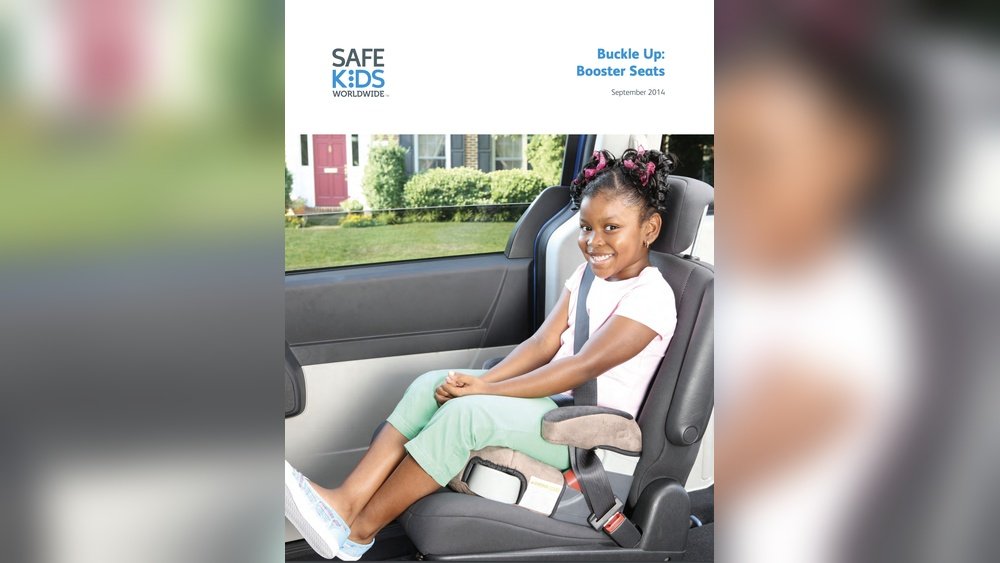
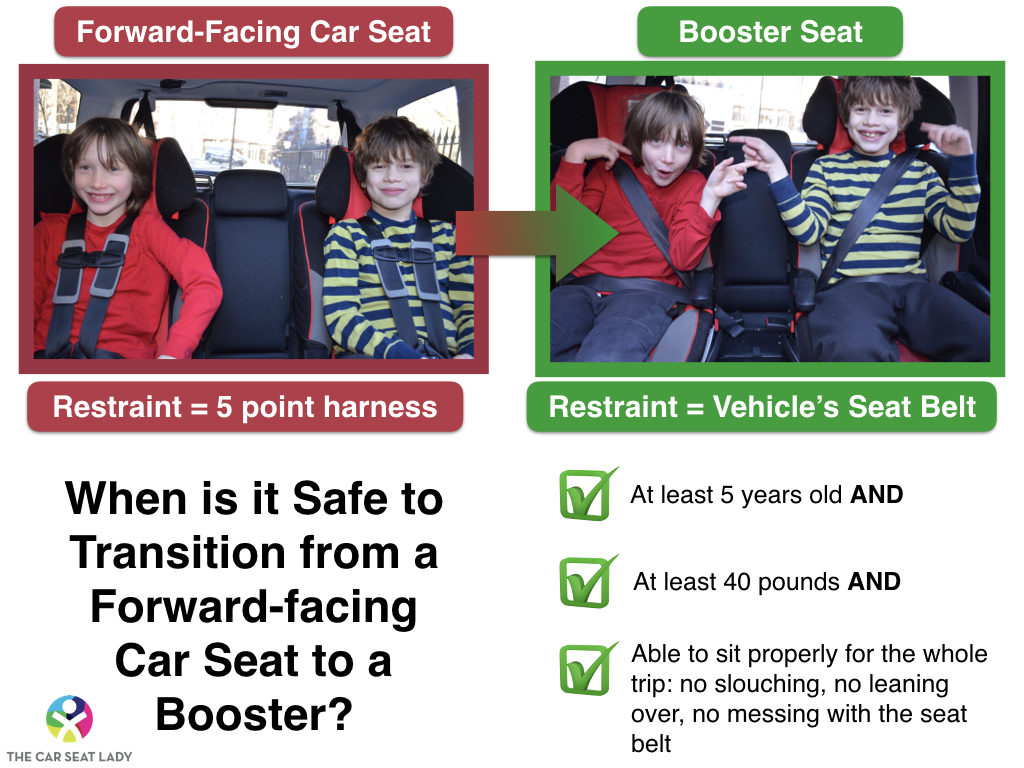
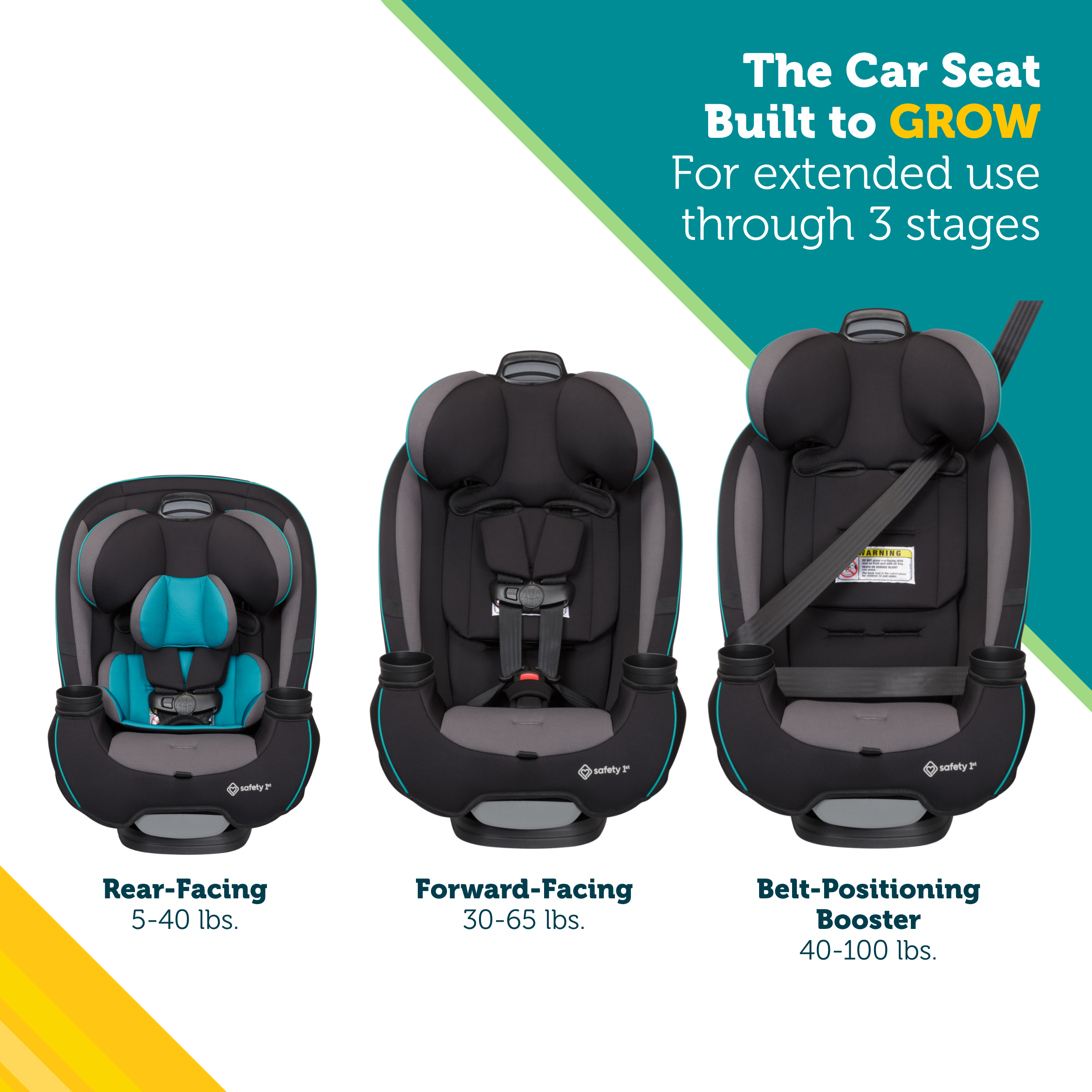
Use a rear-facing seat for children under 2 years or until they reach the height limit. Switch to a forward-facing seat with a harness after that. Older children should use booster seats until seat belts fit properly. Always follow height and weight limits on the car seat label.
Common Mistakes To Avoid
Many parents make common mistakes with car seats that affect safety. Understanding these errors can keep your child safer. Avoiding these mistakes helps ensure the car seat works as it should. Here are some key errors to watch out for.
Using Secondhand Seats
Secondhand car seats may look fine but can hide dangers. They might have hidden damage from crashes. Missing parts can make the seat unsafe. Always check the seat’s history before use. If unsure, buy a new seat instead.
Ignoring Expiration Dates
Car seats have expiration dates for a reason. Over time, materials break down and become less safe. Using an expired seat increases risk during a crash. Find the expiration date on the label or manual. Replace the seat once it is past this date.
Incorrect Seat Orientation
Placing the car seat in the wrong direction reduces protection. Rear-facing seats protect young children best. Many parents switch to forward-facing too soon. Follow the weight and height limits for direction. Proper orientation keeps your child safer in every ride.
Maintaining Your Car Seat
Maintaining your car seat is key to keeping your child safe during every ride. Regular care helps the seat work properly. It also extends the seat’s life and keeps it clean. Simple steps ensure the seat stays in good shape.
Regular Cleaning Guidelines
Clean your car seat often to remove dirt and crumbs. Use mild soap and warm water for cleaning. Avoid strong chemicals that can damage the fabric or plastic. Wipe straps carefully without soaking them. Let the seat dry completely before use.
Storage Recommendations
Store the car seat in a dry, cool place when not in use. Keep it away from direct sunlight to prevent fading and cracking. Avoid stacking heavy items on the seat. Proper storage helps keep all parts in good condition.
Checking For Recalls
Check regularly if your car seat has any recalls. Visit the manufacturer’s website or government safety sites. Recalls mean a safety issue needs fixing or replacement. Acting fast protects your child from harm.
Frequently Asked Questions
How Long Can A Car Seat Be Safely Used?
Most car seats are safe for 6 to 10 years. Check the manufacturer’s label for exact expiration dates. Using a seat past its expiration can reduce safety and increase injury risk in crashes.
What Factors Affect Car Seat Lifespan?
Exposure to sunlight, crashes, and wear affect lifespan. Frequent use and improper storage can also weaken materials. Always inspect your car seat regularly for cracks, fraying, or damage.
Can A Car Seat Be Used After An Accident?
No, car seats involved in a moderate or severe crash should be replaced. Even minor impacts can damage the structure and reduce protection. Always follow manufacturer guidelines after any accident.
Are Older Car Seats Less Safe Than New Ones?
Older car seats may lack updated safety features like side-impact protection. Materials can degrade over time, reducing effectiveness. For maximum safety, consider upgrading to a newer model within the recommended lifespan.
Conclusion
Car seats keep children safe during every trip. Always check the car seat’s expiration date. Using an old seat can be risky. Cracks or damage lower its protection. Follow the manufacturer’s guidelines for safety. Replace the seat after any crash.
Clean and maintain it regularly for best use. Safety should always come first in your car. Keeping these tips in mind helps protect your child. Safe rides start with a good car seat.