
Have you ever wondered how long a diesel engine can keep running smoothly? Whether you’re thinking about buying a diesel vehicle or already own one, knowing the engine’s lifespan is key to making smart decisions.
Diesel engines are known for their strength and durability, but how long will yours really last? You’ll discover the factors that affect a diesel engine’s life and what you can do to make sure yours stays powerful for years to come.
Keep reading to learn the secrets that can save you time and money down the road.

Diesel Engine Basics
Understanding the basics of a diesel engine helps explain its long lifespan. Diesel engines are built tough. They work differently from gasoline engines. This difference affects how long they last. Learning about key parts and how they operate gives a clearer picture of diesel engine durability.
Key Components
Diesel engines have several important parts. The cylinder block holds the cylinders where fuel burns. Pistons move up and down inside these cylinders. The crankshaft changes piston motion into power. Fuel injectors spray diesel fuel into the cylinder. The turbocharger boosts engine power by pushing more air inside. Each part must work well for the engine to last long.
How Diesel Engines Work
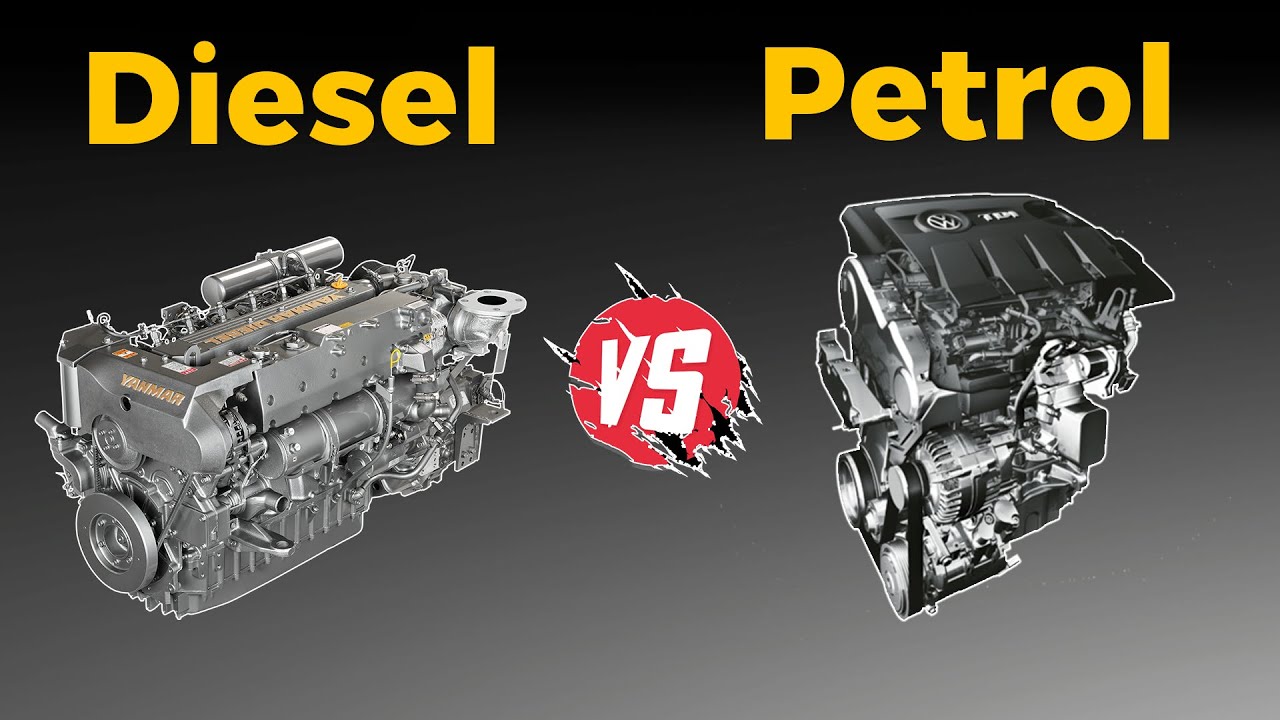
A diesel engine creates power by compressing air. It compresses air tightly, making it very hot. Then, the engine injects diesel fuel into this hot air. The fuel ignites without a spark plug. This process is called compression ignition. The explosion pushes the piston down, creating power. Diesel engines run slower than gasoline engines. This slower speed helps reduce wear and tear. That is one reason diesel engines last longer.
Factors Affecting Lifespan
The lifespan of a diesel engine depends on many factors. Some are easy to control, while others are not. Knowing these factors helps you keep the engine running longer. Small changes can make a big difference in engine life.
Maintenance Practices
Regular maintenance extends diesel engine life. Changing oil and filters on time is key. Clean parts reduce wear and tear. Ignoring small issues leads to big problems later. Use the right parts and fluids for your engine.
Fuel Quality
Good fuel protects the engine. Poor fuel causes deposits and clogs. It can damage injectors and pumps. Always use clean, high-quality diesel. Check fuel storage to avoid contamination. This keeps the engine running smoothly.
Operating Conditions
Harsh environments shorten engine life. Extreme heat or cold stresses parts. Dusty or dirty places cause damage. Heavy loads increase engine wear. Avoid running the engine at low speed for long. Proper cooling helps prevent overheating.
Driving Habits
Aggressive driving wears the engine faster. Sudden starts and stops strain parts. Allow the engine to warm up before driving. Avoid over-revving and heavy towing often. Smooth driving reduces stress and saves fuel. Good habits protect your diesel engine.
Average Lifespan Estimates
Diesel engines are known for their durability and long service life. Their lifespan depends on the type of engine and how it is used. Understanding average lifespan estimates helps set realistic expectations for maintenance and replacement.
Different diesel engines have different life spans. Light-duty engines last shorter than heavy-duty or commercial ones. Usage, care, and operating conditions also affect engine life.
Light-duty Diesel Engines
Light-duty diesel engines are common in passenger vehicles and small trucks. These engines typically last between 200,000 and 300,000 miles. Proper maintenance can extend their life beyond this range. Regular oil changes and filter replacements are key. These engines handle less stress compared to larger engines.
Heavy-duty Diesel Engines
Heavy-duty diesel engines power larger trucks and industrial vehicles. These engines usually last from 500,000 to 1,000,000 miles. Their robust design allows for longer use under tough conditions. Heavy-duty engines often get rebuilt instead of replaced. Good maintenance greatly increases their lifespan.
Commercial Diesel Engines
Commercial diesel engines serve in buses, delivery trucks, and machinery. Their lifespan ranges from 400,000 to 700,000 miles. These engines run many hours daily, facing constant heavy loads. Careful upkeep and timely repairs help keep them running longer. Commercial engines are built for endurance and reliability.
Signs Of Engine Wear
Diesel engines are built tough, but they do wear down over time. Recognizing early signs of engine wear helps you avoid costly repairs. It also keeps your engine running longer and more efficiently. Here are some common signs that your diesel engine might be aging.
Performance Decline
Your engine may lose power and slow down. Acceleration feels weaker than before. Fuel efficiency drops noticeably. The engine might struggle to start or stall more often. These issues show internal parts are wearing out.
Unusual Noises
Listen carefully for strange sounds coming from the engine. Knocking, tapping, or grinding noises can mean serious problems. These noises often come from worn bearings or damaged valves. Early detection helps prevent severe engine damage.
Increased Emissions
Older engines tend to emit more smoke and pollutants. Black, blue, or white smoke indicates incomplete combustion. This happens when engine parts wear and fuel burns poorly. Higher emissions also mean your engine is less efficient.
Extending Diesel Engine Life
Diesel engines are known for their strength and durability. Extending their life depends on how you care for them. Simple steps can keep your engine running longer and better. Understanding these steps helps you avoid costly repairs and downtime.
Focus on three key areas: maintenance, parts, and driving habits. Each plays a big role in engine health. Follow these tips to help your diesel engine last for many miles.
Regular Maintenance Tips
Change the oil regularly to keep engine parts lubricated. Check and replace air and fuel filters often. Clean the cooling system to prevent overheating. Inspect belts and hoses for cracks or wear. Regularly test the battery and charging system. Schedule tune-ups as recommended by the manufacturer. These habits prevent damage and improve engine efficiency.
Using Quality Parts
Choose parts that meet or exceed factory standards. Avoid cheap or low-quality components. Use genuine oil and fuel filters. Select high-grade fuel to reduce engine deposits. Quality parts fit better and last longer. They reduce the risk of breakdowns and engine wear. Investing in good parts saves money over time.
Proper Driving Techniques
Avoid sudden starts and stops to reduce engine stress. Warm up the engine before heavy use. Drive at steady speeds on highways. Avoid idling for long periods. Use correct gears to prevent overloading the engine. Gentle driving lowers fuel use and engine wear. This helps keep your diesel engine strong and reliable.
Common Diesel Engine Problems
Diesel engines are known for their durability and power. Still, they face common problems over time. Knowing these issues helps in keeping the engine running longer. Regular checks can prevent serious damage and costly repairs.
Here are some frequent problems that affect diesel engines.
Fuel System Issues
The fuel system is crucial for diesel engine performance. Dirty fuel filters block flow and reduce power. Air in the fuel lines causes rough running or stalling. Fuel injectors can wear out or clog, leading to poor fuel spray. This reduces engine efficiency and increases smoke. Regular fuel filter changes and clean fuel help avoid these problems.
Cooling System Failures
Diesel engines produce high heat during operation. The cooling system stops overheating by circulating coolant. Leaks or blockages in the radiator reduce cooling ability. A broken water pump or thermostat causes irregular engine temperature. Overheating leads to engine damage or failure. Checking coolant levels and system parts keeps the engine cool.
Turbocharger Wear
The turbocharger boosts engine power by forcing air inside. Over time, turbo parts wear from heat and friction. Worn seals cause oil leaks into the exhaust or intake. Damaged turbine blades reduce boost pressure and engine output. Lack of proper oil changes speeds up turbo wear. Keeping oil clean and regular turbo inspection extends its life.
When To Replace Your Diesel Engine
Knowing when to replace your diesel engine saves time and money. Diesel engines are built tough but not forever. Some parts wear out beyond repair. Deciding the right time to replace the engine keeps your vehicle reliable and safe.
Cost Vs. Repair Analysis
Repairing a diesel engine can be costly. Sometimes the repair costs match or exceed engine replacement. Consider repair expenses carefully. Check labor and parts costs. Older engines may need frequent fixes. These add up quickly. A new or rebuilt engine can last longer and cost less over time. Compare the total costs before deciding.
Signs Replacement Is Necessary
Watch for unusual smoke from the exhaust. This can mean serious engine trouble. Loud knocking noises inside the engine are warning signs. Frequent overheating also signals problems. Poor fuel efficiency points to engine wear. Regular oil leaks indicate internal damage. If your diesel engine struggles to start, it might be failing. Multiple signs together mean replacement is likely the best choice.
Frequently Asked Questions
How Long Does A Diesel Engine Typically Last?
A diesel engine usually lasts between 300,000 to 500,000 miles. Proper maintenance significantly extends its lifespan. High-quality fuel and timely oil changes boost durability.
What Factors Affect Diesel Engine Lifespan?
Key factors include maintenance quality, driving habits, fuel quality, and operating conditions. Regular servicing and avoiding engine overload help increase longevity.
Can Diesel Engines Last Longer Than Gasoline Engines?
Yes, diesel engines often last longer due to robust construction and efficient fuel use. They are built to handle higher compression and stress.
How Does Maintenance Impact Diesel Engine Durability?
Regular maintenance, like oil changes and filter replacements, prevents wear. Neglecting upkeep leads to early engine failure and costly repairs.
Conclusion
A diesel engine can last many years with proper care. Regular oil changes and timely maintenance keep it running well. Quality fuel and gentle driving also help extend its life. Engines that receive good attention often reach 300,000 miles or more.
Wear and tear happen, but you can slow them down. Remember, how long an engine lasts depends on use and care. Keep it clean, check parts often, and fix problems early. Taking simple steps makes a big difference in engine life.
Diesel engines offer strong performance and durability when treated right.


