Have you ever wondered how much a car engine weighs? Whether you’re curious about car mechanics, planning a project, or just love learning new things, knowing the weight of a car engine can surprise you.
It’s not just a number—it affects your car’s performance, fuel efficiency, and even how you handle repairs. Keep reading, and you’ll discover the factors that influence engine weight and why it matters to you. This simple piece of information could change the way you think about your vehicle.
Car Engine Weight Basics
The weight of a car engine affects many parts of a vehicle. It influences fuel efficiency, handling, and performance. Knowing the basics of car engine weight helps to understand car design and function. Engine weight varies widely depending on several factors. Let’s explore what makes up this important detail.
Average Weight Range
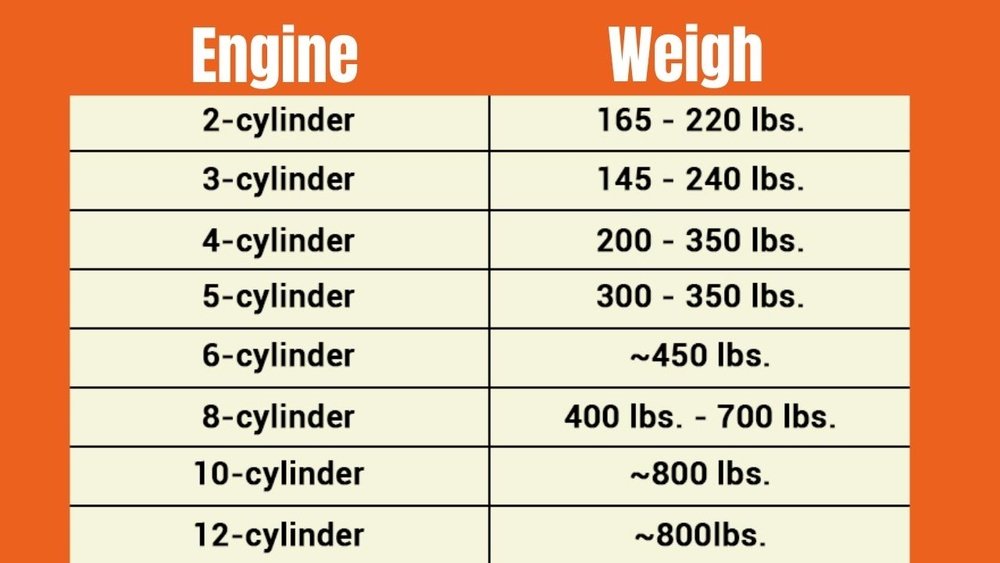
Most car engines weigh between 200 and 600 pounds. Small engines, like those in compact cars, often weigh around 200 to 300 pounds. Larger engines, such as V6 or V8 types, usually fall between 400 and 600 pounds. Heavy-duty truck engines can weigh even more, sometimes over 1,000 pounds. This wide range shows how diverse engine sizes and types can be.
Factors Influencing Weight
Engine size is a key factor in weight. Bigger engines need more metal and parts, increasing weight. The material used matters too. Aluminum engines are lighter than those made from cast iron. The number of cylinders also affects weight. More cylinders mean more components, which adds weight. Turbochargers and other accessories increase overall engine mass. Design choices balance power and weight for each vehicle’s purpose.

Engine Types And Their Weights
Car engines come in different types. Each type has a unique design and weight. Knowing engine weights helps with understanding vehicle performance and fuel efficiency.
Engine weight depends on size, materials, and construction. Let’s explore some common engine types and their typical weights.
Inline Engines
Inline engines have cylinders arranged in a straight line. They are simple and compact. A 4-cylinder inline engine usually weighs between 300 and 400 pounds. These engines are common in small cars and offer good fuel economy.
V-type Engines
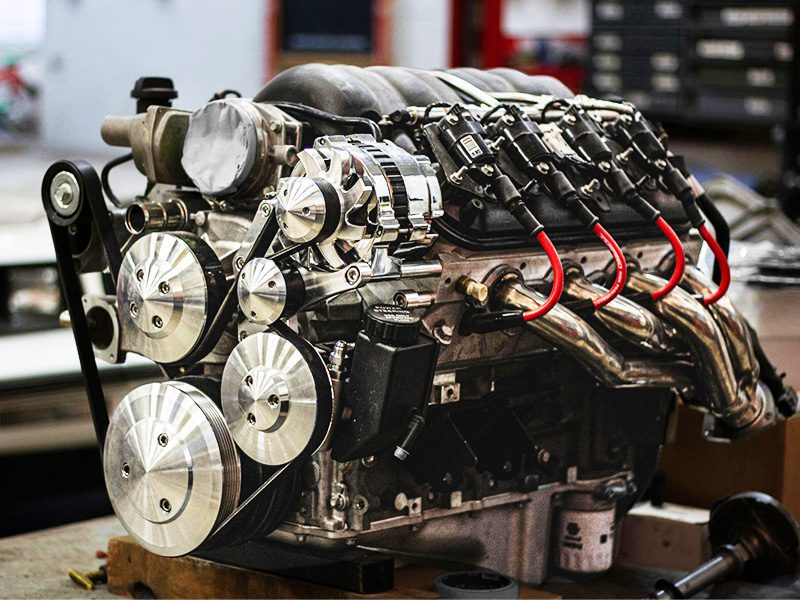
V-type engines have cylinders arranged in two banks forming a “V” shape. This design fits more cylinders in a smaller space. A V6 engine weighs around 400 to 500 pounds. V8 engines are heavier, often weighing 500 to 700 pounds. These engines provide more power for trucks and sports cars.
Electric Motors
Electric motors replace traditional engines in electric cars. They are lighter and simpler. Most electric motors weigh between 90 and 200 pounds. The absence of many moving parts reduces weight. Electric vehicles benefit from this lighter engine design for better efficiency.
Materials Affecting Engine Weight
The weight of a car engine depends a lot on the materials used to build it. These materials affect how heavy or light the engine becomes. Choosing the right material can improve a car’s performance and fuel efficiency. Different metals and alloys change the engine’s strength and weight.
Cast Iron Vs Aluminum
Cast iron is a strong and heavy material. It has been used in engines for many years. Engines made with cast iron parts tend to weigh more. Cast iron is good at handling heat and pressure inside the engine. This makes it very durable but also adds weight.
Aluminum is lighter than cast iron. It helps reduce the overall engine weight. Aluminum engines are common in modern cars. They improve fuel economy because lighter engines use less fuel. Aluminum also cools faster, which helps the engine run smoothly.
Modern Lightweight Materials
New materials like magnesium and carbon fiber are now used in some engines. These materials are even lighter than aluminum. Magnesium parts help reduce engine weight significantly. Carbon fiber is very strong and light but is expensive.
Using these lightweight materials can lower the car’s total weight. This change improves speed and fuel efficiency. Engineers keep exploring new materials to make engines lighter and better. Lighter engines make cars easier to handle and more fun to drive.
Performance Impact Of Engine Weight
The weight of a car engine plays a big role in how the car performs. It affects many parts of driving, from how far the car can go on a tank of fuel to how it feels on the road. Understanding engine weight helps explain why some cars drive better than others.
Fuel Efficiency
Heavier engines need more energy to move the car. This means the car uses more fuel. A lighter engine helps the car use fuel better. It can go farther with less gas. Cars with light engines usually have better miles per gallon. This saves money and reduces pollution.
Handling And Balance
Engine weight changes how the car handles corners and turns. A heavy engine can make the front of the car heavier. This can cause the car to feel less stable. A lighter engine helps keep the car balanced. It improves steering and control. This makes driving safer and more fun.
Surprising Engine Weight Facts
Car engines come in many shapes and sizes. Their weight varies a lot. Some engines are surprisingly light, while others are quite heavy. This affects the car’s performance and fuel use. Understanding engine weight helps you learn about different vehicles better.
Lightweight Engines In Sports Cars
Sports cars use lightweight engines to boost speed. These engines often weigh less than 400 pounds. They use materials like aluminum to cut down on weight. A lighter engine helps the car accelerate faster. It also improves handling and agility on the road. This is why many sports cars focus on engine weight.
Heavy Engines In Trucks And Suvs
Trucks and SUVs need heavy engines for power. These engines can weigh over 700 pounds. They use strong steel parts to handle tough jobs. Heavy engines provide more torque for towing and hauling. This weight adds durability for off-road and work use. It makes these vehicles strong and reliable.

How Engine Weight Influences Vehicle Design
The weight of a car engine plays a key role in vehicle design. It affects many parts of the car, from how it drives to how safe it is. Designers must think about engine weight early in the process. This helps create a balanced and strong vehicle.
Chassis And Suspension Considerations
The engine’s weight changes how the chassis must be built. A heavier engine needs a stronger frame to hold it safely. Suspension parts also need to be tougher. They must handle the extra load without breaking or wearing out fast. This keeps the ride smooth and stable. Designers pick materials and shapes to match the engine weight. This ensures the car handles well on the road.
Safety And Structural Impact
Engine weight affects the car’s safety during crashes. A heavy engine can change how forces move in an accident. The structure must be designed to absorb impact and protect passengers. Engineers add reinforcements in key places. They make sure the engine stays in place and does not harm the cabin. Proper design reduces injury risk and improves crash test results.
Tips For Managing Engine Weight
Managing engine weight is important for better car performance. A lighter engine can improve fuel efficiency and handling. Small changes make a big difference in reducing weight. Focus on smart upgrades and regular care.
Upgrading To Lightweight Components
Use parts made from aluminum or carbon fiber. These materials weigh less than steel. Lightweight pistons, flywheels, and intake manifolds help reduce overall engine weight. Choose parts that fit your engine model. Lighter components can also help the engine run cooler.
Maintenance To Avoid Extra Weight
Keep the engine clean from dirt and oil build-up. Old fluids and sludge add unwanted weight. Change oil and filters regularly. Check for leaks that cause fluid loss. Proper maintenance keeps the engine light and efficient. Avoid adding unnecessary accessories or parts.
Frequently Asked Questions
How Much Does A Typical Car Engine Weigh?
A typical car engine weighs between 300 to 600 pounds. Weight varies based on engine size, type, and materials used in construction.
Do Car Engine Weights Vary By Vehicle Type?
Yes, engine weight varies by vehicle type. Smaller cars have lighter engines, while trucks and SUVs have heavier, more robust engines.
What Factors Influence A Car Engine’s Weight?
Engine size, materials, and design influence weight. Aluminum engines are lighter, while steel or iron engines weigh more.
How Does Engine Weight Affect Car Performance?
Heavier engines can reduce fuel efficiency and handling. Lighter engines improve acceleration and overall vehicle agility.
Conclusion
Car engine weight varies by size and type. Small engines weigh less, big ones much more. Knowing engine weight helps in choosing the right car. It affects fuel efficiency and vehicle handling. Lighter engines often improve speed and mileage. Heavier engines may offer more power but reduce efficiency.
Always consider engine weight when comparing cars. It plays a key role in performance and cost. Understanding this helps you make smarter choices. Keep engine weight in mind for better driving experience.


