
If you rely on a diesel engine, knowing how often to service it can save you time, money, and headaches. Skipping or delaying maintenance might seem harmless, but it can lead to costly repairs and reduce your engine’s lifespan.
You want your engine to run smoothly and efficiently every time you turn the key. So, how often should you really bring your diesel engine in for a checkup? Keep reading to discover the key signs, expert tips, and the ideal service schedule that will keep your engine in top shape.
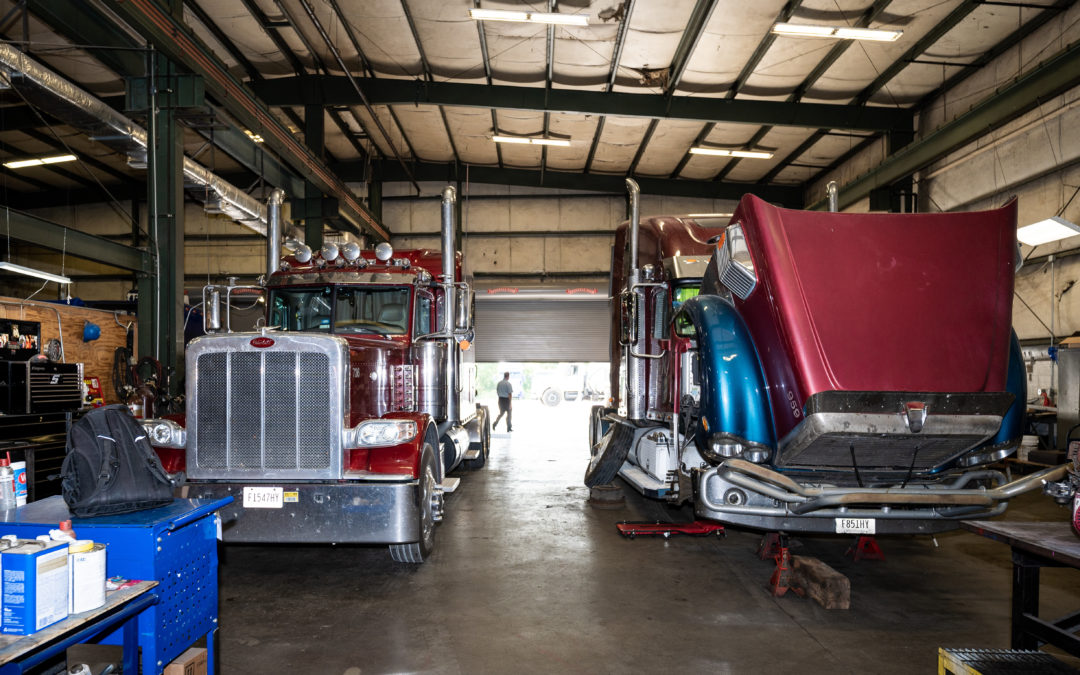
Diesel Engine Maintenance Basics
Keeping a diesel engine in good shape requires regular care. Diesel Engine Maintenance Basics help you avoid costly repairs and keep your engine running well. Simple checks and timely service extend the engine’s life and improve fuel efficiency.
Understanding which parts to check and how to spot problems early saves time and money. Regular maintenance also ensures safety and better performance during every drive.
Key Components To Check
Start with the oil and filters. Clean oil protects engine parts from wear. Change oil and filters as recommended by the manufacturer. Next, check the fuel system for leaks or clogged filters. Air filters must be clean to allow proper air flow.
Inspect the cooling system to avoid overheating. Check belts and hoses for cracks or damage. Battery terminals should be clean and tight. Finally, monitor the exhaust system for unusual smoke or noise.
Signs Of Wear And Tear
Watch for unusual noises like knocking or rattling. These sounds can signal engine problems. Notice if the engine struggles to start or runs rough. Excessive smoke from the exhaust may mean fuel issues. A drop in power or fuel efficiency also shows wear.
Leaks under the engine or a burning smell need immediate attention. Regularly check for cracks or damage on visible parts. Early detection of wear prevents bigger damage and costly repairs.
Recommended Service Intervals
Knowing the right time to service a diesel engine helps keep it in good shape. Regular checks stop small problems from growing. Service intervals depend on several factors. These include the engine maker’s advice, how you use the engine, and the seasons. Each plays a role in setting the right schedule.
Manufacturer Guidelines
Engine makers give clear service schedules. These are based on tests and engine design. The schedule often lists when to change oil, filters, and other parts. Following these rules keeps the engine safe and efficient. Skipping or delaying service can cause damage and reduce engine life.
Impact Of Usage Patterns
How you use the engine changes how often it needs service. Heavy use, like towing or long trips, wears parts faster. Short trips or stop-and-go driving can also cause more wear. Engines used less often may need less frequent service. Watching your engine’s work helps decide the right timing.
Seasonal Considerations
Seasons affect diesel engine service needs. Cold weather can thicken oil and make starting hard. Hot weather can cause overheating and faster oil breakdown. Winter may require special fuel or additives. Changing seasons means checking fluids and parts more closely. Adjusting service times by season protects the engine well.
Essential Maintenance Tasks
Essential maintenance tasks keep diesel engines running smoothly. These tasks prevent costly repairs. Regular care improves engine life and performance. Understanding each task helps you maintain your diesel engine better.
Oil And Filter Changes
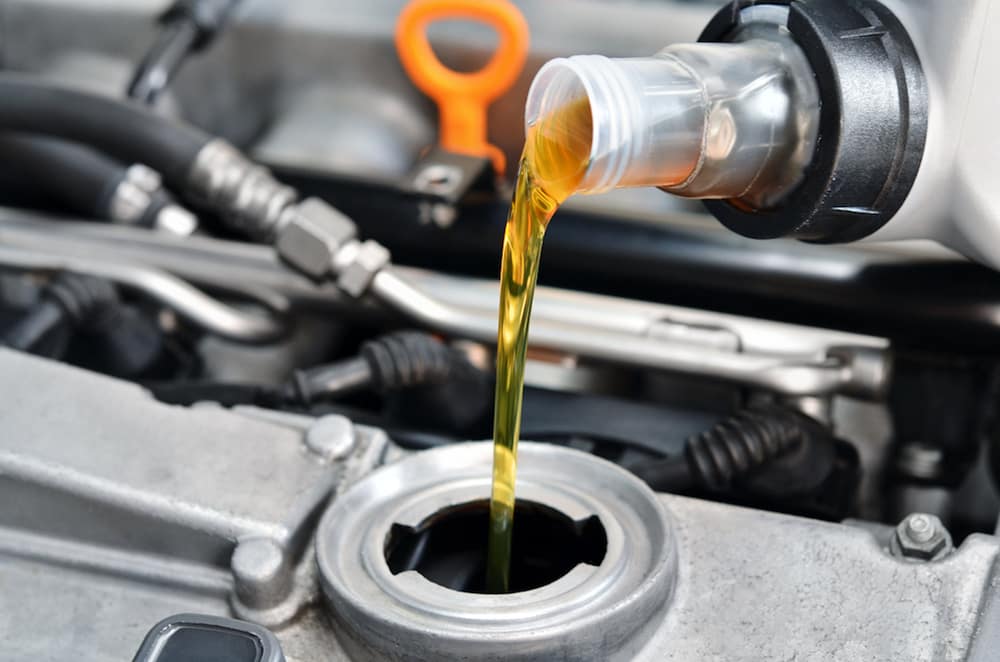
Changing oil and filters is vital for diesel engines. Old oil loses its ability to protect engine parts. Dirty filters block oil flow and trap dirt. Fresh oil and filters keep the engine clean and cool. Replace them every 5,000 to 7,500 miles or as the manual suggests.
Fuel System Care
The fuel system needs regular attention to avoid clogs. Diesel fuel can gather water and dirt over time. Use fuel additives to remove moisture and keep injectors clean. Replace the fuel filter on schedule to maintain fuel flow. Clean fuel systems improve engine power and fuel efficiency.
Air Filter Replacement
Clean air filters allow the engine to breathe well. Dust and debris can block airflow and reduce engine performance. Change air filters every 15,000 to 30,000 miles or more often in dusty areas. Good airflow means better fuel use and less engine wear.
Coolant And Emissions Checks
Coolant keeps the engine temperature in check. Check coolant levels regularly and top up with the right type. Emissions systems need inspection to reduce pollution and keep the engine efficient. Fix leaks or faulty parts quickly to avoid engine damage and fines.
Diy Vs Professional Servicing
Deciding between DIY and professional servicing for a diesel engine is important. Both choices have clear benefits and limits. Knowing when to service yourself or call a pro helps keep your engine healthy. This section explains the key points of DIY and professional servicing.
When To Service Yourself
Simple tasks like checking oil or changing filters are good for DIY. Basic maintenance saves money and helps you learn about your engine. Use a clean workspace and follow the manual carefully. Avoid complex repairs that need special tools or knowledge. Regular checks can spot small problems early. If unsure, stop and get expert advice.
Benefits Of Professional Help
Professionals have skills and tools for thorough diesel engine care. They spot hidden issues that DIY might miss. Experts save time and reduce risks of costly mistakes. Many services need special equipment or software only pros have. Professionals also offer warranties on their work. Trusting experts helps keep your engine running smoothly longer.
Common Mistakes To Avoid
Maintaining a diesel engine properly means avoiding common mistakes. These errors can cause damage and increase repair costs. Knowing what to avoid helps keep your engine running smoothly. It saves time and money in the long run.
Ignoring Warning Signs
Warning signs are early alerts of engine problems. Strange noises, smoke, or loss of power should not be ignored. These signs often point to issues needing quick attention. Ignoring them can lead to severe engine damage. Always check your engine if you notice anything unusual.
Skipping Scheduled Services
Scheduled services are set to keep your engine healthy. Skipping these services can cause buildup and wear inside the engine. Regular oil changes, filter replacements, and inspections prevent major problems. Following the service schedule extends engine life and improves performance.
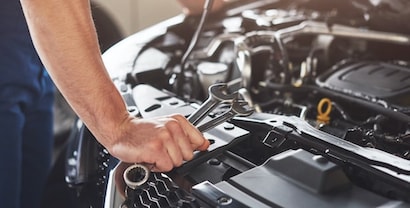
Extending Diesel Engine Life
Extending the life of a diesel engine saves money and keeps your vehicle reliable. Proper care helps avoid costly repairs and breakdowns. Simple habits and regular checks play a big role in engine health. Follow these tips to keep your diesel engine running longer and stronger.
Proper Driving Habits
Drive smoothly and avoid sudden acceleration or hard braking. Let the engine warm up before driving fast. Avoid idling for long periods. Use the correct gears and maintain steady speeds. These habits reduce engine wear and fuel use.
Regular Inspections
Check the engine oil and coolant levels often. Look for leaks and unusual noises. Replace filters and fluids on schedule. Inspections catch problems early, saving you from bigger repairs. Keep a routine to protect your engine.
Using Quality Parts
Use parts made for your diesel engine. Cheap or wrong parts can cause damage. Choose quality oil, filters, and fuel. Good parts improve performance and last longer. This keeps your engine safe and efficient.
Frequently Asked Questions
How Often Should A Diesel Engine Be Serviced?
A diesel engine should be serviced every 10,000 to 15,000 miles or annually. Regular servicing ensures optimal performance and longevity.
What Are Signs A Diesel Engine Needs Servicing?
Signs include rough idling, reduced power, excessive smoke, and unusual noises. Early servicing prevents costly repairs and maintains efficiency.
Why Is Regular Diesel Engine Maintenance Important?
Regular maintenance improves fuel efficiency, reduces emissions, and extends engine life. It keeps the engine running smoothly and avoids breakdowns.
Can Neglecting Diesel Engine Service Cause Damage?
Yes, neglect can lead to clogged filters, fuel injector issues, and engine wear. Timely service prevents severe damage and costly repairs.
Conclusion
Regular diesel engine service keeps your vehicle running well. Check your owner’s manual for the exact schedule. Clean filters and fresh oil help avoid costly repairs. Servicing on time saves fuel and extends engine life. Don’t wait for problems to appear; act early.
A well-maintained engine delivers better power and reliability. Remember, small efforts now prevent big troubles later. Stay on top of maintenance and enjoy smooth drives. Your diesel engine will thank you for the care.


