Do you want to feel every beat and make your music come alive in your car? Adding a subwoofer to your car stereo can transform your driving experience, giving you deep, powerful bass that standard speakers just can’t match.
But if you’re wondering where to start or worried it might be too complicated, don’t worry—you’re in the right place. In this guide, you’ll learn simple, step-by-step tips to add a subwoofer to your car stereo, even if you’re not an expert.
By the end, your car will sound better than ever, and you’ll wonder how you ever drove without that rich, booming bass. Ready to upgrade your ride? Let’s dive in.
Choosing The Right Subwoofer
Choosing the right subwoofer helps improve your car’s sound system. Start by matching the subwoofer size with your car space. Connect it properly to the stereo for clear, deep bass that enhances music quality.
Adding a subwoofer to your car stereo boosts bass and sound quality. Picking the right subwoofer matters a lot. It affects how clear and powerful your music sounds. Many factors affect your choice. Size, power, and type all play a role. Understanding these helps you get the best sound for your car.
Types Of Subwoofers
There are mainly two types of subwoofers: sealed and ported. Sealed subwoofers give tight, accurate bass. They work well for most music styles. Ported subwoofers produce louder, deeper bass. They suit bass-heavy music like hip-hop or EDM. Choose based on your music taste and sound needs.
Power Ratings And Size
Subwoofers come in different sizes, usually 8 to 15 inches. Bigger size means more bass but needs more space. Power rating shows how strong the subwoofer can play. Match the subwoofer’s power with your car amplifier. Too little power lowers sound quality. Too much power can damage the subwoofer.
Enclosure Options
Subwoofer enclosures affect sound quality. Common types are sealed, ported, and bandpass. Sealed boxes provide tight, clean bass. Ported boxes make louder and deeper bass. Bandpass enclosures give very loud bass but less clarity. Choose an enclosure that fits your car space and sound preference.
Preparing Your Car Stereo System
Preparing your car stereo system is the first step to add a subwoofer. A good setup ensures better sound and easy installation. Taking time now saves headaches later. Follow these steps to get ready.
Checking Compatibility
Check if your car stereo supports a subwoofer. Look at the manual or the stereo itself. Some stereos have a dedicated subwoofer output. Others need an amplifier for the subwoofer to work well. Make sure your system can handle the extra power. Compatibility avoids damage and poor sound quality.
Gathering Necessary Tools
Collect all tools before starting the installation. You will need wire cutters, screwdrivers, and electrical tape. A multimeter helps check voltage and connections. Also, get speaker wire and mounting brackets. Having tools ready makes the process smooth and faster.
Planning The Installation Spot
Choose the best place for your subwoofer in the car. Common spots include under the seats or in the trunk. Consider space and sound quality. Avoid blocking vents or seat movement. A good spot protects the subwoofer and improves bass sound.
Wiring The Subwoofer
Wiring the subwoofer is a key step to get deep bass in your car. The process involves connecting the subwoofer to your car’s stereo system and power source. Proper wiring ensures clear sound and avoids damage to equipment. Follow simple steps to connect safely and correctly.
Connecting To The Head Unit
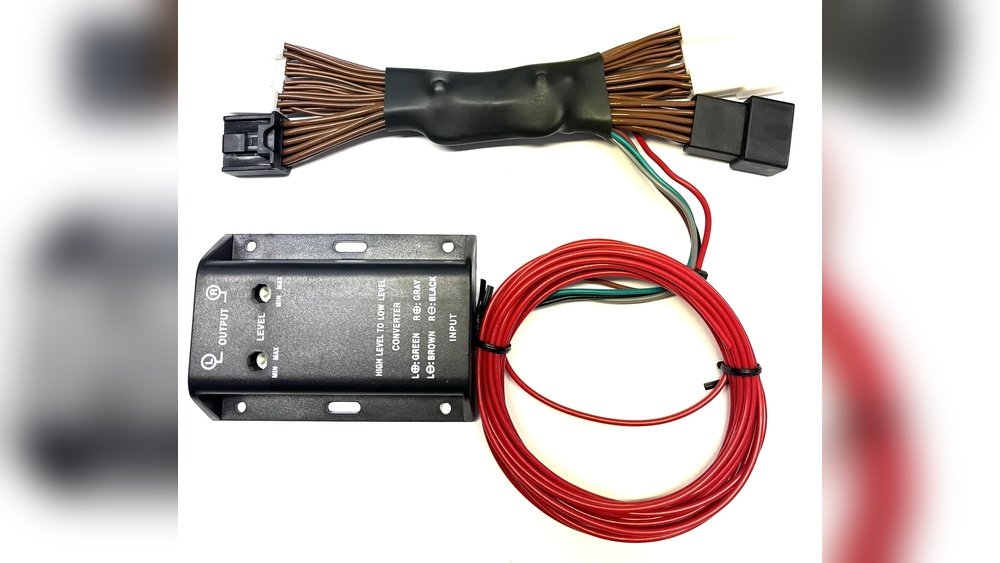
Start by identifying the subwoofer output on your head unit. This is usually labeled as “sub out” or “RCA out.” Use RCA cables to connect the head unit to the amplifier or directly to the subwoofer if it is powered. Avoid using speaker wires here, as RCA cables carry a cleaner signal.
Make sure the cables are firmly plugged in to prevent signal loss. Keep the cables away from power wires to reduce noise interference. This connection sends the audio signal to the subwoofer for bass reproduction.
Using An Amplifier
Most subwoofers need an amplifier to work properly. The amplifier boosts the audio signal to power the subwoofer. Connect the RCA cables from the head unit to the amplifier’s input. Then, connect the amplifier’s output to the subwoofer using speaker wires.
Match the wire polarity carefully: positive to positive, negative to negative. Incorrect connections can cause poor sound or damage. Adjust amplifier settings to match your subwoofer’s specifications for best performance.
Power And Ground Connections
The amplifier requires power from the car’s battery. Use a thick power wire to connect the amplifier to the positive battery terminal. Include a fuse near the battery to protect the system from electrical faults.
Connect the amplifier’s ground wire to a clean, bare metal spot on the car’s chassis. A strong ground connection avoids noise and power issues. Check all wires for secure and tight connections before turning on the system.

Installing The Subwoofer
Installing the subwoofer is an important step for better sound in your car. It involves placing the subwoofer in the right spot, connecting the wires safely, and testing the sound. Each step needs care to make sure everything works well and sounds great.
Mounting The Subwoofer Enclosure
Choose a stable place in your car for the subwoofer. The trunk or under the seat works well. Use screws or brackets to hold the enclosure tightly. Avoid loose spots to stop vibrations and noise. Make sure the subwoofer faces the right direction for best sound.
Securing Wiring
Connect the power wire to the car battery with a fuse. Attach the ground wire to a metal part of the car. Connect the RCA cables from the stereo to the subwoofer amplifier. Hide wires under carpets or panels to keep them safe. Check all connections are tight and clean to avoid shorts.
Testing The Setup
Turn on the car stereo and play music with deep bass. Listen closely for clear and strong bass sounds. Adjust the amplifier settings to get the best balance. Check for any buzzing or rattling sounds. Fix any issues by tightening wires or repositioning the subwoofer.
Tuning For Optimal Bass
Getting the best bass from your subwoofer needs careful tuning. Proper tuning makes the bass clear and powerful without distortion. It also helps your subwoofer work well with the other speakers in your car.
Small changes in settings can make a big difference in sound quality. Focus on three key areas: gain and crossover, balancing bass, and fixing common issues. This helps create a smooth and rich audio experience.
Adjusting Gain And Crossover
Set the gain so the subwoofer is loud but not distorted. Start low and slowly increase volume until the bass sounds full. Avoid setting it too high to stop damage to the speaker.
The crossover controls which frequencies the subwoofer plays. Set it to match your main speakers’ range. Usually, 80Hz to 120Hz works well. This makes sure the subwoofer handles only low bass sounds.
Balancing Bass With Other Speakers
Check how the bass blends with your car’s other speakers. The bass should add depth without overpowering vocals or instruments. Adjust the subwoofer level until the sound feels balanced and natural.
Listen from different seats inside the car. Bass can sound different depending on position. Tune the settings to make the bass enjoyable for all passengers.
Troubleshooting Common Issues
If you hear distortion, lower the gain or check speaker connections. Weak bass may mean the gain is too low or the crossover is set wrong. Adjust these settings carefully.
Rattling sounds often come from loose parts or bad enclosure seals. Tighten screws and check the subwoofer box. Fixing these stops unwanted noise and improves sound quality.

Maintaining Your Subwoofer System
Maintaining your subwoofer system is key to enjoying deep, clear bass for years. Proper care keeps your sound quality sharp and prevents damage. Small steps in upkeep save you from costly repairs later.
Regular Inspection
Check your subwoofer and its parts often. Look for loose wires or damaged cones. Make sure all connections stay tight and clean. Regular checks catch small problems early. This keeps your system working well.
Protecting Against Damage
Avoid exposing your subwoofer to moisture or extreme heat. Keep it away from direct sunlight and water. Use covers to protect the subwoofer when not in use. Handle the system gently during car cleaning or repair.
Upgrading Components
Replace old or worn parts to improve sound quality. Consider better wires or a stronger amplifier. Upgrading helps your system perform better. It also extends the life of your subwoofer setup.
Frequently Asked Questions
How Do I Connect A Subwoofer To My Car Stereo?
To connect a subwoofer, use the RCA cables from the stereo’s subwoofer output. Connect these to the amplifier input. Then, link the amplifier to the subwoofer with speaker wires. Ensure all connections are secure and correctly matched for proper sound.
What Tools Are Needed To Install A Car Subwoofer?
You will need a screwdriver, wire stripper, electrical tape, and a drill. Also, use RCA cables, speaker wires, and a wiring kit. These tools help connect and secure the subwoofer and amplifier properly in your car.
Can I Add A Subwoofer Without An Amplifier?
Most subwoofers require an amplifier for power. Passive subwoofers need an external amp, while powered subwoofers have built-in amps. Using a powered subwoofer makes installation simpler as it connects directly to the stereo and power source.
Where Is The Best Place To Install A Subwoofer In A Car?
The best place is usually the trunk or under a seat. This location offers space and sound resonance. It also keeps the subwoofer secure and out of the way, optimizing bass performance without crowding the cabin.
Conclusion
Adding a subwoofer can greatly improve your car’s sound quality. Follow the steps carefully for the best results. Choose the right subwoofer and amplifier for your system. Connect everything securely and test the sound after installation. Enjoy richer bass and a better listening experience on every drive.
Keep safety and proper wiring in mind throughout the process. Your car stereo will feel more alive with deep, clear bass. Simple upgrades like this make a big difference in sound.