If your hydraulic engine hoist isn’t lifting as smoothly as it should, air trapped inside the system might be the problem. Bleeding your hydraulic engine hoist can bring back its full power and make your lifting tasks safer and easier.
In this guide, you’ll learn simple, step-by-step instructions to bleed your hoist like a pro—no special tools or experience needed. Keep reading, and you’ll have your hoist working perfectly in no time.
Tools Needed
Bleeding a hydraulic engine hoist requires specific tools. These tools help remove trapped air from the hydraulic system. Using the right equipment ensures a smooth and safe process. Prepare all tools before starting to avoid interruptions.
Essential Equipment
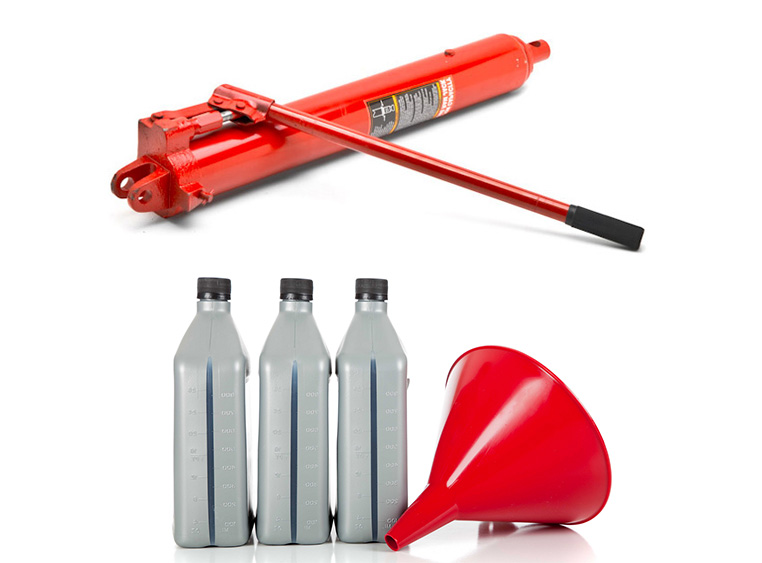
You will need a hydraulic fluid suitable for your hoist. A clean container helps catch old fluid during bleeding. Use a wrench or spanner to open the bleed valve. A turkey baster or syringe can remove old fluid from the reservoir. Rags or paper towels help clean spills and dirt. Have a small funnel ready to refill the fluid tank.
Safety Gear
Wear safety goggles to protect your eyes from fluid splashes. Use gloves to keep your hands clean and safe. Long sleeves protect your skin from contact with hydraulic fluid. Keep a fire extinguisher nearby in case of emergencies. Wear sturdy shoes to prevent injuries from falling tools or parts.
When To Bleed The Hoist
Knowing when to bleed a hydraulic engine hoist is key to keeping it working well. Air can get trapped inside the hydraulic system. This causes the hoist to lose power or move slowly. Regular bleeding removes the air and keeps the hoist strong. Understanding the signs of air and following a maintenance schedule helps you decide the right time to bleed.
Signs Of Air In The System
Listen for strange noises when lifting. A spongy or jerky motion shows air in the system. The hoist may not hold weight steady. It might sink slowly after lifting. These signs mean air has entered. Bleeding the hoist removes this air. It restores smooth and strong lifting action.
Maintenance Schedule
Bleed the hoist every few months. Check your user manual for exact timing. After long storage, always bleed before use. Bleed after any repair or if oil is replaced. Regular bleeding prevents damage. It keeps the system free of air. Staying on schedule saves time and money.
Preparing The Hoist
Preparing the hoist is an important step before bleeding the hydraulic system. It helps to avoid damage and ensures safety. Taking time to prepare the hoist makes the bleeding process smooth and effective.
Positioning The Hoist
Place the hoist on a flat, stable surface. This prevents it from tipping over during the bleeding process. Lock the wheels or legs if possible. Keep the hoist near a drain or a place where oil can be safely caught. Position the hoist so you can easily reach the hydraulic pump and release valve.
Cleaning The Components
Wipe down the hoist’s hydraulic pump, release valve, and reservoir. Remove dirt, dust, and grease from these parts. Clean components prevent contamination of the hydraulic fluid. Use a clean cloth and mild cleaner. Avoid using water near the hydraulic parts. Clean parts help the hoist work better and last longer.

Bleeding Process
The bleeding process is essential for a hydraulic engine hoist to work properly. Air trapped inside the hydraulic system can cause poor lifting power and slow operation. Removing this air ensures smooth and safe hoist performance.
This process involves releasing trapped air and refilling the hydraulic fluid. Each step is simple but must be done carefully. Follow these steps to bleed your engine hoist correctly.
Releasing Air From The Reservoir
Start by locating the hydraulic fluid reservoir. Open the cap slowly to release any built-up pressure. This step allows air to escape from the top of the reservoir. Keep the cap off during the bleeding process to avoid trapping more air inside.
Operating The Pump
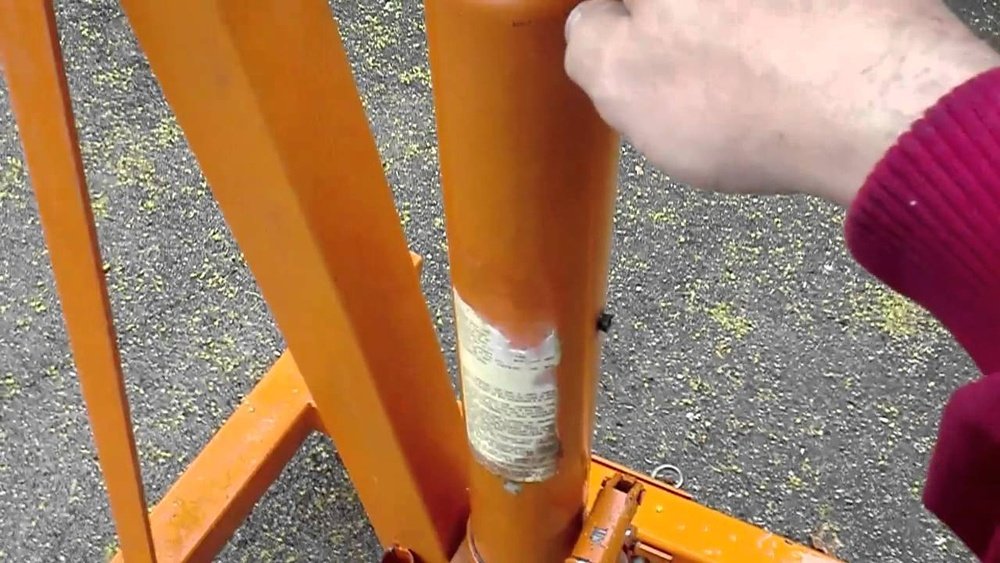
Next, use the hoist’s pump handle. Pump it several times to push hydraulic fluid through the system. This action forces air bubbles toward the reservoir opening. Continue pumping until you feel steady resistance, which means air is mostly gone.
Checking For Air Bubbles
Look inside the reservoir for air bubbles in the fluid. If bubbles appear, keep pumping and releasing air through the reservoir. The fluid should look clear and free of bubbles. This check confirms the system is properly bled and ready to use.
Refilling Hydraulic Fluid
Refilling the hydraulic fluid is a key step in maintaining your engine hoist. This process ensures smooth lifting and prevents damage. Using the right fluid and following the correct procedure keeps the system working well.
Choosing The Right Fluid
Choose hydraulic fluid that matches the hoist’s specifications. Most engine hoists need a specific type of fluid, often listed in the manual. Using the wrong fluid can cause leaks or damage. Always pick clean, high-quality fluid to avoid contamination. Avoid mixing different fluids as this can harm the system.
Filling Procedure
Start by placing the hoist on a flat surface. Open the hydraulic fluid reservoir cap carefully. Use a clean funnel to pour the fluid slowly into the tank. Fill it up to the recommended level marked inside the reservoir. Avoid overfilling as it can cause pressure problems. Close the cap tightly after filling. Check for any leaks before testing the hoist.

Testing The Hoist
Testing the hoist after bleeding is important. It shows if the bleeding process worked well. Testing helps to find any problems early. It also ensures the hoist works safely. Follow simple steps to check the hoist’s performance.
Load Test
Start with a light load. Lift it slowly to check for any slips. Watch the hoist closely during the lift. Make sure it holds the load without dropping. Try raising and lowering the load a few times. This shows if the hydraulic system is sealed and strong. If the hoist drops or feels weak, it may need more bleeding or repair.
Smooth Operation Check
Move the hoist arm smoothly up and down. Listen for strange noises like hissing or grinding. Check if the movements feel jerky or stuck. The hoist should operate fluidly without any pauses. Smooth operation means no air is trapped in the system. If movements are rough, repeat the bleeding process. This step keeps your hoist safe and reliable.
Troubleshooting Tips
Troubleshooting your hydraulic engine hoist can save time and avoid damage. Problems like air in the system or fluid leaks can stop your hoist from working right. Knowing what to check helps fix these issues fast. Here are some tips to solve common problems when bleeding a hydraulic engine hoist.
Persistent Air Issues
Air trapped in the hydraulic system causes weak lifting power. Pump the handle slowly to push air out. Check all connections for tight seals. Loosen bleed screws slightly to release trapped air. Repeat the bleeding process until no air bubbles appear. Avoid pumping too fast; it can create more air. Use clean hydraulic fluid to prevent contamination. Make sure the fluid level stays full during bleeding.
Fluid Leaks
Leaks reduce hydraulic pressure and cause poor performance. Inspect hoses and seals for cracks or damage. Tighten any loose fittings carefully to stop leaks. Replace worn or broken parts immediately. Clean any spilled fluid to spot fresh leaks quickly. Use the correct fluid type to avoid seal damage. Regular maintenance helps catch leaks early and keeps your hoist safe.
Frequently Asked Questions
How Do You Know When To Bleed A Hydraulic Hoist?
Bleed your hydraulic hoist if it feels spongy or slow. Air in the system reduces lifting power and smoothness. Regular checks help maintain optimal performance and safety during use.
What Tools Are Needed To Bleed A Hydraulic Engine Hoist?
You need a wrench, hydraulic fluid, a clean container, and rags. These tools help open bleed valves, catch fluid, and keep the area clean during bleeding.
How Long Does Bleeding A Hydraulic Hoist Usually Take?
Bleeding typically takes 10 to 20 minutes depending on the hoist size. Proper bleeding ensures air is fully removed for efficient lifting.
Can You Bleed A Hoist Without Removing It From Use?
Yes, bleeding can be done while the hoist remains in place. Just ensure it is in a stable, safe position before starting the process.
Conclusion
Bleeding a hydraulic engine hoist keeps it working smoothly and safely. Air in the system can cause weak lifting or failure. Regular bleeding removes trapped air and restores proper pressure. Take your time and follow each step carefully. With clean hydraulic fluid and no air, your hoist will perform better.
This simple maintenance helps extend the life of your tool. Stay safe and keep your hoist ready for any job. Small effort, big difference.