Do you feel like your car stereo’s bass is missing that punch? You’re not alone.
Many people struggle to get deep, rich bass from their car sound systems. But what if you could make your music come alive with just a few simple tweaks? Imagine driving with powerful beats that make every song feel like a live concert.
You’ll discover easy and effective ways to boost bass on your car stereo. Get ready to transform your driving experience and enjoy music like never before. Keep reading, because your perfect sound is just a few steps away.

Choosing The Right Subwoofer
Choosing the right subwoofer is key to boosting bass in your car stereo. A good subwoofer improves sound quality and adds deep bass tones. It must fit your car and match your audio system. Picking the right one needs some knowledge about types, size, and power. This helps you get clear and strong bass without damage.
Types Of Subwoofers
There are two main types of subwoofers: sealed and ported. Sealed subwoofers offer tight and accurate bass. They are small and easy to install. Ported subwoofers provide louder and deeper bass. They use a vent to push more air. Choose based on your sound preference and space in your car.
Size And Power Considerations
Subwoofers come in sizes from 8 to 15 inches. Larger subwoofers produce louder bass but take more space. Smaller ones fit in tight spots but give less bass. Power rating is important. It shows how much power the subwoofer can handle. Match power with your amplifier for best results. Avoid overpowering or underpowering the subwoofer.
Matching Subwoofers With Amplifiers
The amplifier must work well with your subwoofer. Check the subwoofer’s power and impedance ratings. Use an amplifier that matches these ratings. This prevents sound distortion and equipment damage. Proper matching gives clean and strong bass. It also makes your audio system last longer.
Optimizing Speaker Placement
Optimizing speaker placement plays a key role in boosting bass on a car stereo. Proper positioning helps the sound waves travel better. It makes the bass deeper and clearer. Small changes in placement create big differences in sound quality.
Understanding where to put speakers can improve bass without extra equipment. Avoid spots where sound gets weak or muffled. Using enclosures also shapes the bass tone. These steps help create a richer listening experience.
Ideal Locations For Bass Performance
Place subwoofers near solid surfaces like the back of the car. The trunk is a common spot for strong bass. Corners help reflect sound waves, enhancing low frequencies. Avoid placing speakers too close to doors or windows. These areas lose bass power and create noise.
Experiment with angles. Pointing speakers slightly towards the center of the car improves sound balance. Keep speakers stable and secure to prevent vibrations. Proper placement helps the bass feel full and powerful.
Avoiding Sound Dead Spots
Dead spots happen when sound waves cancel each other out. These areas have weak or no bass. Move speakers away from spots near hard surfaces that reflect sound oddly. Avoid placing speakers behind seats or under footwells.
Test bass by playing music and moving around the car. Notice where the bass sounds thin or missing. Adjust speaker positions to fill those gaps. This makes bass consistent throughout the car.
Using Enclosures For Better Bass
Enclosures improve bass by controlling air movement around speakers. Sealed boxes offer tight, accurate bass. Ported boxes increase volume and deepness. Choose an enclosure that fits your speaker size and car space.
Good enclosures reduce distortion and improve sound clarity. Custom builds match your car’s shape and speaker needs. Enclosures make bass punchier without needing extra power.
Adjusting Equalizer Settings
Adjusting the equalizer settings is a simple way to improve bass on your car stereo. Equalizers control different sound frequencies, allowing better sound balance. Tweaking these settings can make bass sound deeper and clearer. It also helps avoid distortion or overpowering other sounds.
Boosting Low Frequencies
Focus on the low-frequency range, usually between 20 Hz and 200 Hz. Raising these frequencies increases the bass impact. Start by increasing the bass slider slowly. Avoid pushing it too high to prevent distortion. Small changes often make a big difference in sound quality.
Balancing Mid And High Frequencies
Mid and high frequencies affect clarity and detail in music. Lowering mid frequencies slightly can enhance bass presence. Keep high frequencies balanced to maintain crisp sound. This balance helps bass stand out without muffling vocals or instruments.
Using Presets And Custom Settings
Many car stereos offer equalizer presets like “Rock” or “Bass Boost.” Presets provide a quick bass improvement. Experiment with presets to find what suits your music style. For more control, create custom settings. Adjust sliders manually for the best personal sound.
Upgrading Amplifiers
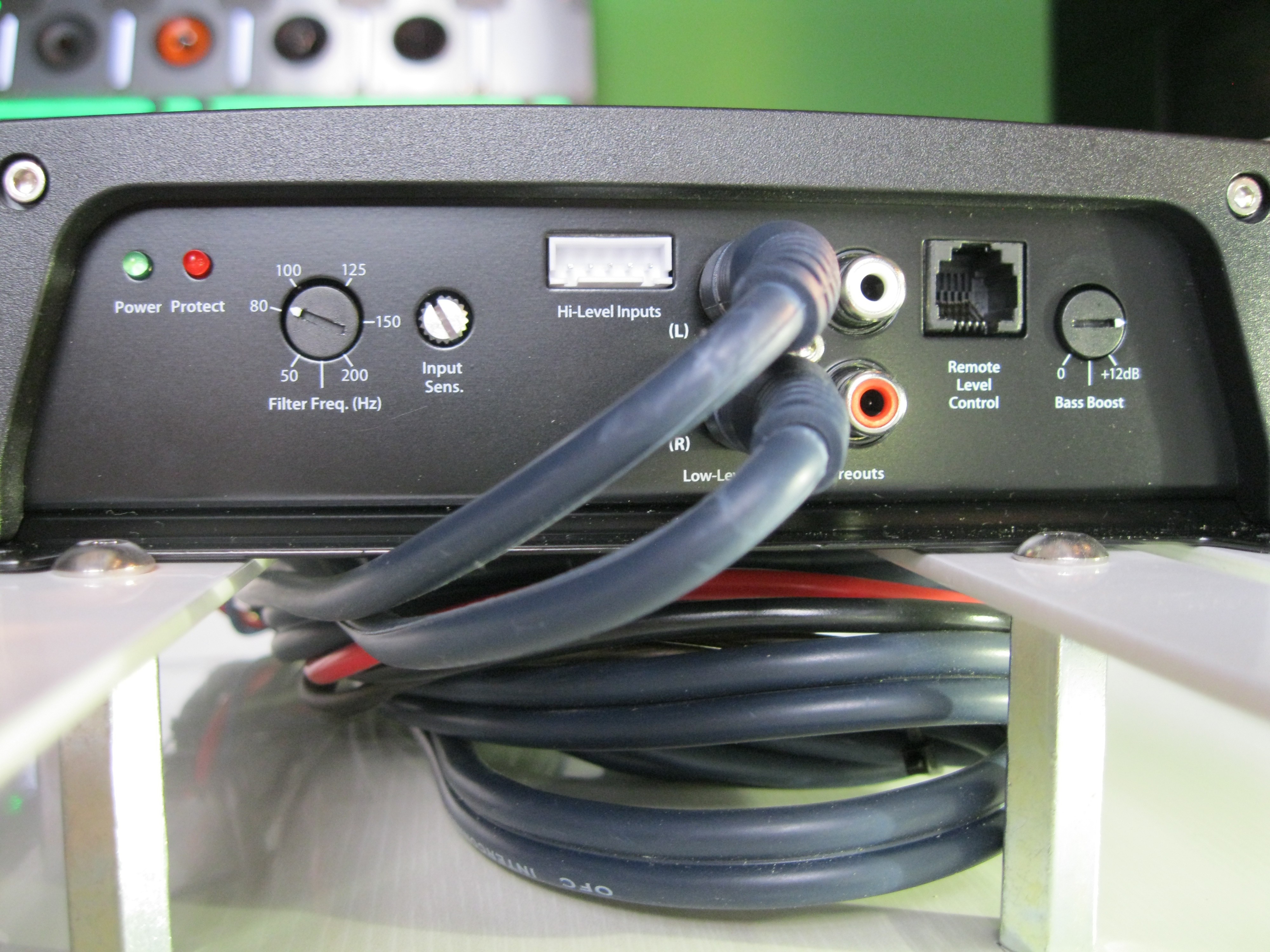
Upgrading your car stereo amplifier can greatly improve bass performance. The amplifier powers your subwoofer and controls sound clarity. A better amplifier means stronger, cleaner bass with less distortion. Choosing the right amplifier and installing it properly will help you get the best sound possible.
Choosing The Right Amplifier
Select an amplifier that matches your subwoofer’s power needs. Check the RMS power rating for a steady output level. Avoid amps with too low or too high power ratings. Match the amplifier’s impedance with your subwoofer’s specs to prevent damage. Simple features and controls make it easier to use.
Power Ratings And Efficiency
Look for an amplifier with enough power to drive your subwoofer. RMS power rating shows continuous power output. Higher efficiency amps produce less heat and save battery life. Class D amplifiers are popular for bass because they use less energy. Efficient amps give strong bass without draining your car’s power system.
Installation Tips For Best Output
Place the amplifier in a dry, well-ventilated area inside your car. Use quality wiring with the correct gauge for your amplifier’s power. Secure all connections tightly to avoid sound issues. Adjust gain controls carefully to balance volume and avoid distortion. Ground the amplifier properly to reduce noise and improve sound clarity.
Soundproofing Your Car
Soundproofing your car helps improve bass by reducing outside noise. Less noise means you hear music clearer and deeper. It creates a better listening space inside your car. This step is important for anyone wanting richer bass sounds.
Materials For Noise Reduction
Use materials like foam mats, mass-loaded vinyl, or sound deadening sheets. These block road noise and vibrations. Choose products designed for car doors, floors, and panels. They are easy to cut and fit in tight spaces.
Installation Techniques
Clean the surface before applying soundproof materials. Press firmly to avoid air gaps or bubbles. Cover doors, floors, trunk, and roof if possible. Combine layers for better noise blocking. Use tools like rollers to secure materials well.
Benefits For Bass Quality
Soundproofing reduces vibrations that distort bass. It keeps bass tones tight and punchy. Music sounds fuller and clearer at low frequencies. Less noise means better sound focus and less volume needed. Your car stereo will perform much better overall.

Fine-tuning Bass With Dsp
Fine-tuning bass with a Digital Signal Processor (DSP) brings precise control to your car stereo sound. DSPs adjust audio signals to improve quality and bass response. They help shape sound exactly how you want it.
Role Of Digital Signal Processors
DSPs change audio signals inside your car stereo system. They correct sound problems and boost bass clarity. This technology processes sound digitally, which means cleaner and sharper bass. DSPs control equalization, crossover points, and timing.
Customizing Sound Profiles
With a DSP, create sound profiles for different music types. Adjust bass levels for rock, pop, or hip-hop easily. Save settings to switch between profiles quickly. This lets you enjoy the perfect bass for every song.
Integrating Dsp With Existing Systems
DSPs work with your current car stereo setup. Connect them to amplifiers and speakers for better sound control. Many DSPs fit behind the dash or near the amplifier. Installation improves bass without replacing your entire system.
Maintaining Your Audio System
Maintaining your car audio system keeps your bass strong and clear. Regular care helps your system last longer and sound better. Small steps can protect your investment and improve your listening experience.
Regular Checks And Cleaning
Check your speakers and subwoofer often for dust and dirt. Clean them gently with a soft cloth. Avoid using water or harsh chemicals on any parts. Keep vents and grills free from blockage to allow airflow. Regular cleaning stops damage and keeps sound clear.
Preventing Damage To Components
Protect your audio system from extreme heat and moisture. Avoid playing music at maximum volume for long periods. Use a surge protector to guard against power spikes. Handle cables and devices carefully during installation or moves. Safe use prevents costly repairs and keeps bass punchy.
Upgrading Cables And Connectors
Old or cheap cables can weaken your bass quality. Use high-quality cables designed for car audio systems. Check connectors for corrosion or looseness and replace if needed. Secure connections reduce signal loss and noise. Better cables help your system deliver deeper, cleaner bass.
Frequently Asked Questions
How Can I Increase Bass On My Car Stereo?
To increase bass, adjust the equalizer settings to boost low frequencies. Adding a subwoofer or amplifier also enhances bass depth and power.
What Settings Improve Bass Quality In A Car Stereo?
Boost the 60-120 Hz frequency range on your equalizer. Ensure bass boost is enabled, and avoid distortion by balancing volume levels.
Does Adding A Subwoofer Help Boost Car Bass?
Yes, a subwoofer specializes in low frequencies, significantly improving bass clarity and impact compared to standard speakers.
Can Amplifier Installation Enhance Bass Performance?
Installing an amplifier provides extra power to speakers and subwoofers, resulting in stronger, clearer bass without distortion.
Conclusion
Boosting bass on your car stereo makes your music more fun to hear. Small changes like adjusting equalizer settings can improve sound a lot. Adding a subwoofer or amplifier gives deeper, richer bass tones. Remember to balance bass with other sounds for the best experience.
Test your settings on different songs to find what sounds best. Enjoy your drive with fuller, stronger bass every time. Simple steps lead to big sound improvements. Your car stereo can deliver great bass with a little effort.