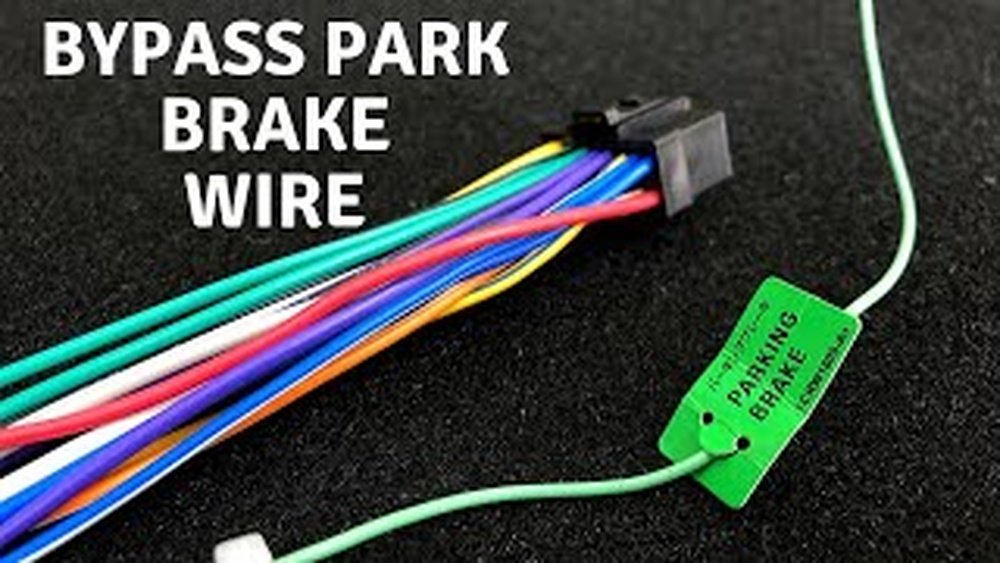
Have you ever faced a situation where your parking brake wire is stuck or broken, leaving you stranded or unable to move your car safely? Knowing how to bypass the parking brake wire can save you time, money, and frustration.
You’ll discover simple, step-by-step methods that anyone can follow to handle this issue quickly and effectively. Keep reading to learn the tricks that can get your vehicle back on the road without unnecessary delays.
Signs Of A Faulty Parking Brake Wire
Knowing the signs of a faulty parking brake wire helps keep your vehicle safe. Early detection can prevent bigger problems and costly repairs. This guide highlights key symptoms and safety risks linked to a damaged parking brake wire.
Common Symptoms
The parking brake may not hold the car firmly on slopes. You might hear unusual noises when applying or releasing the brake. The brake lever or pedal could feel loose or soft. Warning lights on the dashboard might stay on or flicker. Sometimes, the brake won’t engage fully, causing the vehicle to roll slowly.
Safety Risks Involved
A faulty parking brake wire can cause the brake to fail unexpectedly. This increases the risk of the car moving on its own. Parking on hills becomes dangerous without a working brake. It can lead to accidents or damage to property. Always address brake wire issues quickly for safe driving and parking.
Tools Needed For The Bypass
Bypassing a parking brake wire requires specific tools to work safely and correctly. Having the right tools helps you finish the task faster and avoid damage to your vehicle. Prepare all items before starting the bypass process.
Essential Tools
A wire stripper is necessary to remove the insulation from the brake wire. Use a pair of pliers for gripping and twisting wires securely. A multimeter helps check electrical connections to ensure the bypass is working. A screwdriver set is useful for removing panels or covers around the brake system. Electrical tape is needed to insulate wires after the bypass is complete.
Safety Gear Recommendations
Wear safety gloves to protect your hands from cuts and burns. Use safety goggles to shield your eyes from sparks or debris. A long-sleeve shirt can protect your arms during the work. Work in a well-lit area to see all parts clearly. Keep a fire extinguisher nearby in case of accidental sparks.
Preparing Your Vehicle
Preparing your vehicle is the first step before you bypass the parking brake wire. It ensures safety and prevents damage to your car. Taking simple precautions will help you work with confidence and avoid accidents.
Follow these steps carefully. Each step is important to make the process smooth and safe.
Park On A Flat Surface
Always park your vehicle on a flat and level surface. This stops the car from rolling or moving unexpectedly. Uneven ground can cause the car to shift, which is dangerous while working on the parking brake.
Check that the wheels are straight. This adds extra stability to your parked vehicle.
Engage The Transmission
Put the car into gear or park mode. For automatic cars, shift to “P” (Park). For manuals, shift into first gear or reverse. This locks the transmission and stops the wheels from turning.
Apply the regular foot brake to hold the car steady while working.
Disconnect The Battery
Turn off the engine and remove the key. Open the hood and disconnect the negative battery terminal first. This cuts power and lowers the risk of electric shock or short circuits.
Wear gloves and use proper tools to avoid sparks. Keep the battery cable away from the terminal until the work is done.
Locating The Parking Brake Wire
Locating the parking brake wire is the first step in bypassing it. The wire connects the parking brake lever or pedal to the brake system. Finding this wire helps in understanding how the parking brake works. It also makes it easier to bypass or fix any issues related to it.
Accessing The Brake Cable
Start by opening the vehicle’s interior near the parking brake. Usually, the brake cable runs under the center console or near the rear seats. Remove any panels or covers that block access. Use simple tools like screwdrivers or trim removers. Be gentle to avoid breaking clips or damaging parts.
Check under the car if needed. The cable often runs along the chassis to the rear wheels. Use a flashlight to see clearly. Make sure the car is parked safely before going underneath.
Identifying The Wire
The parking brake wire is often thin and coated in plastic. It usually connects to the brake lever or pedal inside the car. Follow the wire from the lever to where it meets the brake cable. Look for wires that move when you pull or push the brake.
Some cars have more than one wire, so take time to identify the right one. The parking brake wire may have a unique color or connector. Cross-check with the car manual or wiring diagrams if available.
Step-by-step Bypass Process
Bypassing the parking brake wire requires careful steps to ensure safety and proper function. This guide breaks down the process into clear, easy actions. Follow each step carefully for the best results.
Disconnecting The Wire
Start by locating the parking brake wire under your vehicle or near the brake lever. Use a wrench or pliers to loosen and disconnect the wire from its connection points. Be gentle to avoid damaging other parts. Make sure the vehicle is stable and parked securely before you begin.
Installing The Bypass
Take the bypass wire or connector and attach it where the original wire was disconnected. This step allows the brake system to bypass the parking brake function. Ensure the bypass fits snugly and matches the wire size. A loose connection can cause problems later.
Securing Connections
Use electrical tape or wire clamps to secure the new connections. Tighten all bolts and screws firmly. Double-check the wire routing to avoid contact with moving parts or heat sources. A secure setup prevents accidental disconnections and potential failures.
Testing The Bypass
Testing the bypass is a crucial step after you modify the parking brake wire. It ensures the system works correctly and safely. This phase helps identify any faults early. It also confirms that the bypass does not affect other vehicle functions. Careful testing prevents future problems and keeps your car reliable.
Verifying Brake Engagement
Start by checking if the parking brake engages properly. Pull the brake lever or press the pedal. The brakes should hold the vehicle firmly in place. Test this on a small slope for better accuracy. If the car rolls, the bypass may not be working right. Adjust the wiring or connections and test again. Proper engagement is key for safety on slopes and hills.
Checking For Electrical Issues
Inspect all wiring for any signs of damage or loose connections. Use a multimeter to test the voltage and continuity. Make sure the bypass wire does not cause shorts or power loss. Observe the dashboard for any warning lights related to brakes. Flickering or constant lights indicate electrical problems. Fix these issues before driving to avoid accidents or breakdowns.
Tips For Maintaining Your Parking Brake
Maintaining your parking brake is key to keeping your vehicle safe and reliable. A well-maintained parking brake stops your car from rolling on slopes. It also helps in emergency stops. Simple care can extend the life of your parking brake system.
Regular Inspections
Check the parking brake regularly for signs of wear or damage. Look for frayed wires, loose parts, or rust. Test the brake by pulling it up and feeling the resistance. It should hold the car firmly in place. Listen for unusual sounds when using the brake. These checks help catch problems early before they get worse.
When To Replace Parts
Replace parking brake parts if they look worn or fail to work well. Brake cables often wear out first and need changing. If the brake does not hold tight, it might mean the pads are thin. Rusted or broken parts must be replaced quickly. Using old parts can lead to brake failure. Always use parts made for your vehicle model.

When To Seek Professional Help
Knowing when to seek professional help is important when dealing with parking brake wire issues. Some situations need expert skills and tools. Trying to fix these on your own might cause more harm or risk your safety.
Complex Problems
Some parking brake wire problems are not simple. They might involve the brake system or car electronics. Professionals have the training to diagnose and repair these complex issues. They use special tools to ensure the job is done right. Trying to fix complex problems without skills can lead to bigger damage.
Safety Concerns
Safety must be the top priority. Faulty parking brakes can cause accidents or car damage. Professionals know how to handle these risks safely. They follow proper steps to avoid injury or further problems. Do not risk your safety by attempting dangerous repairs alone.
Frequently Asked Questions
How Can I Safely Bypass A Parking Brake Wire?
To bypass a parking brake wire safely, disconnect the battery first. Locate the wire and use a wire jumper or bypass connector. Ensure you avoid short circuits and wear protective gloves. This prevents electrical damage and keeps the vehicle secure.
Why Would I Need To Bypass The Parking Brake Wire?
Bypassing the parking brake wire is useful when the brake is stuck or malfunctioning. It helps in diagnosing electrical issues or moving the vehicle for repairs. Always use this method temporarily to avoid safety risks.
What Tools Are Required To Bypass Parking Brake Wiring?
You need a wire jumper, insulated gloves, a multimeter, and basic hand tools. A wiring diagram of your vehicle helps identify correct wires. Proper tools ensure a safe and effective bypass process.
Is Bypassing The Parking Brake Wire Legal?
Bypassing parking brake wires can be illegal if it compromises vehicle safety or violates local laws. Use it only for diagnostics or temporary fixes. Always consult local regulations before performing such modifications.
Conclusion
Bypassing a parking brake wire requires care and basic tools. Follow the steps slowly and double-check your work. Avoid rushing to prevent damage or injury. Always prioritize safety while working on your vehicle. Understanding the process helps you save time and money.
Practice patience and keep instructions nearby for reference. This guide aims to make the task clear and simple. Keep your car in good shape by handling repairs wisely.