Are you thinking about upgrading your car stereo but unsure if it will fit your vehicle? Picking the right stereo isn’t just about sound quality—it’s about making sure everything connects perfectly.
If you buy the wrong one, you could face frustrating installation problems or end up spending more money fixing compatibility issues. Don’t worry, though. This guide will walk you through simple steps to check your car stereo compatibility, so you can shop confidently and enjoy great music without any hassle.
Keep reading to discover how easy it is to find the perfect match for your car and your ears!
Car Stereo Types
Car stereos come in different types. Knowing the type helps in choosing the right stereo for your car. Different cars need different sizes and features. Picking the correct type makes installation easier and improves sound quality.
Understanding stereo types also helps you check compatibility with your car. It saves time and avoids extra costs. Two main factors to consider are the stereo size and whether it is factory or aftermarket.
Single Din Vs Double Din
Single DIN stereos are smaller. They measure about 2 inches tall. They fit older or smaller cars well. Single DIN units usually have basic features like radio and CD players.
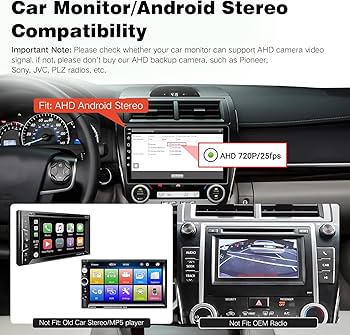
Double DIN stereos are twice as tall, about 4 inches. They offer bigger screens and more options. Touch screens, navigation, and Bluetooth are common in Double DIN units. Make sure your car’s dashboard can hold a Double DIN stereo.
Factory Vs Aftermarket Stereos
Factory stereos come installed in the car by the manufacturer. They match the car’s design perfectly. Factory units often have limited features and fewer upgrade options.
Aftermarket stereos are bought separately. They offer more features and better sound quality. Aftermarket units come in many sizes and styles. Check if your car supports the wiring and space for aftermarket stereos.

Assessing Your Car’s Compatibility
Assessing your car’s compatibility is a key step before installing a new stereo. It helps avoid problems during installation and ensures the stereo fits well. You need to check the space available, wiring, and dashboard design. These factors affect how easily your stereo will work with your car.
Measuring Stereo Space
Start by measuring the space where your current stereo sits. Use a tape measure to get the height, width, and depth. Most car stereos come in standard sizes, like single DIN or double DIN. Knowing your car’s stereo space helps you pick the right size. Avoid buying a stereo that is too big or too small.
Checking Wiring Harness
Next, check your car’s wiring harness. It connects the stereo to your car’s power and speakers. Find out if your car uses a standard wiring harness or a special one. Standard wiring makes installation easier. A special harness may need an adapter or professional help. Look for wiring diagrams in your car manual or online.
Dashboard And Mounting Considerations
Look at your dashboard’s shape and mounting points. Some cars have unique dashboard designs that need special mounting kits. Check if the new stereo fits flush with the dashboard. Also, ensure the mounting brackets match your car’s setup. Proper mounting keeps the stereo secure and looks neat.
Key Features To Match
Choosing the right car stereo means matching key features to your car and needs. These features affect sound quality, ease of use, and connectivity. Pay close attention to power output, speaker compatibility, connectivity, and display options. This helps avoid problems after installation.
Power Output And Speaker Compatibility
Check the power output of the stereo. It should match your car speakers’ power rating. Too much power can damage speakers. Too little power can cause poor sound. Look for RMS wattage, not just peak power. RMS is the true continuous power the stereo can deliver.
Also, consider the speaker impedance. Most car speakers have 4 ohms impedance. Make sure the stereo supports this. Matching impedance ensures better sound and protects equipment.
Connectivity Options
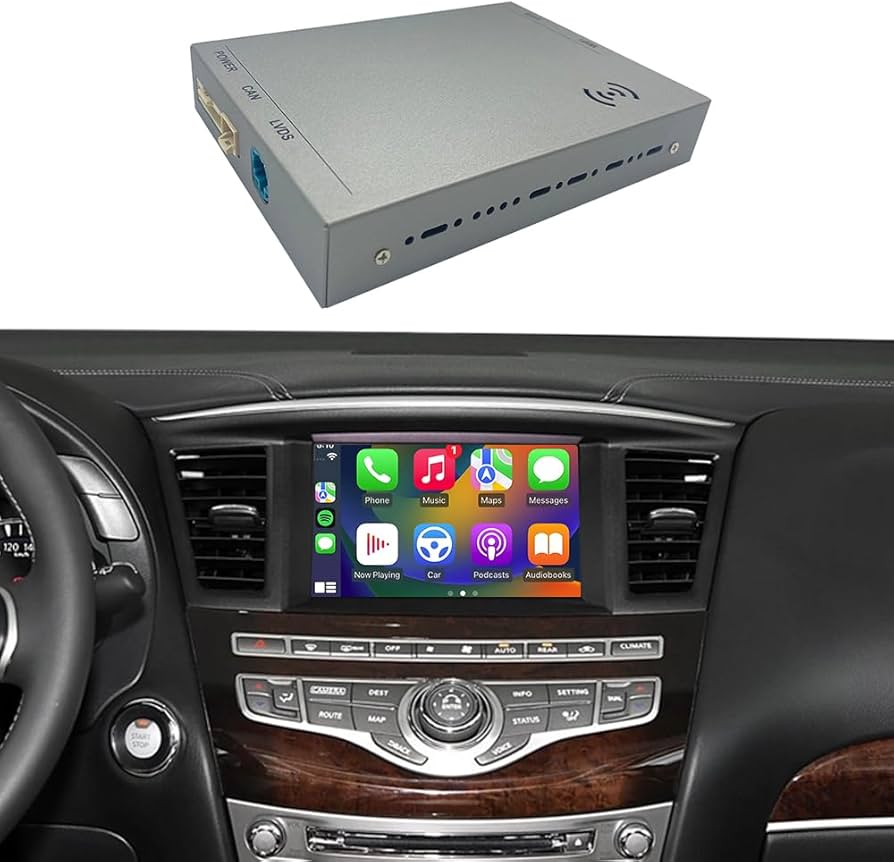
Modern car stereos offer many ways to connect devices. USB ports allow easy access to music from flash drives. Bluetooth lets you play music wirelessly and take calls hands-free. Some stereos support Apple CarPlay or Android Auto for phone integration.
Check if the stereo has AUX input for older devices. Also, see if it supports SD cards. The right connectivity keeps your music flowing without hassle.
Display And Control Features
The display should be clear and easy to read. Larger screens show more information, like song titles and caller ID. Touchscreens make control simple but can be distracting while driving.
Buttons and knobs help quick adjustments without looking away from the road. Backlit controls are useful for night driving. Choose a stereo with controls that suit your style and safety needs.
Tools And Resources
Checking car stereo compatibility can feel tricky. Using the right tools and resources makes the process easier. These resources help you find the perfect fit without guesswork. They save time and prevent mistakes. Let’s explore some helpful options.
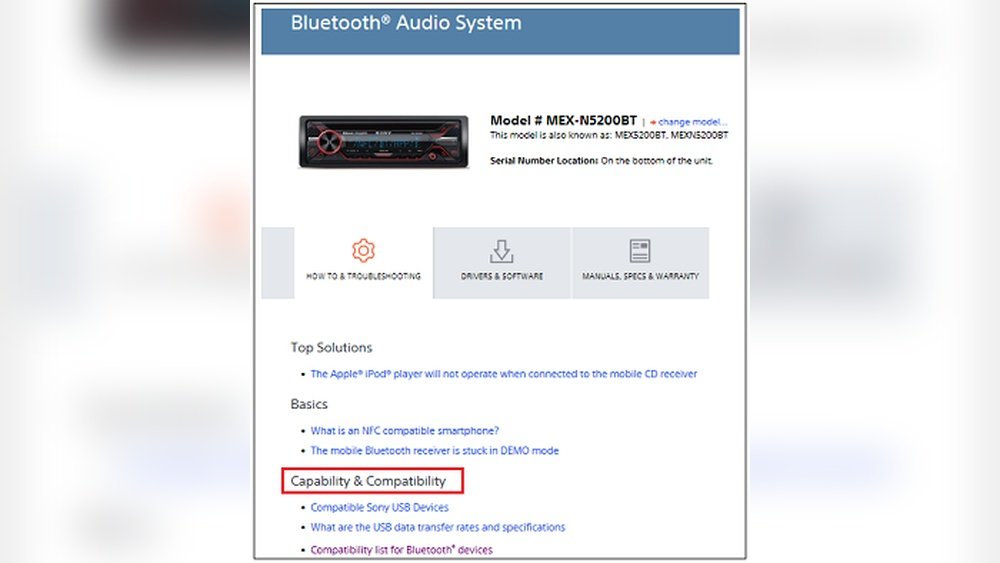
Using Online Compatibility Tools
Many websites offer free compatibility checkers. Enter your car’s make, model, and year. The tool shows which stereos fit your vehicle. It helps avoid buying the wrong size or type. These tools update regularly with new car models and stereo brands. Use them before making a purchase.
Consulting Vehicle Manuals
Your car’s manual is a good place to start. It lists stereo sizes and wiring details. The manual explains factory stereo features. This helps match new stereos with existing connections. Manuals often include diagrams for easier understanding. Keep your manual handy during stereo selection.
Visiting Car Audio Forums
Car audio forums bring together stereo enthusiasts and experts. You can ask questions and read real user experiences. Many forum members share advice on compatibility and installation. These communities often discuss popular car models and stereos. Forums offer practical tips from people like you.
Installation Tips
Installing a new car stereo needs care and planning. Following simple installation tips can save time and avoid damage. Knowing the right steps helps ensure your stereo works well and lasts long.
Professional Vs Diy Installation
Choosing between professional and DIY installation depends on skills and tools. Professionals have experience and proper tools for a smooth job. DIY saves money but requires careful reading of manuals. Some stereos fit easily, but complex models might need expert help.
Common Installation Challenges
Wiring problems are the most common challenge. Incorrect connections can cause the stereo to fail or damage the car. Fitting the stereo to the dashboard may also be tricky if sizes do not match. Avoid rushing the job to prevent mistakes and extra costs.
Testing After Installation
After installation, test all stereo functions. Check sound quality, radio reception, and Bluetooth connection. Make sure all buttons and controls respond well. Testing early helps catch issues before driving the car on the road.
Frequently Asked Questions
How Do I Know If My Car Stereo Fits My Vehicle?
Check your car’s make, model, and year for stereo size. Compare your vehicle’s dashboard opening with stereo dimensions to ensure proper fit.
Can I Use My Old Car Stereo In A New Car?
Compatibility depends on wiring harness and dashboard size. Adapter kits may be needed to connect old stereos to new vehicles.
What Wiring Is Needed For Car Stereo Compatibility?
Use a wiring harness adapter matching your car’s make and model. This simplifies connections without cutting factory wires.
Are Aftermarket Car Stereos Compatible With Factory Controls?
Many aftermarket stereos support factory steering wheel controls with the right adapters. Verify compatibility before purchase to maintain functionality.
Conclusion
Checking car stereo compatibility ensures a smooth installation process. Know your car’s make, model, and year before buying. Match the stereo’s connectors with your vehicle’s wiring. Consider size, power, and features carefully. Testing connections helps avoid future problems. Taking these steps saves time and money.
Enjoy clear sound and easy controls. Stay confident in your car stereo choice. Simple checks lead to better music experiences.