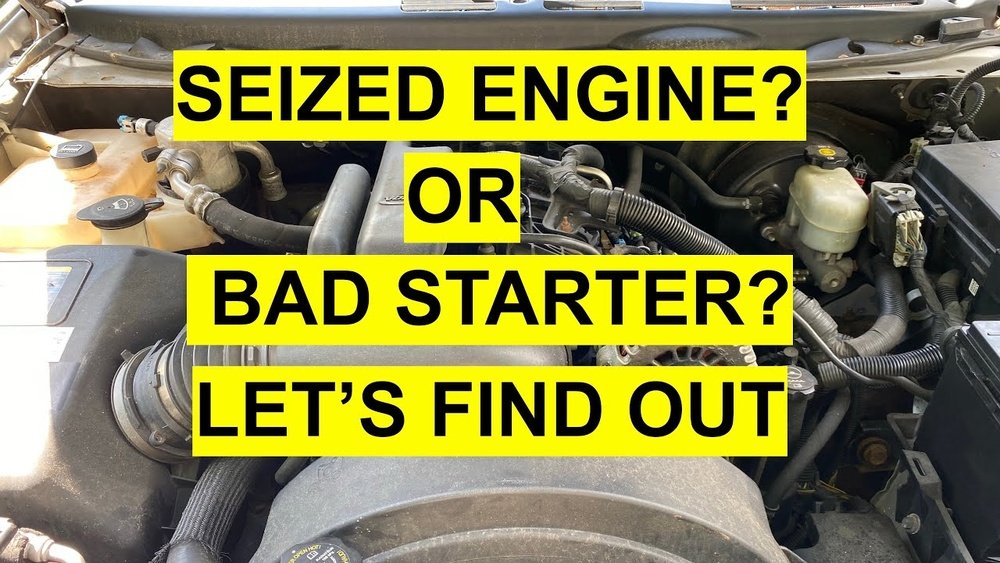
Is your diesel engine acting up or refusing to start? You might be facing a seized engine, a problem that can stop your vehicle cold and cost you time and money.
But how do you know for sure if your diesel engine is seized? You’ll learn simple and effective ways to check your engine’s condition quickly. By understanding the signs and testing methods, you’ll save yourself from costly repairs and get back on the road with confidence.
Keep reading to discover exactly what you need to do to find out if your diesel engine is seized.
Signs Of A Seized Diesel Engine
Knowing the signs of a seized diesel engine helps avoid further damage. A seized engine means parts inside have stopped moving. This can cause serious problems for your vehicle. Recognizing the symptoms early saves time and money on repairs.
Engine Won’t Turn Over
The most common sign is the engine not turning over. When you try to start the vehicle, the engine feels stuck. The starter motor may click, but the engine does not spin. This indicates internal parts may be locked or damaged.
Unusual Noises
Listen for strange sounds when starting the engine. Grinding, knocking, or banging noises can signal a problem. These sounds come from parts rubbing or breaking inside the engine. Such noises often appear before the engine completely seizes.
Excessive Smoke
Thick smoke from the exhaust is a warning sign. Smoke can be black, white, or blue, depending on the issue. Excessive smoke means fuel or oil is burning incorrectly. This often happens if the engine is damaged or stuck.
Overheating Issues
The engine may get very hot quickly. Overheating happens when parts inside cannot move freely. Coolant may leak or fail to circulate properly. This causes the engine temperature to rise fast, risking a seizure.
Tools Needed For Inspection
Checking if a diesel engine is seized requires some basic tools. These tools help you inspect the engine safely and accurately. Having the right equipment makes the process easier and faster. Below are the essential tools needed for inspection.
Basic Hand Tools
Basic hand tools include wrenches, screwdrivers, and pliers. These tools help remove engine covers and parts. A socket set is useful to loosen bolts. A breaker bar can give extra leverage to turn tight parts. These tools allow you to access the engine easily.
Diagnostic Equipment
Diagnostic equipment helps find engine problems beyond physical inspection. A compression tester checks cylinder pressure. Low pressure may indicate a seized engine. A multimeter measures electrical signals in the engine. Some scanners read engine fault codes. These tools give more information about engine health.
Safety Gear
Safety gear protects you during the inspection process. Gloves keep your hands clean and safe from sharp parts. Safety glasses protect eyes from debris. Wear work clothes that cover your skin. Use a face mask if dust or fumes are present. Safety gear reduces the risk of injury.
Initial Visual Checks
Before diving deep into engine diagnostics, start with some simple visual checks. These steps help spot obvious problems. They save time and guide you on what to do next. Visual inspections show signs of damage or neglect. They give clues about the engine’s health and if it might be seized.
Inspect Engine Exterior
Look closely at the outside of the engine. Check for cracks, rust, or broken parts. Dirt and grime can hide issues, so wipe the surface clean. Examine belts and hoses for cracks or wear. Tighten any loose bolts or connections. A damaged exterior might mean bigger problems inside.
Check Oil And Coolant Levels
Open the oil cap and dipstick to check oil level and color. Low or dark oil can cause engine damage. Look at the coolant reservoir. The coolant should be full and clean. Low coolant might cause overheating, leading to engine seizure. Proper fluid levels are essential for engine health.
Look For Leaks Or Damage
Scan the area under the engine for puddles or wet spots. Oil, coolant, or fuel leaks indicate a problem. Check hoses and seals for cracks or breaks. Any leaks can lead to engine failure. Early detection prevents severe damage and costly repairs.

Manual Crankshaft Test
The manual crankshaft test helps check if a diesel engine is seized. It uses simple tools to try turning the engine by hand. This test gives a clear idea about the engine’s condition without starting it. It saves time and avoids extra damage.
Follow these steps carefully to perform the manual crankshaft test safely and effectively.
Locate The Crankshaft Pulley
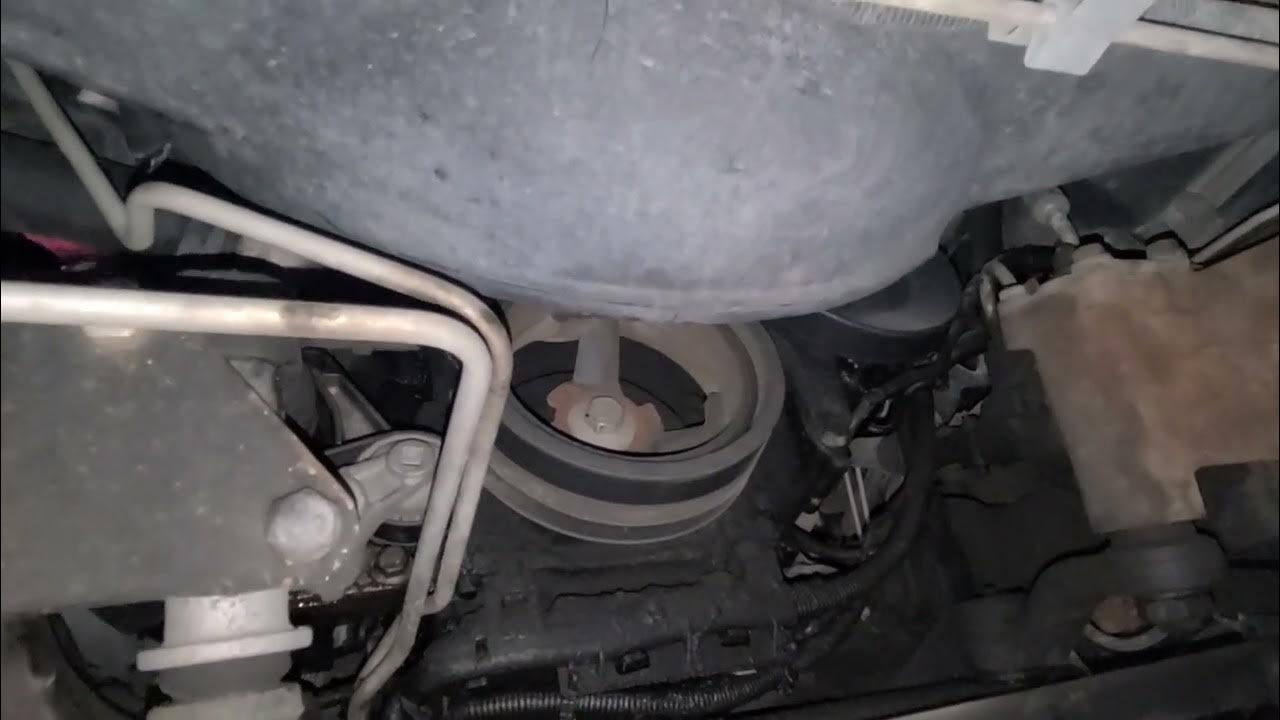
Find the crankshaft pulley at the front of the engine. It is a large, round wheel connected to the crankshaft. This pulley turns when the engine runs. Clear any dirt or debris around it for easy access.
Use A Wrench To Rotate
Use a suitable wrench or socket on the crankshaft pulley bolt. Turn the wrench slowly in the engine’s normal rotation direction. Apply steady pressure. Avoid sudden or forceful movements to prevent damage.
Interpreting Resistance
Feel how the crankshaft moves under your hand. Smooth, steady turning means the engine is not seized. Hard resistance or no movement indicates a possible seizure. Some resistance is normal due to compression and friction.
Use these clues to decide if the engine needs further inspection or repair.
Battery And Starter Assessment
Checking the battery and starter is a key step to find out if a diesel engine is seized. These parts help start the engine by providing power and turning it over. Problems with the battery or starter can mimic a seized engine.
Test these parts carefully. This helps avoid confusion and saves time during diagnosis.
Test Battery Voltage
Use a voltmeter to check the battery voltage. A healthy battery should show about 12.6 volts when the engine is off. Lower voltage means the battery is weak or dead. Charge the battery fully and test again. A low voltage battery may not start the engine properly.
Check Starter Motor Function
Inspect the starter motor for signs of damage or wear. Make sure the wiring is tight and clean. Tap the starter lightly with a tool to free any stuck parts. Try to start the engine while watching the starter motor. If the starter does not spin, it could be faulty or the engine might be seized.
Listen For Clicking Sounds
Listen closely when you turn the key. A clicking sound means the starter solenoid is working but the motor may not engage. Rapid clicks often signal a weak battery. No sound at all could mean a dead battery or broken starter. These sounds help diagnose the cause of the problem quickly.
Compression Test
A compression test is a key step to check if a diesel engine is seized. It measures the pressure inside the engine cylinders. Low or no pressure can mean serious engine problems. This test helps find out if the engine moves and seals properly.
Prepare The Engine
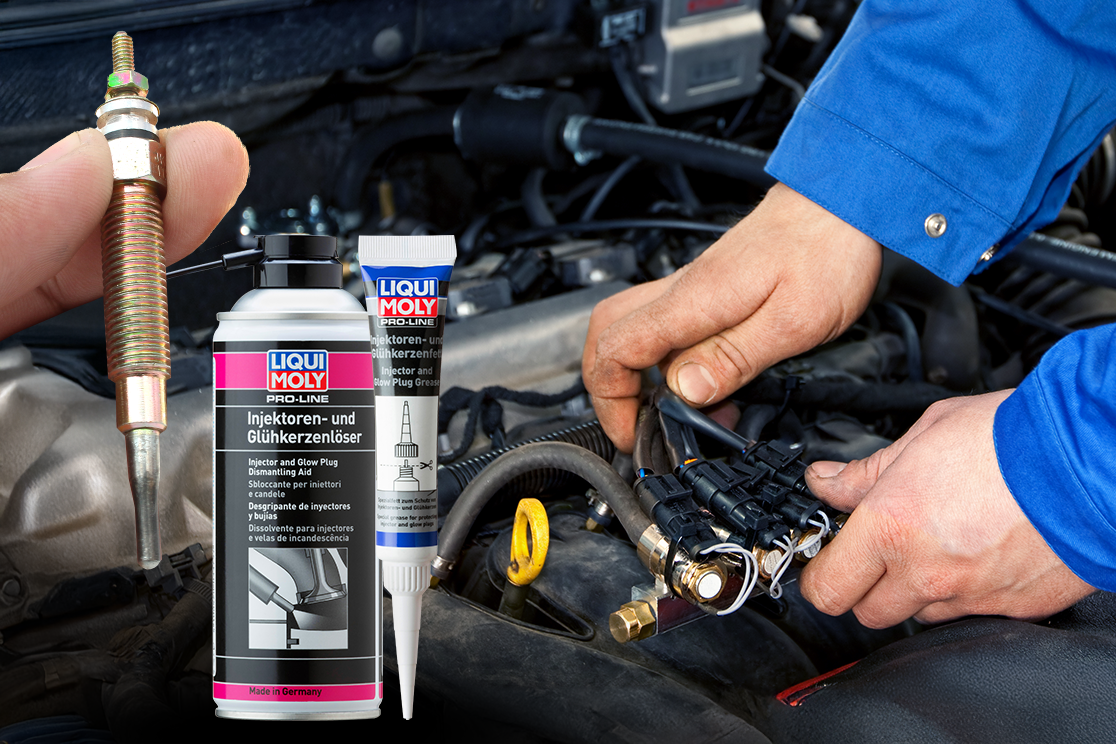
First, remove the fuel pump fuse or disconnect the fuel injectors. This stops the engine from starting during the test. Next, disable the ignition system to avoid sparks. Remove the glow plugs or injectors to access each cylinder.
Use A Compression Gauge
Insert the compression gauge into the spark plug or injector hole. Crank the engine slowly using the starter motor. Watch the gauge as it shows the pressure in the cylinder. Repeat this for every cylinder to get accurate results.
Analyze Results
Check the pressure readings on the gauge. Healthy cylinders usually have high and similar pressure levels. Very low or zero pressure means the cylinder is not compressing air. This condition can indicate a seized engine or damaged parts.
Using Diagnostic Tools
Using diagnostic tools can help check if a diesel engine is seized. These tools give clear information about the engine’s condition. They make it easier to spot problems early. You can save time and avoid costly repairs by using them.
Scan For Error Codes
Start by scanning the engine for error codes. These codes show specific issues inside the engine. A code reader or scanner connects to the vehicle’s computer system. It quickly finds faults that may cause the engine to seize. This step helps pinpoint the problem without guesswork.
Monitor Engine Parameters
Next, monitor key engine parameters with a diagnostic tool. Check oil pressure, coolant temperature, and RPM readings. Low oil pressure or high temperature can signal engine damage. Watching these numbers helps detect if the engine is stuck or seized. It gives a real-time view of engine health.
Evaluate Sensor Data
Finally, evaluate data from sensors around the engine. Sensors track fuel flow, air intake, and exhaust gases. Faulty sensors can cause engine failure or seizure. Reviewing sensor data shows if parts are working correctly. It helps confirm if the engine is seized or still functional.
Next Steps After Confirmation
After confirming that your diesel engine is seized, the next steps are crucial. Taking immediate and clear actions can help prevent further damage and reduce repair costs. Knowing what to do next will save you time and stress.
Consult A Professional Mechanic
Always start by talking to a trusted mechanic. They can check the engine and confirm the problem. Professionals have the tools and knowledge to assess the damage. Their advice helps you understand the condition and options. Do not try to fix a seized engine alone. Experts can also estimate the repair costs accurately.
Consider Engine Repair Options
Depending on the damage, repairs may be possible. Some engines can be freed by cleaning and replacing parts. Sometimes, internal components need fixing or replacing. Repairing can be cheaper than buying a new engine. Ask your mechanic about the best repair choices. Know the risks and benefits of each option before deciding.
Evaluate Replacement Possibilities
If repairs are too expensive or not possible, consider replacing the engine. A new or rebuilt engine can restore your vehicle’s performance. Replacement costs vary based on engine type and availability. Think about the vehicle’s age and overall condition before replacing. A mechanic can guide you through the replacement process. This step can bring your engine back to life.
Frequently Asked Questions
How Can I Tell If My Diesel Engine Is Seized?
A seized diesel engine won’t turn over when you try to start it. You may hear a clicking sound or no sound at all. The engine will feel locked, and the crankshaft won’t move. These signs indicate a possible engine seizure.
What Causes A Diesel Engine To Seize?
Diesel engines can seize due to lack of oil, overheating, or mechanical failure. Low lubrication increases friction, causing parts to weld together. Overheating damages components. Regular maintenance prevents these issues and keeps the engine running smoothly.
Can I Fix A Seized Diesel Engine Myself?
Fixing a seized diesel engine requires mechanical knowledge and tools. Minor issues may be resolved by loosening stuck parts. However, major damage often needs professional repair or engine replacement. Always assess damage before attempting repairs.
How To Prevent Diesel Engine Seizure?
Regular oil changes and timely maintenance prevent engine seizure. Check oil levels and coolant regularly. Avoid running the engine without proper lubrication. Address any unusual noises or overheating immediately to protect your engine.
Conclusion
Checking if a diesel engine is seized helps avoid costly repairs. Start with simple tests like turning the key or using a wrench. Listen for unusual sounds or resistance in the engine parts. Early detection can save time and money.
Keep your engine well-maintained to prevent seizing issues. Regular checks ensure your diesel engine runs smoothly. Stay alert to signs of trouble for better engine health. Taking quick action can protect your vehicle’s performance and lifespan.


