Are you ready to upgrade your driving experience with a new car stereo but don’t know where to start? Choosing the right car stereo can feel overwhelming with so many options and features.
But don’t worry—this guide is made just for you. By the time you finish reading, you’ll know exactly what to look for, how to avoid common mistakes, and pick the perfect stereo that fits your needs and budget. Imagine driving with clear sound, easy controls, and the music you love right at your fingertips.
Let’s make that happen together. Keep reading to discover how simple it can be!
Types Of Car Stereos
Choosing the right car stereo can feel confusing for beginners. Understanding the types of car stereos helps make the choice easier. Car stereos come in different styles and functions. Knowing these types saves time and ensures the stereo fits your needs.
Single Din Vs Double Din
Single DIN stereos are smaller and fit most cars. They measure about 2 inches tall. Double DIN stereos are twice as tall, about 4 inches. This size allows more features like bigger screens. Single DIN models focus on basic functions. Double DIN models offer advanced options and better displays.
Digital Vs Analog
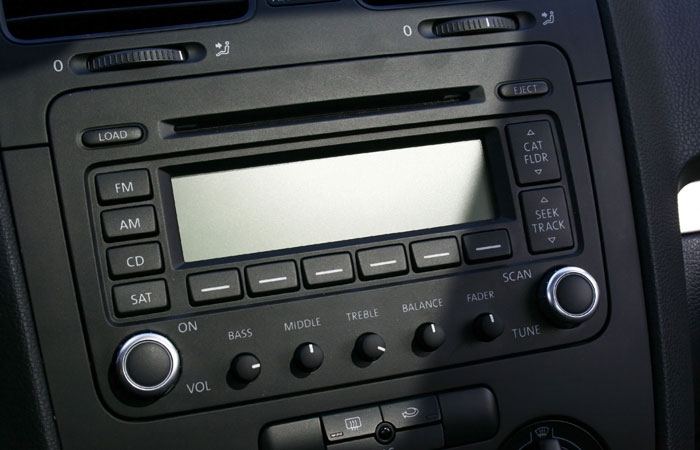
Analog stereos use traditional knobs and buttons. They are simple to use and often cheaper. Digital stereos use screens and menus to control music. They can connect to phones and apps. Digital models give more control and better sound quality. Both types work well but suit different preferences.
Touchscreen Models
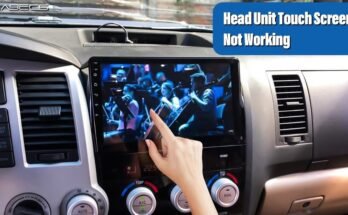
Touchscreen car stereos are popular for their ease of use. They look like small tablets and respond to taps. These models often include navigation and smartphone integration. Touchscreens reduce the number of physical buttons. They help keep the dashboard clean and modern.

Key Features To Look For
Choosing the right car stereo means knowing what features matter most. This helps you pick a model that fits your needs. Some features improve sound, while others make the stereo easier to use. Focus on these key features to get the best experience in your car.
Audio Quality And Power
Good sound makes every drive better. Check the stereo’s power output. More power means louder, clearer music. Look for models with built-in amplifiers for strong audio. Also, pay attention to sound settings like bass and treble controls. These help you adjust sound to your liking.
Connectivity Options
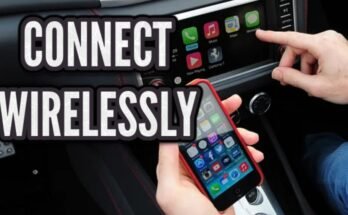
Modern stereos connect to many devices. USB ports let you play music from drives. Bluetooth offers wireless connection to phones and tablets. Some stereos support Apple CarPlay or Android Auto. These features make it easy to use apps and maps safely.
User Interface And Controls
The stereo should be simple to operate. Large buttons and clear displays improve ease of use. Touchscreens are popular but check if they respond well. Voice control adds safety by allowing hands-free commands. Choose a model with controls you find comfortable.
Compatibility With Your Vehicle
Choosing a car stereo that fits your vehicle is important. Compatibility affects how well the stereo works and looks. It saves time and avoids extra costs. This section covers key points to check before buying. Focus on size, wiring, and system integration.
Size And Fit
Car stereos come in standard sizes. Most cars use single DIN or double DIN units. Measure your car’s dashboard space first. A stereo that fits well looks neat. It also stays secure while driving. Avoid stereos that need big changes to your car.
Wiring And Installation
Wiring varies by car make and model. Check your car’s wiring harness type. Many stereos come with adapters for easy connection. Proper wiring prevents sound problems and electrical issues. Installation can be simple with matching connectors. If unsure, seek professional help for safe setup.
Integration With Factory Systems
Modern cars have built-in systems like steering controls and displays. A compatible stereo works with these features. It keeps your car’s original functions working. Some stereos support backup cameras or phone connections. Choose a model that fits your car’s technology. This keeps your driving experience smooth.

Budgeting Your Purchase
Setting a clear budget is key before buying a car stereo. It helps narrow choices and avoids overspending. Knowing how much to spend keeps the process simple and stress-free.
Price Ranges
Car stereos come in many price ranges. Basic models start around $50. Mid-range units can cost $100 to $300. High-end stereos may go above $300. Decide your budget first to find the right option.
Balancing Features And Cost
Focus on features you really need. Simple models often offer good sound and easy controls. Advanced features like touchscreens or Bluetooth add to the price. Pick features that fit your driving habits and budget.
Avoiding Hidden Expenses
Some costs are not obvious at first. Installation fees can add up. Extra parts like wiring or adapters may be needed. Check if the stereo includes all accessories. Plan for these expenses to avoid surprises.
Popular Brands And Models
Choosing the right car stereo is easier when you know the popular brands and models. These brands offer reliable options for beginners. They come with features that suit simple needs and budgets. Understanding these brands helps you pick the best stereo for your car.
Top Brands For Beginners
Pioneer is a well-known brand with easy-to-use models. Sony offers good sound quality and simple controls. Kenwood makes reliable stereos that fit most cars. JVC provides affordable options with decent features. Alpine is famous for clear sound and durability.
Recommended Entry-level Models
Pioneer MVH-1400NEX is a good start for beginners. Sony DSX-A410BT offers Bluetooth and easy setup. Kenwood KMM-BT325 is simple and clear in sound. JVC KD-X270BT gives good value with modern features. Alpine UTE-73BT is easy to use and reliable.
Customer Reviews And Ratings
Most beginners praise Pioneer for clear sound and easy use. Sony’s models get high marks for connectivity and design. Kenwood receives compliments for durability and good price. JVC has positive feedback for simple controls. Alpine users like the sound quality and build.
Installation Tips For Beginners
Installing a car stereo can seem hard for beginners. The right tips make the process easier and safer. This guide breaks down the steps and tools needed for a smooth installation. Follow these tips to avoid common problems and get your new stereo working fast.
Tools Needed
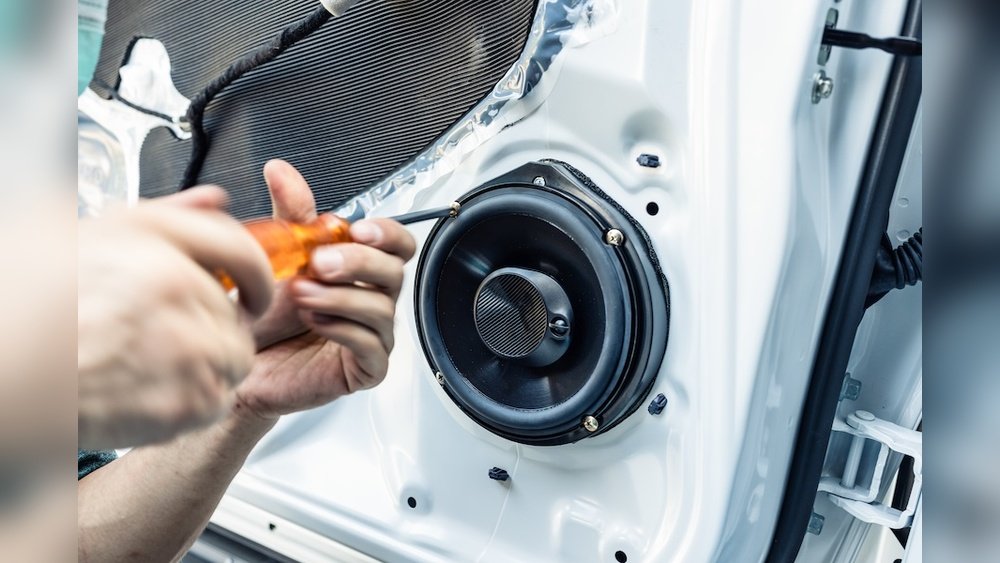
Gather basic tools before starting. You will need a screwdriver set, wire strippers, and electrical tape. A panel removal tool helps take off dashboard parts without damage. A multimeter checks wiring connections. Keep all tools close for easy access.
Step-by-step Installation
First, disconnect the car battery to avoid shorts. Remove the old stereo using the panel removal tool and screwdrivers. Carefully unplug the wiring harness and antenna cable. Connect the new stereo’s wiring harness to the car’s wires. Match wire colors to avoid mistakes. Use wire strippers for clean connections. Secure wires with electrical tape or connectors. Place the stereo into the dashboard slot and screw it tight. Reconnect the battery and test the stereo before reassembling the dashboard.
Common Mistakes To Avoid
Do not force parts during removal or installation. Avoid loose wiring connections, which cause sound issues. Never skip disconnecting the battery. Check wire colors carefully before connecting. Do not overtighten screws to prevent damage. Avoid rushing; take time to follow each step properly. Test the stereo before putting the dashboard back.
Maintaining Your Car Stereo
Maintaining your car stereo is key to enjoying clear sound and long-lasting use. Taking care of the device keeps it working well and helps avoid costly repairs. Simple steps can extend your stereo’s life and improve your driving experience.
Cleaning And Care
Dust and dirt can harm your car stereo. Use a soft, dry cloth to clean the screen and buttons gently. Avoid using water or harsh chemicals that may damage the device. Keep the area around the stereo free from crumbs and debris. This prevents blockages and keeps controls responsive.
Software Updates
Many modern car stereos have software that needs updates. Check for updates regularly to improve performance and add new features. Follow the manufacturer’s guide to download updates safely. Updated software can fix bugs and enhance sound quality.
Troubleshooting Common Issues
Sometimes the stereo may stop working or act strangely. Try restarting the device first. Check all wires and connections for loose ends. If the screen freezes, a reset might help. Consult the manual for specific problems and easy fixes. Knowing basic troubleshooting saves time and frustration.
Frequently Asked Questions
What Factors To Consider When Choosing A Car Stereo?
Consider sound quality, compatibility, features, and budget. Also check size, power output, and connectivity options like Bluetooth and USB.
How Important Is Bluetooth In A Car Stereo?
Bluetooth allows wireless music streaming and hands-free calls. It enhances convenience and safety while driving, making it a must-have feature.
Can I Install A Car Stereo Myself?
Yes, basic car stereos can be self-installed with proper tools and instructions. However, complex systems may require professional installation.
What Is The Best Size For A Beginner Car Stereo?
Most beginner car stereos are single or double-DIN size. Choose according to your car’s dashboard space and personal preference.
Conclusion
Choosing the right car stereo makes your drives more fun. Think about sound quality, ease of use, and budget. Check if it fits your car and meets your music needs. Don’t forget extra features like Bluetooth or USB ports. Take your time to compare models and read reviews.
This helps you pick a stereo that lasts long and works well. Enjoy your music and drive safely with the best stereo for you. Simple steps lead to better sound and happier rides.