Are you ready to bring your classic car’s sound system into the modern age without losing its vintage charm? Choosing the right stereo for your classic car can be tricky.
You want great sound, but you also want to keep that authentic look and feel. What if you could find a stereo that fits perfectly, sounds amazing, and keeps your car’s style intact? You’ll discover exactly how to pick the perfect stereo for your classic car—so you can enjoy every drive with the music you love, sounding just the way it should.
Keep reading, and let’s make your classic car’s audio system a true masterpiece.
Why Classic Car Stereos Are Unique
Classic car stereos stand apart from modern audio systems in many ways. They reflect the style and technology of their time. Choosing the right stereo means understanding these unique qualities. This helps keep the car’s charm while improving sound and usability.
Differences From Modern Systems
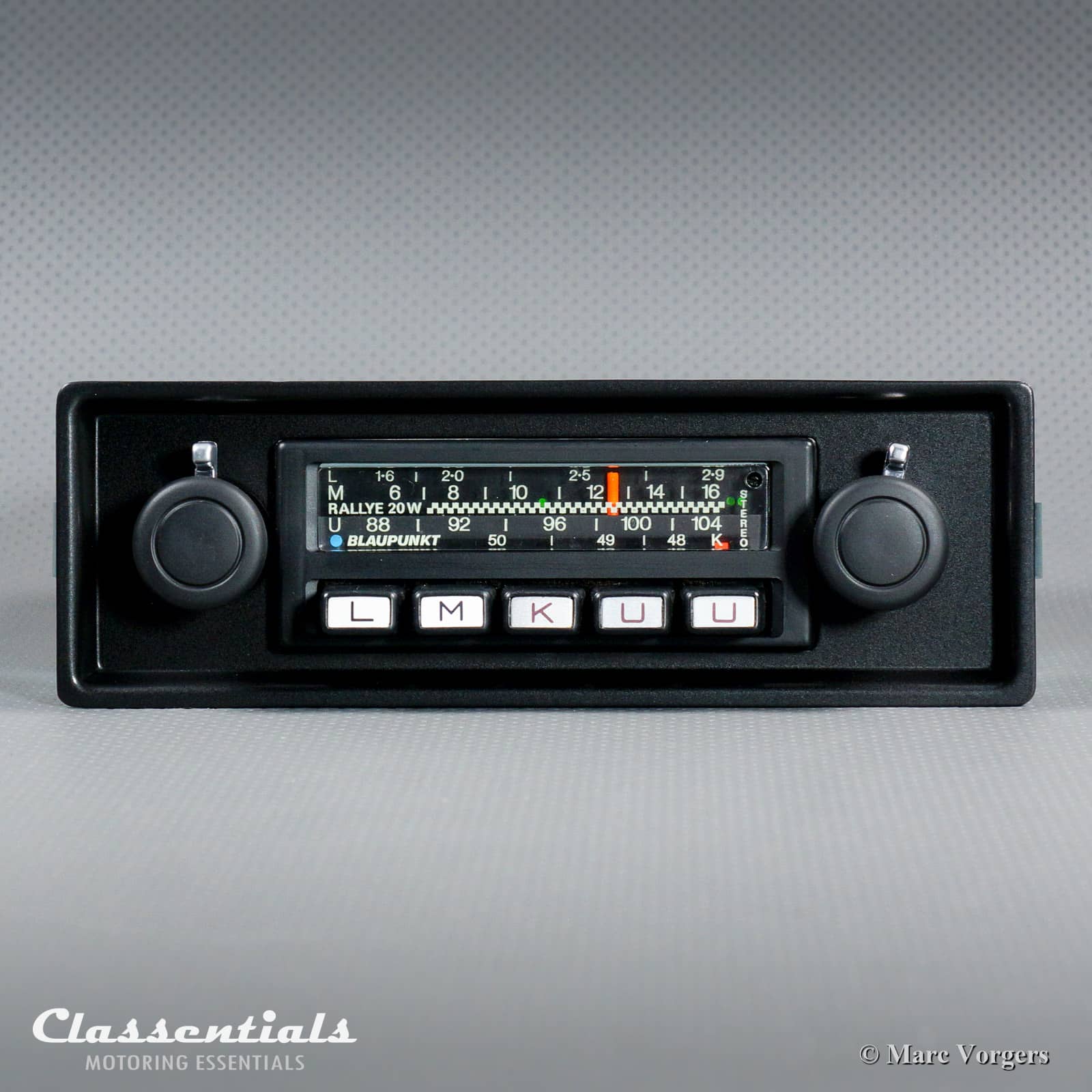
Classic car stereos use analog signals instead of digital ones. They often have simpler controls and fewer features. Modern systems focus on touchscreens, Bluetooth, and apps. Classic stereos rely on knobs, buttons, and dials. Sound quality also differs, with classic units emphasizing warmth and tone. Modern systems aim for clarity and bass power. Power needs vary too. Classic stereos usually draw less electricity.
Maintaining Vintage Aesthetic
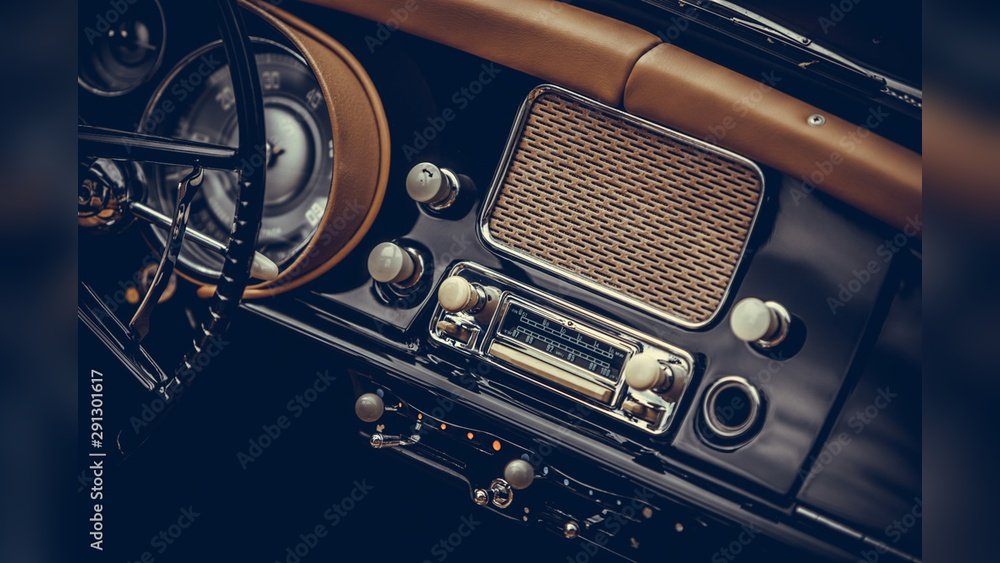
The look of a classic stereo is part of the car’s appeal. Original designs often feature chrome, wood, or simple colors. New stereos that fit classic cars try to keep this style. Replacing a stereo with a modern-looking unit can spoil the vintage feel. Many classic car owners want a stereo that blends in. They want it to look like it belongs there. Finding a balance between old style and new technology is key.
Key Features To Consider
Choosing the right stereo for a classic car means focusing on key features. These features affect how well the stereo fits and performs. They also impact your listening experience and ease of use. Understanding these factors helps you pick a system that matches your car and your needs.
Compatibility With Classic Cars
Not all stereos fit classic cars easily. Check the size and shape of the stereo. Make sure it fits the dashboard without extra modifications. Look for models designed for older vehicles. Wiring should match or be easy to adapt. This avoids costly changes and preserves the car’s look.
Sound Quality And Performance
Sound quality is key for a good music experience. Choose a stereo with clear and balanced sound. Look for features like equalizers and bass control. Consider the speakers too. Good speakers improve sound and reduce distortion. The stereo should handle various music styles well.
Connectivity Options
Modern stereos offer many ways to connect devices. Check if the stereo supports Bluetooth for wireless music. USB ports allow playing from flash drives. Auxiliary inputs let you connect phones or MP3 players. Some models include radio and CD players. Choose options that match your devices.
Power And Amplification
The stereo’s power affects sound loudness and clarity. Look at the wattage rating to match your car’s speakers. Built-in amplifiers boost sound without extra equipment. Some stereos allow adding external amplifiers for more power. Proper power ensures good sound without distortion.
Types Of Stereos For Classic Cars
Choosing the right stereo for a classic car means balancing style and function. Different types of stereos offer varied features and looks. Some keep the vintage feel, while others bring modern tech without losing the classic charm. Understanding these types helps pick the perfect fit for your car and driving needs.
Retro-style Stereos
Retro-style stereos match the original look of classic cars. They use old-school knobs and displays. These stereos blend well with vintage dashboards. They often play CDs and radio but may lack modern features. This option keeps the car’s authentic feel alive.
Modern Systems With Classic Look
Modern systems with a classic look combine old design with new tech. They fit into vintage dashboards but offer better sound quality. These stereos may include touchscreens hidden behind retro faces. They provide features like equalizers and presets. This choice balances style and improved performance.
Bluetooth And Usb Enabled Options
Bluetooth and USB enabled stereos add convenience to classic cars. They let drivers stream music from phones or USB drives. These systems often support hands-free calls. Some keep a retro appearance, while others look modern. This type suits drivers who want easy access to digital music.
Installation Tips And Challenges
Installing a stereo in a classic car can be tricky. These cars were not built for modern electronics. Many challenges arise during installation. Understanding these can save time and frustration.
Careful planning helps avoid damage to the vehicle’s wiring and interior. Some classic cars have limited space for new stereo units. Choosing the right approach makes the process smoother.
Wiring Considerations
Classic cars often use older wiring systems. These may not match new stereo wiring. It is important to check the car’s wiring harness before starting. Using a wiring adapter can help connect new stereos safely.
Avoid cutting factory wires if possible. Use connectors designed for automotive use. Check all connections twice to prevent shorts or failure. Ground wires must be secure to avoid noise or damage.
Space And Mounting
Classic cars may have small or oddly shaped dash openings. New stereos often don’t fit perfectly. Measuring the space carefully before buying is key.
Dash kits can help fit modern stereos in old dashboards. Some cars need custom brackets for secure mounting. Avoid forcing the stereo into place to prevent damage.
Professional Vs Diy Installation
Installing a stereo yourself can save money. It also offers a sense of achievement. But it requires patience and basic tools.
Hiring a professional ensures the job is done right the first time. They have experience with classic cars and special wiring. Professionals can also fix unexpected problems quickly.
Choose based on your skill level and comfort with car electronics. Planning ahead helps avoid costly mistakes either way.
Budgeting For Your Stereo Upgrade
Upgrading the stereo in a classic car requires clear budgeting. Knowing how much to spend helps avoid surprises. It also guides you to the right stereo options. Budgeting ensures you get good sound without overspending. This section breaks down prices and quality balance.
Price Ranges And What To Expect
Basic car stereos start around $50. These usually offer simple features and moderate sound quality. Mid-range stereos cost between $150 and $400. They include better sound and extra functions like Bluetooth. High-end models can go over $500. These offer top sound quality and advanced features.
Installation costs also vary. Simple installs might cost $50 to $100. Complex setups, especially for classic cars, can be $200 or more. Always factor in installation when planning your budget.
Balancing Cost And Quality
Cheap stereos may lack durability and sound clarity. Expensive ones offer clear sound but may exceed your budget. Aim for a stereo that fits your budget and sounds good. Look for brands known for reliability and sound quality. Consider user reviews and expert opinions.
Think about your car’s style and your listening habits. A good balance saves money and improves your driving experience. Spend wisely to enjoy music without regret.
Top Brands And Models To Explore
Choosing the right stereo for a classic car means exploring trusted brands and popular models. These options blend vintage style with modern sound quality. They fit well with the car’s original look while offering today’s features.
Many classic car owners want a stereo that feels authentic. Others need better sound and usability. The brands and models below offer a good balance. They suit various budgets and preferences.
Trusted Classic Car Stereo Brands
Pioneer stands out for quality and style. Their units often mimic classic radios but have modern tech inside. Kenwood offers durable and reliable stereos. Their designs work well in older vehicles.
RetroSound makes stereos focused on classic car owners. These units keep the vintage look but add Bluetooth and USB. Jensen is another popular brand. They make simple, easy-to-use stereos for classic cars.
Popular Models Among Enthusiasts
Pioneer DEH-80PRS is a favorite. It has clear sound and classic styling. RetroSound Model Two is loved for its perfect blend of old and new. It fits many dashboard styles.
Kenwood KDC-BT778HD is popular for its Bluetooth and HD radio. Jensen CDR270 fits well in vintage cars and offers good sound. These models suit collectors and daily drivers alike.
Maintaining Your Classic Car Stereo
Maintaining your classic car stereo keeps it working well and sounding great. Old stereos need care to avoid damage and sound issues. Regular attention helps preserve the vintage feel and enjoy music the right way.
Simple steps can extend the life of your stereo. Clean parts gently and check for common problems. Small fixes prevent bigger troubles later. Take time to care for this important part of your classic car.
Regular Cleaning And Care
Dust and dirt can harm your stereo’s parts. Use a soft cloth to wipe the surface often. Avoid water or harsh chemicals that can damage the finish. Clean knobs and buttons carefully to keep them working smooth.
Check the wiring and connections regularly. Loose wires cause sound problems or no sound at all. Keep the stereo away from direct sunlight and moisture. These can fade or rust the components over time.
Troubleshooting Common Issues
Static noise or weak sound signals a problem. Check antenna connections first. Loose or broken antenna wires affect radio reception. If the stereo won’t turn on, test the fuse or power source.
Buttons that stick or don’t respond need cleaning or repair. Use contact cleaner for electrical parts. For tape players, clean the heads with special tape cleaner. Simple fixes keep your stereo playing music clearly.
Frequently Asked Questions
What Factors Matter When Choosing A Stereo For Classic Cars?
Consider size, power, and compatibility with your car’s design. Look for modern features like Bluetooth while keeping a vintage look. Sound quality and ease of installation are also crucial.
Can Modern Stereos Fit In Classic Car Dashboards?
Yes, many modern stereos have adapters to fit classic dashboards. Choose models with removable faceplates for security. Custom installation kits can help maintain original aesthetics.
How Important Is Sound Quality In Classic Car Stereos?
Sound quality is vital for an enjoyable driving experience. Look for clear audio, good bass, and minimal distortion. Quality speakers paired with the stereo enhance overall sound.
Are Bluetooth And Usb Features Necessary In Classic Car Stereos?
Bluetooth and USB offer convenience for playing music and calls. They allow wireless connection to smartphones. These features modernize your classic car without altering its charm.
Conclusion
Choosing the right stereo for your classic car can enhance every drive. Focus on sound quality, style, and ease of use. Match the stereo with your car’s interior and your music taste. Don’t forget to check power and connectivity options.
A good stereo fits your budget and needs. Take your time to compare features before deciding. Enjoy music that makes your classic car feel even more special. Simple steps lead to better sound and more fun on the road.