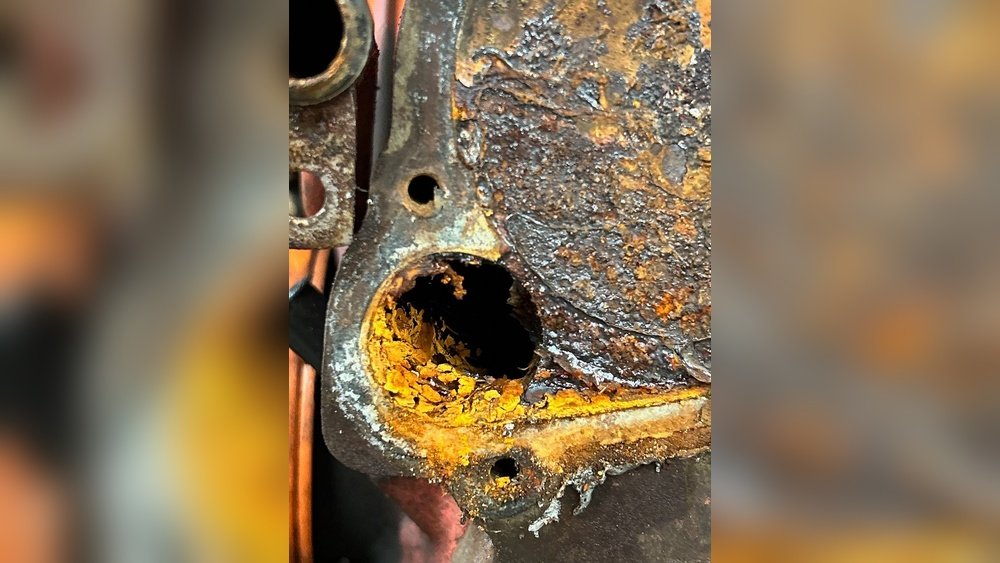
If you want your engine to run smoothly and avoid overheating, cleaning the engine block water passages is a must. These tiny channels carry coolant that keeps your engine at the right temperature.
Over time, they can get clogged with rust, dirt, and debris, causing serious problems. In this guide, you’ll learn simple, effective steps to clean those passages yourself. By the end, you’ll know how to protect your engine and boost its performance.
Keep reading—your engine will thank you.
Tools And Materials Needed
Cleaning engine block water passages requires specific tools and materials. Using the right items makes the job easier and safer. Preparing all supplies before starting saves time and avoids frustration.
Essential Cleaning Supplies
Start with a good brush set. Wire brushes help remove rust and debris inside the passages. Use pipe cleaners or flexible brushes for tight spaces. A cleaning solvent or engine degreaser loosens dirt and buildup. Have plenty of clean water for rinsing. A container to soak parts is useful. Clean rags or towels help wipe surfaces dry.
Safety Gear
Protect yourself with gloves to avoid skin contact with chemicals. Safety goggles shield your eyes from splashes and debris. Wear a mask to avoid breathing harmful fumes or dust. Work in a well-ventilated area to keep fresh air flowing. Long sleeves reduce skin exposure during cleaning.
Optional Equipment
An air compressor can blow out loosened dirt and moisture. A small pick or dental tool helps remove stubborn deposits. A flashlight or inspection mirror improves visibility inside passages. A magnetic tool can retrieve metal fragments. These extras make the cleaning process more effective.

Preparing The Engine Block
Preparing the engine block is the first step in cleaning the water passages. This step ensures the block is safe and ready for thorough cleaning. Taking time here helps avoid damage and makes the cleaning process easier.
Removing Components
Start by removing parts attached to the engine block. Take off the cylinder head, intake manifold, and other accessories. Keep all bolts and parts organized. This clears access to water passages and prevents damage during cleaning.
Draining Coolant
Drain the coolant from the engine block completely. Open the radiator drain valve or remove the lower radiator hose. Collect the coolant in a container for proper disposal. Empty passages allow cleaning fluids to flow freely and remove buildup.
Inspecting For Damage
Check the engine block for cracks, corrosion, or other damage. Use a flashlight to see inside water passages. Look for rust, mineral deposits, or blockages. Repair any damage before cleaning to avoid worsening problems later.
Cleaning Methods
Cleaning engine block water passages is vital for engine health. Dirt, rust, and scale can block these paths. Proper cleaning methods ensure smooth coolant flow and prevent overheating. Various methods work well depending on the condition and tools available. Choose the best technique to clear buildup and protect engine parts.
Chemical Cleaning Solutions
Chemical cleaners dissolve rust and scale inside water passages. Use a safe, engine-specific solution. Pour it into the cooling system and let it sit as directed. The chemicals break down deposits without harming metal surfaces. Flush the system thoroughly with water after treatment. This method reaches tight spots where tools cannot fit.
Mechanical Cleaning Techniques
Mechanical cleaning removes debris physically. Use brushes or specialized tools to scrub passages. Small wire brushes fit narrow coolant channels. Carefully avoid scratching or damaging the metal. This method works well for loose dirt and rust flakes. It requires patience and steady hands for best results.
Using Compressed Air And Water
Compressed air and water flush out loosened debris. First, flush the system with water under pressure. This pushes dirt through the passages. Follow with compressed air to dry and clear remaining moisture. This method helps remove particles after chemical or mechanical cleaning. It leaves passages clean and ready for coolant flow.
Step-by-step Cleaning Process
Cleaning engine block water passages is important to keep the engine cool and running well. This step-by-step process helps remove dirt and rust that block the flow of coolant. Follow these simple steps to clean the passages thoroughly and safely.
Applying Cleaning Agents
Start by choosing a suitable cleaning agent made for engine parts. Pour the cleaner into the water passages carefully. Let it sit for the time suggested on the product label. This allows the cleaner to break down rust and deposits inside the passages.
Scrubbing And Flushing
Use a soft brush or pipe cleaner to scrub the inside of the passages gently. Avoid using hard tools that might damage the engine block. After scrubbing, flush the passages with clean water. Keep flushing until the water runs clear and free of debris.
Drying The Passages
Dry the water passages completely to stop rust from forming again. Use compressed air or a clean cloth to remove any moisture. Make sure no water is left inside before reassembling the engine parts.
Preventing Future Blockages
Preventing future blockages in engine block water passages is key to keeping your engine running smoothly. Blockages reduce coolant flow, causing overheating and engine damage. Taking simple steps helps maintain clear passages and extends engine life.
Regular Maintenance Tips
Flush the cooling system regularly to remove rust and deposits. Check hoses and clamps for leaks or cracks. Replace worn parts immediately. Use a soft brush or compressed air to clean accessible areas. Keep the radiator clean from dirt and debris.
Coolant Selection
Use the right coolant for your engine type. Choose coolants with corrosion inhibitors to protect metal surfaces. Avoid mixing different coolant types, as this can cause sludge. Follow manufacturer guidelines for coolant change intervals. Proper coolant helps prevent buildup inside water passages.
Monitoring Engine Temperature
Watch the temperature gauge closely while driving. High temperatures signal cooling system problems. Stop the engine if it overheats to avoid damage. Use a diagnostic tool to check thermostat and radiator fan function. Early detection stops blockages from worsening.
Troubleshooting Common Issues
Troubleshooting common problems during engine block water passage cleaning can save time and effort. Some issues are typical but fixable. Knowing how to handle these helps complete the job correctly and safely.
Stubborn Deposits
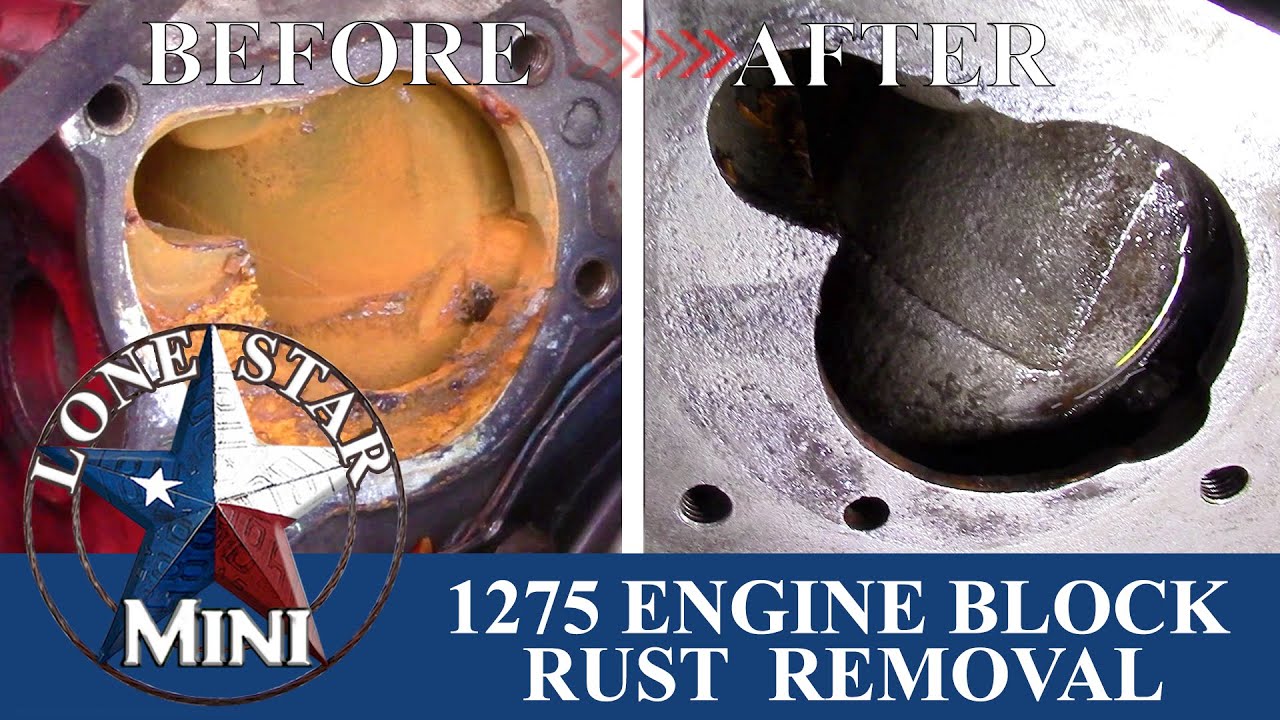
Hard deposits often block water passages. Use a soft brush to scrub gently. Chemical cleaners help dissolve tough buildup. Avoid strong acids that may damage the metal. Repeat cleaning if needed for full removal.
Leaks And Cracks
Leaks appear if cracks are present in the block. Inspect closely under good light. Small cracks may need welding or sealing. Larger cracks might require replacing the block. Never ignore leaks as they cause engine overheating.
Reassembly Challenges
Putting parts back can be tricky. Keep track of all bolts and gaskets. Clean surfaces before reassembling. Tighten bolts evenly and in correct order. Double-check for tight seals to avoid leaks after assembly.

Frequently Asked Questions
How Do You Clean Engine Block Water Passages Effectively?
To clean engine block water passages, use a specialized chemical cleaner or a mix of water and vinegar. Flush thoroughly to remove rust and debris. Always follow safety guidelines and ensure the engine is cool before starting.
Why Is Cleaning Engine Block Water Passages Important?
Cleaning engine block water passages prevents overheating and corrosion. It ensures proper coolant flow, improving engine efficiency and lifespan. Regular cleaning helps avoid costly repairs and maintains optimal engine performance.
What Tools Are Needed To Clean Engine Block Water Passages?
You need a chemical cleaner, a garden hose or pressure washer, a brush, and protective gloves. Some cases may require a professional flushing machine for thorough cleaning. Always use tools suitable for your engine type.
Can I Use Household Cleaners For Engine Water Passages?
Household cleaners are generally not recommended. They may damage engine components or leave harmful residues. Use cleaners specifically designed for engine cooling systems to ensure safety and effectiveness.
Conclusion
Cleaning engine block water passages keeps your engine running cool. Dirt and rust block water flow, causing overheating and damage. Regular cleaning removes buildup and improves engine life. Use the right tools and safe chemicals for best results. Take your time and work carefully to avoid harm.
Clean passages help your car perform better and last longer. Keep this task part of your maintenance routine. Your engine will thank you with smoother runs and fewer problems. Simple steps lead to big benefits for your vehicle.


