
If you want your engine to run smoothly and last longer, keeping your pistons clean is key. Dirty pistons can cause poor performance, lower fuel efficiency, and even engine damage.
But don’t worry—cleaning your engine pistons doesn’t have to be complicated or expensive. In this guide, you’ll discover simple, effective steps to get your pistons looking and working like new. Stick with me, and by the end, you’ll know exactly how to give your engine the care it deserves.
Ready to improve your engine’s health? Let’s dive in!
Tools And Materials Needed
Cleaning engine pistons requires specific tools and materials. Having the right supplies makes the process easier and safer. Prepare everything before starting to avoid interruptions.
Essential Cleaning Supplies
- Soft-bristle brushes to remove dirt gently
- Non-abrasive cleaning solvent for grease and carbon
- Microfiber cloths for wiping and drying
- Plastic scraper to lift tough deposits without damage
- Compressed air canister to blow out dust and debris
- Small containers to hold cleaning liquids or parts
Safety Gear For Protection
- Protective gloves to shield hands from chemicals
- Safety goggles to protect eyes from splashes
- Face mask to avoid inhaling fumes or dust
- Long-sleeve clothing to prevent skin contact

Preparing The Engine
Preparing the engine is a key step before cleaning the pistons. Proper preparation ensures safety and makes the cleaning process easier. It also helps avoid damage to the engine parts. Start by setting up a clean workspace and gathering all necessary tools. Take your time to understand each step clearly.
Removing The Pistons Safely
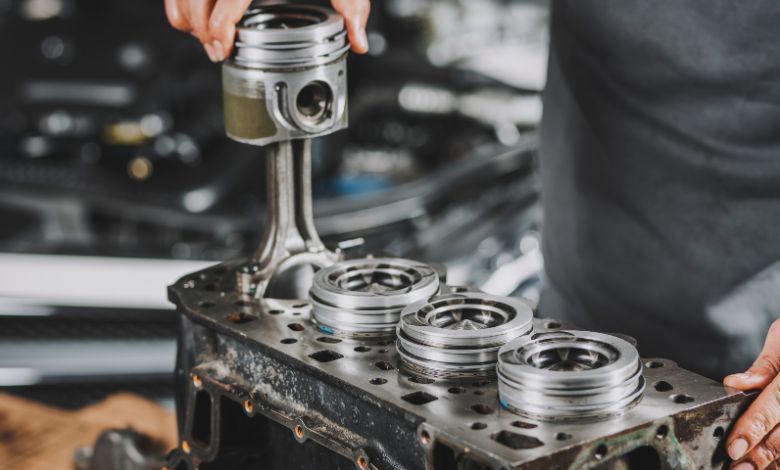
Begin by disconnecting the battery to avoid electrical hazards. Drain the engine oil and coolant to prevent spills. Remove the cylinder head carefully to access the pistons. Use the right tools to avoid scratching or bending parts. Label each piston to remember its position. Handle pistons gently to prevent damage to rings or rods.
Cleaning The Work Area
Clear the workspace of dust and dirt before starting. Lay down clean cloths or mats to catch debris. Organize tools and cleaning supplies nearby for easy reach. Good lighting helps spot dirt and damage on pistons. Keep a trash bin close to dispose of waste properly. A clean area reduces the risk of contamination during cleaning.
Cleaning Techniques
Cleaning engine pistons is vital for their performance and longevity. Dirt, carbon, and oil deposits can build up quickly. Choosing the right cleaning technique helps restore pistons effectively. Each method has unique benefits and suits different cleaning needs.
Using Chemical Cleaners
Chemical cleaners dissolve tough carbon and oil stains. These liquids or gels break down deposits fast. Apply the cleaner and let it sit for a few minutes. Rinse the piston with water or wipe it clean. Always wear gloves and work in a ventilated area. Chemical cleaners save time and effort on stubborn dirt.
Manual Scrubbing Methods
Manual scrubbing uses brushes or pads to remove grime. Soft-bristle brushes protect the piston surface. Scrub gently in circular motions to avoid damage. Use mild soap or degreaser to help loosen dirt. This method is cheap and easy. It requires patience and attention to detail.
Ultrasonic Cleaning Option
Ultrasonic cleaning uses sound waves to clean pistons deeply. The piston sits in a special tank filled with cleaning solution. High-frequency waves create tiny bubbles that remove dirt. This method cleans hard-to-reach spots well. It is fast and thorough but needs special equipment. Ideal for professional or serious DIY cleaning.
Dealing With Stubborn Deposits
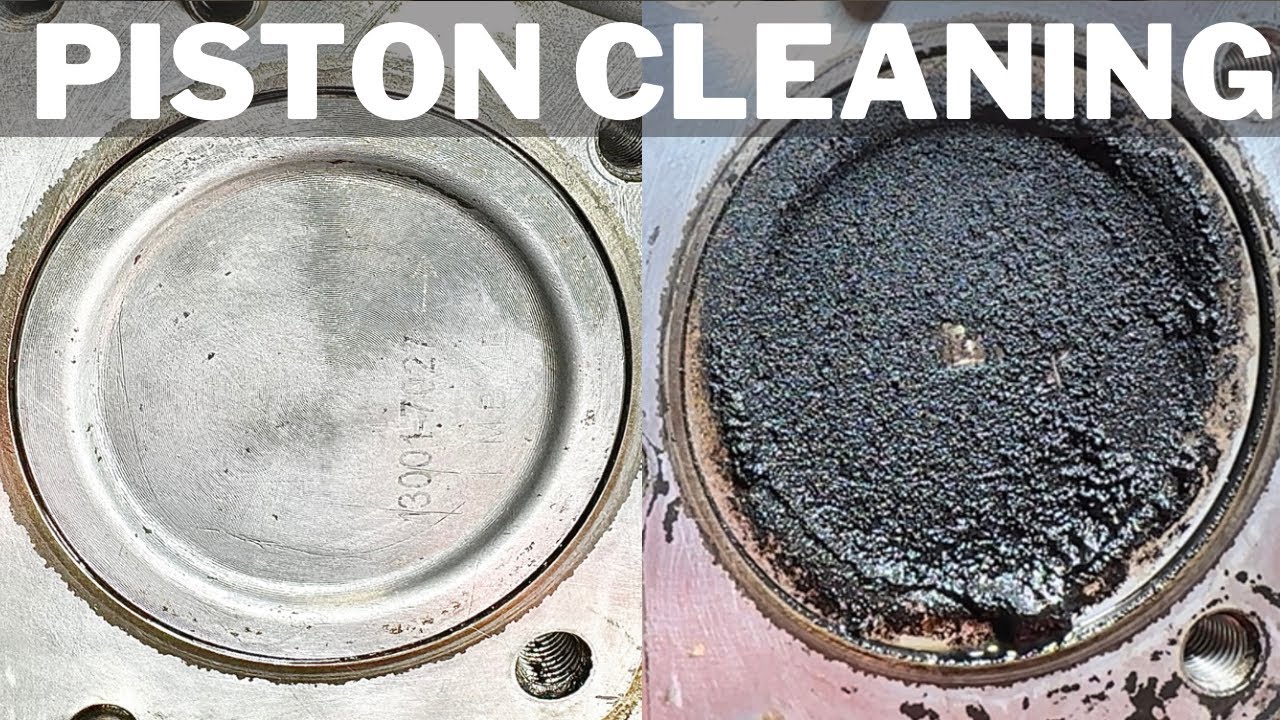
Stubborn deposits on engine pistons can reduce engine efficiency and cause damage. These deposits include hard carbon layers and oily stains. Removing them carefully helps maintain engine performance. Use the right tools and cleaners for the best results. Patience and gentle scrubbing often work better than harsh methods. Safety is important—wear gloves and work in a ventilated area.
Carbon Build-up Removal
Carbon deposits form from fuel combustion. They stick tightly to piston surfaces. Use a soft brush or plastic scraper to loosen them. Avoid metal tools that can scratch pistons. Apply a carbon cleaner or solvent made for engines. Let it sit for a few minutes to soften the deposits. Wipe the area with a clean cloth. Repeat if needed until the surface looks clean.
Handling Oil And Grease Stains
Oil and grease stains make pistons sticky and dirty. Use a degreaser designed for engine parts. Spray or apply the degreaser on the stains. Allow it to work for several minutes. Use a soft brush to scrub gently. Rinse with warm water or wipe with a damp cloth. Dry the piston completely before reassembly. This step prevents rust and keeps pistons working well.
Inspecting Pistons After Cleaning
After cleaning engine pistons, inspecting them is very important. This step helps find any problems that could affect engine performance. Careful inspection ensures pistons are safe to use or need replacement. It also helps avoid future engine damage.
Inspecting pistons involves checking for visible damage and measuring wear. These checks help maintain engine efficiency and prevent costly repairs later. Use proper tools and follow the steps carefully for best results.
Checking For Damage
Look closely at the piston surface for cracks or chips. Check for signs of burning or melting on the piston crown. Inspect the piston skirt for scratches or dents that may cause noise or friction. Examine ring grooves for wear or deformation. Any damage may require piston replacement to keep the engine running well.
Measuring Wear And Tear
Use a micrometer to measure piston diameter at several points. Compare measurements with the piston’s original specifications. Look for uneven wear that could affect engine compression. Measure the piston ring grooves for width and depth. Check the piston pin bore for oval shapes or wear. These measurements help decide if the piston can be reused or must be replaced.
Reinstalling Pistons
Reinstalling pistons after cleaning is a critical step in engine maintenance. It ensures the engine runs smoothly and efficiently. Taking care during this process prevents damage and improves engine performance. Follow clear steps to reinstall pistons correctly and safely.
Proper Lubrication Techniques
Lubrication reduces friction between piston and cylinder walls. Use clean engine oil or assembly lube on the piston skirts and rings. Apply a thin, even layer to avoid excess oil buildup. Lubricate the wrist pin and connecting rod bearing as well. Proper lubrication helps pistons move smoothly during engine start-up.
Ensuring Correct Alignment
Align pistons carefully to avoid engine damage. Match piston markings with the cylinder direction. Check ring gaps and position them evenly around the piston. Insert pistons straight into the cylinder bore without tilting. Correct alignment ensures proper sealing and reduces wear over time.
Maintenance Tips To Keep Pistons Clean
Keeping engine pistons clean is vital for smooth engine performance. Dirt and deposits reduce efficiency and cause damage. Regular maintenance helps avoid costly repairs and extends engine life.
Simple habits and checks make a big difference. Follow these tips to keep pistons in good condition and your engine running strong.
Regular Engine Checks
Inspect the engine often for signs of dirt or buildup. Check oil levels and look for unusual smoke or noises. Early detection stops damage before it worsens. Clean air filters regularly to prevent dirt from entering the engine. Keep an eye on spark plugs to ensure proper combustion.
Using Quality Fuel And Oils
Choose good fuel to reduce deposits on pistons. Low-quality fuel leaves more residue in the engine. Use oils that meet manufacturer specifications. High-quality oil protects pistons and reduces wear. Change oil on time to keep the engine clean and lubricated. This helps the pistons move smoothly and last longer.
Frequently Asked Questions
How Often Should Engine Pistons Be Cleaned?
Engine pistons should be cleaned during major engine overhauls or if performance issues arise. Regular inspections help identify buildup early. Frequent cleaning isn’t necessary unless there is noticeable carbon deposit or engine knocking.
What Materials Are Best For Cleaning Engine Pistons?
Use soft brushes, plastic scrapers, and specialized piston cleaners. Avoid metal tools that can scratch pistons. Proper cleaning agents dissolve carbon deposits effectively without damaging piston surfaces.
Can I Clean Engine Pistons Without Removing Them?
Cleaning pistons without removal is difficult and less thorough. Removing pistons allows better access and prevents damage. For best results, remove pistons before deep cleaning to ensure complete carbon removal.
What Causes Engine Piston Buildup And Deposits?
Buildup results from incomplete combustion, oil leaks, and poor fuel quality. Carbon deposits form over time, reducing piston efficiency. Regular maintenance minimizes buildup and improves engine performance.
Conclusion
Cleaning engine pistons keeps your engine running smooth and strong. Regular care helps avoid costly repairs later. Use the right tools and gentle cleaners for best results. Take your time and follow safety steps carefully. Clean pistons improve fuel efficiency and engine power.
Simple steps can make a big difference in engine life. Keep your engine healthy by cleaning pistons regularly. A little effort today saves trouble tomorrow. Easy, regular cleaning helps your engine perform at its best.


