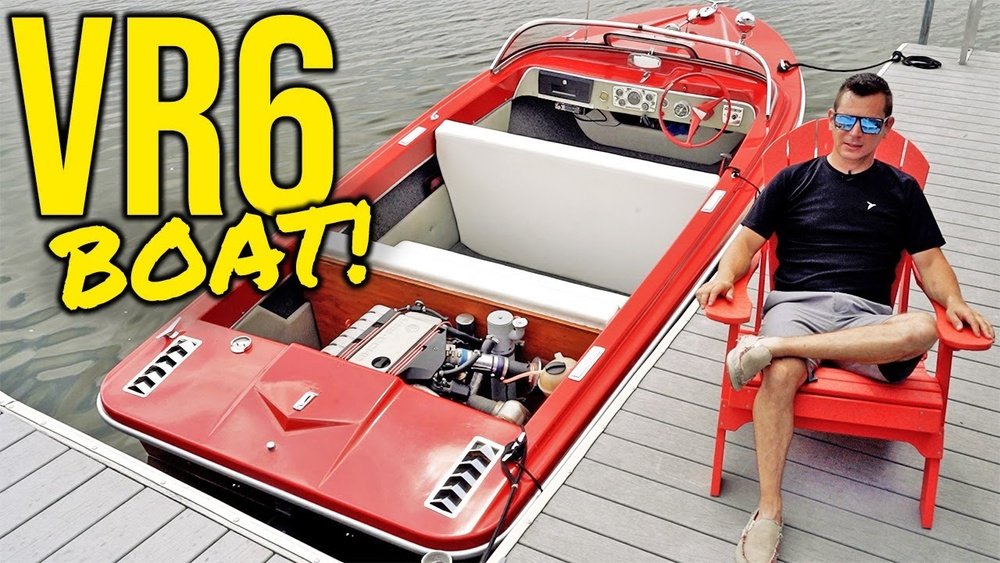
Thinking about turning your car engine into a powerful boat engine? You’re not alone.
Many DIY enthusiasts want to get the most out of their engines without buying expensive marine motors. But how do you make sure your car engine runs smoothly on water? What changes do you need to make to keep it safe and efficient?
In this guide, you’ll discover simple, step-by-step tips to convert your car engine into a reliable boat engine. By the end, you’ll have the confidence to start your project and enjoy your time on the water like never before. Keep reading—you’re closer than you think to making your dream boat a reality.
Choosing The Right Car Engine
Choosing the right car engine is key to a successful boat conversion. Not all car engines fit well into boats. Some engines work better because of their size, weight, and power. Selecting the right engine saves time and money. It also ensures better performance and safety on the water.
Engine Types Suitable For Boats
V6 and V8 engines are popular choices for boat conversions. They offer good power and fit in many boat designs. Inline-four engines can work for smaller boats. Diesel engines provide high torque but are heavier. Choose engines with a simple cooling system. This reduces the risk of overheating in water environments.
Factors Affecting Engine Performance
Engine weight affects the boat’s balance and speed. A heavy engine can slow down the boat. Fuel efficiency matters for longer trips. Engines with good fuel economy save costs. Cooling systems must handle continuous operation. Saltwater use requires corrosion-resistant parts. Engine power should match the boat size. Overpowered engines can cause handling issues.
Engine Condition And Modifications Needed
Use engines in good condition to avoid breakdowns. Inspect for leaks, rust, and wear. Replace old gaskets and seals before installation. Modify the exhaust to suit marine use. Install a water-cooling system or heat exchanger. Reinforce the engine mounts for boat vibrations. Change the oil and use marine-grade fluids. Proper modifications improve engine life and safety.
Preparing The Engine For Conversion
Preparing a car engine for boat use needs careful steps. Car engines are not ready for water and marine conditions. You must change some parts to make the engine safe and efficient. This process protects the engine and makes it run well in a boat.
Removing Unnecessary Components
Start by taking off parts that cars use but boats do not. These parts include the air conditioning compressor and power steering pump. Removing them reduces engine weight and complexity. It also frees space for marine-specific parts. Be sure to keep important components like the alternator and starter motor.
Sealing And Waterproofing
Water and salt can damage a car engine fast. Seal all openings and exposed parts to stop water entry. Use marine-grade silicone or sealant on the intake and exhaust. Cover electrical connections with waterproof boots or tape. Proper sealing keeps the engine safe from corrosion and short circuits.
Cooling System Adaptations
Car engines use radiators, but boats need a different cooling method. Replace the radiator with a raw water cooling system. This system pulls cool water directly from the lake or ocean. Add a water pump designed for marine use. Check hoses and clamps to ensure they resist salt and water damage.
Adapting The Engine For Marine Use
Converting a car engine for marine use requires several changes. Boat engines work in a different environment. They face constant water exposure and need special systems to protect them. Adapting the engine ensures it runs safely and lasts long in water.
Installing Marine Exhaust Systems
Car engines use exhaust systems made for air. Boats need exhausts that handle water and avoid backflow. Marine exhaust systems use water to cool the gases. This stops the engine from overheating. Special hoses and fittings prevent water from entering the engine. Proper installation reduces engine damage and noise.
Modifying Fuel Delivery
Fuel systems in boats must be safe and efficient. Car fuel pumps may not work well on water. Marine engines use fuel pumps designed to resist corrosion. Fuel lines need to be sealed tightly to stop leaks. A fuel filter helps keep impurities out. Adjusting the fuel system improves engine performance and safety.
Electrical System Adjustments
Marine engines face wet and salty conditions. Electrical parts from cars can corrode quickly on boats. Use marine-grade wiring and connectors. Seal all electrical connections to keep water out. Install a good grounding system to avoid shorts. These changes keep the engine’s electrical system reliable and safe.
Connecting The Engine To The Propulsion System
Connecting the car engine to the boat’s propulsion system is a crucial step. It ensures the engine delivers power smoothly to the propeller. Proper connection improves boat performance and safety. This process involves choosing the right propeller, building strong engine mounts, and aligning the driveshaft with the transmission. Each part must fit perfectly to avoid damage and loss of power.
Selecting The Right Propeller
The propeller must match the engine’s power and the boat’s size. Choose a propeller with the right diameter and pitch. A large diameter moves more water but needs more power. A high pitch moves the boat faster but may strain the engine. Use marine propellers made from durable materials like stainless steel or aluminum. This choice helps the engine run efficiently and prevents damage.
Fabricating Engine Mounts
Engine mounts hold the engine firmly in place. They reduce vibrations and protect the boat’s structure. Use strong, rust-resistant materials for the mounts. Custom mounts may be needed to fit the car engine inside the boat. Ensure the mounts align the engine at the correct height and angle. Secure mounting prevents engine movement and keeps the system stable.
Aligning Driveshaft And Transmission
The driveshaft transfers power from the engine to the propeller. Proper alignment prevents wear and noise. Check the driveshaft and transmission axes carefully. Use flexible couplings to absorb vibrations and slight misalignments. Measure distances precisely for smooth connection. Misalignment causes friction and can damage parts quickly. Correct alignment improves efficiency and extends engine life.
Safety Measures And Testing
Converting a car engine to power a boat involves more than just fitting parts. Safety is critical. Testing ensures the engine runs well and protects everyone onboard.
Every step must focus on preventing risks and spotting problems early. Proper checks keep the engine stable and the boat safe in water.
Ensuring Engine Ventilation
Engines need good airflow to stop overheating. Boats have limited space, so plan vents carefully. Use fans or vents to bring fresh air in.
Remove heat and fumes fast. This prevents engine damage and keeps the boat environment safe for people.
Leak And Emission Checks
Check all fuel lines and joints for leaks. Leaks can cause fires or engine failure. Tighten connections and replace damaged parts.
Test exhaust emissions. Car engines produce fumes that can harm boat passengers. Add exhaust pipes that direct gases away from people.
Initial Sea Trials And Adjustments
Start trials in calm water near shore. Watch engine temperature, noise, and power output. Note any unusual sounds or smells.
Adjust fuel flow, cooling, and throttle settings. Make changes slowly and test again. Repeat until the engine runs smoothly and safely.
Maintenance Tips For Converted Engines
Maintaining a car engine converted for boat use requires special care. The marine environment is tough on engines. Saltwater, humidity, and constant movement cause wear. Regular maintenance keeps the engine running smoothly. It also extends the engine’s life. Follow these simple tips to protect your converted engine.
Regular Inspection Points
Check the engine often for leaks and cracks. Look at hoses, belts, and clamps for damage. Inspect the cooling system carefully. Make sure water flows freely and the pump works well. Check the oil level and quality every time before use. Tighten loose bolts and screws. Early problem detection saves costly repairs.
Handling Corrosion And Wear
Saltwater causes corrosion fast. Rinse the engine with fresh water after every trip. Use marine-grade anti-corrosion sprays on metal parts. Replace rusted components immediately. Apply grease to moving parts to reduce wear. Store the boat in a dry place. Cover the engine when not in use to keep moisture out.
Optimizing Performance Over Time
Change the oil and filters on schedule. Use oil made for marine engines if possible. Clean the fuel system regularly to avoid clogs. Check the spark plugs and replace worn ones. Tune the engine to keep it efficient. Monitor engine temperature and listen for unusual sounds. Small adjustments keep the engine running strong.
Frequently Asked Questions
What Are The Basic Steps To Convert A Car Engine For Boating?
To convert a car engine to a boat engine, first remove unnecessary parts. Next, install a marine cooling system. Add a marine transmission and proper exhaust. Finally, ensure all components resist water corrosion for durability.
Can Any Car Engine Be Used In A Boat?
Not all car engines suit boats. Marine engines need water-cooling and corrosion resistance. Choose engines with compatible power and torque for safe boat operation. Modifications may be necessary to adapt car engines for marine use.
How Do I Cool A Car Engine In A Boat?
Use a marine cooling system that circulates water from the boat. This prevents overheating by replacing air cooling. Install a heat exchanger or raw water cooling system for efficient engine temperature control.
What Safety Measures Are Needed For Engine Conversion?
Ensure fuel lines and electrical systems are marine-grade. Use corrosion-resistant materials and waterproof seals. Regularly inspect for leaks and wear. Proper ventilation and fire safety equipment are also essential.
Conclusion
Converting a car engine to a boat engine takes time and care. You must check parts and make needed changes. Safety should always come first during the process. Testing the engine in water is very important. This project can save money and be fun to do.
Keep learning and asking questions as you work. With patience, you can create a strong boat engine from a car engine. Give it a try and enjoy your new boat power.


