If you own a Jeep Wrangler with a manual transmission, you probably value adventure, control, and the unique driving experience only a true off-roader can provide. But understanding how to engage 4-wheel drive in your Wrangler is essential—not just for fun, but for safety and performance.
Many drivers, even experienced ones, sometimes struggle with the process, especially if they’re new to manual transmissions or four-wheel-drive systems. This guide will walk you through everything you need to know to confidently and smoothly engage 4WD in your Jeep Wrangler manual, explain why each step matters, and help you avoid common mistakes.
Driving a Jeep Wrangler isn’t just about getting from point A to point B. It’s about tackling tough terrain, weathering unexpected road conditions, and knowing how to use your vehicle’s capabilities to the fullest. Whether you’re planning to hit muddy trails, cross snowy roads, or simply want to be prepared for anything, understanding your Wrangler’s 4WD system is a must.
This article will break down the process into four key actions and provide practical advice, expert tips, and real-world examples to ensure you get it right every time.
Understanding 4 Wheel Drive In Jeep Wrangler Manual Transmission
Before diving into the steps to engage 4WD, it helps to understand what makes the Jeep Wrangler’s system special. The Wrangler uses a part-time 4WD system—meaning you turn it on only when needed. It’s not meant for dry pavement but for surfaces where tires might slip: dirt, snow, mud, sand, or loose gravel.
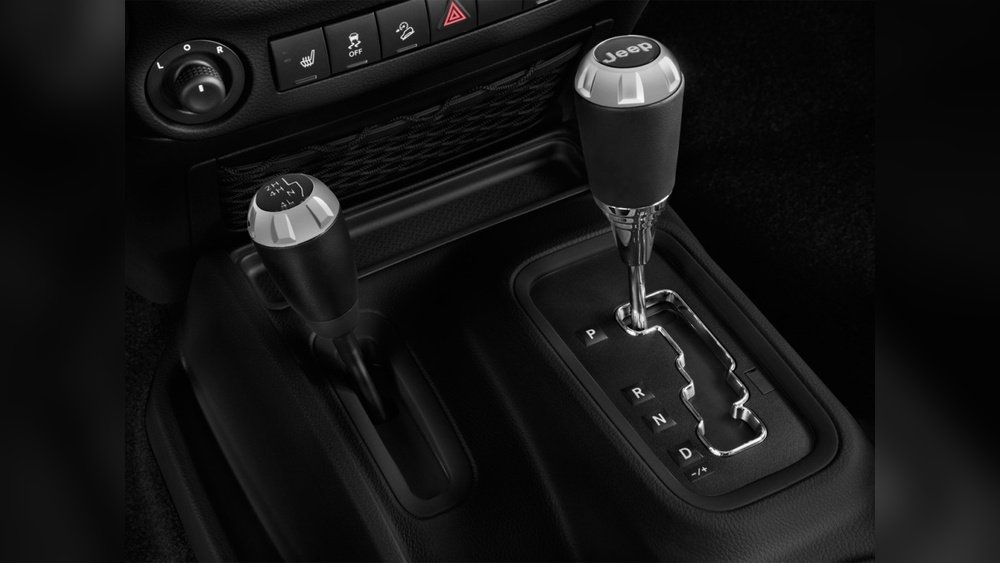
Most manual transmission Wranglers use a transfer case lever beside the gear shift. This lever controls the 4WD modes:
- 2H (Two High): Normal driving, rear wheels only.
- 4H (Four High): All wheels, for moderate off-road or slippery roads.
- N (Neutral): Disengages power to wheels, mostly for towing.
- 4L (Four Low): Maximum traction and torque for tough terrain, low speeds.
Knowing when and how to use each mode helps you protect your Jeep’s drivetrain and ensures you won’t get stuck—or worse, damage expensive components.
Step 1: Preparing Your Jeep Wrangler
The first and often-overlooked step is preparation. Many drivers jump straight to shifting without considering the right conditions, but this can cause gear grinding, noise, or even mechanical failure.
Start by parking your Wrangler on a level surface if possible, especially if you’re new to using 4WD. Always fully depress the clutch pedal and bring the vehicle to a complete stop or very low speed (under 3 mph) before shifting into 4L. For 4H, you usually don’t need to stop completely, but it’s safer to be moving slowly and steadily.
Check your environment:
- Are you on loose, slippery, or uneven ground? If not, don’t engage 4WD. Using it on dry pavement can damage your drivetrain.
- Do you have enough space to move forward and backward a few feet? Sometimes the gears engage better with a slight roll.
- Is your transfer case lever free of obstructions? Don’t force the lever—if it sticks, try gently rolling the vehicle.
Non-obvious insight: Many beginners forget to check tire pressure before engaging 4WD. Mismatched or low tire pressure can stress the drivetrain, especially in 4WD modes.
Step 2: Shifting From 2h To 4h (four High)
Engaging 4H is the most common action for Wrangler drivers. It’s used for snow, rain, sand, or mild off-road terrain—situations where you need extra traction but not maximum power.
Here’s how to do it right:
- Drive at a low, steady speed—ideally under 35 mph.
- Depress the clutch (manual transmission) but keep the Jeep rolling slowly.
- Move the transfer case lever from 2H to 4H in one smooth motion. You’ll feel a slight click as it engages.
- Release the clutch and continue driving.
You should not hear loud grinding. If you do, stop and try again at a lower speed. Wranglers are designed to allow shifting into 4H “on the fly” at low speed, but forcing the lever or shifting too quickly can cause damage.
Pro tip: If 4H doesn’t engage immediately, gently roll the Jeep forward or backward a few inches while applying slight pressure on the lever.
Key mistakes to avoid:
- Never force the transfer case lever. If it resists, double-check your speed and clutch position.
- Don’t use 4H on dry pavement—this can cause drivetrain “binding” and wear out parts quickly.
Common Scenarios For 4h
- Sudden snowstorm on the highway: Slow down, engage 4H, and continue at a safe speed.
- Sandy beach driving: Lower your tire pressure slightly, shift into 4H at the start, and keep your momentum.
Non-obvious insight: Always shift back to 2H as soon as you return to dry, paved roads. Staying in 4H too long can wear your tires unevenly and stress your drivetrain.
Step 3: Shifting From 4h To 4l (four Low)
4L is your “rescue mode”—for steep climbs, deep mud, or rock crawling. It gives you maximum torque but at low speed. Shifting into 4L is more sensitive than 4H, and doing it wrong can seriously damage your Jeep.
Follow these steps:
- Stop the Jeep completely or let it roll at under 3 mph.
- Fully depress the clutch and brake.
- Move the gear shift into neutral (not just clutch in—actual neutral).
- Firmly grasp the transfer case lever and move it from 4H straight down to 4L in one continuous motion.
- Shift the transmission into first gear or reverse, then slowly release the clutch.
You’ll immediately notice the Jeep moves much slower but with much more power. This is normal—4L is for crawling, not speed.
Why it matters: Shifting into 4L while moving fast can strip gears or damage the transfer case. Always stop or move very slowly.
When To Use 4l
- Navigating a rocky hill: 4L gives slow, controlled power so you can climb without spinning your tires.
- Deep mud or snow: 4L helps you keep moving when wheels want to dig in.
- Towing a heavy load up a steep grade: 4L can help control speed and reduce clutch wear.
Practical tip: If the lever doesn’t want to move into 4L, gently roll the Jeep back and forth while applying slight pressure. Never force it.
Step 4: Returning To 2h (two High)
It’s just as important to know how—and when—to return to regular 2WD. Driving in 4H or 4L on pavement or at high speeds can quickly wear out expensive components.
To shift back:
- Slow the Jeep to a stop or a crawl, especially if you’re in 4L.
- Depress the clutch and brake, and put the main gear shift into neutral.
- Move the transfer case lever from 4L to 4H first. Do not go directly to 2H from 4L.
- Once in 4H, drive slowly forward for a few feet to ensure engagement.
- Now, move the lever from 4H to 2H (again, you can do this while rolling slowly and with the clutch in).
- Release the clutch and drive normally.
Common mistake: Shifting directly from 4L to 2H without passing through 4H. This can “shock” the system and cause gear damage.
Non-obvious insight: After returning to 2H, make a few slow, wide turns in an open space. This helps release any tension (“wind-up”) in the drivetrain.
Real-world Example: Trail Driving Scenario
Imagine you’re approaching a rocky, muddy trail after a stretch of highway driving. Here’s how the process works in practice:
- On the highway, you’re in 2H. As you reach the trailhead with loose gravel, you slow down to 10 mph, depress the clutch, and smoothly shift into 4H.
- As the trail becomes steeper and rockier, you stop, put the transmission in neutral, and shift into 4L. Now you can crawl over obstacles slowly and safely.
- When you reach the end of the trail and return to paved road, you stop, shift back to 4H, drive forward a few feet, then shift to 2H for normal driving.
This sequence protects your Jeep and gives you the best performance for each terrain.
Comparing 4wd Modes In Jeep Wrangler
Understanding the difference between each mode helps you choose correctly. Here’s a quick comparison:
| Mode | Best Use | Max Speed | Wheels Driven |
|---|---|---|---|
| 2H | Dry pavement, normal driving | No limit (highway safe) | Rear only |
| 4H | Snow, sand, mild off-road | Up to 55 mph (check your manual) | All four |
| 4L | Deep mud, rocks, steep hills | About 25 mph max | All four (with extra torque) |
Key Differences: Manual Vs. Automatic Wrangler 4wd Engagement
Some drivers ask how the process differs between manual and automatic Wranglers. Here’s a simple summary:
| Action | Manual Transmission | Automatic Transmission |
|---|---|---|
| Engaging 4H | Depress clutch, shift lever | Shift to Neutral or Drive, move lever |
| Engaging 4L | Stop, clutch in, main gear to Neutral, shift lever | Stop, shift to Neutral, move lever |
| Returning to 2H | Clutch in, shift lever | Shift to Neutral or Drive, move lever |
Manual drivers must remember to use the clutch and neutral positions, which adds a step compared to automatics.

Essential Safety Tips For Using 4wd
Engaging 4WD is not just about following steps. Safety is critical, especially off-road. Here’s what you should always keep in mind:
- Never use 4WD on dry pavement—the system is not designed for it and can bind up.
- Slow down on rough terrain; 4WD gives you control, not speed.
- Practice shifting before you need it—find a safe, empty area and get comfortable with the levers.
- Check your owner’s manual for specific speed limits for engaging 4H and 4L. Some years/models vary.
- Listen for grinding or resistance. If you hear it, stop and try again slowly.
- Inspect your tires regularly. Uneven wear can make 4WD engagement rough or even damage your transfer case.
Pro tip: Carry a small tool kit and gloves. If you ever need to manually “unstick” the transfer case lever, you’ll be glad you have them.
Troubleshooting Common 4wd Issues
Even with good technique, things can sometimes go wrong. Here’s how to handle the most frequent problems:
- The transfer case lever won’t move: Make sure you’re at a complete stop (for 4L) or rolling slowly (for 4H). Try rocking the Jeep back and forth.
- 4WD indicator light stays on (or off): Sometimes the switch is sticky. Cycle through all modes slowly to reset it.
- Grinding noises: Stop immediately. Double-check that the clutch is fully depressed and the vehicle is in the correct gear/neutral.
- The Jeep feels “stuck” after disengaging 4WD: Drive in a straight line, then turn slowly in both directions. This releases drivetrain tension.
If problems continue, have your system checked by a qualified mechanic. Regular maintenance prevents most issues.
Maintenance Tips For Your Wrangler’s 4wd System
Like any mechanical system, your Jeep’s 4WD needs care:
- Change transfer case fluid every 30,000–60,000 miles, or as your manual recommends.
- Lubricate linkage and inspect for rust—especially if you do a lot of water crossings or mud.
- Check for leaks under the Jeep after off-road trips.
- Test all 4WD modes a few times each year, even if you don’t use them often.
- Listen for odd noises after engaging 4WD—catching issues early saves money.
Regular maintenance ensures your 4WD system is ready when you need it most.
Wrangler 4wd Engagement: Quick Reference Guide
For easy memory, here’s a summary of the four key actions:
- Prepare the Jeep: Stop or slow down, check environment, use clutch.
- Engage 4H: Slow roll, clutch in, smooth lever motion.
- Engage 4L: Stop, clutch and brake, neutral, firm lever move.
- Return to 2H: Stop, pass through 4H, drive forward, then shift to 2H.
Keep this sequence in mind, and you’ll avoid most common mistakes.

When Not To Use 4wd In Your Wrangler
Some drivers overuse 4WD, thinking more is always better. In reality, there are times when you should not engage 4WD:
- Dry pavement: Causes binding, wear, and poor handling.
- At high speed: 4L especially is only for low-speed use.
- Sharp turns on hard surfaces: Can strain axles and transfer case.
- When towing on pavement: Use 2H unless conditions are slippery.
Understanding when not to use 4WD is just as important as knowing when to use it.
Advanced Tips: Getting Unstuck And Off-road Recovery
Sometimes, even with 4WD, you might get stuck. Here are advanced tips:
- Rock the vehicle gently between forward and reverse in 4L if wheels spin.
- Deflate tires slightly for better grip, but reinflate before returning to pavement.
- Use traction boards or sand mats under tires if you bog down.
- Always carry a tow strap and know where your recovery points are.
Never spin your tires at high speed—it can dig you in deeper or break parts.
Jeep Wrangler 4wd Engagement: Myth Vs. Reality
Myths about 4WD are common. Here’s the reality:
- Myth: “4WD means you can’t get stuck.”
Reality: You can get stuck, but 4WD helps avoid it if used right.
- Myth: “You can shift into any mode at any speed.”
Reality: Each mode has a speed limit—check your manual.
- Myth: “All tires must match exactly.”
Reality: Tire size and wear should be very close, or you risk drivetrain damage.
Knowing the facts keeps you safe and your Jeep running strong.
The Importance Of Practice
The first time you use 4WD should not be in an emergency. Take time to practice on safe, loose surfaces. Get used to the feel of each mode, the sound of the levers, and how your Wrangler responds. Confidence comes with experience.
Pro tip: Join a local Jeep club or off-road group. Experienced drivers are usually happy to teach newcomers, and group trips offer a safe way to learn.
Additional Resources
For more details, see the official Jeep Wrangler owner’s manual or visit Wikipedia’s Jeep Wrangler page for history and technical details.
Frequently Asked Questions
How Do I Know If 4wd Is Engaged In My Jeep Wrangler Manual?
Most Wranglers have a 4WD indicator light on the dashboard. You’ll also feel a change in how the Jeep drives—steering may feel heavier, and power delivery is smoother on slippery surfaces. If unsure, drive slowly in a safe area and turn the wheel sharply; you may feel slight resistance in 4WD.
Can I Engage 4h While Driving, Or Must I Stop First?
You can engage 4H “on the fly” while moving at low speeds (usually under 35 mph). Always depress the clutch and move the lever smoothly. For 4L, you must stop and shift the main transmission to neutral.
What Happens If I Use 4wd On Dry Pavement?
Using 4WD on dry pavement causes drivetrain binding, which can lead to difficult steering, increased tire wear, and possible damage to the transfer case or axles. Only use 4WD on loose, slippery, or uneven surfaces.
Why Won’t My Transfer Case Lever Move Into 4l?
This is often because you’re moving too fast or not in neutral. Stop completely, depress the clutch, and shift the main transmission to neutral before trying again. If it still won’t move, gently rock the Jeep back and forth while applying light pressure.
How Often Should I Use Or Test My 4wd System?
Even if you don’t go off-road often, test your 4WD system every few months. Engage each mode briefly on a safe, loose surface. This keeps the mechanisms lubricated and ensures everything works when you need it.
—
Mastering 4WD engagement in your manual Jeep Wrangler isn’t just about following a checklist—it’s about understanding your vehicle, driving with confidence, and protecting your investment. With these steps, tips, and insights, you’ll be ready for whatever the road—or trail—throws your way.