
Is your car engine acting up and leaving you frustrated? You’re not alone.
Many drivers face common engine problems that can be fixed with the right knowledge. Imagine saving time and money by handling these issues yourself instead of rushing to a mechanic. You’ll discover the 7 most common car engine problems and simple ways to fix them.
Keep reading to take control of your car’s health and get back on the road with confidence.
Engine Won’t Start
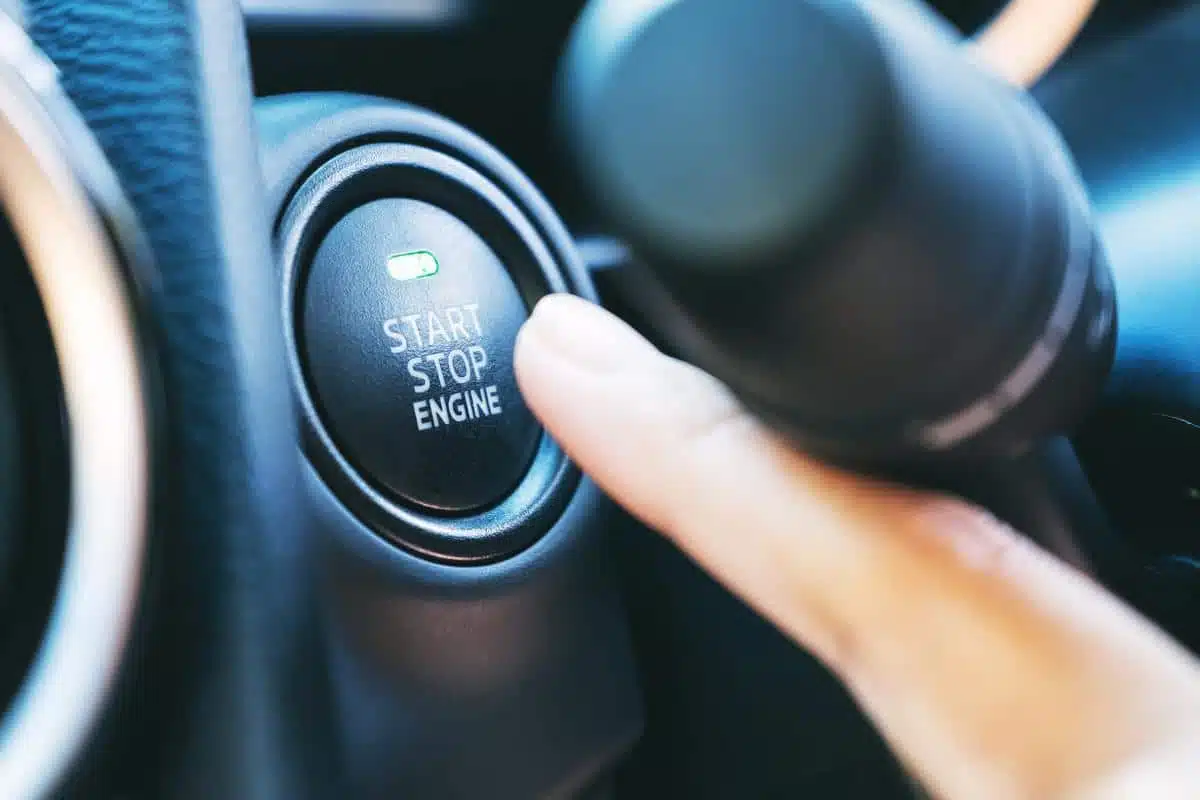
The engine not starting is a common car problem. It can stop you from driving anywhere. Several issues can cause this. Most are easy to check and fix. Understanding the basics helps you save time and money.
Checking The Battery
The battery is the first part to check. A dead battery stops the engine from starting. Look for dim lights or no lights at all. Try turning on the headlights or dashboard lights. If they are weak or off, the battery might be low. Use a multimeter to test the battery voltage. A healthy battery shows about 12.6 volts. Clean battery terminals if they have corrosion. Loose or dirty connections can cause starting problems.
Inspecting The Starter Motor
The starter motor helps the engine turn over. Listen for a clicking sound when you turn the key. No sound or slow cranking means the starter might be faulty. Check the wiring to the starter for loose or damaged cables. Sometimes tapping the starter gently with a tool can help it work temporarily. If the starter motor fails, it needs repair or replacement.
Fuel Supply Issues
Without fuel, the engine cannot start. Check the fuel gauge to ensure there is enough fuel. A clogged fuel filter can block fuel flow. Replace the filter if it looks dirty. The fuel pump pushes fuel to the engine. Listen for a humming sound from the fuel tank when turning the key. No sound may indicate a fuel pump problem. Fuel lines should be free of leaks or damage. Fix any fuel supply issues to get the engine running again.
Overheating Engine
An overheating engine is a common car problem that needs quick attention. It can cause serious damage if left unchecked. Knowing how to spot and fix overheating issues helps keep your car running smoothly. Several parts work together to keep the engine cool.
Coolant Levels And Leaks
Coolant keeps the engine temperature stable. Check the coolant level regularly. Low coolant can cause the engine to overheat fast. Look under the car for any puddles or wet spots. These may show a coolant leak. Fix leaks quickly to avoid bigger problems. Use the right type of coolant for your car model.
Radiator And Thermostat Checks
The radiator cools down the hot coolant. Dirt or damage can block the radiator. Clean or replace a clogged radiator. The thermostat controls coolant flow. A stuck thermostat can trap heat in the engine. Test the thermostat by watching the temperature rise. Replace it if it does not open on time.
Fan And Belt Inspection
The fan blows air through the radiator to cool it. Check if the fan turns on when the engine gets hot. A broken fan motor needs replacement. Belts drive the fan and other parts. Look for cracks or wear on belts. Replace worn belts to keep the cooling system running well. Regular inspection prevents overheating problems.
Engine Misfires
Engine misfires cause your car to run rough or jerk during driving. This happens when one or more cylinders fail to ignite fuel properly. Misfires reduce engine power and increase fuel use. They may also cause damage if ignored. Fixing misfires often involves checking spark plugs, fuel injectors, and ignition coils.
Spark Plug Replacement
Spark plugs create the spark that ignites fuel in the engine. Worn or dirty plugs cause weak sparks or no sparks at all. This leads to misfires and poor engine performance. Replace spark plugs every 30,000 miles or as recommended. Use the correct type for your car. Always check plugs for cracks, buildup, or wear before replacement.
Fuel Injector Cleaning
Fuel injectors spray fuel into the engine cylinders. Dirt or clogging in injectors blocks fuel flow. This creates uneven fuel delivery and causes misfires. Cleaning fuel injectors restores proper spray patterns. Use fuel injector cleaner additives or professional cleaning services. Keep injectors clean to maintain smooth engine running and better fuel economy.
Ignition Coil Testing
Ignition coils boost voltage to spark plugs. Faulty coils give weak or no spark. Testing coils helps find bad ones causing misfires. Use a multimeter to check coil resistance. Replace coils with readings outside the normal range. Regular testing prevents hard starts and rough engine idling.
.png)
Excessive Smoke
Excessive smoke from a car engine is a sign of trouble. It shows the engine is not burning fuel properly. Different smoke colors mean different problems. Knowing what each color means helps you fix the issue fast. Let’s explore the causes of white, blue, and black smoke.
White Smoke Causes
White smoke often means coolant leaks into the engine. This can happen if the head gasket is damaged. Coolant burning creates thick, white smoke. Another cause is a cracked engine block or cylinder head. Check the coolant level and look for leaks. Fixing these needs a mechanic’s help.
Blue Smoke Causes
Blue smoke shows the engine burns oil. This happens when worn piston rings or valve seals allow oil inside. Burning oil creates blue smoke from the exhaust. It can also mean the turbocharger is damaged. Oil leaks in the turbo cause blue smoke too. Fixing oil leaks is important to avoid engine damage.
Black Smoke Causes
Black smoke means too much fuel burns in the engine. This happens if the air filter is dirty or clogged. It reduces air flow, causing rich fuel mixture. Faulty fuel injectors or a bad sensor can also cause black smoke. Regular cleaning and replacing parts prevent black smoke problems.
Unusual Engine Noises
Unusual engine noises often signal problems that need quick attention. These sounds can help identify issues before they become serious. Pay attention to any new or strange noises from your car’s engine. Early detection can save money and prevent breakdowns.
Knocking And Tapping Sounds
Knocking sounds often come from the engine’s combustion process. This noise can mean low-quality fuel or incorrect ignition timing. Tapping sounds may come from worn valve lifters or loose parts. Both noises need a mechanic’s check to avoid engine damage.
Squealing Belts
Squealing usually happens when belts slip or wear out. Belts connect important engine parts like the alternator and water pump. A loose or damaged belt makes this high-pitched noise. Replacing or tightening the belt can stop the squeal and protect the engine.
Exhaust Noise Problems
Loud or unusual exhaust noises often point to leaks or damaged mufflers. These problems affect engine performance and increase noise pollution. Exhaust leaks can also let harmful gases into the car cabin. Inspecting and fixing the exhaust system keeps the engine running smoothly and safely.
Poor Fuel Economy
Poor fuel economy means your car uses more fuel than normal. This issue raises your fuel costs and harms the environment. Many factors cause poor fuel economy. Fixing these helps your car run better and saves money.
Air Filter Replacement
The air filter stops dirt from entering the engine. A dirty filter blocks air flow. The engine then burns more fuel to work harder. Change the air filter every 12,000 miles or as needed. A clean filter improves engine efficiency and fuel use.
Fuel System Maintenance
The fuel system delivers fuel to the engine. Dirty fuel injectors or clogged fuel lines reduce fuel flow. This makes the engine burn fuel poorly. Use fuel system cleaners or get a professional service. Proper fuel flow helps your car use fuel well.
Tire Pressure And Alignment
Low tire pressure makes the engine work harder. Misaligned tires cause uneven wear and drag. Both increase fuel consumption. Check tire pressure monthly and keep it at the recommended level. Get a wheel alignment if the car pulls to one side. Proper tires save fuel and improve safety.
Check Engine Light On
The check engine light is a warning signal on your car’s dashboard. It turns on when the engine control unit detects a problem. This light can mean many things, from a loose gas cap to engine misfires. Ignoring it may lead to bigger car issues. Understanding how to read and reset this light helps keep your car running smoothly.
Using An Obd-ii Scanner
An OBD-II scanner reads error codes from your car’s computer. You plug it into the port under the dashboard. The scanner shows codes that explain the problem. This tool is easy to use and gives clear information. It helps you know if you can fix the issue yourself or need a mechanic.
Common Error Codes
Some error codes appear more often than others. P0300 means engine misfire. P0420 points to catalytic converter issues. P0171 shows a lean fuel mixture. These codes guide your repair steps. Knowing these common codes helps you understand the problem fast.
Resetting The Light
After fixing the issue, the check engine light may stay on. You can reset it with the OBD-II scanner. Turn off the ignition before connecting the scanner. Use the device to clear the codes and turn off the light. If it comes back, the problem might still be there.
Frequently Asked Questions
How Do I Diagnose Common Car Engine Problems?
Start by listening for unusual noises and checking warning lights. Inspect fluid levels, belts, and hoses. Use an OBD-II scanner to read error codes for precise diagnosis.
What Causes An Engine To Overheat Frequently?
Overheating often results from low coolant, a faulty thermostat, or a broken radiator fan. Regularly check coolant levels and inspect cooling system components to prevent this issue.
How Can I Fix A Car Engine That Won’t Start?
Check the battery charge and connections first. Inspect spark plugs and fuel supply. Replace faulty parts as needed to restore engine starting capability.
Why Is My Engine Misfiring And How To Fix It?
Engine misfires usually stem from bad spark plugs, ignition coils, or fuel injectors. Clean or replace these components to improve engine performance and smooth running.
Conclusion
Fixing common car engine issues can save time and money. Start by identifying the problem clearly. Use basic tools and follow simple steps. Stay patient and work carefully to avoid mistakes. Regular engine care helps prevent many problems. Know when to seek help from a mechanic.
Keeping your engine healthy improves your car’s performance. Small fixes today avoid big repairs tomorrow. Simple actions lead to better, longer engine life.


