Are you tired of losing your TV signal right in the middle of your favorite show? An antenna issue can be frustrating, but the good news is, you don’t have to be an expert to fix it.
Whether your picture is fuzzy, your channels keep cutting out, or you’re getting no signal at all, this guide will help you solve the problem quickly and easily. Keep reading, and you’ll learn simple steps to get your antenna working perfectly again—so you never miss a moment.

Common Antenna Problems
Antenna problems can cause poor signal and bad reception. Understanding common antenna issues helps you fix them fast. Many issues are simple and easy to solve. Knowing what causes these problems saves time and money.
Signal Interference
Signal interference happens when other signals block your antenna’s reception. Electronic devices and tall buildings can cause this. Weather conditions like rain and storms also affect signals. Moving the antenna or changing its direction often reduces interference. Avoid placing antennas near metal objects or electronics.
Damaged Components
Antennas have parts that wear out or break over time. Cables can crack, connectors can rust, and the antenna itself can bend or break. Damage leads to weak signals or no signal at all. Regularly check your antenna for visible damage. Replace broken parts to restore good reception.
Improper Installation
Installing an antenna incorrectly causes many problems. Wrong height, angle, or placement affects signal strength. Antennas should be mounted high and away from obstacles. Using the right tools and following instructions ensures correct setup. Proper installation prevents future issues and improves performance.

Tools Needed For Repairs
Fixing an antenna issue needs the right tools. These tools help you find the problem and repair it easily. Having them ready saves time and effort. You can fix common antenna problems without calling a technician.
Basic Repair Kit
A basic repair kit has simple tools for fixing antennas. You need a screwdriver to open panels and tighten screws. Wire cutters help trim or remove damaged wires. Pliers grip and bend small parts carefully. Electrical tape protects connections from weather and damage. A wrench can loosen or tighten bolts on the antenna mount. These tools are essential for most antenna repairs.
Signal Testing Devices
Signal testing devices check the antenna’s performance. A signal meter shows the strength and quality of the signal. It helps find the best antenna position for clear reception. A multimeter tests electrical connections and checks for power issues. These devices make troubleshooting faster and more accurate. They ensure your antenna works well after repair.
Step-by-step Antenna Check
Fixing antenna issues starts with a clear and simple check. Follow these steps to find the problem fast. This guide helps you test your antenna carefully. It shows easy ways to spot and solve common antenna problems.
Inspecting The Antenna
Look at the antenna closely. Check for damage like bends, breaks, or rust. Dirt and dust can block signals too. Clean the antenna gently with a soft cloth. Make sure nothing is covering it, like leaves or dirt. A damaged or dirty antenna can cause poor reception.
Checking Connections
Check all cables and plugs connected to the antenna. Loose or worn cables can stop the signal. Unplug each cable and plug it back tightly. Look for cracks or damage on the wires. Replace any damaged cables to improve the connection. Secure connections help the antenna work well.
Adjusting Antenna Position
Move the antenna slowly to find the best signal. Try different angles and heights. Small changes can make a big difference. Place the antenna near a window or higher spot. Avoid metal objects and walls that block signals. Keep testing until you get clear reception.
Fixing Signal Interference
Signal interference can cause poor antenna reception and weak signals. Fixing this issue improves picture and sound quality. It also helps your device work better.
Many factors cause interference. Common problems include physical obstacles and wrong frequency settings. Fixing these can clear your signal and boost performance.
Removing Obstacles
Objects like walls, trees, and metal block signals. Move your antenna to a higher or open place. Clear any objects near the antenna that may block signals. Even small things like furniture or decorations can cause problems.
Check the antenna cable for bends or damage. Replace old or broken cables for better signal flow. Keep cables away from power lines or electronic devices to reduce interference.
Changing Frequency Settings
Antennas work on different frequency bands. Changing settings can avoid crowded channels. Scan for available channels and pick the clearest one. Many devices allow manual frequency adjustment for better reception.
Try switching between VHF and UHF bands. Some channels work better on one band than the other. Test different settings until you find the strongest signal for your area.
Repairing Or Replacing Parts
Repairing or replacing parts is key to fixing antenna issues. Many antenna problems come from worn or broken components. Repairing these parts can improve signal quality and extend antenna life. Knowing which parts to fix or replace saves time and money.
Fixing Damaged Cables
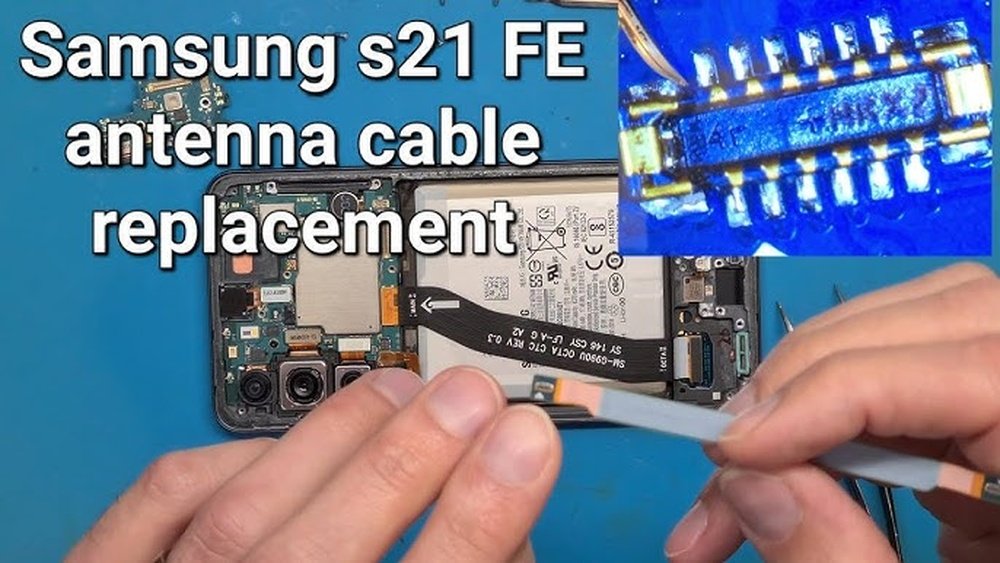
Cables carry the signal from the antenna to your device. Damaged cables cause weak or no signal. Look for cuts, cracks, or worn spots on the cable. Replace damaged cables with new, high-quality coaxial cables. Secure the cable connections tightly to avoid signal loss. Use electrical tape to protect small cable cuts.
Replacing Broken Antenna Elements
Antenna elements catch the signal. Broken elements reduce signal strength. Identify bent or broken rods on the antenna. Remove damaged parts carefully using tools. Replace them with matching new elements from the manufacturer. Tighten all screws and bolts securely. Test the antenna after replacement for better reception.
Optimizing Signal Reception
Optimizing signal reception is key to fixing antenna issues. A clear signal means better picture and sound quality. Small changes can make a big difference in signal strength. Simple tools and smart choices help improve reception fast.
Using Signal Boosters
Signal boosters increase weak signals. They catch more signals from towers and send them to your TV. Boosters are easy to install near the antenna. They reduce interference and improve picture quality. Choose a booster with the right power for your area. Too strong or too weak can cause problems.
Choosing The Best Antenna Type
Different antennas work best in different places. Indoor antennas suit areas close to broadcast towers. Outdoor antennas work better far from towers or with obstacles. Directional antennas pick signals from one direction. Omnidirectional antennas catch signals from all around. Match your antenna type to your location for best results.
Testing And Verifying Signal Quality
Testing and verifying signal quality is key to fixing antenna issues. You need to know if your antenna receives a strong, clear signal. Weak signals cause poor picture and sound. Checking signal strength helps find the problem fast. It shows if the antenna is in the right place or if cables need replacing.
Using Signal Meters
Signal meters measure the strength and quality of TV signals. They attach to the antenna cable. The meter shows numbers or bars to tell how strong the signal is. Aim the antenna for the best reading. A higher number means a better signal. Low readings suggest moving the antenna or fixing cables.
Signal meters help find the best antenna direction. They save time by showing results instantly. Some meters also check signal quality, which affects picture sharpness. Use a signal meter before tightening the antenna in place.
Performing Channel Scans
Channel scans help find all available TV stations. Use your TV or set-top box to start a scan. The scan searches for signals from nearby towers. It lists channels the antenna can pick up. This process checks if the antenna receives signals well.
Scan results show if channels are missing or weak. Poor scan results mean the antenna may need adjustment. Run scans after moving the antenna or fixing cables. Repeat scans to confirm signal improvements. Scanning is simple and helps verify antenna performance.
Preventive Maintenance Tips
Preventive maintenance helps avoid antenna problems before they start. Small steps keep your antenna working well and save repair costs. Routine care improves signal quality and extends antenna life.
Regular Inspections
Check your antenna often for damage or loose parts. Look for rust, cracks, or bent elements. Tighten screws and bolts that may have loosened. Clean dirt and debris from the antenna surface. Early detection stops small issues from growing.
Weatherproofing Antenna Setup
Protect your antenna from rain, wind, and snow. Use waterproof tape or sealant on cable connections. Choose rust-resistant materials for mounting parts. Secure the antenna firmly to prevent movement. Proper weatherproofing keeps signals stable and prevents damage.
Frequently Asked Questions
How Do I Check If My Antenna Is Working?
Test your antenna by connecting it to a different device. Check for clear signal reception. Inspect cables for damage or loose connections. Ensure your antenna is properly positioned and oriented for best signal.
What Causes Antenna Signal Loss?
Signal loss can result from damaged cables, poor connections, or interference. Weather conditions and physical obstructions also affect signal strength. Regularly inspect and maintain your antenna setup to avoid these issues.
How Can I Improve My Antenna Reception?
Adjust your antenna’s direction toward the broadcast tower. Elevate the antenna to reduce obstructions. Use quality cables and connectors. Consider an amplifier if signals are weak or distant.
When Should I Replace My Antenna?
Replace your antenna if it’s physically damaged, outdated, or no longer receives a clear signal. Frequent signal drops and poor picture quality also indicate it’s time for a new antenna.
Conclusion
Fixing antenna issues can improve your signal and viewing experience. Start with simple checks like cable connections and antenna placement. Small adjustments often solve common problems quickly. Keep your antenna clean and free from obstacles. If problems persist, consider upgrading or consulting a professional.
Clear signals mean better picture and sound quality. Stay patient and follow these easy steps to enjoy your favorite channels without interruption. A little effort goes a long way in fixing antenna issues.