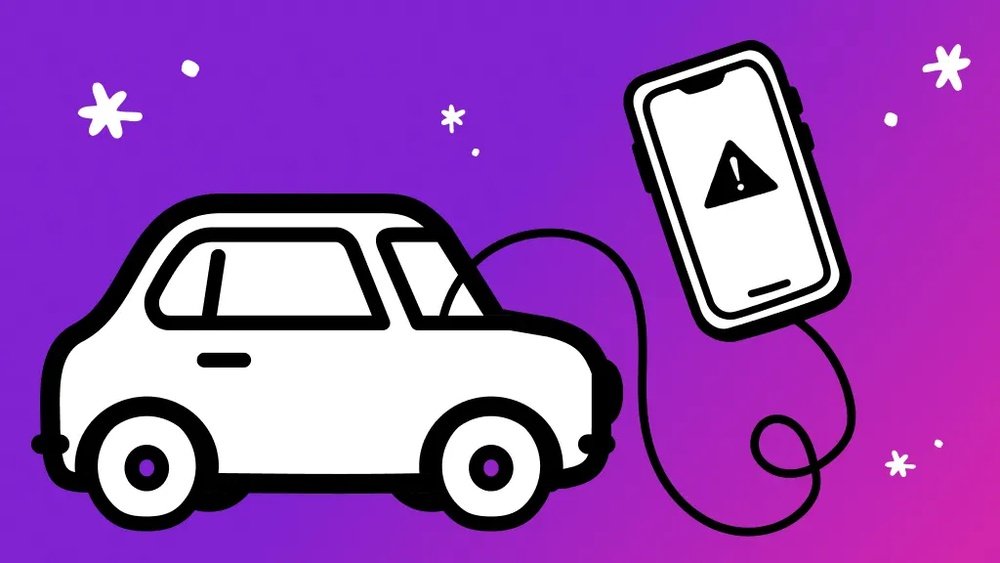
Is your Apple CarPlay not charging properly while you drive? It’s frustrating when your phone’s battery drains instead of staying powered up.
You rely on CarPlay for navigation, music, and calls, so a charging issue can quickly ruin your experience. But don’t worry—fixing this problem might be easier than you think. You’ll discover simple, effective steps to get your Apple CarPlay charging smoothly again.
Keep reading to take control and enjoy uninterrupted drives with a fully charged phone.
Common Causes Of Carplay Charging Issues
Apple CarPlay charging issues can be frustrating during drives. Identifying the common causes helps fix the problem quickly. These issues often come from simple hardware or software problems.
Understanding what causes charging problems can save time and avoid extra costs. Here are the main reasons why CarPlay may not charge your device properly.
Faulty Usb Cable
A damaged or low-quality USB cable often stops charging. Cables can wear out from bending or pulling. Using a non-certified cable may also cause power loss. Always test with a known good cable.
Dirty Or Damaged Ports
Ports collect dust and debris over time. Dirt can block the connection between the cable and port. Physical damage to the ports can prevent charging as well. Regularly clean and inspect ports for damage.
Software Glitches
Software bugs may cause charging errors during CarPlay use. Outdated iOS or car system software can create conflicts. Restarting devices or updating software can resolve these glitches. Keep your systems up to date.
Incompatible Accessories
Some chargers or accessories do not support CarPlay charging. Using third-party devices without proper certification can cause issues. Always use accessories designed for Apple products. Check compatibility before connecting.

Basic Troubleshooting Steps
Basic troubleshooting steps help solve many Apple CarPlay charging problems. Start with simple fixes before trying complex solutions. These steps often restore charging quickly and safely. Follow the guide below to get started.
Restart Your Iphone And Car System
Turn off your iPhone and your car’s system. Wait for about 30 seconds. Turn both devices back on. Restarting clears minor glitches. This step can fix charging and connection issues fast.
Check Cable And Port Connections
Inspect the cable for any damage or dirt. Make sure the cable fits snugly in both the iPhone and car ports. Clean the ports gently if needed. Loose or dirty connections often cause charging problems.
Update Ios And Car Firmware
Check if your iPhone has the latest iOS update. Go to Settings, then Software Update. Also, check your car’s system for firmware updates. Updated software improves compatibility and fixes bugs.
Replacing And Testing Usb Cables
Replacing and testing USB cables often solves Apple CarPlay charging problems. Faulty cables may stop charging or cause connection issues. Testing cables helps find the exact cause quickly. Simple swaps can restore proper charging and data transfer.
Choosing Certified Cables
Pick USB cables with MFi certification. MFi means Made for iPhone and ensures quality. Certified cables meet Apple standards for safety and performance. Avoid cheap, unbranded cables that can damage devices or fail to charge. Certified cables last longer and provide stable connections for CarPlay.
Testing With Different Cables
Try several cables to spot the faulty one. Use a cable that works with other Apple devices. Check if your CarPlay charges or connects with different cables. If one cable works but another doesn’t, replace the bad cable. Testing helps rule out problems with the car’s USB port or phone.
Cleaning And Inspecting Ports
Cleaning and inspecting the ports of your Apple CarPlay setup is essential for proper charging. Dirt, dust, and damage can block the connection. This causes slow charging or no charging at all. Regular checks keep the ports clean and working well.
Removing Dust And Debris
First, turn off your car and unplug the device. Use a soft brush or a toothpick to remove dust from the port. Gently clean inside the port without pushing debris further. Blow air softly to clear out small particles. Avoid using liquids or sharp tools. This simple step improves the charging contact.
Checking For Physical Damage
Look closely at the charging port for any damage. Bent pins or cracks can stop charging. Check the cable connector for wear and tear too. A damaged port or cable needs repair or replacement. Fixing these issues restores a strong connection and proper charging.
Adjusting Car Settings For Charging
Adjusting car settings can help fix Apple CarPlay charging problems. Sometimes, the car’s system blocks power or CarPlay access. Changing a few settings allows your phone to charge properly while connected. This step is important before trying other fixes.
Enabling Carplay Permissions
Check if CarPlay permissions are on in your car’s system. Some cars need you to allow CarPlay before charging starts. Go to your car’s menu and find the CarPlay or smartphone connection section. Enable CarPlay permissions for your phone. This helps your car recognize the device and supply power correctly.
Checking Power Output Settings
Look at your car’s power output settings next. Some vehicles let you control USB port power. Ensure the port used for CarPlay has enough power to charge your phone. Set the USB port to “high power” or “charge” mode if available. This setting prevents slow charging or no charging at all.
Using Wireless Carplay Alternatives
Wireless CarPlay alternatives offer a solution for charging issues. They allow you to use CarPlay without a cable. This can reduce wear on charging ports and cables. Wireless setups bring convenience and keep your car interior tidy.
Setting Up Wireless Connection
First, check if your car supports wireless CarPlay. Newer models often have this feature. Enable Bluetooth and Wi-Fi on your iPhone. On your car’s display, open the CarPlay settings. Select your iPhone from the list of devices. Follow the prompts to pair your phone. After pairing, CarPlay should connect automatically.
Keep your iPhone near the car’s infotainment system. Avoid obstacles that block signals. This helps maintain a stable connection.
Benefits And Limitations
Wireless CarPlay keeps your phone free from cables. It prevents damage to charging ports. Your car’s dashboard looks clean without wires. You can move your phone easily inside the car.
There are some limits to wireless use. Wireless connections may lag compared to wired ones. Some cars may not support wireless CarPlay. Battery usage can increase on your iPhone. You still need to charge your phone regularly.
When To Seek Professional Help
Sometimes, Apple CarPlay charging problems need expert help. Trying to fix complex issues alone can cause more damage. Knowing when to ask for professional support saves time and effort. Professionals have the right tools and knowledge to find the problem fast.
Diagnostic Services
Professionals use special tools to check your CarPlay system. They test cables, ports, and software to find the exact issue. This process helps avoid guesswork and ensures accurate results. A proper diagnosis shows what part needs fixing or replacing.
Repair Or Replacement Options
Experts can fix damaged cables or broken ports safely. Sometimes, parts must be replaced to restore charging. They offer the best repair or replacement based on the problem. This approach prevents future issues and keeps your system working well.

Frequently Asked Questions
Why Is Apple Carplay Not Charging My Iphone?
Apple CarPlay may not charge due to faulty cables or USB ports. Check your Lightning cable for damage. Try different USB ports or use an original Apple charger for reliable power delivery.
How Can I Fix Slow Charging With Apple Carplay?
Slow charging often results from low-quality cables or weak power sources. Use certified Lightning cables and connect to a higher wattage charger. Also, avoid using wireless charging while using CarPlay.
Does Apple Carplay Drain My Phone Battery?
Apple CarPlay can drain battery if the car’s USB port provides low power. Use a dedicated car charger or a powered USB hub to maintain battery levels during use.
Can Software Updates Fix Apple Carplay Charging Issues?
Yes, software bugs can affect charging. Keep your iPhone and car infotainment system updated to the latest firmware. Updates often improve compatibility and charging performance.
Conclusion
Fixing Apple CarPlay charging issues is simpler than it seems. Check your cables and ports first. Clean any dirt or dust carefully. Restart your iPhone and car system. Try using another charging cable if needed. Keep your software updated for smooth performance.
Small steps often solve big problems. Stay patient and follow these tips. Enjoy a hassle-free CarPlay experience again.