Is a buzzing noise driving you crazy? Whether it’s coming from your electronics, appliances, or even your walls, that constant hum can be more than just annoying—it can disrupt your peace and focus.
But don’t worry, you’re not alone, and fixing it might be easier than you think. You’ll discover simple, practical steps to identify the source of the buzzing and get rid of it for good. Ready to bring quiet back into your life?
Keep reading to find out how.
Common Causes Of Buzzing Noise
Buzzing noises in your home can be annoying and hard to ignore. They often signal a problem that needs fixing. Understanding common causes helps you find the right solution faster.
Buzzing sounds come from different sources. These include electrical faults, appliances, wiring problems, and device interference. Each cause has distinct signs and ways to check.
Electrical Issues
Electricity can cause buzzing sounds if circuits are overloaded. Loose connections in switches or outlets create vibrations. Faulty transformers in your home can also hum loudly. These issues may cause safety hazards and need careful attention.
Appliance Problems
Appliances like refrigerators, fans, or air conditioners sometimes buzz. Worn-out motors or loose parts often cause this noise. Dirty or blocked components increase the sound. Regular maintenance can reduce or stop the buzzing.
Wiring Faults
Old or damaged wiring creates buzzing sounds inside walls. Poor insulation or frayed wires cause electrical noise. This can be dangerous and cause power loss. Inspecting and fixing wiring helps keep your home safe.
Interference From Devices
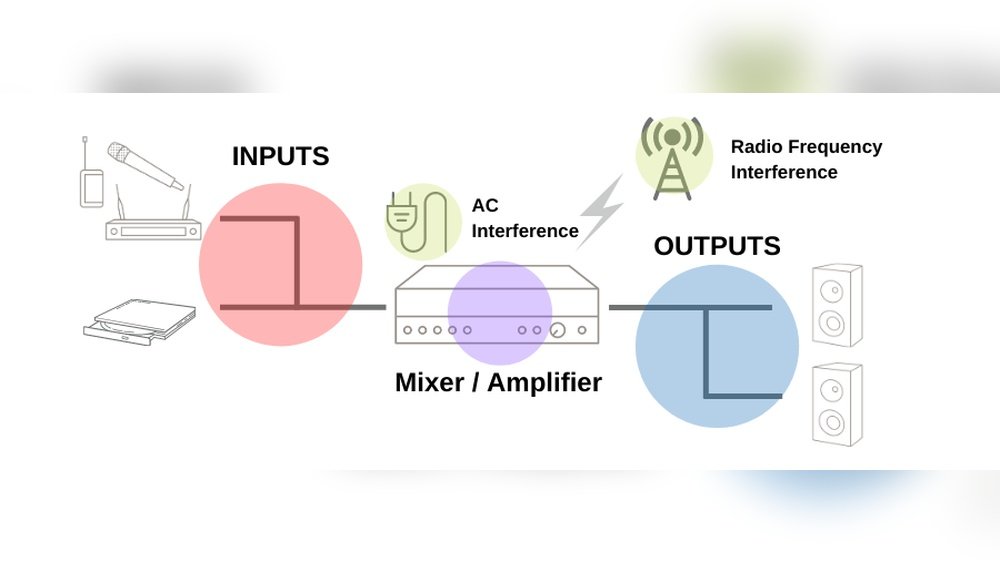
Electronic devices may interfere with each other, causing buzzing. Radios, routers, and speakers often create this problem. Nearby wireless signals can also cause noise. Moving devices apart usually reduces interference and sound.
Diagnosing The Source
Finding the exact source of a buzzing noise is the first step in fixing it. Diagnosing the source helps avoid unnecessary repairs. It saves time and money. Careful listening and simple tools can reveal where the noise comes from.
Listening Techniques
Start by turning off all devices around you. Listen carefully in a quiet room. Move closer to the noise source. Use your ears to detect changes in the sound. Note if the buzz changes with distance or position. Sometimes, buzzing comes from walls, appliances, or wires. Pay attention to any patterns or timing of the noise.
Using Testing Tools
Use a multimeter to check electrical outlets and cords. It helps find voltage or grounding problems causing buzzes. A sound level meter measures how loud the noise is. This tool shows which area is the loudest. A non-contact voltage tester can detect live wires near the noise. These tools give clues about electrical faults.
Isolating The Noise
Turn off devices one by one while listening closely. This process narrows down which device causes the buzz. Unplug appliances to check if the noise stops. Check light fixtures and switches for buzzing too. Sometimes, the noise comes from a loose wire or connection. Fixing or tightening these parts often stops the buzz.
Simple Fixes For Electrical Buzzing
Electrical buzzing can be annoying and worrying. It often means there is a problem with your electrical system. Simple fixes can reduce or stop the noise quickly. These easy steps help keep your home safe and quiet.
Tightening Connections
Loose connections cause buzzing sounds in wires and outlets. Turn off the power before checking. Use a screwdriver to tighten screws on outlets and switches. Secure connections stop vibrations that cause buzzing. Regular checks prevent electrical hazards and noise.
Replacing Faulty Components
Old or damaged parts can make buzzing noises. Look for burnt or cracked switches and outlets. Replace any parts that look worn out. Use new, good-quality components for safety. This fix helps avoid bigger electrical problems.
Using Noise Filters
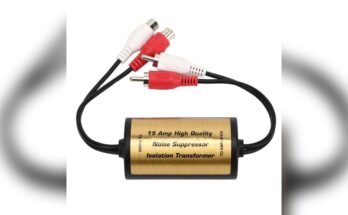
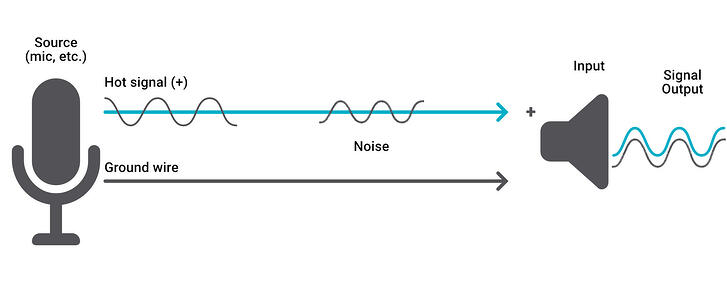
Noise filters reduce electrical interference and buzzing sounds. Install them on appliances or circuits causing noise. Filters block unwanted electrical signals from power lines. This method works well for sensitive devices. Noise filters create a quieter and safer home environment.
Addressing Appliance Buzzing
Buzzing noises from appliances can be annoying and may signal a problem. Fixing these sounds improves your comfort and appliance life. Addressing buzzing early prevents bigger issues and costly repairs.
Checking Motor And Fans
Motors and fans often cause buzzing sounds. Check if they spin smoothly without obstruction. Listen closely to find if the noise comes from the motor or fan area. Tighten any loose screws or parts around the motor. Sometimes, dirt or debris blocks the fan blades. Clear these gently to restore quiet operation.
Cleaning And Maintenance
Dust and grime build-up can cause buzzing. Clean appliances regularly to avoid this. Unplug the device before cleaning for safety. Use a soft brush or cloth to remove dust from vents and fans. Clean motor parts carefully without using water. Regular maintenance keeps appliances running smoothly and quietly.
Replacing Worn Parts
Worn parts often cause persistent buzzing noises. Check belts, bearings, and fan blades for wear or damage. Replace any parts that look cracked or loose. Use parts recommended by the appliance manufacturer. Proper replacement restores normal sound levels and improves performance. Do not delay replacing worn parts to avoid further damage.
Preventing Future Buzzing
Preventing buzzing noise saves time and effort later. Small problems can grow if ignored. Taking simple steps stops buzzing before it starts. Focus on regular care and smart choices.
Regular Inspections
Check devices and wires often. Look for loose parts or worn cables. Tighten screws and clean contacts. Catch issues early to avoid big noise problems. Regular checks keep systems running smooth.
Proper Installation
Follow instructions carefully when setting up equipment. Use the right tools for each task. Avoid forcing parts together. Correct installation reduces vibrations that cause buzzing. Secure connections help keep sound clear.
Using Quality Equipment
Choose reliable brands and sturdy materials. Cheap parts may wear out fast and buzz. Good equipment lasts longer and works better. Investing in quality reduces noise and repair needs. It protects your peace and devices.


Frequently Asked Questions
What Causes A Buzzing Noise In Electrical Appliances?
Buzzing in appliances often results from loose wiring or faulty components. It can also be due to power surges or electrical interference. Regular maintenance and inspections help identify and fix these issues early.
How Can I Stop Buzzing In My Ceiling Fan?
Buzzing in ceiling fans usually comes from unbalanced blades or motor issues. Tighten screws, clean blades, and check for electrical faults. Replacing worn-out parts often resolves the noise.
Why Does My Computer Make A Buzzing Sound?
Computers buzz due to fan malfunctions, hard drive issues, or electrical interference. Cleaning dust, updating drivers, and checking hardware connections can reduce or eliminate the buzzing noise.
Can Buzzing Noises Indicate Serious Electrical Problems?
Yes, persistent buzzing may signal serious issues like short circuits or overloaded circuits. Ignoring these sounds can risk damage or fire. Always consult a professional electrician for safety.
Conclusion
Buzzing noises can be annoying and distracting. Fixing them is easier than you think. Check your devices and cables first. Tighten loose parts and clean connections. Sometimes, a simple reset can help. If the noise continues, consider professional help. Taking quick action protects your equipment.
Enjoy a quieter, more comfortable space soon. Remember, small steps often solve big problems. Keep your environment peaceful and noise-free.