Is your car stereo making your favorite songs sound off? Maybe the music feels louder on one side or the voices seem to come from just one speaker.
This problem is called channel imbalance, and it can ruin your driving experience. But don’t worry—you don’t need to be a tech expert to fix it. You’ll learn simple, clear steps to bring back perfect sound balance in your car stereo.
Keep reading, and soon you’ll enjoy every beat and word just as they were meant to be heard.

Identify Channel Imbalance Symptoms
Identifying channel imbalance symptoms in your car stereo is the first step to fixing the problem. This issue affects sound quality and your listening experience. Knowing the signs helps you understand what needs fixing. It also saves time and effort when repairing or adjusting your stereo.
Signs Of Uneven Sound
Sound comes more from one side than the other. Music or voices feel louder on the left or right speaker only. Some songs lose clarity or sound hollow in one speaker. Bass and treble levels seem off balance between speakers. You might hear static or crackling noise in one channel. These signs point to a channel imbalance problem.
Common Causes
Wires may be loose or damaged between the stereo and speakers. Speaker connections might be dirty or corroded. The stereo’s balance settings can be incorrect or reset. A blown speaker causes uneven sound output. Internal stereo components might have faults or damage. Identifying these causes helps to fix your stereo faster.

Check Stereo Settings
Start by checking your car stereo settings to fix channel imbalance. The settings control sound distribution between speakers. Adjusting these can restore equal sound on both sides. This step is simple and often solves the problem quickly.
Explore your stereo’s balance and fader controls first. These settings manage sound direction and volume for each speaker. Sometimes, a small change in these controls causes imbalance.
Balance And Fader Controls
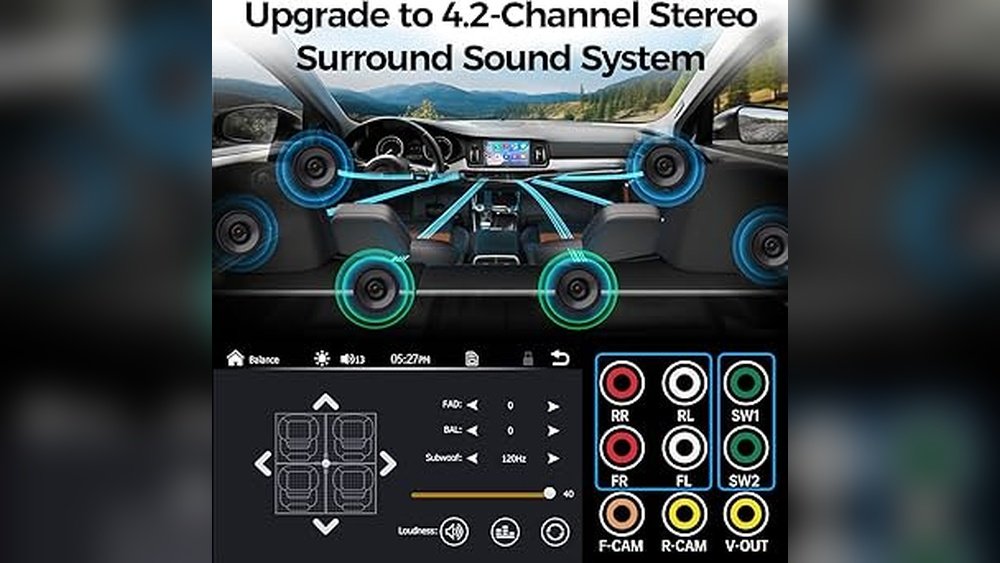
Balance controls adjust sound between left and right speakers. Move the balance slider to the center for equal sound. If sound is louder on one side, shift the slider to fix it.
Fader controls adjust sound between front and rear speakers. Set the fader in the middle to balance front and back. Uneven fader settings can cause sound to feel off or weak on some sides.
Reset To Factory Defaults
Resetting your stereo to factory defaults can fix unknown issues. This clears any wrong settings causing imbalance. Find the reset option in the stereo menu, then confirm the reset.
After reset, all settings return to original factory values. Adjust balance and fader again for best sound. This step often restores proper audio balance quickly.
Inspect Wiring And Connections
Inspecting the wiring and connections is key to fixing car stereo channel imbalance. Loose or damaged wires can cause sound to come from one side only. Checking these parts helps find the problem quickly.
Speaker Wire Condition
Look closely at the speaker wires. Are they frayed or broken? Old wires may lose contact and cause sound issues. Replace any damaged wires to restore balance. Clean wires also help maintain good sound quality.
Connector Tightness
Check all connectors attached to the stereo and speakers. Loose connectors can cut off sound to one channel. Push connectors firmly to ensure a tight fit. Tight connections keep the sound even on both sides.

Test Individual Speakers
Test each speaker one by one to find which side has weak sound. This helps spot the source of the stereo channel imbalance. Adjust or repair the speaker causing the problem for balanced audio.
Use A Test Tone
Testing individual speakers helps find which one causes imbalance. A test tone plays a steady sound through each speaker. This makes it easy to hear if any speaker is quieter or louder than others.
Many car stereos have a built-in test tone feature. If yours does not, use a test tone app or a CD with test tones. Play the tone and listen carefully to each speaker one by one.
Check for any crackling, distortion, or volume differences. These signs show if a speaker has a problem. Mark the speakers that sound different for further checks.
Swap Speaker Wires
Swapping speaker wires helps find wiring or connection issues. Disconnect the wires from one speaker and connect them to another. This swaps their audio signals.
If the problem moves with the wires, the wires or connections cause the imbalance. If the problem stays with the speaker, the speaker may be faulty.
Check wire insulation for breaks or corrosion. Clean the connectors to ensure a good connection. Replace any damaged wires to fix the issue.
Address Speaker Issues
Addressing speaker issues is key to fixing car stereo channel imbalance. Uneven sound often comes from problems with the speakers themselves. Checking and fixing these parts can restore balanced audio.
Repair Damaged Speakers
Damaged speakers cause weak or distorted sound. Look for tears, holes, or cracks in the speaker cones. These damages affect sound quality and balance.
Small tears can sometimes be fixed with special glue. Be gentle to avoid making the damage worse. If the damage is severe, replacement might be necessary.
Check speaker wiring for loose connections or breaks. Secure or repair wires to ensure proper sound flow.
Replace Faulty Components
Faulty parts like blown speakers or damaged crossovers disrupt sound balance. These parts should be tested and replaced if needed.
Test each speaker individually to find the faulty one. Replace any speaker that does not produce clear sound.
Crossovers direct frequencies to the right speaker. A broken crossover causes imbalance. Swap it with a new one to fix the issue.
Examine Head Unit And Amplifier
Start by examining the head unit and amplifier to find channel imbalance causes. These parts control sound balance and output. Checking them helps spot issues early and fix problems fast.
Inspect Internal Settings
Open the head unit menu and review sound settings. Look for balance or fader controls. Adjust these to see if the sound improves. Reset settings to default if unsure. Some units hide balance options in advanced menus. Check the amplifier’s gain controls too. Uneven gain can cause imbalance. Use the manual for exact steps.
Check For Hardware Faults
Hardware problems can cause channel imbalance. Look for loose wires or damaged connectors. Inspect speaker wires for cuts or corrosion. Test the amplifier by swapping channels if possible. Listen for changes in sound output. Faulty internal components in the head unit may need repair. Signs include static, cuts, or no sound on one channel. Replace parts only if necessary.
Use Diagnostic Tools
Using diagnostic tools helps find the cause of car stereo channel imbalance. These tools check the electrical signals and speaker outputs. They give clear data to pinpoint problems. Accurate testing saves time and avoids guesswork. Below are two key tools that help fix stereo issues.
Multimeter Testing
A multimeter measures electrical voltage and resistance in your stereo system. It checks wiring and speaker connections for faults. Set the multimeter to the correct mode before testing. Test each speaker wire for continuity. This shows if wires are broken or loose. Measure the voltage at speaker terminals to ensure proper power. Low or uneven voltage causes imbalance. Multimeter testing helps find these electrical issues quickly.
Professional Audio Analyzers
Professional audio analyzers give detailed sound measurements. They test frequency response and signal strength. These tools show if one channel is weaker or distorted. Analyzers can simulate different sound conditions to check speaker performance. They provide graphs and data for precise troubleshooting. Using an audio analyzer helps fix complex problems beyond basic tests. It guides adjustments to balance sound perfectly.
Prevent Future Channel Imbalance
Preventing future car stereo channel imbalance helps keep your music clear and balanced. Consistent care and correct setup stop problems early. This section shares easy tips to avoid channel issues.
Regular Maintenance Tips
Check your stereo system often for any signs of imbalance. Clean the speaker connections to remove dust and dirt. Tighten loose wires to keep sound strong and even. Test the balance settings on your stereo monthly. Replace old or damaged cables to maintain good sound quality.
Proper Installation Practices
Install your car stereo carefully to avoid future problems. Use the right tools and follow the manual steps. Match speaker sizes and power ratings on both sides. Secure all wiring firmly to stop vibrations and loose contacts. Avoid running wires near engine parts that cause interference.
Frequently Asked Questions
What Causes Car Stereo Channel Imbalance?
Car stereo channel imbalance usually results from faulty wiring, damaged speakers, or incorrect audio settings. It can also occur due to a malfunctioning head unit or amplifier. Identifying the exact cause helps fix the issue effectively and restore balanced sound output in your car stereo system.
How To Adjust Balance Settings In Car Stereo?
To adjust balance settings, access your car stereo’s audio menu. Look for “Balance” or “Fader” controls and move sliders to equalize sound between left and right speakers. This simple step often resolves minor channel imbalance problems without needing technical repairs.
Can Speaker Damage Cause Stereo Imbalance?
Yes, damaged speakers can cause stereo imbalance. If one speaker is blown or weak, the audio output becomes uneven. Inspect speakers for physical damage or test them individually to identify and replace faulty units, ensuring balanced sound.
Is Wiring A Factor In Car Stereo Imbalance?
Wiring issues often lead to channel imbalance. Loose, frayed, or corroded wires can disrupt sound signals. Check all wiring connections, especially at the head unit and speakers, to ensure secure and clean contact for balanced audio performance.
Conclusion
Fixing car stereo channel imbalance improves your listening experience greatly. Small adjustments bring clear and balanced sound. Test each step carefully for best results. Avoid rushing; take your time to check settings. This simple fix saves money and frustration. Enjoy music evenly from all speakers now.
Keep your car stereo in good shape always. Sound quality matters for every drive. Try these tips and hear the difference.