
Is your diesel engine misfiring and leaving you frustrated? You’re not alone, and the good news is there’s a clear path to fixing it.
A misfire can cause rough rides, poor fuel economy, and even damage your engine if ignored. But don’t worry—this guide will show you the best way to identify the cause and get your engine running smoothly again. Keep reading, and you’ll discover simple, effective steps to stop that misfire for good.
Your diesel engine deserves the best care, and you’re just a few minutes away from learning how to give it exactly that.
Common Causes Of Diesel Engine Misfire
Diesel engine misfire can cause poor performance and higher fuel use. Knowing common causes helps fix the problem fast. Misfire happens when the engine cylinders don’t fire correctly. This section covers main reasons for diesel engine misfire.
Fuel System Issues
Fuel system problems often cause misfires in diesel engines. Dirty or clogged fuel injectors reduce fuel flow. Low fuel pressure can stop proper fuel delivery. Bad fuel filters block fuel supply. Air in the fuel lines also causes misfire. Regular fuel system checks help avoid these issues.
Ignition Problems
Diesel engines use compression ignition, but glow plugs assist starting. Faulty glow plugs cause rough starts and misfire. Problems in the engine control unit (ECU) affect ignition timing. Bad wiring or sensors disrupt spark and fuel injection. Fixing ignition faults improves engine smoothness.
Air Intake And Exhaust Faults
Engines need clean air for perfect combustion. Blocked air filters reduce airflow, causing misfire. Leaks in the intake manifold change air mix ratio. Exhaust system blockages increase back pressure. Faulty EGR valves create wrong gas recirculation. Proper air and exhaust flow keep the engine healthy.
Mechanical Failures
Mechanical issues inside the engine also cause misfire. Worn piston rings reduce compression pressure. Broken valves or camshaft problems affect timing. Cracked cylinder heads lead to loss of compression. Faulty fuel pumps fail to supply enough fuel. Regular engine maintenance detects these faults early.

Signs Of A Misfiring Diesel Engine
Recognizing the signs of a misfiring diesel engine is crucial for timely repairs. A misfire means one or more cylinders fail to ignite properly. This issue lowers engine efficiency and can cause more damage if ignored. Watch for changes in engine behavior that suggest a problem.
Engine Performance Drops
The engine may lose power suddenly. Acceleration feels weak and slow. The vehicle might hesitate or jerk while driving. This loss of power shows the engine is not running smoothly.
Unusual Engine Noises
Listen for rough or uneven sounds. The engine may produce knocking or tapping noises. These sounds often mean the fuel is not burning correctly. Strange noises are a clear warning sign.
Increased Fuel Consumption
You may notice the fuel gauge drops faster. More fuel is needed to maintain normal speed. This waste happens because the engine misfires. Higher fuel use means lower engine efficiency.
Exhaust Smoke Changes
Check the color and amount of exhaust smoke. Thick black or white smoke may appear. These changes suggest incomplete fuel combustion. Smoke differences reveal engine problems quickly.
Diagnosing Diesel Engine Misfires
Diagnosing diesel engine misfires is the first step to fixing the problem. Misfires cause rough running, lower power, and higher emissions. Pinpointing the cause requires careful checks. Several methods help identify the root of misfires accurately.
Using Diagnostic Tools
Diagnostic tools read engine error codes stored in the computer. These codes reveal misfire locations and related faults. A scan tool shows live data like RPM, injector pulse, and sensor signals. This information guides further inspection. Modern tools make diagnosis faster and precise.
Manual Inspection Techniques
Manual checks involve looking for visible signs of trouble. Inspect spark plugs, wires, and connectors for damage or corrosion. Check vacuum lines and hoses for leaks or cracks. Listen for unusual engine sounds. Feel for rough engine vibrations. These simple steps often reveal obvious problems.
Checking Fuel Injectors
Fuel injectors deliver fuel to each cylinder. Clogged or faulty injectors cause uneven fuel supply. This leads to misfires and poor engine performance. Remove injectors and test spray pattern and flow rate. Clean or replace bad injectors as needed. Proper fuel delivery is crucial for smooth running.
Testing Compression Levels
Compression tests check cylinder pressure during the engine cycle. Low compression in one or more cylinders causes misfire. Use a compression gauge to measure pressure in each cylinder. Compare readings to manufacturer’s specs. Fix leaks in valves, piston rings, or head gasket to restore compression.
Step-by-step Fixes For Misfires
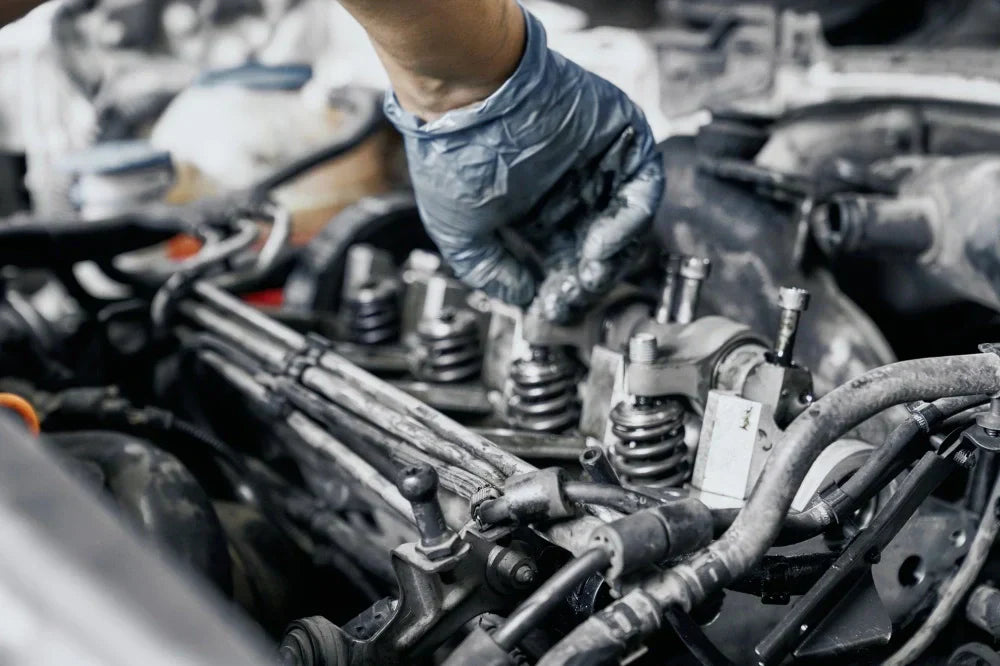
Diesel engine misfires can cause rough running and loss of power. Fixing these misfires step-by-step helps to restore smooth engine performance. This guide covers the main areas to check and repair.
Follow each step carefully to identify and solve the root cause of misfires. These fixes are simple and practical for most diesel engines.
Cleaning Or Replacing Fuel Injectors
Fuel injectors spray fuel into the engine cylinders. Dirty or clogged injectors disrupt fuel flow, causing misfires. Clean injectors using a fuel injector cleaner or remove and soak them in a cleaning solution. Replace injectors if cleaning does not improve performance. Proper fuel spray ensures even combustion and smooth running.
Repairing Ignition Components
Ignition parts like glow plugs and wiring must work well. Faulty glow plugs cause weak sparks or no ignition. Check each glow plug for damage or wear. Replace any broken or worn parts. Also, inspect wiring for cracks or loose connections. Strong ignition is crucial for diesel engines to fire correctly.
Addressing Air And Exhaust Blockages
Engines need clean air and free exhaust flow. Blocked air filters reduce airflow, causing misfires. Replace dirty air filters regularly. Check the exhaust system for clogs or leaks. A blocked exhaust pipe traps gases and reduces engine power. Clear any blockages to restore proper air and exhaust flow.
Fixing Mechanical Defects
Mechanical issues like worn valves or damaged pistons cause misfires. Listen for unusual noises or vibrations. Perform a compression test to check cylinder health. Repair or replace damaged parts as needed. Mechanical soundness ensures the engine runs smoothly without misfiring.
Preventing Future Misfires
Preventing future misfires in a diesel engine saves time and money. Consistent care keeps the engine running smoothly. A few key steps can reduce the chances of misfires. These steps protect the engine’s parts and improve performance.
Regular Maintenance Tips
Check the engine oil and change it often. Clean or replace the air filter regularly. Inspect the fuel filter and replace it if dirty. Keep the engine parts clean and free from debris. Follow the service schedule from the vehicle’s manual.
Using Quality Fuel And Lubricants
Use diesel fuel from trusted sources. Poor quality fuel can cause clogging and damage. Choose lubricants that meet manufacturer standards. Good fuel and oil reduce wear on engine parts. They help the engine run efficiently and last longer.
Monitoring Engine Health
Watch for warning lights or unusual noises. Use a diagnostic tool to check engine codes. Regularly test the compression and fuel pressure. Early detection of problems prevents serious damage. Keep a record of engine performance and repairs.
Timely Component Replacement
Replace spark plugs, injectors, and sensors as needed. Old parts can cause weak sparks or poor fuel delivery. Follow the recommended replacement intervals. Using new parts improves engine reliability. It lowers the risk of misfires and breakdowns.
When To Seek Professional Help
Knowing when to seek professional help for a diesel engine misfire is important. Some problems need expert tools and skills. Ignoring serious issues can cause more damage and higher repair costs. Understanding the signs of when to ask for help keeps your engine safe and running well.
Complex Engine Issues
Diesel engines have many parts that work together. Some problems are too complex for basic fixes. Issues with the fuel system, sensors, or injectors may need special tools. Professionals know how to handle these hard problems safely and correctly.
Persistent Misfire Problems
Simple fixes do not always stop a misfire. If the problem comes back after repairs, it means deeper trouble. Constant misfires can harm the engine over time. A mechanic can find the root cause and fix it properly.
Diagnostic Limitations
Basic tools may miss hidden engine faults. Modern diesel engines need advanced diagnostic machines. Professionals use these tools to read error codes and test parts. This helps find problems that are not easy to see.
Safety Considerations
Working on diesel engines can be dangerous. Fuel leaks, high pressure, and electrical parts pose risks. Professionals have training and equipment to stay safe. Avoid injury and damage by letting experts handle tough repairs.

Frequently Asked Questions
What Causes A Diesel Engine To Misfire?
Diesel engine misfires often result from faulty fuel injectors, clogged filters, or bad glow plugs. Air leaks and ignition issues can also cause misfires. Identifying the exact cause helps target the repair effectively.
How Can I Diagnose A Diesel Engine Misfire?
Use an OBD-II scanner to check error codes. Inspect fuel injectors, glow plugs, and filters. Listen for unusual engine noises and monitor performance drops to pinpoint misfire causes.
What Is The Best Way To Fix Diesel Engine Misfire?
Clean or replace faulty fuel injectors and clogged filters. Repair air leaks and replace bad glow plugs. Regular maintenance prevents misfires and ensures optimal engine performance.
Can Bad Fuel Cause Diesel Engine Misfires?
Yes, contaminated or poor-quality fuel can cause misfires. It clogs injectors and reduces combustion efficiency. Always use clean, high-quality diesel fuel to avoid issues.
Conclusion
Fixing a diesel engine misfire starts with finding the root cause. Check spark plugs, fuel injectors, and air filters first. Clean or replace any worn parts. Regular maintenance helps keep your engine running smooth. Small issues can become big problems if ignored.
Stay patient and follow each step carefully. Your engine will run better and last longer. Simple care can save time and money in the long run. Keep your diesel engine healthy for safer drives ahead.


