Is your car burning through engine oil faster than it should? If you’ve noticed that you’re topping up oil more often, it’s a sign that your engine might be consuming oil excessively.
This problem can lead to costly repairs and reduce your vehicle’s performance. But don’t worry—you’re in the right place. You’ll learn simple, effective ways to fix engine oil consumption and keep your car running smoothly. Keep reading to discover practical tips that can save you money and protect your engine for the long haul.
Causes Of Excessive Oil Consumption
Excessive engine oil consumption can cause engine problems and increase maintenance costs. Knowing the causes helps fix the issue early. Several factors can lead to burning or leaking oil.
Some causes are simple to fix, while others may need professional help. Understanding these common problems saves time and money.
Worn Piston Rings
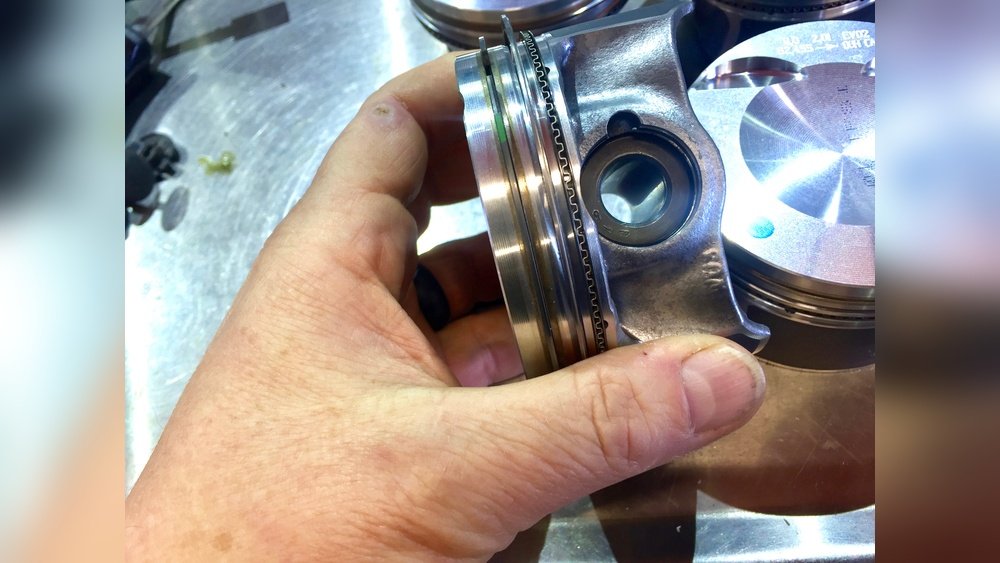
Piston rings seal the gap between pistons and cylinder walls. Over time, they wear out or get damaged. This wear lets oil pass into the combustion chamber. The engine burns oil, causing consumption to rise.
Worn piston rings also reduce engine power and increase smoke from the exhaust.
Valve Seal Problems
Valve seals stop oil from entering the combustion chamber through valves. Old or cracked seals allow oil to leak. This oil burns during combustion, raising oil usage. Valve seal problems often cause blue smoke at startup.
Leaking Gaskets And Seals
Gaskets and seals keep oil inside the engine. Over time, heat and pressure can damage them. Oil then leaks outside the engine. Leaks reduce oil level and can cause engine damage if ignored.
Common leak spots include the valve cover gasket and oil pan gasket.
Pcv Valve Issues
The Positive Crankcase Ventilation (PCV) valve removes gases from the crankcase. A stuck or clogged PCV valve causes pressure build-up. This pressure forces oil into the engine’s intake. The engine burns this extra oil, increasing consumption.
Engine Design Factors
Some engines naturally consume more oil due to their design. High-performance engines or older models may use more oil. Tight tolerances and turbochargers can also increase oil use. Knowing your engine’s design helps set realistic oil consumption expectations.

Signs Of High Oil Consumption
High engine oil consumption can harm your car’s engine over time. It wastes oil and may cause engine damage. Knowing the signs helps you act early. Spot these signs to prevent costly repairs.
Frequent Oil Top-ups
Needing to add oil often is a clear warning. Check your oil level regularly. If it drops quickly, the engine burns or leaks oil. Watch for this to avoid engine problems.
Blue Exhaust Smoke
Blue smoke from the exhaust signals burning oil. It shows oil enters the combustion chamber. This is not normal and needs attention. Don’t ignore this sign for long.
Oil Spots Under The Car
Look for oil puddles under your vehicle. Oil leaks cause these spots. They can come from worn seals or gaskets. Fix leaks early to stop oil loss and damage.
Engine Performance Changes
The engine may run rough or lose power. High oil consumption can affect its work. Notice if the car stalls or sounds odd. These changes mean the engine needs a check.
Checking Your Engine Oil Level
Checking your engine oil level is a simple step to keep your car running well. Low oil can cause serious engine problems. Regular checks help spot leaks or burning oil early. This keeps the engine healthy and saves repair costs.
When To Check Oil
Check oil when the engine is cold or has been off for 10 minutes. This lets oil settle in the pan. Avoid checking right after driving, as oil moves and gives wrong levels. Try to check oil every month or before long trips.
How To Check Oil Properly
Park your car on a flat surface to get an accurate reading. Turn off the engine and wait a few minutes. Open the hood and find the dipstick. Wipe it clean before checking oil level. Insert the dipstick fully and pull it out slowly.
Using The Dipstick Correctly
Look at the oil on the dipstick carefully. The level should be between the low and full marks. If oil is below the low mark, add more oil. Check the oil color too. Dark or gritty oil needs a change soon.
Easy Diy Fixes For Oil Consumption
Engine oil consumption can cause problems if left unchecked. Many issues can be fixed at home with simple tools. These easy DIY fixes help reduce oil use and keep engines running smoothly. No need for costly repairs or special skills.
Replacing The Pcv Valve
The PCV valve controls engine pressure and oil flow. A faulty valve can cause excess oil consumption. Remove the old valve from the engine and insert a new one. This fix often stops oil leaks and improves engine performance. Check your car manual for valve location.
Fixing Minor Oil Leaks
Small oil leaks increase oil loss and can damage the engine. Inspect the engine for wet spots or oil stains. Tighten loose bolts or replace worn gaskets to stop leaks. Use an oil leak sealant for quick repairs. Regular checks prevent bigger problems.
Using Oil Additives
Oil additives help reduce engine wear and oil burning. Choose additives designed to seal small leaks and improve oil thickness. Add the recommended amount to the engine oil. These additives can extend oil life and reduce consumption. Follow instructions carefully for best results.
Switching To Thicker Oil
Thicker oil can reduce oil burning in older engines. Check your owner’s manual for recommended oil types. Using a heavier weight oil can create better seals inside the engine. This slows down oil consumption and protects engine parts. Make sure the oil suits your engine’s needs.
When To Consult A Mechanic
Knowing when to consult a mechanic about engine oil consumption can save you time and money. Some oil use is normal, but certain signs mean you need expert help. Do not wait too long to get a professional check.
Persistent Oil Consumption
If your car keeps using oil even after topping it up, call a mechanic. This constant loss might signal worn seals or damaged piston rings. These problems need a trained eye to find and fix properly.
Major Engine Repairs
Engine oil issues sometimes point to bigger problems. Strange noises, smoke, or loss of power often come with oil consumption. These signs mean the engine needs major repairs or part replacements. Trust a mechanic to handle these complex jobs safely.
Professional Diagnosis Tools
Mechanics use special tools to diagnose oil consumption causes. They check oil pressure, engine compression, and leak locations. These tools give accurate information you cannot get at home. Let experts use these tools for the best results.

Preventing Future Oil Consumption
Preventing future engine oil consumption is key to keeping your car running smoothly. Small steps can stop oil loss and save costly repairs. Regular care helps your engine stay healthy and efficient.
Regular Oil Changes
Change engine oil on time. Old oil loses its ability to protect engine parts. Fresh oil reduces friction and heat. Follow the manufacturer’s schedule for oil changes. This keeps the engine clean and prevents wear.
Using High-quality Oil
Choose oil that meets your car’s specifications. High-quality oil flows better and lasts longer. It protects engine seals and reduces burning. Using the right oil lowers the chance of leaks and excessive consumption.
Maintaining Engine Cooling
Keep the engine cool to prevent oil breakdown. Check coolant levels often. Clean the radiator and cooling system regularly. Overheating can cause oil to burn faster and damage engine parts.
Avoiding Harsh Driving Habits
Drive gently to reduce engine stress. Avoid sudden accelerations and hard braking. Smooth driving lowers engine heat and oil use. Gentle driving helps engine parts last longer and reduces oil consumption.

Frequently Asked Questions
Why Is My Engine Oil Consumption High?
High oil consumption can result from worn piston rings, valve seals, or leaks. It may also indicate engine problems or poor maintenance.
How Can I Reduce Engine Oil Consumption?
Regularly check oil levels, use recommended oil type, fix leaks promptly, and maintain engine health with timely servicing.
When Should I Change My Engine Oil?
Change engine oil every 3,000 to 7,500 miles, depending on manufacturer guidelines, oil type, and driving conditions.
Can Low-quality Oil Increase Oil Consumption?
Yes, low-quality oil can burn faster and cause higher oil consumption. Use high-quality oil to protect engine parts.
Conclusion
Fixing engine oil consumption takes careful steps and patience. Check your oil level often to catch problems early. Use the right oil type recommended for your engine. Watch for leaks and worn parts that need replacing. Regular maintenance helps keep your engine running smooth.
Small fixes now can prevent big issues later. Stay alert to changes in engine performance or smoke. Keep your car healthy and avoid costly repairs. Simple care makes a big difference in oil use.


