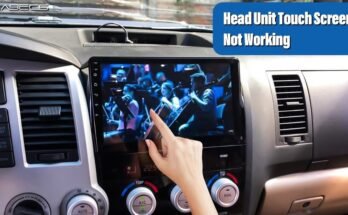
Is your touchscreen acting up, making it hard to tap or swipe accurately? You’re not alone, and the good news is that you don’t have to live with a frustrating screen.
Fixing your touchscreen calibration can bring back smooth, precise control to your device. In this guide, you’ll discover simple, step-by-step ways to troubleshoot and fix your touchscreen so it responds exactly how you want. Keep reading, and you’ll be back to enjoying your device without those annoying mis-taps in no time.

Causes Of Touchscreen Calibration Issues
Touchscreen calibration issues happen when the screen does not respond correctly to your touch. Understanding what causes these problems helps fix them faster. Problems can come from the hardware, software, or the environment around the device. Each cause affects how the touchscreen works.
Hardware Problems
Hardware problems often cause calibration errors. The touchscreen may have physical damage like cracks or scratches. Loose connections inside the device can also stop the screen from working well. Sometimes, dirt or dust on the screen affects touch accuracy. Faulty hardware parts need repair or replacement for proper function.
Software Glitches
Software glitches can disrupt touchscreen calibration. Bugs in the operating system or apps may cause the screen to misread touches. Outdated software might not work well with the touchscreen sensor. Restarting or updating the device software can fix these glitches. Calibration settings might also need adjustment through the device menu.
Environmental Factors
Environmental factors impact touchscreen performance. Extreme temperatures can make the screen less sensitive. Moisture from rain or sweat can block touch signals. Bright sunlight can cause the screen to miss touches. Using the device in a clean, dry place helps maintain good calibration.
:max_bytes(150000):strip_icc()/002-how-to-calibrate-android-touchscreen-4427946-b3e511051d8545d5bd8b8ed3504b0c8e-50d8465d9be241f2a6001de6cbcfae70.jpg)
Signs Of Calibration Problems
Touchscreen calibration problems can make your device hard to use. They affect how the screen reacts to your touch. Knowing the signs helps you fix the issue quickly. Here are common signs that your touchscreen needs calibration.
Unresponsive Touches
Your screen does not react when you tap or swipe. Sometimes, it ignores your touch completely. This makes simple tasks frustrating and slow. It shows the touchscreen sensors may be out of sync.
Incorrect Touch Locations
You tap one place, but the screen registers another spot. Buttons may not work as expected. This can cause errors and confusion. It means the touchscreen is misaligned and needs recalibration.
Lagging Responses
The screen reacts slowly to your touch. Actions take longer than usual to happen. This delay makes using the device annoying. It often points to calibration or software problems.
Preparing For Calibration
Preparing your device before touchscreen calibration helps improve accuracy. Small steps can make a big difference. Follow these simple tasks to get ready for calibration.
Cleaning The Screen
Start by cleaning your touchscreen. Dirt and oils can cause wrong touches. Use a soft, lint-free cloth. Lightly dampen it with water or screen cleaner. Gently wipe the entire screen until it’s clear. Avoid harsh chemicals that can damage the screen.
Restarting The Device
Turn off your device completely. Wait for a few seconds. Then power it back on. Restarting clears temporary software glitches. This step often fixes touch response issues. It prepares the system for better calibration results.
Checking For Updates
Check if your device has software updates. Updates can improve touchscreen performance. Go to your settings menu. Look for system or software updates. Download and install any available updates. Keep your device’s software current for smooth operation.
Manual Calibration Methods
Manual calibration methods can help fix touchscreen issues quickly. These methods let you adjust your device’s touch settings yourself. No need for expert help or special tools.
Manual calibration improves touch accuracy and response. It works well for small errors and unresponsive screens. The steps vary depending on your device type and software.
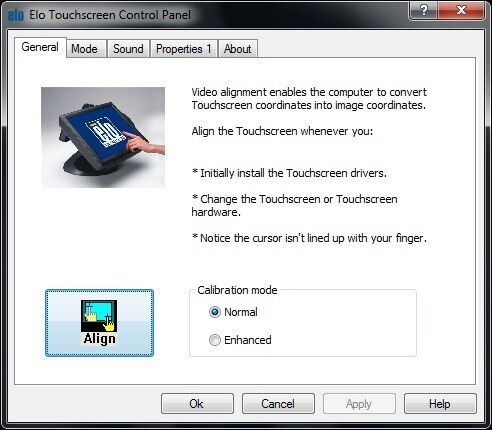
Using Built-in Calibration Tools
Some devices have built-in calibration tools. Find these tools in the settings menu under “Display” or “Touch.” Follow the instructions to tap specific points on the screen. This process helps the device map touch input correctly.
Using built-in tools is safe and easy. It does not require extra apps or downloads. Perfect for quick fixes and basic calibration needs.
Accessing Developer Options
Developer options offer advanced calibration settings. To enable them, tap your device’s build number multiple times in “About phone.” After activation, find “Pointer location” or “Show taps” options.
These features help visualize touch input. They assist in detecting calibration problems. Use them to monitor screen response and adjust settings accordingly.
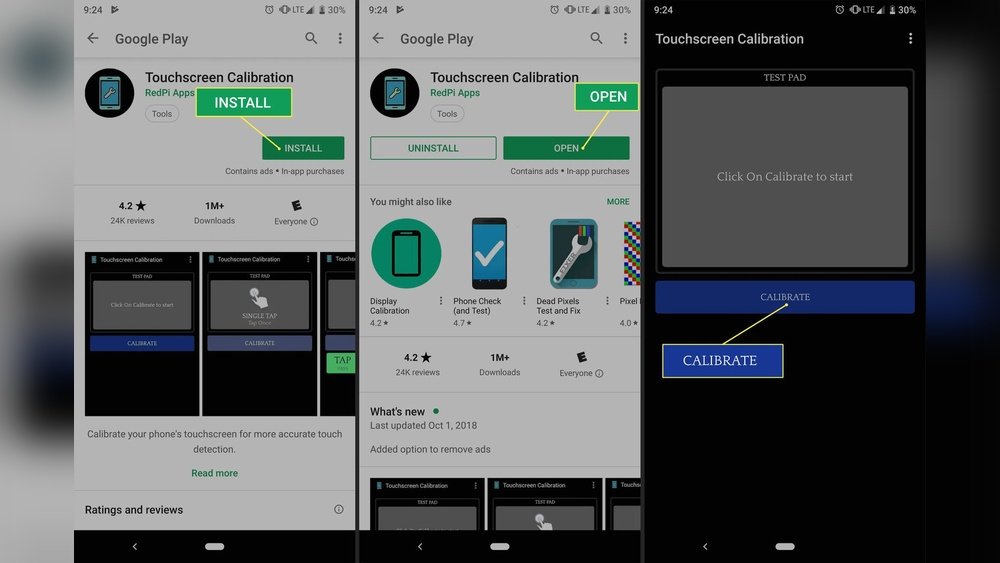
Third-party Calibration Apps
Third-party apps provide detailed calibration tools. Search app stores for touchscreen calibration apps. Read reviews and choose apps with high ratings and simple interfaces.
These apps guide you through touch tests and adjustments. They can fix complex touchscreen problems. Always download apps from trusted sources to avoid security risks.
Automatic Calibration Options
Automatic calibration options help fix touchscreen problems without much effort. These options use built-in tools to adjust your screen’s sensitivity and accuracy. Most modern devices include these features to keep your touchscreen working well.
System-level Adjustments
Many devices have system settings to improve touchscreen response. These settings adjust touch sensitivity and accuracy automatically. You can find these options in the device’s settings menu. They help fix minor calibration problems quickly.
Software Updates
Manufacturers often release updates to improve touchscreen performance. Installing the latest software can fix bugs and calibration errors. Check your device for updates regularly. Updated software keeps your touchscreen working smoothly.
Factory Reset
A factory reset restores your device to original settings. It can fix serious calibration issues caused by software errors. Before resetting, back up important data. Factory reset is a last step if other options fail.
Tips For Maintaining Touchscreen Accuracy
Maintaining touchscreen accuracy is key for smooth device use. Small habits can keep your screen responsive and precise. Follow these simple tips to help your touchscreen work well for longer.
Regular Screen Cleaning
Dirt and oils block touch sensitivity. Clean your screen often using a soft cloth. Avoid harsh chemicals that may damage the screen. Use a little water or a screen-safe cleaner instead. Clean screens respond better to your touch.
Avoiding Extreme Temperatures
Touchscreens do not work well in very hot or cold places. Heat can warp the screen, cold can slow response. Keep your device in normal room temperature. Avoid leaving it in cars or direct sunlight. This protects the screen’s accuracy and lifespan.
Using Screen Protectors Wisely
Screen protectors guard against scratches but choose the right type. Thin, high-quality protectors maintain touch sensitivity. Thick or cheap ones can cause lag or mis-taps. Replace worn protectors to keep your screen feeling natural.
When To Seek Professional Help
Touchscreen calibration issues can sometimes be fixed by simple steps. Yet, some problems need expert help. Knowing when to seek professional help can save time and avoid damage.
Persistent Calibration Errors
When your touchscreen keeps showing wrong responses, the problem may be deeper. Recalibrating many times without success signals a technical fault. Professionals have tools to diagnose and fix these issues correctly.
Physical Damage
Cracks, scratches, or water damage affect touchscreen performance. Such damage can cause calibration to fail repeatedly. Experts can repair or replace damaged parts to restore proper function.
Warranty And Repair Services
Check if your device is still under warranty. Authorized repair centers offer reliable service and genuine parts. Using these services ensures your device stays protected and works well again.
Frequently Asked Questions
How Do I Recalibrate My Touchscreen?
To recalibrate your touchscreen, access the device settings. Look for the calibration option under display or touch settings. Follow on-screen instructions to touch specific points. This realigns the screen’s touch sensitivity and accuracy for better performance.
Why Is My Touchscreen Not Responding Accurately?
Touchscreen issues may result from dirt, screen protectors, or software glitches. Clean the screen gently and remove any covers. Restart the device or update the software. If problems persist, recalibrate or consult technical support.
Can Touchscreen Calibration Improve Device Performance?
Yes, calibration enhances touch accuracy and responsiveness. It reduces input errors and improves overall user experience. Regular calibration is recommended, especially after software updates or when touch response degrades.
How Often Should I Calibrate My Touchscreen?
Calibrate your touchscreen whenever you notice inaccurate touch response. Routine calibration every few months helps maintain optimal performance. Frequent calibration is unnecessary unless device behavior changes or issues arise.
Conclusion
Fixing touchscreen calibration can improve your device’s accuracy. Follow simple steps carefully for best results. Regular calibration keeps touch response smooth and reliable. Avoid frustration with unresponsive or misaligned screens. Small efforts make your device easier to use. Stay patient and check settings often.
A well-calibrated touchscreen enhances daily tasks and fun. Try these tips anytime your screen feels off. Keep your device working well without extra help. Simple fixes can save time and money.