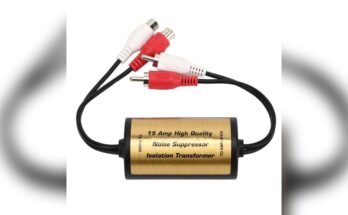
Do you feel like your car stereo bass is missing that deep, powerful punch? Maybe your favorite songs sound flat or lack the energy you want when driving.
If you’ve been craving richer, fuller bass without spending a fortune on new gear, you’re in the right place. This guide will show you simple, effective ways to boost your car stereo bass so every beat hits just right. Keep reading, and get ready to transform your driving experience with sound that moves you.
Choosing The Right Subwoofer
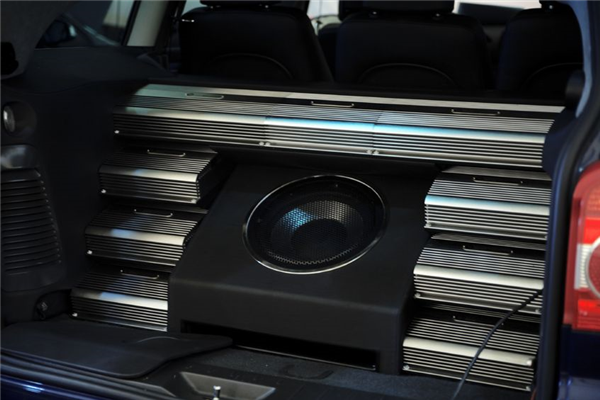
Choosing the right subwoofer is key to improving your car stereo bass. The subwoofer produces deep, low sounds that regular speakers cannot handle. Picking the correct one makes your music sound richer and more powerful. This section helps you find the best subwoofer for your car and music taste.
Types Of Subwoofers
There are mainly two types of subwoofers: sealed and ported. Sealed subwoofers give tight and accurate bass. They work well for most music styles. Ported subwoofers have a vent or port. They produce louder bass with more boom. Choose sealed for clarity and ported for louder bass.
Matching Subwoofer Size To Car
The size of the subwoofer affects sound quality. Smaller cars suit 8 to 10-inch subwoofers. They fit well and do not overpower the space. Larger cars can handle 12 to 15-inch subwoofers. Bigger subs create deeper bass but need more space. Match the size to your car for best sound.
Power Handling And Sensitivity
Power handling shows how much power a subwoofer can take. It is important to match this with your amplifier’s output. Sensitivity measures how loud the subwoofer plays with less power. Higher sensitivity means louder sound at lower power. Check both to avoid damage and get strong bass.
Optimizing Amplifier Settings
Optimizing amplifier settings is key to better bass in your car stereo. The amplifier controls power to your speakers, so correct settings improve sound quality. Small changes make a big difference in bass performance. Focus on gain, crossover, and bass boost to get deep, clear bass without distortion.
Setting Gain Properly
Gain controls the input signal strength to your amplifier. Set gain too high, and the sound distorts. Set it too low, and the bass is weak. Start with the gain low. Slowly increase it until the sound is loud but clean. Use a test tone or music with steady bass for best results. Proper gain means powerful bass without noise.
Adjusting Crossover Frequencies
The crossover decides which frequencies go to your subwoofer. Set it too high, and midrange sounds muddy the bass. Set it too low, and the bass loses punch. Aim for a crossover between 80 and 120 Hz for most setups. Adjust it by ear to find the best bass clarity. Proper crossover ensures the subwoofer plays only deep bass sounds.
Using Bass Boost Features
Many amplifiers have a bass boost switch or knob. This feature raises bass frequencies for more impact. Use bass boost carefully. Too much boost causes distortion and speaker damage. Start with a small boost. Increase it slightly until the bass feels full and strong. Bass boost adds extra power without losing sound quality.
Upgrading Speaker Components
Upgrading speaker components can greatly improve your car stereo bass. Stock speakers often lack power and clarity. Swapping them out gives you deeper bass and cleaner sound. Simple changes make your music sound much better. Here are some key ways to upgrade your speakers for stronger bass.
Replacing Factory Speakers
Factory speakers usually have weak bass response. They are made to save cost, not to boost sound quality. Replacing them with aftermarket speakers improves bass output immediately. Look for speakers designed to handle low frequencies well. Larger speakers or those with stronger cones deliver richer bass. Installation is straightforward, and results are noticeable fast.
Adding Component Speakers
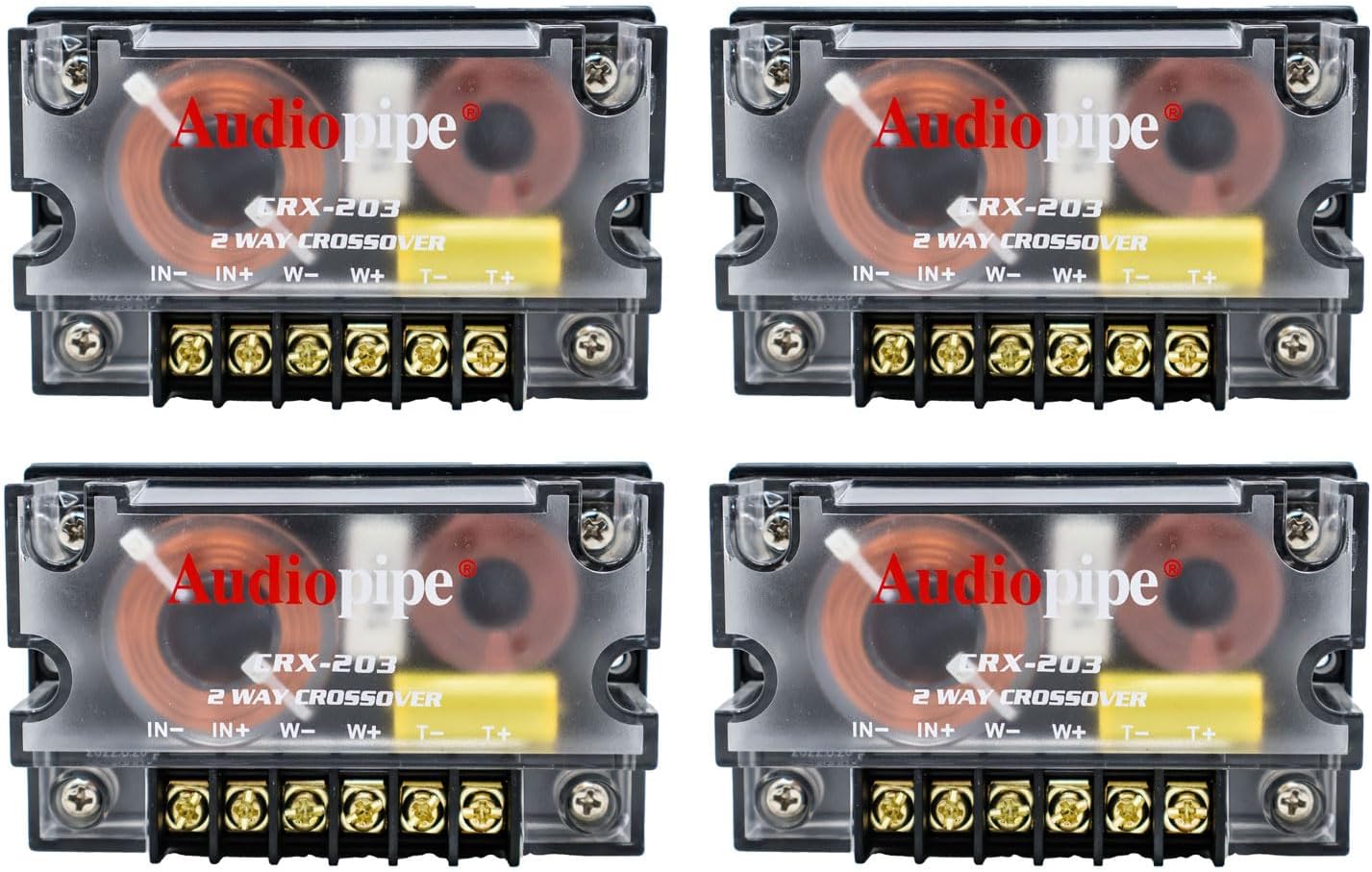
Component speakers separate the woofer and tweeter. This separation allows each part to focus on specific sounds. Woofers handle bass, while tweeters manage highs. This setup produces clearer, deeper bass tones. Component speakers often come with crossovers to send the right signals to each driver. They provide balanced sound and improve overall music quality.
Using Quality Speaker Wire
Speaker wire quality affects sound strength and clarity. Thin or cheap wires can reduce bass power. Using thicker, high-quality wire ensures better signal flow. Copper wires with good insulation resist interference. This means your bass stays strong and clear. Running fresh speaker wire during upgrades boosts your stereo’s performance significantly.
Improving Speaker Placement
Improving speaker placement is key to getting better bass from a car stereo. The position of your subwoofer and speakers can change how deep and clear the bass sounds. Small changes in placement can make a big difference in sound quality. Understanding how to place your speakers helps you enjoy music with richer bass and less distortion.
Ideal Subwoofer Positioning
Place the subwoofer where it can move air freely. The trunk is a common spot, but try moving it to different corners. Corners often boost bass by reflecting sound waves. Keep the subwoofer away from walls that block sound. Experiment with angles to find the best bass response. The right spot makes bass feel stronger and cleaner.
Sealing Speaker Enclosures
Use tight, sealed enclosures for your subwoofer. A sealed box stops air from escaping. This increases the pressure inside the enclosure. Higher pressure creates tighter, punchier bass sounds. Check all joints and edges for gaps. Use foam or silicone to seal any leaks. Well-sealed boxes improve bass quality and power.
Minimizing Sound Leakage
Sound leakage weakens bass impact. Check your car doors and panels for loose fittings. Use soundproofing materials to block gaps. Tighten screws and fastenings around speakers. Cover holes with foam or rubber gaskets. Reducing leaks keeps bass focused and loud. It also stops unwanted noise from interfering with music.
Tuning With Equalizers And Processors
Tuning your car stereo bass improves sound quality and listening pleasure. Equalizers and processors help shape the bass to fit your preference. These tools allow precise control over bass levels and the overall sound. Understanding how to use them makes a big difference in your audio experience.
Using Graphic Equalizers
Graphic equalizers adjust specific frequency bands in your sound. They usually have sliders for bass, midrange, and treble. Slide the bass controls up to boost low frequencies. Slide them down to reduce bass if it sounds too heavy. This tool helps create a clearer and more balanced sound.
Employing Digital Signal Processors
Digital signal processors (DSPs) offer advanced control over your car audio. They can fine-tune bass and other sounds with great accuracy. DSPs allow time alignment to sync speaker sounds perfectly. They reduce distortion and improve bass clarity. Using a DSP can make your bass deeper and cleaner.
Balancing Bass With Other Frequencies
Strong bass alone can overwhelm other sounds. Balance is key for a pleasant listening experience. Adjust bass to match midrange and treble levels. Avoid boosting bass too much, which can muddy vocals and instruments. Proper balance keeps all music elements clear and enjoyable.
Sound Deadening Techniques
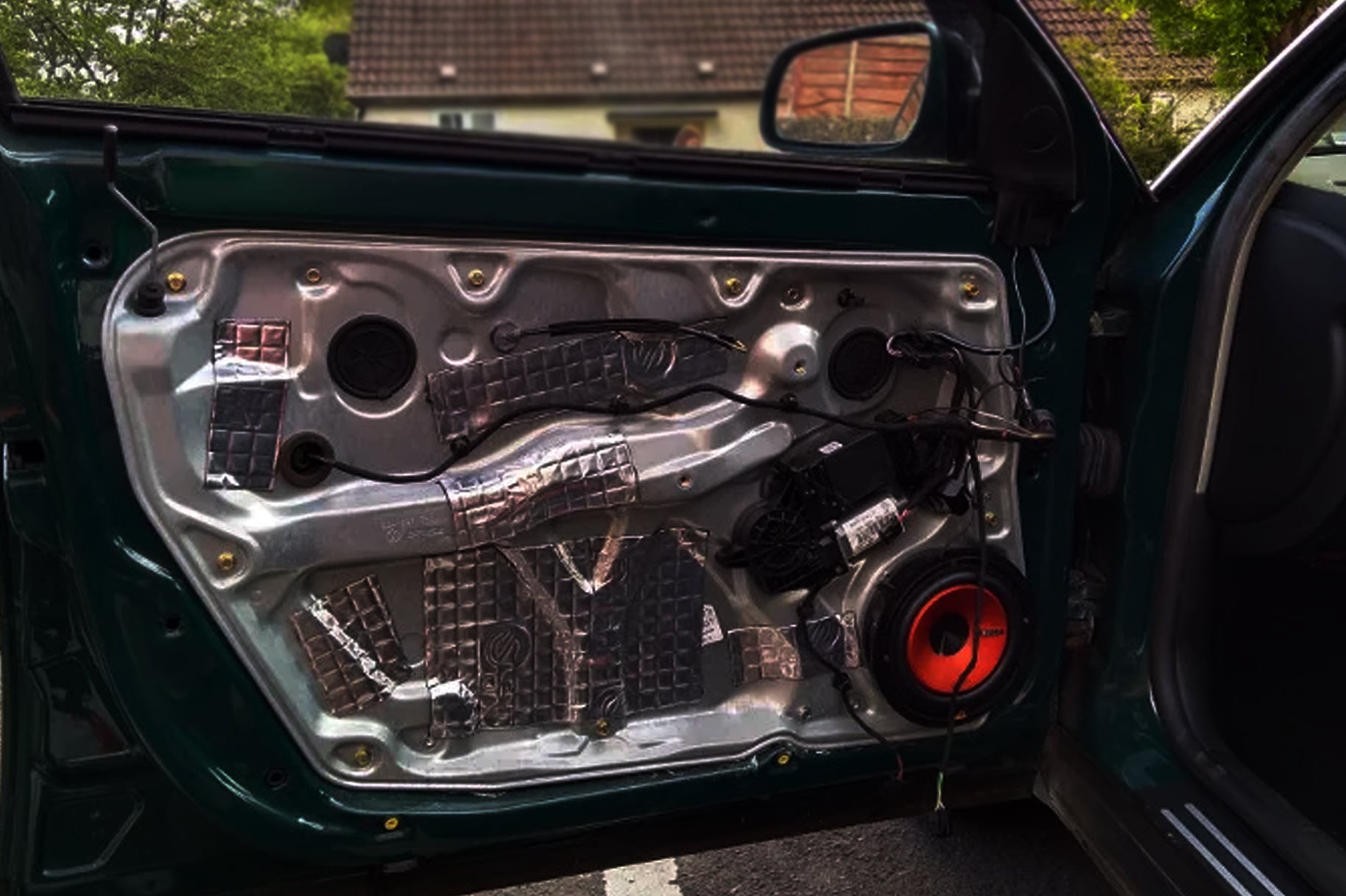
Sound deadening techniques improve bass quality by reducing unwanted noise. These methods help create a quieter space inside your car. This allows your subwoofer to perform better and deliver clearer, deeper bass tones. The result is a richer listening experience with less distortion.
Installing Sound Deadening Mats
Sound deadening mats are thin sheets made of dense material. Place them on car doors, floor, and trunk areas. They block vibrations and stop sound waves from escaping. This keeps bass notes tight and powerful. Installation is simple and can be done with basic tools.
Reducing Road Noise
Road noise affects how you hear bass. Use sound deadening on floor panels and wheel wells. This lowers outside noise from tires and engine. A quieter cabin means your bass sounds clearer and more natural. It also reduces listening fatigue on long drives.
Enhancing Bass Clarity
Sound deadening cuts down rattles and echoes inside the car. This improves bass clarity by removing unwanted sounds. It helps your subwoofer produce clean, punchy bass notes. Clear bass makes music more enjoyable and balanced. Your stereo system will sound closer to professional setups.
Maintaining Your Car Stereo System
Maintaining your car stereo system is key to keeping the bass strong and clear. A well-kept system sounds better and lasts longer. Regular care avoids many common sound problems. Simple steps can protect your equipment and improve sound quality.
Regular Equipment Checks
Check your speakers and wires often. Look for loose connections or damaged cables. Tighten any loose parts carefully. Broken wires can cause weak bass or no sound. Test the speakers to hear if they work well. Early fixes stop small issues from growing.
Cleaning And Protecting Components
Dust and dirt hurt your stereo parts. Clean the speakers and controls with a soft cloth. Avoid water or harsh chemicals on electronics. Keep your car interior dry to stop rust and damage. Use covers to protect the stereo from sun and dust. Clean parts work better and last longer.
Upgrading Firmware And Software
Modern stereos use software to run smoothly. Check for updates from the maker. Updating can fix bugs and improve sound settings. Follow the instructions to update safely. Updated software helps your system play music clearly and with strong bass.
Frequently Asked Questions
How Can I Boost Bass In My Car Stereo?
To boost bass, adjust your equalizer settings by increasing lower frequencies. Add a subwoofer for deeper bass. Ensure door panels are sealed to reduce sound loss.
What Is The Best Subwoofer Size For Bass?
A 10 to 12-inch subwoofer offers strong, balanced bass. Larger sizes produce deeper bass but need more space. Choose based on your car’s size and power capacity.
How Does Amplifier Affect Car Stereo Bass?
An amplifier provides more power to your speakers, enhancing bass clarity and volume. A quality amp reduces distortion and improves overall sound performance.
Can Soundproofing Improve Bass Quality?
Yes, soundproofing reduces road noise and vibrations. This helps bass sound cleaner and more powerful. Use materials like foam or mass-loaded vinyl in doors and panels.
Conclusion
Improving your car stereo bass takes some effort and the right steps. Start by checking your speaker placement and settings. Use a quality amplifier and good subwoofers for deeper sound. Adjust the equalizer to boost low frequencies carefully. Keep cables tight and free from damage.
Small changes make a big difference in sound quality. Enjoy richer, fuller bass on every drive. Your car stereo can sound better with simple fixes. Try these tips and feel the beat in your car.