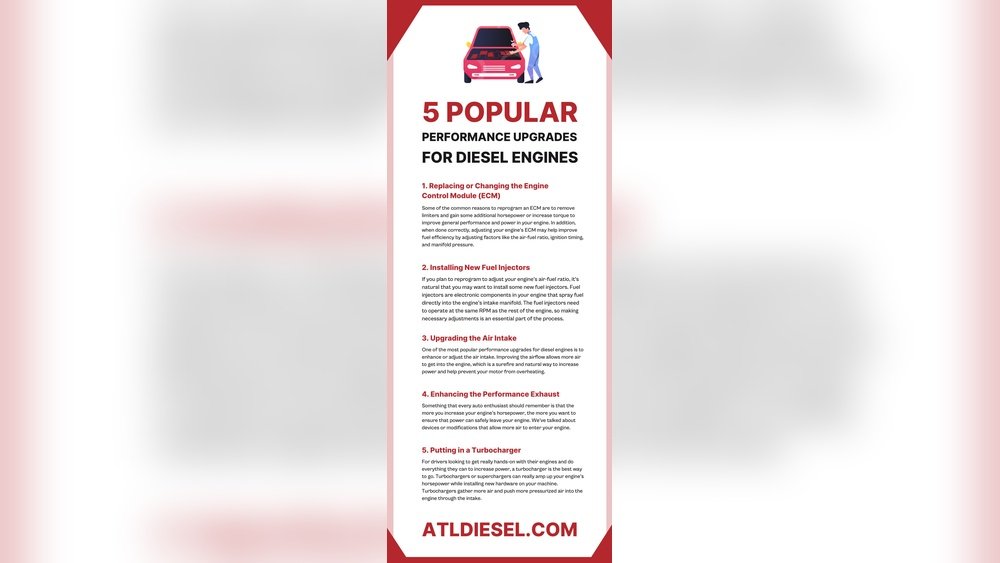
Are you looking to get more power and better fuel savings from your diesel engine? Improving diesel engine efficiency is not just about saving money—it’s about making your engine run smoother, last longer, and reduce harmful emissions.
Imagine cutting down your fuel costs while boosting performance without expensive upgrades. This guide will show you simple, practical steps you can take right now to get the most out of your diesel engine. Ready to transform your engine’s efficiency and take control of your fuel use?
Keep reading to discover how.
Optimize Fuel Quality
Optimizing fuel quality plays a vital role in improving diesel engine efficiency. Good fuel reduces engine wear and supports better combustion. It also helps lower emissions and saves money on repairs. Choosing the right fuel and additives can make a big difference in engine performance.
Choose High-grade Diesel
High-grade diesel contains fewer impurities and burns cleaner. This leads to smoother engine operation and less carbon buildup. Using quality diesel also reduces the chance of clogged fuel filters. It helps maintain consistent power output and improves fuel economy. Always pick diesel that meets industry standards for your engine type.
Use Fuel Additives
Fuel additives improve diesel’s properties and protect engine parts. They clean injectors and prevent fuel gelling in cold weather. Some additives boost cetane number, which enhances combustion speed. Using the right additives keeps the fuel system clean and efficient. This results in better engine response and longer engine life.
Regular Engine Maintenance
Regular engine maintenance plays a key role in improving diesel engine efficiency. It helps the engine run smoothly and reduces fuel consumption. Small tasks done regularly can prevent big problems later. This keeps the engine parts working well and lasting longer.
Change Oil And Filters
Changing the oil and filters is vital for diesel engine health. Clean oil lubricates engine parts and reduces friction. Old oil thickens and causes wear. Filters trap dirt and particles that can harm the engine. Replace oil and filters on time to keep the engine clean and efficient.
Inspect And Clean Injectors
Fuel injectors spray fuel into the engine. Dirty or clogged injectors reduce fuel flow and cause poor combustion. This lowers engine power and wastes fuel. Regularly inspecting and cleaning injectors ensures proper fuel delivery. Clean injectors help the engine burn fuel fully and run smoothly.
Enhance Air Intake
Improving air intake is a key step to boost diesel engine efficiency. Better air flow means the engine burns fuel cleaner and stronger. This helps the engine run smoother and saves fuel. Clean and strong air supply supports better combustion. Two main ways to enhance air intake are upgrading air filters and improving turbocharging.
Upgrade Air Filters
Air filters stop dirt and dust from entering the engine. A clean air filter improves air flow and protects engine parts. Old or clogged filters reduce air supply and lower engine power. Replace filters regularly with high-quality ones. Some filters allow more air without losing protection. This helps the engine breathe better and work well.
Improve Turbocharging
Turbochargers push more air into the engine. This increases power and fuel efficiency. Upgrading to a better turbocharger can improve air pressure and flow. Proper turbo maintenance keeps it working at its best. Check and clean the turbo regularly. A well-tuned turbocharger helps the engine run with more power and less fuel.
Control Combustion Process
Controlling the combustion process is key to improving diesel engine efficiency. Proper combustion means better fuel use and less pollution. Small changes in how fuel burns can lead to big gains in power and economy.
Engine performance depends heavily on how fuel and air mix and ignite inside the cylinder. Better control helps reduce fuel waste and lowers harmful emissions. Focus on two main areas: injection timing and fuel injection pressure.
Adjust Injection Timing
Injection timing controls when fuel enters the combustion chamber. Early or late injection can waste fuel and lower power. Set the timing to match the engine speed and load for smooth burning. Proper timing improves fuel use and reduces smoke.
Modern engines use electronic controls to adjust timing automatically. This helps the engine run cleaner and more efficiently at all speeds.
Manage Fuel Injection Pressure
Fuel injection pressure affects how fuel sprays inside the cylinder. Higher pressure creates finer fuel droplets, which burn faster and cleaner. This improves combustion and engine efficiency.
Too low pressure causes poor fuel atomization and incomplete burning. Too high pressure may increase wear on engine parts. Find the right pressure level for your engine to balance power and durability.
Reduce Engine Friction
Reducing engine friction is key to improving diesel engine efficiency. Friction causes energy loss and wears out engine parts. Lower friction means smoother engine operation and better fuel use.
Simple steps can cut friction inside the engine. This saves fuel and extends engine life. Focus on good lubricants and keeping parts in top shape.
Use Synthetic Lubricants
Synthetic lubricants reduce friction better than regular oils. They flow smoothly and keep engine parts well coated. These lubricants stay stable at high temperatures. This protects the engine during heavy use. Using synthetic oils lowers wear and helps the engine run cooler.
Check And Replace Worn Parts
Worn parts increase friction inside the engine. Regular checks find worn bearings, pistons, and seals. Replacing these parts stops extra rubbing and heat build-up. Clean and smooth engine parts reduce energy loss. Timely part replacement keeps the engine efficient and reliable.
Implement Exhaust Gas Recirculation
Exhaust Gas Recirculation (EGR) is a key method to improve diesel engine efficiency. It works by redirecting a portion of the exhaust gases back into the engine’s intake. This process lowers combustion temperatures and reduces harmful emissions. EGR also helps the engine run cleaner and more efficiently.
Lower Emissions
EGR reduces nitrogen oxide (NOx) emissions. These gases form at high combustion temperatures. By recirculating exhaust gases, the temperature inside the engine drops. This change cuts down on NOx production. Lower emissions mean the engine meets environmental rules. It also helps keep the air cleaner.
Boost Fuel Efficiency
EGR improves fuel use by making the combustion process smoother. With lower temperatures, the engine avoids knocking and incomplete burning. This means the fuel burns more fully. Better fuel burning leads to less waste and more power. The engine uses less fuel to produce the same work. This saves money and reduces fuel consumption over time.
Optimize Driving Habits
Optimizing driving habits plays a big role in improving diesel engine efficiency. Small changes in how you drive can save fuel and reduce engine wear. It also helps the engine run cleaner and last longer. Focus on smooth, steady driving to get the best results.
Maintain Steady Speed
Keeping a steady speed uses less fuel than frequent speeding up and slowing down. Avoid sudden acceleration or harsh braking. Use cruise control on highways to maintain a constant pace. This reduces fuel consumption and lowers engine stress. Smooth driving keeps the engine running efficiently and saves money.
Avoid Excessive Idling
Idling wastes fuel and causes engine wear. Turn off the engine if you stop for more than a minute. Excessive idling leads to incomplete fuel combustion. This reduces engine efficiency and increases pollution. Save fuel by switching off the engine during long stops or traffic jams.

Upgrade Engine Components
Upgrading engine components is a key step to boost diesel engine efficiency. Better parts improve performance and save fuel. Small changes in engine parts can lead to big results. Focus on parts that control combustion and reduce energy loss. This helps the engine run smoother and use less fuel.
Install High-efficiency Pistons
High-efficiency pistons reduce friction and heat loss. They have better shapes that improve air and fuel mixing. This leads to more complete combustion. Stronger materials help pistons last longer under pressure. These pistons also cut down on oil consumption. The result is better power and less fuel waste.
Use Advanced Sensors And Controls
Advanced sensors monitor engine conditions in real-time. They check temperature, pressure, and fuel flow constantly. Controls adjust fuel injection and air intake instantly. This keeps the engine running at optimal settings. Sensors help avoid wasted fuel and reduce emissions. Smart controls also improve engine response and reliability.
Frequently Asked Questions
How Can Regular Maintenance Improve Diesel Engine Efficiency?
Regular maintenance keeps the engine parts clean and functional. It prevents wear and tear, improving fuel combustion and power output. Timely oil changes and filter replacements reduce friction and engine strain, enhancing overall efficiency and longevity.
What Role Does Fuel Quality Play In Diesel Efficiency?
High-quality fuel ensures better combustion and reduces engine deposits. It leads to smoother engine performance and lower emissions. Using clean, certified diesel fuel optimizes power output and improves fuel economy effectively.
How Does Turbocharging Boost Diesel Engine Efficiency?
Turbocharging increases air intake, improving combustion efficiency. It allows more fuel to burn completely, generating more power. This process enhances fuel economy and reduces exhaust emissions, making the engine more efficient.
Can Engine Tuning Affect Diesel Engine Performance?
Yes, engine tuning optimizes fuel injection timing and air-fuel mixture. Proper tuning improves combustion efficiency and power delivery. It reduces fuel consumption and emissions, enhancing overall engine efficiency.
Conclusion
Improving diesel engine efficiency saves fuel and reduces pollution. Regular maintenance keeps the engine running smoothly. Using quality fuel and oil helps the engine perform better. Proper driving habits also play a big role in efficiency. Small changes add up to big savings over time.
Keep these tips in mind for a stronger engine. A better engine means lower costs and less harm to the environment. Start applying these ideas today for a cleaner, more efficient diesel engine.


