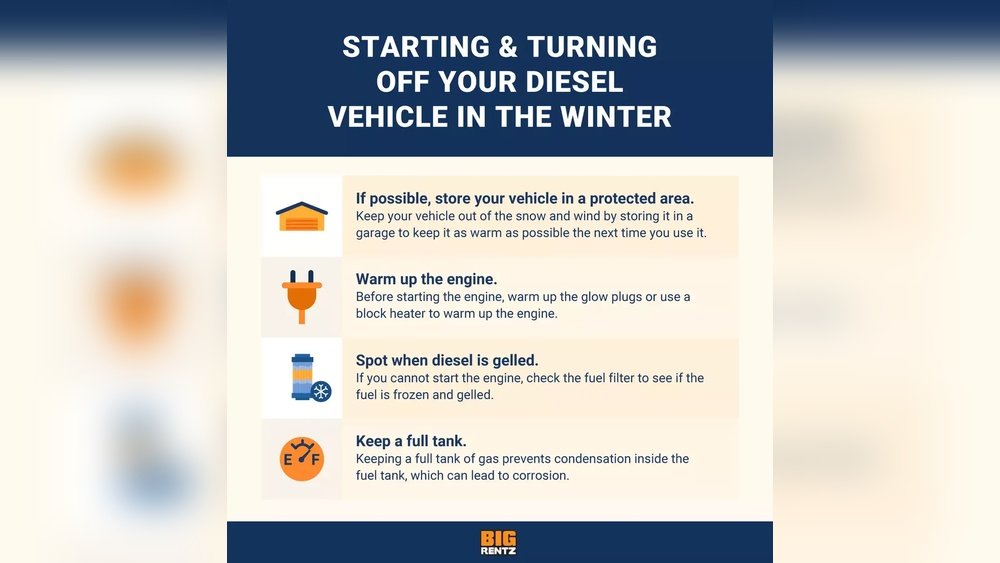
When winter hits, keeping your diesel engine warm isn’t just a good idea—it’s essential. Cold temperatures can make starting your engine a real struggle and even cause damage over time.
But don’t worry, you don’t have to face those freezing mornings with frustration. You’ll discover simple and effective ways to protect your diesel engine from the cold. By following these tips, you’ll save time, avoid costly repairs, and keep your engine running smoothly all winter long.
Ready to make sure your diesel engine stays warm and reliable? Let’s dive in.
Challenges Of Cold Weather For Diesel Engines
Cold weather creates serious problems for diesel engines. Diesel engines work by igniting fuel through compression. Low temperatures make this process harder. This can lead to engine trouble and delays.
Understanding these challenges helps keep your diesel engine running. Knowing what happens in cold helps you prepare and protect your engine.
Effects Of Cold On Diesel Fuel
Diesel fuel thickens as temperature drops. It can form wax crystals that block fuel lines and filters. This slows fuel flow and starves the engine. The engine may stop or fail to start. Special winter diesel fuel or additives can reduce this risk.
Impact On Engine Starting
Cold makes the engine harder to start. The fuel does not ignite easily at low temperatures. The engine oil also thickens, increasing resistance. This puts extra strain on the starter motor. Repeated attempts can drain the battery quickly.
Battery Performance In Winter
Battery power drops in cold weather. Chemical reactions inside the battery slow down. The battery provides less current to the starter motor. Weak batteries may fail to turn the engine over. Keeping the battery warm improves its performance.

Pre-winter Preparation
Preparing a diesel engine before winter is very important. Cold weather can make diesel engines hard to start. Proper pre-winter care helps avoid engine problems and saves time. Simple checks and changes keep your engine warm and ready.
Checking And Replacing Fuel Filters
Fuel filters stop dirt from entering the engine. Dirty filters block fuel flow and cause engine trouble. Check filters for dirt or damage before winter. Replace old or clogged filters with new ones. Clean filters help fuel flow smoothly in cold weather.
Using Winter-grade Diesel Fuel
Regular diesel thickens and gels in cold temperatures. Winter-grade diesel has additives to prevent gelling. Use winter diesel to keep fuel liquid and flowing. This fuel protects the engine from freezing and damage. Fill up with winter diesel before the cold sets in.
Inspecting Glow Plugs And Heaters
Glow plugs warm the engine for easy starting. Faulty plugs make starting hard in winter. Test glow plugs for proper function before cold days arrive. Check engine heaters and replace broken parts. Working plugs and heaters keep the engine warm and start-ready.
Effective Engine Heating Methods
Keeping a diesel engine warm in winter is vital for smooth starts. Cold weather thickens engine oil and fuel. This makes starting hard and puts stress on the engine. Effective heating methods prevent these issues. They keep the engine ready to run even in low temperatures.
Here are some common and effective ways to heat a diesel engine during winter.
Engine Block Heaters
Engine block heaters warm the engine coolant. They plug into a power source and heat the engine block. This helps oil flow easily when starting the engine. Block heaters reduce engine wear and lower emissions. They are simple to use and save fuel.
Oil Pan Heaters
Oil pan heaters keep the engine oil warm. They attach to the oil pan and use electricity to heat it. Warm oil moves smoothly, reducing engine wear. This heater also helps the engine reach working temperature faster. It is a good choice for very cold climates.
Fuel Line Heaters
Fuel line heaters stop diesel fuel from gelling in cold weather. They heat the fuel lines to keep the fuel flowing. This prevents clogs that can stop the engine from running. Fuel line heaters improve engine reliability in freezing conditions. They are essential for very low temperatures.
Proper Use Of Engine Warmers
Proper use of engine warmers helps keep diesel engines ready in cold weather. Engine warmers prevent thickening of oil and fuel. They reduce engine wear and improve starting time. Using warmers correctly ensures your diesel engine runs smoothly all winter.
Installation Tips
Place the engine warmer close to the engine block. Use brackets or straps to secure it firmly. Avoid contact with moving parts or hot surfaces. Connect the warmer to a reliable power source. Check the cord for damage before use. Follow the manufacturer’s instructions carefully. Proper installation increases warmth and safety.
Safe Operating Practices
Always plug the warmer into a grounded outlet. Do not leave the warmer unattended for long periods. Avoid using extension cords unless rated for outdoor use. Turn off the warmer before starting the engine. Keep flammable materials away from the warmer. Inspect the warmer regularly for wear or damage. Safe use prevents accidents and equipment damage.
Recommended Warm-up Times
Start warming the engine at least two hours before use. Shorter times may not fully warm the engine. For very cold days, warm for four hours or more. Avoid overusing the warmer to save energy. Follow the engine manufacturer’s guidelines for best results. Proper warm-up helps engines start easily and last longer.
Fuel Additives And Treatments
Fuel additives and treatments help diesel engines run smoothly in cold weather. They protect fuel from freezing and thickening. These products improve engine start-up and performance during winter. Using the right additives can reduce fuel problems caused by cold temperatures.
Anti-gel Additives
Anti-gel additives stop diesel fuel from gelling in cold weather. They lower the fuel’s freezing point. This prevents wax crystals from forming and clogging filters. Adding anti-gel keeps fuel flowing freely to the engine. Use these additives before temperatures drop below freezing.
Fuel Stabilizers
Fuel stabilizers keep diesel fresh during long storage periods. They prevent fuel breakdown and oxidation. Stabilizers reduce sludge and deposits inside the engine. Adding stabilizers before storing diesel helps maintain fuel quality. This makes cold starts easier after storage.
Benefits And Limitations
Additives improve diesel engine performance in winter. They reduce fuel gelling and engine wear. Proper use saves time and repair costs. But additives are not a total fix. Severe cold or poor fuel quality may still cause issues. Use additives as part of a full winter care plan.

Storage And Parking Strategies
Keeping a diesel engine warm in winter starts with smart storage and parking choices. These strategies help protect the engine from cold damage and improve starting performance. Proper care during storage reduces fuel thickening and battery strain. The right location and protection keep the engine ready for use, even on the coldest days.
Choosing A Shelter Or Garage
Park your diesel vehicle inside a garage or sheltered area. This shields the engine from wind, snow, and frost. A garage keeps temperatures higher than outside air. If a garage is not available, use a carport or other covered space. Avoid parking in open areas exposed to harsh weather. Shelter reduces cold exposure and helps maintain engine warmth.
Positioning The Vehicle
Park the vehicle facing east if possible. Morning sun helps warm the engine and cab faster. Avoid parking near tall buildings or trees that block sunlight. Place the vehicle away from strong winds or drafts. Positioning can impact how cold the engine gets overnight. A well-chosen spot can make starting easier in the morning.
Using Insulation Blankets
Use engine insulation blankets designed for diesel engines. These blankets trap heat and protect the engine block from freezing. Wrap the engine block tightly but avoid covering exhaust parts. Insulation keeps oil and fuel warmer, improving flow and ignition. Blankets are affordable and easy to install. They provide extra protection in extremely cold climates.
Maintaining Battery Health
Maintaining battery health is crucial for keeping a diesel engine warm in winter. Cold weather makes batteries work harder. It lowers their power and lifespan. Good battery care ensures your engine starts easily on cold mornings.
Regular checks and simple steps help avoid battery failure. This section explains easy ways to keep your battery strong and reliable in winter.
Battery Testing And Replacement
Test your battery before winter begins. Use a battery tester or visit a mechanic. Check the voltage and overall condition. A weak battery may fail in cold weather.
Replace old batteries if they show signs of wear. Batteries older than three years often lose power. A fresh battery provides better cold-weather performance.
Using Battery Warmers
Battery warmers keep the battery temperature stable. They use gentle heat to prevent freezing. Warm batteries deliver power more easily.
Plug in the warmer overnight or before use. It helps maintain charge and extends battery life. This small device saves trouble on cold mornings.
Charging Tips For Cold Weather
Charge your battery fully before cold weather hits. Use a charger designed for winter conditions. Slow, steady charging works best.
Avoid short trips that do not recharge the battery fully. Cold drains battery power faster. Keep the battery charged to ensure a quick start.
Additional Winter Driving Tips
Keeping a diesel engine warm in winter involves more than just engine heaters. Following extra tips helps your engine start smoothly and run well. These tips protect your engine and improve safety on cold days.
Warm-up Procedures Before Driving
Start your engine and let it run for a few minutes. This warms up the oil and fuel. Avoid rushing to drive immediately. A warm engine reduces wear and tear. It also helps the heater work better inside your vehicle.
Monitoring Engine Performance
Keep an eye on your engine’s behavior during winter. Watch for strange noises or smoke. Check the dashboard for warning lights. Slow starts or rough idling can signal cold weather issues. Early detection prevents bigger problems later.
Regular Maintenance Checks
Inspect your diesel engine often in winter months. Change oil and filters as recommended. Check battery health and fluid levels regularly. Clean fuel injectors to avoid clogs. Proper maintenance keeps your engine reliable and warm.

Frequently Asked Questions
How Can I Keep My Diesel Engine Warm Overnight?
Use an engine block heater or a battery-powered heater. Park in a garage or cover the engine with an insulated blanket. This prevents cold starts and maintains engine temperature effectively during freezing nights.
What Are The Best Fuels For Winter Diesel Engines?
Use winter-grade diesel or diesel with anti-gel additives. These fuels have lower freezing points and prevent fuel gelling. Proper fuel choice ensures smooth engine operation in cold conditions.
Why Is Engine Block Heating Important In Winter?
Engine block heaters warm the engine coolant or oil, reducing engine wear. They ensure easier starts and lower emissions. This improves engine efficiency and reliability during cold weather.
How Does Using Synthetic Oil Help Diesel Engines In Winter?
Synthetic oils flow better at low temperatures than conventional oils. They reduce engine wear during cold starts and improve fuel efficiency. Using synthetic oil ensures smooth engine performance in winter.
Conclusion
Keeping your diesel engine warm in winter saves time and prevents damage. Use engine block heaters or fuel additives to help. Park your vehicle in a sheltered spot if possible. Regular maintenance also ensures smooth starts in cold weather. Small steps make a big difference in engine life.
Stay prepared, and your engine will run better all winter long.


