
Your engine oil works hard to keep your car running smoothly. But when it gets too hot, it can lose its power to protect your engine.
If you want to avoid costly repairs and keep your vehicle performing at its best, you need to know how to keep your engine oil cool. You’ll discover simple yet effective tips that anyone can use. By the time you finish reading, you’ll have the tools to protect your engine and save money.
Ready to learn how? Let’s dive in.
Importance Of Cool Engine Oil
Engine oil plays a vital role in keeping a car’s engine running smoothly. It lubricates the moving parts, reduces friction, and helps carry away heat. Keeping engine oil cool is crucial for these tasks to work well. Hot oil loses its ability to protect the engine.
Cool engine oil stays thick enough to coat parts and prevent wear. Overheated oil breaks down faster. This can cause engine damage and reduce its life. The right oil temperature helps maintain engine performance and saves money on repairs.
Prevents Oil Breakdown
Engine oil breaks down when it gets too hot. This leads to sludge and deposits. Sludge clogs engine parts and blocks oil flow. Cooler oil lasts longer and keeps the engine cleaner.
Maintains Proper Lubrication
Cool oil stays thick and slippery. This stops metal parts from rubbing together. Hot oil becomes thin and less effective. Proper lubrication reduces wear and tear on the engine.
Improves Engine Efficiency
Oil that is too hot cannot cool the engine well. Cool oil helps remove heat from engine parts. This keeps the engine running at the right temperature. A cooler engine uses fuel better and runs smoother.
Extends Engine Life
Consistently cool oil protects engine parts from damage. It lowers the risk of overheating and breakdowns. A well-maintained engine lasts longer and performs better over time.
Signs Of Overheated Engine Oil
Engine oil plays a vital role in keeping your engine running smoothly. Overheated engine oil loses its ability to protect the engine. It can cause damage and reduce performance. Knowing the signs of overheated engine oil helps catch problems early. This prevents costly repairs and keeps your vehicle safe.
Dark And Thick Oil
Healthy engine oil is usually amber and clear. Overheated oil turns dark and thick. It may look dirty or sludgy. This means the oil has broken down and lost its lubricating power.
Strong Burning Smell
A strong burning smell near the engine can signal overheated oil. This happens when oil gets too hot and starts to burn. The smell may be sharp and unpleasant.
Engine Warning Light
The engine warning light may turn on if oil overheats. This alerts you to a problem with engine temperature or oil pressure. Ignoring this light can lead to serious engine damage.
Reduced Engine Performance
Overheated oil fails to lubricate properly. The engine may run rough or lose power. You might notice a drop in fuel efficiency as well.
Increased Engine Noise
Proper oil keeps engine parts quiet. Overheated oil loses this ability. You might hear knocking, ticking, or other unusual noises from the engine.
Oil Level Drops Quickly
Hot oil can evaporate or leak faster. Check the oil level often. A sudden drop can indicate overheating or leaks.
Choosing The Right Oil Type
Choosing the right engine oil helps keep your engine cool and running well. The right oil reduces friction and heat inside the engine. It also protects engine parts from wear and tear. Not all oils work the same under heat. Picking the correct type helps control engine temperature and improves performance.
Synthetic Vs Conventional Oils
Synthetic oil is made from chemical compounds. It offers better heat resistance than conventional oil. Synthetic oil flows smoothly even in high temperatures. This helps keep the engine cooler during hard use. Conventional oil is made from crude oil. It may break down faster when hot. Synthetic oil lasts longer and protects better against heat damage.
Viscosity And Temperature Ratings
Viscosity means how thick or thin the oil is. Thinner oil flows easier, helping cool engine parts quickly. Thicker oil protects better at high temperatures. Use oil with viscosity that fits your engine’s needs. Temperature ratings on oil labels show how well oil handles heat. Choose oil with higher temperature ratings for hot climates or heavy driving. This keeps the oil stable and the engine cool.
Regular Oil Change Schedule
Keeping engine oil cool helps the engine run smoothly. A regular oil change schedule is key to this. Fresh oil reduces friction and carries heat away better. Old oil thickens and loses its cooling power.
Changing oil on time protects engine parts. It stops overheating and extends engine life. Follow the car maker’s oil change guide. This keeps oil clean and cool inside the engine.
Check Your Car’s Manual For Oil Change Intervals
The car manual shows when to change oil. It lists miles or months between changes. Stick to this schedule for best results. This keeps oil fresh and engine cool.
Use The Right Type Of Oil
Choose oil that suits your car model. Different engines need different oil types. Using the right oil keeps temperature low. It improves engine protection and performance.
Track Oil Changes And Mileage
Keep a record of oil changes and miles. This helps remember when the next change is due. Timely oil changes prevent oil from breaking down. It keeps engine oil cool and clean.
Upgrading Oil Coolers
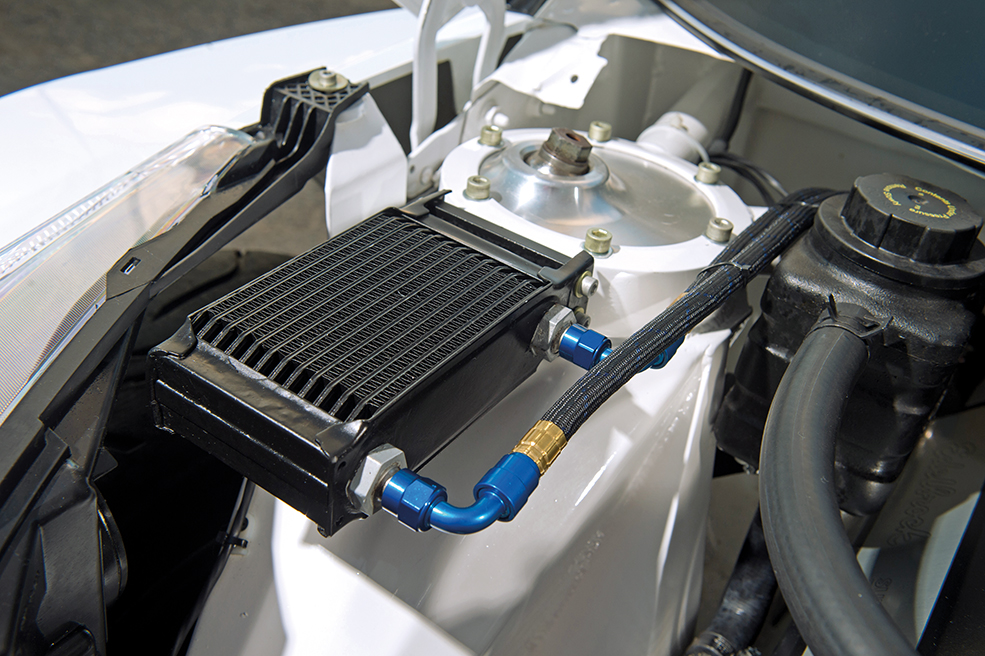
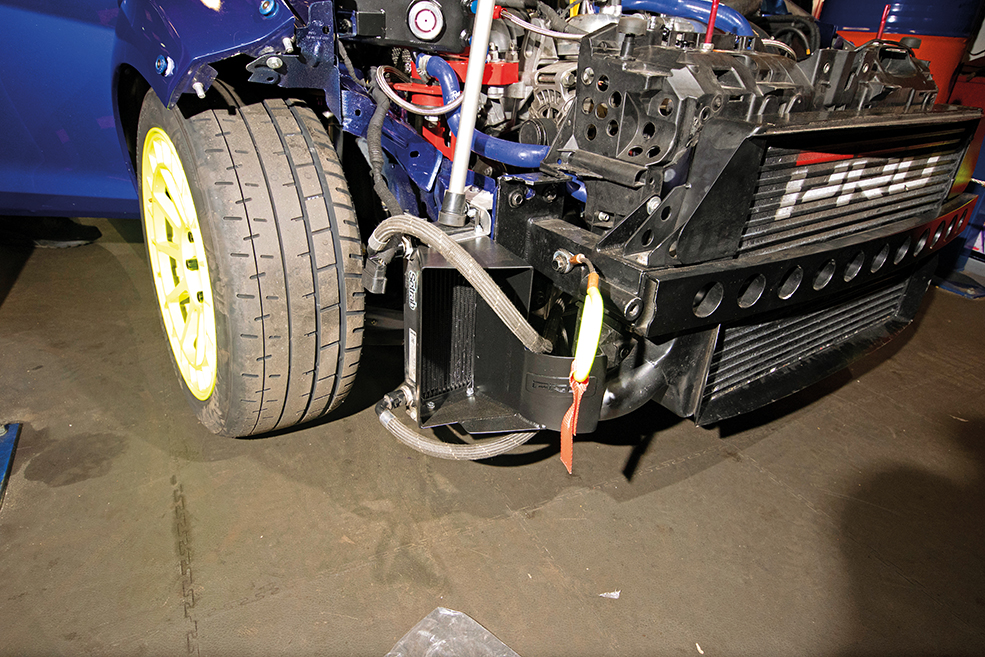
Upgrading oil coolers helps keep engine oil at a safe temperature. Cooler oil means better engine performance and longer engine life. This upgrade is useful for vehicles that carry heavy loads or drive in hot climates. Choosing the right oil cooler and installing it correctly ensures your engine stays protected.
Types Of Oil Coolers
There are several types of oil coolers. Air-to-oil coolers use air flow to cool the oil. They are simple and easy to install. Plate-type coolers use thin metal plates to transfer heat. These are compact and efficient. Another type is the tube-and-fin cooler. It has tubes with fins to increase surface area for cooling. Choose a cooler based on your vehicle and usage.
Installation Tips
Place the oil cooler where it gets maximum airflow. Common spots are in front of the radiator or near the grille. Use proper mounting brackets to secure the cooler firmly. Avoid areas with high heat from the engine or exhaust. Use the right hoses and fittings to prevent leaks. Check connections regularly to keep the system safe. Follow the manufacturer’s instructions carefully during installation.
Improving Engine Cooling System
Keeping engine oil cool helps your engine run smoothly and last longer. One key way is to improve the engine cooling system. This system moves heat away from the engine and oil. Proper care of cooling parts keeps the oil temperature low. Simple steps can make a big difference.
Radiator Maintenance
The radiator cools the engine by sending hot coolant through thin tubes. Dirt and debris can block these tubes. This stops the radiator from working well. Clean the radiator regularly to remove dirt and bugs. Check for leaks and fix them quickly. A clean, leak-free radiator cools the engine better. This keeps the oil from getting too hot.
Coolant Selection
Coolant carries heat away from the engine and radiator. Using the right type is important. Choose coolant that matches your vehicle’s needs. Some coolants work better in hot weather. Others protect against freezing in cold weather. Check the owner’s manual for the best coolant type. Change the coolant as recommended. Fresh coolant keeps the engine temperature stable. This helps keep engine oil cool and effective.
Driving Habits To Reduce Oil Heat
Keeping engine oil cool is important for a healthy engine. Driving habits play a big role in controlling oil temperature. Simple changes in how you drive can lower oil heat. This helps your engine last longer and run better.
Avoiding Prolonged Idling
Idling for a long time makes engine oil hotter. The engine works but the car does not move. This causes heat to build up in the oil. Turn off the engine if you stop for more than a minute. This keeps oil temperature lower and saves fuel.
Moderating Engine Load
Heavy loads make the engine work harder and heat the oil. Drive gently and avoid sudden acceleration. Gradual speed changes reduce stress on the engine. Use lower gears on hills to keep the engine steady. This helps keep oil cool and prevents damage.

Regular Engine Maintenance
Regular engine maintenance plays a key role in keeping engine oil cool. Cool oil helps the engine run smoothly and lasts longer. It also prevents damage caused by overheating. Simple checks and timely actions keep the engine oil in good condition.
Checking Oil Levels
Check engine oil levels often. Low oil levels cause the engine to heat up faster. Use the dipstick to measure oil levels. Pull it out, wipe clean, reinsert, and pull out again. Read the level on the stick. Add oil if it is below the recommended mark. Proper oil levels help absorb and reduce heat.
Inspecting For Leaks
Look under the car for oil spots or wet areas. Leaks lower oil levels and reduce cooling ability. Check around the engine and oil filter for drips. Fix leaks immediately to avoid engine damage. Clean and dry the engine area to spot new leaks quickly. Maintaining a leak-free engine keeps oil cool and effective.
Frequently Asked Questions
How Can I Prevent Engine Oil From Overheating?
To prevent overheating, use the right oil grade, change oil regularly, and avoid heavy loads. Ensure proper engine cooling and maintain radiator health.
What Role Does Engine Oil Cooler Play?
An engine oil cooler helps dissipate heat from the oil. It keeps the oil temperature stable, preventing engine damage and maintaining performance.
How Often Should I Change Engine Oil To Keep It Cool?
Change engine oil every 3,000 to 5,000 miles or as recommended by your manufacturer. Fresh oil ensures better heat absorption and lubrication.
Can Synthetic Oil Help Keep Engine Oil Temperature Low?
Yes, synthetic oil resists breakdown at high temperatures. It flows better, reduces friction, and helps maintain cooler engine oil under stress.
Conclusion
Keeping engine oil cool helps your engine run smoothly and last longer. Check oil levels often and change oil on time. Use quality oil designed for your engine type. Keep your radiator clean and make sure fans work well. Avoid heavy loads in hot weather to reduce engine heat.
Simple steps like these protect your engine and save money. Cool oil means better performance and fewer repairs. Stay aware of your engine’s needs and act quickly if it overheats. Taking care of oil temperature keeps your vehicle reliable every day.


