Have you ever struggled to see clearly while driving in the rain? Your wiper blades might be the reason.
Knowing when your wiper blades need replacing is key to staying safe on the road. But how can you tell if they’re worn out or just dirty? You’ll discover simple signs to watch for and easy steps to keep your windshield clear.
Keep reading—you’ll never have to guess when to change your wiper blades again.
Signs Of Worn Wiper Blades
Wiper blades wear out over time and affect your driving safety. Knowing the signs helps you replace them before visibility drops. Watch for these common indicators of worn wiper blades.
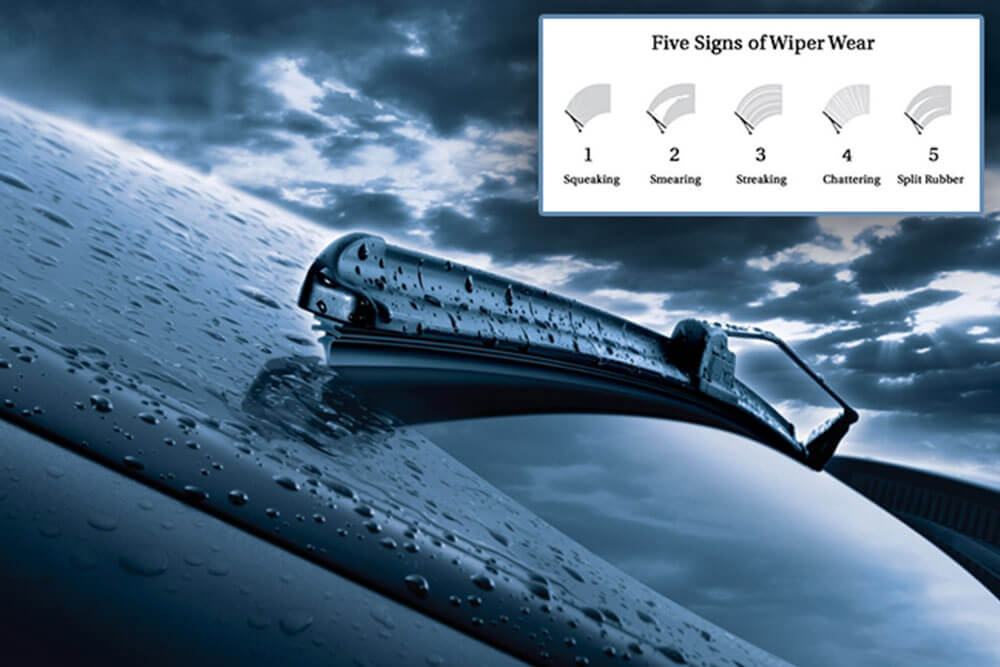
Streaking On The Windshield
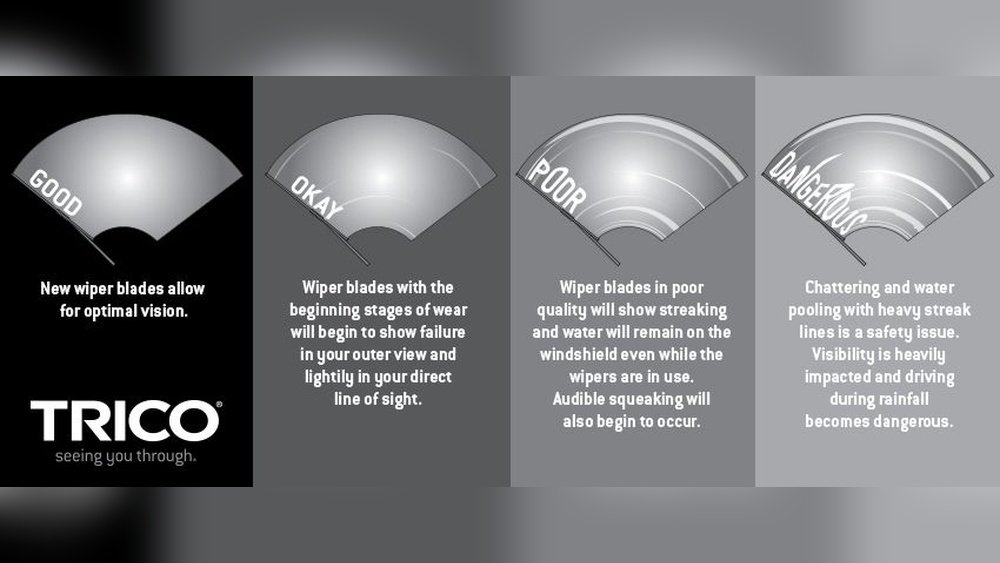
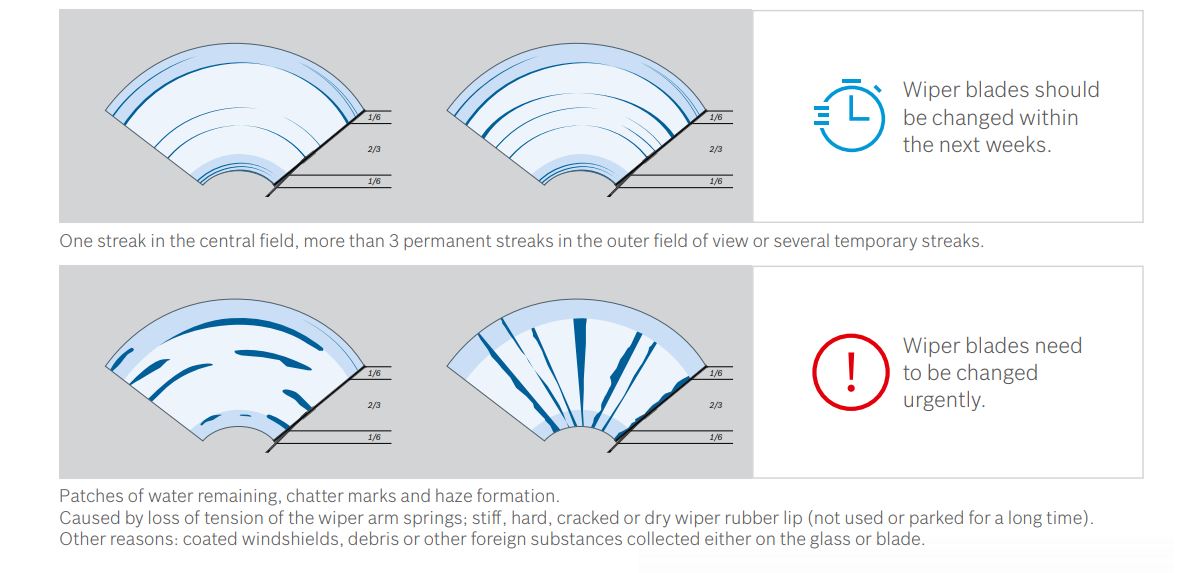
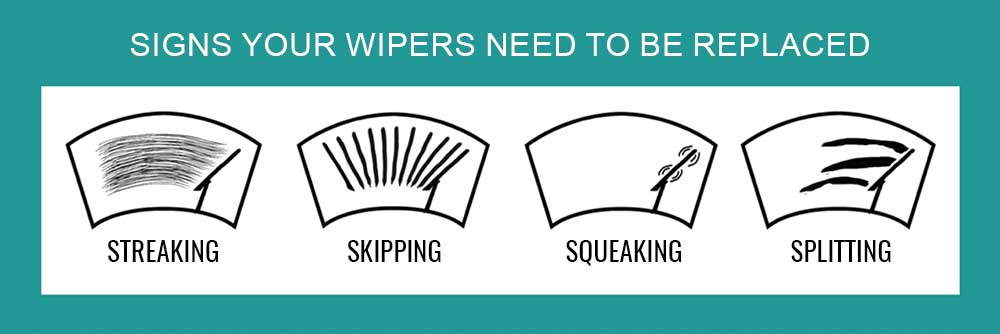
Streaks appear when wiper blades fail to clear water properly. This happens because the rubber edge wears down or hardens. Streaking makes it hard to see during rain or snow. Clear vision is crucial, so streaking signals it’s time for new blades.
Squeaking Or Chattering Sounds
Listen for squeaks or chattering noises as blades move across glass. These sounds mean the rubber is dry or cracked. The blade may skip or lose contact with the windshield. Noisy wipers reduce cleaning efficiency and cause distraction.
Skipping Or Jerking Movements
Blades that skip or jerk don’t glide smoothly. This happens when the rubber is stiff or the wiper arm is bent. Skipping blades leave patches of water behind. Smooth, even wiping ensures clear visibility in bad weather.
Visible Cracks And Tears
Look closely at the rubber edges for cracks or tears. Damaged rubber cannot seal against the windshield well. Cracks let water through, reducing wiping performance. Replace blades once you spot any visible damage.
Impact Of Weather On Wiper Blades
The weather plays a big role in the life of wiper blades. Different weather conditions can wear out the blades faster. Understanding these effects helps you know when to replace them. Wiper blades must stay flexible and smooth for clear vision.
Effect Of Sun Exposure
Sunlight heats the blades and dries out the rubber. This causes cracks and stiffness. Hard and cracked blades cannot clean the windshield well. Long exposure to sun makes the blades brittle and weak.
Damage From Cold And Ice
Cold weather makes rubber stiff and less flexible. Ice can stick to the blades and tear them. Scraping ice off the windshield can damage the rubber edge. Frozen blades do not wipe water properly.
Influence Of Rain And Debris
Rain mixes with dirt and dust on the road. This mixture can scratch the rubber and glass. Small debris can get caught under the blade. Scratches reduce visibility and blade performance.
Performance Issues To Notice
Wiper blades are crucial for clear vision during rain or snow. Pay attention to how well they clean your windshield. Problems in their performance often signal the need for replacement. Notice these common issues to keep your drive safe and clear.
Reduced Visibility During Rain
Wiper blades that leave water on the windshield reduce visibility. You may see streaks or patches of water that do not clear away. This problem grows worse in heavy rain. It makes driving dangerous and tiring for your eyes.
Uneven Cleaning Patterns
Uneven cleaning means some parts of the windshield stay dirty. Blades might miss spots or clean in a patchy way. This happens when the rubber wears out or the blade bends. Uneven wiping creates blind spots and distraction while driving.
Smearing And Smudging
Smearing happens when the blade spreads dirt instead of removing it. Smudges blur your vision and make it hard to see clearly. This issue often occurs with old or cracked blades. Smearing can also happen if the windshield is dirty or oily.
Frequency Of Replacement
Wiper blades play a vital role in keeping your windshield clear during rain or snow. Knowing how often to replace them helps maintain good visibility and driving safety. The frequency of replacement depends on several factors, including weather, usage, and blade quality.
Recommended Replacement Intervals
Most experts suggest changing wiper blades every six to twelve months. Regular replacement prevents streaks and smudges on the glass. Some blades last longer, but checking them twice a year is smart. Harsh weather can shorten their life, so replace blades more often in extreme climates.
Signs To Replace Sooner
Wiper blades that leave streaks or miss spots need quick replacement. Listen for squeaking or chattering sounds during use. Blades that tear, crack, or look brittle no longer work well. Poor wiping performance can reduce visibility and cause unsafe driving conditions.
Tips For Maintaining Wiper Blades
Maintaining wiper blades extends their life and keeps your windshield clear. Simple habits protect blades from damage and wear. Small efforts prevent costly replacements and improve driving safety.
Regular Cleaning Techniques
Clean wiper blades often to remove dirt and grime. Use a soft cloth with mild soap and water. Wipe along the blade edges gently to avoid damage. Clean the windshield too, for better blade performance.
Proper Parking Practices
Park in shaded areas to protect blades from sun damage. Avoid leaving blades pressed against hot glass. Lift blades off the windshield during winter to prevent freezing. Proper parking reduces blade wear and cracking.
Using The Right Washer Fluid
Choose washer fluid that matches the climate in your area. Avoid using plain water, which can freeze or leave residue. Use fluids with cleaning agents to help remove dirt. The right fluid keeps blades working well longer.
Choosing The Right Replacement Blades
Choosing the right replacement wiper blades is important for clear vision and safe driving. Not all blades fit every car. Understanding the types and how to match them helps you pick the best option. Proper blades last longer and work better in rain or snow.
Types Of Wiper Blades
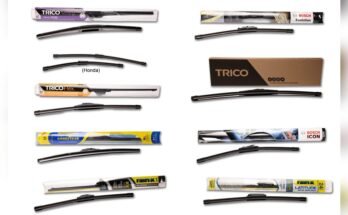
There are three main types of wiper blades: traditional, beam, and hybrid. Traditional blades have a metal frame that holds the rubber. Beam blades are made from one piece of rubber and fit close to the windshield. Hybrid blades combine features of both for better performance. Each type offers different durability and wiping quality.
Matching Blades To Your Vehicle
Check your car manual or measure your current blades to find the right size. Some vehicles need different sizes for driver and passenger sides. Many stores and websites allow you to enter your car make and model to find the exact fit. Using the right size ensures proper wiping and prevents damage to your windshield.
Frequently Asked Questions
How Often Should I Replace Wiper Blades?
Wiper blades typically last 6 to 12 months. Replace them sooner if you notice streaking or skipping. Regular checks ensure clear visibility and safe driving.
What Are Common Signs Of Worn Wiper Blades?
Look for streaks, skipping, or squeaking noises. Blades that leave water spots or have torn rubber need replacement immediately. These signs reduce visibility during rain.
Can Damaged Wiper Blades Damage My Windshield?
Yes, worn blades can scratch or damage the glass. Metal parts may contact the windshield, causing permanent marks. Replace blades promptly to protect your windshield.
How Do Weather Conditions Affect Wiper Blade Lifespan?
Extreme heat, cold, and UV rays degrade rubber faster. Snow and ice can cause tears or cracks. Inspect blades regularly in harsh weather for safety.
Conclusion
Wiper blades keep your windshield clear and safe. Replace them as soon as you see streaks or hear noise. Regular checks help avoid poor visibility in rain or snow. Clean blades wipe better and last longer. Don’t wait until bad weather surprises you.
Simple steps keep your driving safer every day. Stay alert to signs of wear and tear. Clear vision means safer roads for everyone.