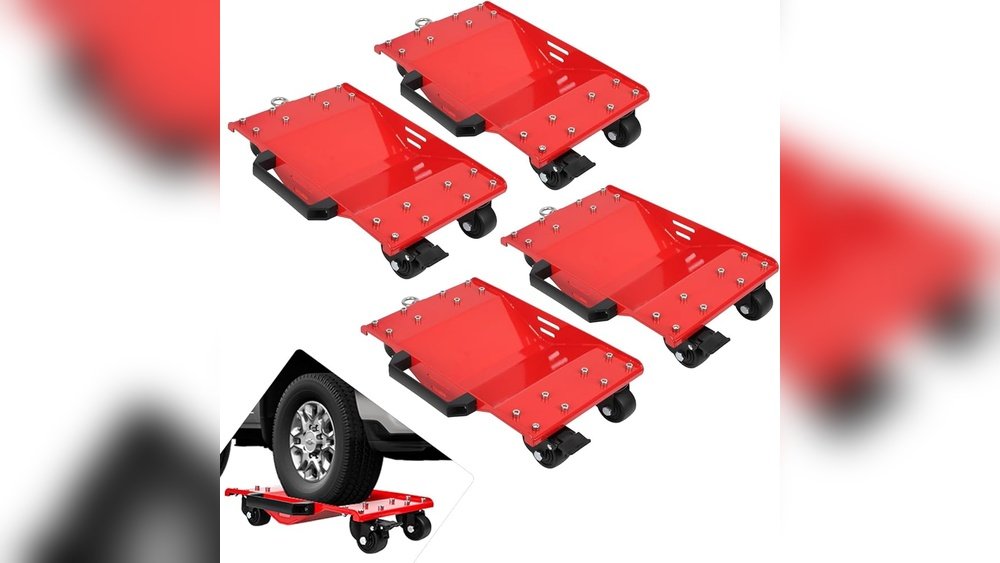
If you own or use car dollies, you know how important it is to keep them from moving unexpectedly. Unsecured dollies can cause damage to your vehicle, your garage, or even lead to accidents.
So, how do you make sure your car dollies stay locked in place when you need them to? You’ll discover simple and effective ways to lock your car dollies and keep them steady. By the end, you’ll have the confidence to protect your car and your space every time you use your dollies.
Keep reading to learn the best tips that anyone using car dollies should know.
Choosing The Right Dolly
Selecting the correct car dolly matters a lot for safety and ease. The right dolly helps keep your vehicle stable and stops unwanted movement. It also makes loading and unloading easier and safer. Understanding the types and features helps you pick the best fit for your needs.
Types Of Car Dollies
There are several types of car dollies. Trailer dollies attach to the back of a towing vehicle. They allow one car to pull another easily. Flatbed dollies hold the entire car on a platform. This keeps all wheels off the ground. Wheel lift dollies lift just the front or rear wheels. This type is lighter and easier to use but less stable on rough roads.
Features That Enhance Stability
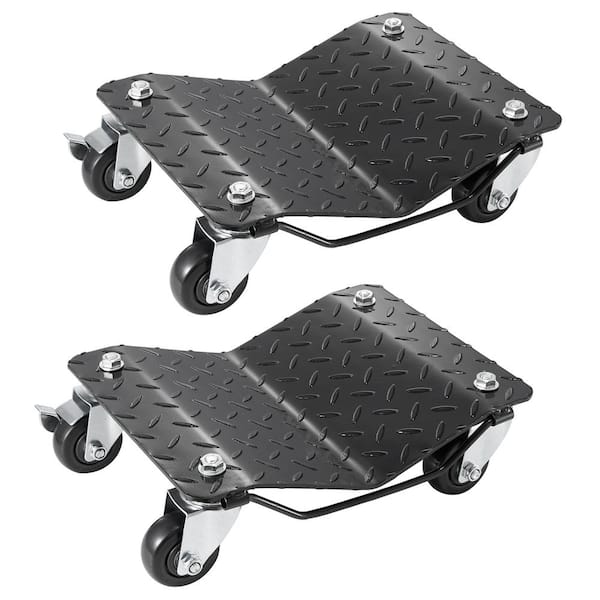
Look for dollies with locking mechanisms on the wheels. These locks stop the dolly from rolling or sliding. Wide wheelbases increase balance and reduce tipping risks. Non-slip surfaces on the dolly prevent the car from sliding. Heavy-duty frames offer more strength and durability. Adjustable straps or clamps secure the vehicle firmly. These features help prevent movement during transport or storage.

Preparing The Vehicle And Dolly
Preparing the vehicle and dolly is the first step to keep them steady. Proper setup stops unwanted movement. Safety depends on careful preparation.
Both the dolly and vehicle must be aligned correctly. This ensures firm contact and balance. Small mistakes can lead to instability.
Positioning The Dolly Correctly
Place the dolly on a flat, level surface. This helps prevent rolling or sliding. Center the dolly under the vehicle’s wheels. Make sure the dolly’s arms fit snugly around the tires. Check that the dolly is not tilted. Adjust as needed for even support.
Securing Vehicle Wheels
Turn off the vehicle’s engine. Apply the parking brake to lock the wheels. Place wheel chocks in front and behind the tires. This blocks any forward or backward motion. Double-check the vehicle is stable on the dolly before moving.
Locking Mechanisms Explained
Locking mechanisms play a key role in keeping car dollies stable and safe. They stop the dolly from moving during transport or storage. Understanding these locks helps you secure your vehicle better. There are different types of locks used on car dollies. Some are built into the dolly design. Others can be added later for extra security.
Built-in Dolly Locks
Many car dollies come with built-in locking systems. These locks usually engage the wheels or frame. They prevent the dolly from rolling or shifting. Common types include wheel chocks or pin locks. These locks are easy to use and reliable. You just activate them before you leave your vehicle. Built-in locks reduce the chance of accidental movement.
Additional Locking Devices
You can add extra locks for better safety. Strap locks and wheel clamps are popular options. These devices attach to the dolly and secure the vehicle tightly. Chains with padlocks also help prevent movement. Extra locks provide peace of mind on long trips. They protect both the car and the dolly from damage. Using more than one lock increases overall security.
Using Straps And Chains
Using straps and chains is a reliable way to lock car dollies and stop movement. These tools hold the dolly firmly in place during transport or storage. They add safety and prevent accidents caused by shifting dollies. Choosing the right materials and attaching them properly are key steps to secure the dolly effectively.
Choosing Durable Materials
Select straps made from strong nylon or polyester. These materials resist wear and tear. Chains should be made from heavy-duty steel. Rust-resistant coatings increase their lifespan. Avoid thin or weak straps and chains. They may break under pressure. Check the weight rating of all materials. Ensure they can handle the load of your dolly and vehicle.
Proper Attachment Techniques
Wrap straps or chains tightly around the dolly frame. Connect them to anchor points on your vehicle or trailer. Use ratchet straps to tighten securely. Avoid loose ends that may flap or catch on objects. Double-check all connections before moving. Attach each strap or chain evenly to balance the pressure. This prevents the dolly from tilting or sliding during transit.
Anchoring Dollies To Surfaces
Anchoring dollies to surfaces is essential to stop unwanted movement. It keeps your vehicle or equipment safe and stable. Proper anchoring prevents accidents and damage.
Different surfaces need different anchoring methods. This section covers easy ways to secure dollies on garage floors and how to use wheel chocks well.
Securing To Garage Floors
Garage floors are often smooth and slippery. Use heavy-duty bolts to fix dollies to concrete floors. Drill holes into the floor and insert anchors. Tighten bolts to hold the dolly firmly in place.
For wooden floors, use lag screws or wood anchors. Ensure the screws are long enough to hold strong. Check that the floor can handle the weight and pressure.
Secure anchoring stops the dolly from sliding or tipping. This method works well for long-term storage or work areas.
Using Wheel Chocks Effectively
Wheel chocks are simple tools that block wheels from rolling. Place chocks snugly against the dolly wheels. Use them on both sides of each wheel for best results.
Choose chocks made of rubber or heavy plastic. These materials grip the floor and resist slipping. Make sure the chocks fit the wheel size properly.
Wheel chocks work well on flat or slightly sloped surfaces. Combine chocks with other anchoring methods for extra safety.

Maintenance For Safety
Keeping car dollies locked safely is not just about securing them once. Regular maintenance plays a big role in preventing unwanted movement. Proper care ensures locks work smoothly and stay reliable for a long time. Neglecting maintenance can cause locks to jam or fail, risking damage or accidents. Follow these simple steps to maintain your car dollies for safety and peace of mind.
Regular Inspection Of Locks
Check locks on your car dollies often. Look for signs of damage, rust, or loose parts. Test each lock to make sure it holds firmly. Replace locks that show wear or don’t work well. Regular inspection helps catch problems early before they become serious. Keep a routine schedule for these checks to stay safe.
Lubrication And Wear Prevention
Apply lubricant to locks to keep them moving smoothly. Use a light oil or spray made for metal parts. Avoid heavy grease that can attract dirt and dust. Lubrication stops rust and reduces friction that causes wear. Clean locks before adding lubricant for best results. Protect your car dollies with this simple step to extend lock life.
Common Mistakes To Avoid
Locking car dollies properly is key to keeping your vehicle safe. Many people make simple mistakes that cause the dolly to move. These errors can lead to accidents or damage. Avoiding common mistakes helps you secure the dolly better and protect your car.
Overlooking Dolly Stability
Many forget to check if the dolly is on a flat, stable surface. Uneven ground makes the dolly shift easily. Always place dollies on hard, level floors. Inspect wheels and locks before use. Loose or damaged parts reduce stability. This increases the risk of movement during loading or transport.
Ignoring Weight Limits
Each dolly has a weight limit. Overloading it causes the dolly to fail. Too much weight can break the frame or locks. This leads to sudden shifts or accidents. Know your dolly’s capacity and never exceed it. Spread the load evenly to keep balance. Proper weight helps the locks hold firm and prevents unwanted movement.
Frequently Asked Questions
How Do I Lock Car Dollies To Prevent Movement?
Use wheel chocks on both sides of the dolly wheels. Engage the dolly’s built-in brake if available. Secure the dolly to the vehicle or floor with straps or chains to stop rolling or sliding.
What Tools Are Needed To Secure Car Dollies?
You typically need wheel chocks, tie-down straps, and possibly chains. A ratchet or locking mechanism helps tighten the straps securely. Optional tools include a wrench for adjusting brakes or bolts on the dolly.
Can Car Dollies Lock Automatically For Safety?
Some car dollies come with automatic locking brakes. These engage when weight is applied or the dolly is stationary. This feature adds safety by preventing unintended movement without manual locking.
Why Is Preventing Dolly Movement Important?
Preventing dolly movement protects your vehicle and surroundings from damage. It also ensures safe loading, unloading, and storage. Proper locking reduces accident risks during transport and parking.
Conclusion
Securing car dollies stops unwanted rolling or shifting. Always use locks or wheel chocks for safety. Check the locks often to ensure they hold tight. Keep your vehicle steady during transport or storage. Simple steps can prevent accidents and damage.
Safe handling protects your car and others around. Stay cautious and keep your dollies locked every time. Safety matters most when moving vehicles with dollies.


