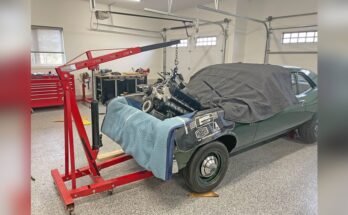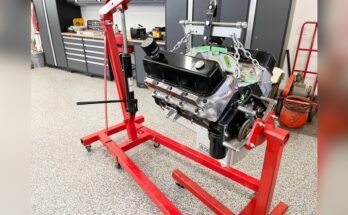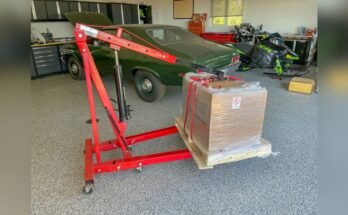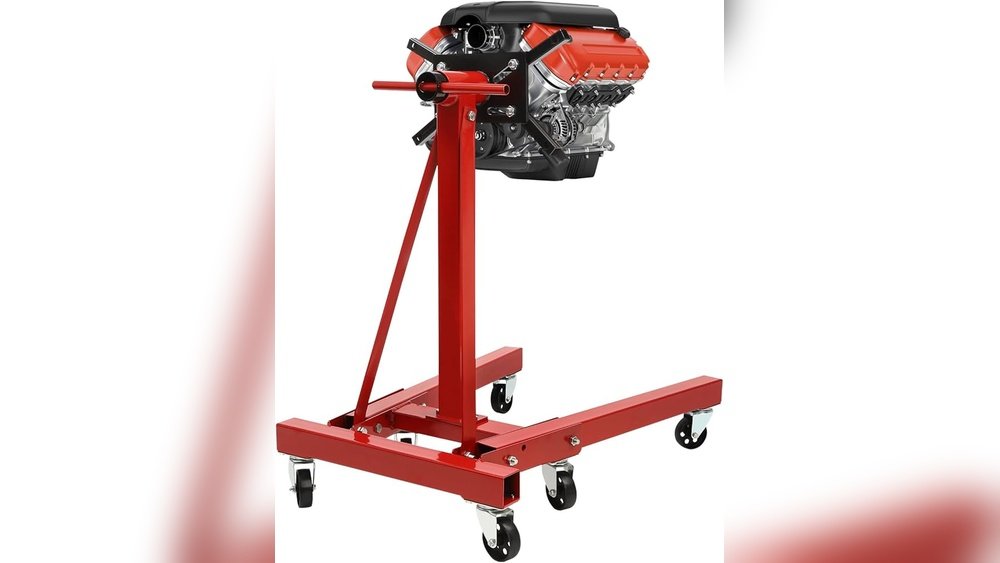
If you work on cars or handle heavy engine parts, you know how important your car engine hoist is. But do you know how to keep it in top shape?
Taking care of your engine hoist isn’t just about safety—it saves you time, money, and frustration. You’ll discover simple, effective steps to maintain your hoist so it works smoothly every time you need it. Keep reading, and you’ll never have to worry about unexpected breakdowns or costly repairs again.

Choosing The Right Hoist
Choosing the right engine hoist is important to keep your car engine safe and secure. The right hoist makes lifting easier and prevents accidents. Knowing the types, weight limits, and materials helps you pick the best one for your needs.
Types Of Engine Hoists
There are several types of engine hoists. The most common is the hydraulic hoist, which uses fluid pressure to lift heavy engines smoothly. Another type is the chain hoist, which uses a chain and pulley system. Some hoists are foldable for easy storage. Choose a type that fits your workspace and the engine size.
Weight Capacity Considerations
Every engine hoist has a weight limit. It is vital to choose a hoist that can hold more than your engine’s weight. This extra capacity keeps you safe during lifting. Check the hoist’s maximum load rating before buying. Never overload the hoist, as it can cause damage or injury.
Material And Build Quality
Strong materials make a hoist reliable and long-lasting. Most hoists are made from steel or heavy-duty metal. Look for thick, sturdy frames and solid welds. Good quality parts reduce wear and tear. A well-built hoist will last many years and keep your engine stable.

Regular Cleaning Practices
Regular cleaning keeps a car engine hoist working well and lasts longer. Dirt and grease can cause damage and reduce performance. Cleaning helps prevent rust and keeps the hoist safe to use. Simple daily care avoids big problems later.
Removing Dirt And Debris
Start by wiping off loose dirt and dust. Use a dry cloth or soft brush to clear dirt from all surfaces. Check for stuck debris in corners and joints. Remove any particles that can block moving parts or cause wear. Keep the hoist clean after each use to avoid buildup.
Cleaning Moving Parts
Focus on joints, hinges, and wheels. Dirt here can slow movement or cause damage. Use a damp cloth to wipe these parts gently. Avoid soaking them with water to prevent rust. Clean moving parts often to keep the hoist working smoothly and safely.
Using Appropriate Cleaning Agents
Choose mild soap or specific metal cleaners for cleaning. Avoid harsh chemicals that can harm paint or metal. Test cleaners on a small area first. Use lubricants after cleaning to protect metal parts. Proper cleaning agents maintain the hoist’s finish and function.
Lubrication Essentials
Lubrication is key to keeping your car engine hoist working smoothly. Proper lubrication reduces wear and tear on moving parts. It helps the hoist operate safely and lasts longer. Understanding the basics of lubrication can save you time and money.
Lubricating Joints And Hinges
Joints and hinges are the most active parts of the hoist. They need regular lubrication to avoid rust and stiffness. Apply lubricant carefully to all pivot points. Wipe off excess oil to prevent dirt buildup. Smooth joints make lifting easier and safer.
Selecting The Right Lubricant
Choose lubricants designed for metal parts and heavy loads. Grease is good for joints and hinges that carry weight. Light machine oil works well for smaller, less stressed parts. Avoid using household oils, as they can attract dust and dirt.
Frequency Of Lubrication
Lubricate your hoist after every few uses or at least once a month. More frequent lubrication is needed in dusty or wet environments. Regular checks help spot dry or rusty parts early. Keeping up with lubrication prevents costly repairs.
Inspecting For Wear And Damage
Inspecting a car engine hoist for wear and damage is a key step in keeping it safe and reliable. Regular checks help spot problems early. Catching small issues prevents big repairs and accidents. This part of maintenance focuses on the hoist’s most important pieces. A careful look at each component ensures smooth lifting and long life.
Checking Hydraulic Components
Hydraulic parts need close attention. Look for leaks around seals and fittings. Oil stains or drops show possible damage. Test the hydraulic pump by lifting and holding weight. If the hoist drifts down, the system may fail. Check hoses for cracks or bulges. Replace any weak or broken parts fast.
Examining Chains And Hooks
Chains and hooks carry the engine’s full weight. Inspect chains for rust, cracks, or twisted links. Even small damage can cause failure. Hooks must close tightly and move freely. Bent or stretched hooks are unsafe. Replace damaged chains or hooks immediately. Safety depends on strong, intact lifting gear.
Identifying Rust And Corrosion
Rust weakens metal parts and reduces strength. Look closely at the frame, joints, and bolts. Remove surface rust with a wire brush or sandpaper. Check if rust has caused deep pits or holes. Corroded parts should be replaced to avoid accidents. Keep the hoist clean and dry to prevent rust buildup.
Safe Storage Tips
Storing your car engine hoist properly helps keep it in good shape. Safe storage prevents rust, damage, and wear. It also makes the hoist ready for use anytime. Follow these tips to store your hoist safely and extend its life.
Choosing A Dry Location
Select a place that stays dry and clean. Moisture causes rust and can weaken metal parts. Avoid basements or outdoor spots that collect water. A dry garage or shed works best for storage.
Proper Hoist Positioning
Keep the hoist upright and stable. Avoid leaning it on walls or other objects. Use its wheels to move and park it safely. Lock the wheels to stop any rolling or slipping.
Protecting Against Environmental Damage
Cover the hoist with a cloth or tarp to stop dust and dirt. Keep it away from direct sunlight to avoid paint fading. Clean the hoist before covering to prevent grime buildup.
Routine Maintenance Schedule
Keeping your car engine hoist in good shape needs a clear routine maintenance schedule. Regular checks help avoid accidents and extend the hoist’s life. The schedule splits tasks into daily, monthly, and yearly actions. Follow these simple steps to keep your hoist safe and working well every day.
Daily Checks Before Use
Start by inspecting the hoist’s chains or straps for any damage. Look for cracks, rust, or frayed edges that could cause failure. Check all bolts and nuts to ensure they are tight and secure. Test the hoist’s movement smoothly up and down without any strange noises. Confirm the hydraulic fluid level is full and free of leaks. Clean any dirt or grease from the hoist to keep parts visible and working well.
Monthly Detailed Inspections
Take more time each month to examine the hoist thoroughly. Inspect the hydraulic system for leaks or worn seals. Check the condition of the lifting hook and safety latch for damage or bending. Lubricate all moving parts with the right oil to reduce wear and tear. Examine the frame and legs for cracks or rust spots that need fixing. Test the hoist’s load capacity with a small weight to ensure strength and safety.
Annual Professional Servicing
Hire a professional technician once a year to service the hoist. They will check internal parts that are hard to see and repair or replace worn components. The expert will flush and replace hydraulic fluid to keep the system running smoothly. They also verify that the hoist meets all safety standards and regulations. Annual servicing gives peace of mind and keeps the hoist reliable for heavy jobs.
Troubleshooting Common Issues
Troubleshooting common issues with a car engine hoist helps keep it safe and working well. Problems can stop your work and cause damage. Knowing simple fixes saves time and money.
Check your hoist regularly. Catch small problems early. Follow these tips for common troubles.
Hydraulic Leaks
Hydraulic leaks reduce lifting power. Look for oil spots under the hoist or wet areas on the cylinder. Tighten all bolts and fittings first.
Replace worn seals or damaged hoses. Use the correct hydraulic oil. Clean the hoist to spot new leaks quickly.
Hoist Not Lifting Properly
If the hoist lifts slowly or not at all, check the hydraulic fluid level. Low fluid causes weak lifting. Fill it to the correct level.
Air in the hydraulic system also causes problems. Bleed the system to remove trapped air. Make sure the pump and release valve work well.
Unusual Noises During Operation
Strange sounds can mean worn parts or low lubrication. Listen for squeaks, grinding, or knocking. These noises warn of damage.
Lubricate all moving parts. Replace any worn or broken components. Tighten loose bolts to stop rattling sounds.

Frequently Asked Questions
How Often Should I Inspect My Car Engine Hoist?
Inspect your car engine hoist before each use for safety. Check for cracks, rust, or worn parts. Regular inspections prevent accidents and extend the hoist’s lifespan. Clean and lubricate moving parts monthly to maintain smooth operation.
What Lubricants Are Best For Engine Hoist Maintenance?
Use light machine oil or grease on pivot points and joints. Avoid heavy oils that attract dirt and grime. Proper lubrication reduces wear, prevents rust, and ensures smooth movement of the hoist components.
How Do I Store A Car Engine Hoist Properly?
Store the hoist in a dry, clean area away from moisture. Keep it covered to prevent dust accumulation. Folding the hoist and securing loose parts helps avoid damage and keeps it ready for use.
Can I Repair A Damaged Engine Hoist Myself?
Minor repairs like tightening bolts or replacing pins can be DIY tasks. However, structural damage or hydraulic issues require professional servicing. Always follow the manufacturer’s guidelines to ensure safety and reliability.
Conclusion
Keeping your car engine hoist clean and well-lubricated helps it last longer. Check bolts and parts often to stay safe while working. Store the hoist in a dry place to avoid rust. Small repairs now prevent big problems later. Regular care saves money and time in the long run.
Trust your hoist to lift engines smoothly every time. Simple steps make a big difference in hoist performance. Stay consistent with maintenance to protect your tools and work.