If you own a car dolly, you know how important it is to keep it in top shape. A well-maintained dolly not only lasts longer but also keeps your vehicle safe during transport.
But how do you make sure your car dolly stays clean and works smoothly every time you use it? You’ll discover simple and effective tips to maintain and clean your car dollies. Follow these easy steps, and you’ll save money, avoid costly repairs, and ensure your dolly performs perfectly whenever you need it.
Ready to learn how? Let’s dive in!
Choosing The Right Dolly
Choosing the right car dolly is key to easy maintenance and safe use. The correct dolly helps move your vehicle smoothly. It also protects your floors and the dolly itself from damage. Picking a dolly that fits your needs reduces effort and risk. Focus on the type, material, and weight capacity to find the best match for your car and workspace.
Types Of Car Dollies
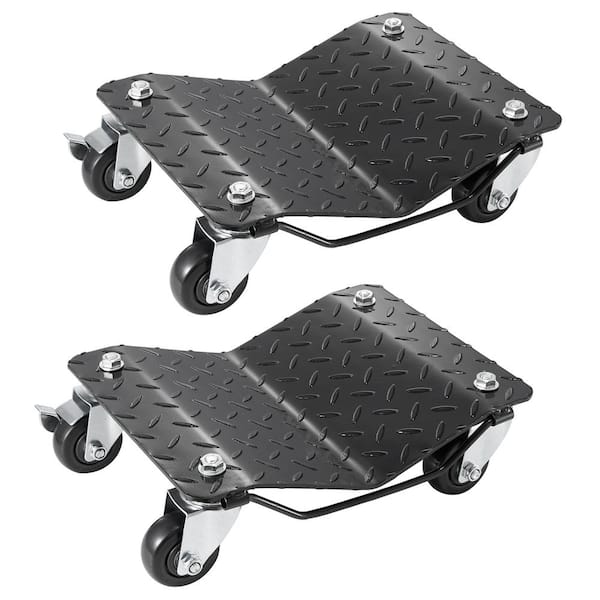
Car dollies come in several types. Some have fixed positions, while others swivel for better control. Four-wheel dollies support the whole car and allow movement in any direction. Single or two-wheel dollies help move one wheel at a time. Choose the type that fits how you plan to use the dolly.
Material Considerations
Dollies are made from steel, aluminum, or plastic. Steel is strong and durable but heavier. Aluminum is lighter and resists rust, making it easier to carry. Plastic dollies are light but less durable. Pick a material that balances strength and weight for your needs.
Weight Capacity
Check the dolly’s weight limit before buying. It must support your car’s weight without bending or breaking. Using a dolly with too low capacity is unsafe. Always choose a dolly with a weight capacity higher than your vehicle’s weight.
Regular Inspection
Regular inspection is key to keeping car dollies in good shape. It helps catch small problems early. This saves time and money on repairs. A quick check before and after use ensures safety. It also extends the dolly’s life. Follow these steps to inspect your car dolly carefully.
Checking For Damage
Look over the dolly’s surface for cracks or dents. Check all metal parts for rust or wear. Look closely at welds and joints. Any damage can weaken the dolly. Fix small issues before they grow bigger. Avoid using a damaged dolly to prevent accidents.
Inspecting Wheels And Bearings
Spin each wheel to see if it moves smoothly. Listen for grinding or unusual sounds. Check for cracks or flat spots on tires. Inspect bearings for rust or dirt buildup. Clean and lubricate bearings regularly. Replace worn wheels to ensure smooth movement.
Assessing Frame Integrity
Examine the frame for bends or twists. Check bolts and screws for tightness. Loose parts can cause instability. Make sure the frame is straight and solid. A strong frame supports the weight safely. Repair or replace parts that show damage.
Cleaning Techniques
Cleaning techniques are essential to keep car dollies in good condition. Dirt and grime can cause damage over time. Regular cleaning helps maintain performance and extends the dolly’s life. Simple steps can make a big difference in care.
Removing Dirt And Debris
Start by removing loose dirt and debris with a soft brush or cloth. Pay attention to corners and small spaces where dirt collects. Use a vacuum cleaner for hard-to-reach spots. Removing debris prevents scratches and keeps parts moving smoothly.
Cleaning Wheels And Axles
Wheels and axles need special care. Wipe wheels with a damp cloth to remove mud and dust. Check axles for buildup and clean with a small brush. Lubricate axles lightly after cleaning to ensure smooth rotation. Clean wheels reduce friction and improve movement.
Using Appropriate Cleaning Agents
Choose mild cleaning agents to protect the dolly’s material. Avoid harsh chemicals that can cause damage. Use warm water mixed with a small amount of soap. Rinse thoroughly and dry with a clean cloth. Proper cleaning agents help preserve the dolly’s finish and strength.

Lubrication Tips
Proper lubrication keeps car dollies working smoothly. It reduces wear and tear on moving parts. Regular lubrication prevents rust and makes the dolly easier to handle. Follow these simple tips to keep your car dolly in top shape.
Lubricating Moving Parts
Focus on wheels, axles, and pivot points. These parts move the most and need the most lubrication. Apply lubricant to bearings and joints where metal touches metal. Avoid over-lubricating, as this can attract dirt.
Choosing The Right Lubricant
Use lubricants made for metal parts. Grease or oil designed for machinery works best. Avoid household oils that can dry out quickly. Choose lubricants that resist water and dust for longer protection.
Frequency Of Lubrication
Lubricate your car dolly every few months. Check the moving parts monthly for dryness or rust. Lubricate sooner if you use the dolly in wet or dirty conditions. Regular care extends the life of your equipment.
Storage Best Practices
Proper storage of car dollies extends their life and keeps them working well. Storing them right stops damage and saves money on repairs. Follow simple steps to protect your dollies from harm.
Protecting From Weather
Keep car dollies inside a dry, covered space. Rain and snow cause rust and wear. Use a waterproof cover if indoor storage is not possible. Avoid direct sunlight to prevent fading and material damage.
Proper Positioning
Place dollies on a flat, stable surface to avoid tipping. Store them with wheels locked or secured to prevent rolling. Keep dollies upright and avoid stacking heavy items on them. This keeps their shape and parts intact.
Avoiding Overloading
Do not store heavy objects on the dollies beyond their weight limit. Overloading causes frame bending and wheel damage. Check the manufacturer’s weight guidelines before placing anything on the dolly. Proper load management ensures safety and long service.
Troubleshooting Common Issues
Troubleshooting common issues with car dollies helps keep them safe and working well. Regular checks prevent small problems from turning into big repairs. Understanding how to fix common faults saves time and money.
Handling Wheel Wobble
Wheel wobble can cause unsafe driving and damage the dolly. Check if the wheels are loose or damaged. Tighten wheel nuts with a wrench to secure them firmly. Replace bent or cracked wheels immediately. Ensure proper tire pressure for smooth rolling. Balance the wheels if wobble persists.
Fixing Stuck Or Noisy Bearings
Bearings allow wheels to spin freely. Dirt and rust can make bearings stuck or noisy. Remove the wheel and clean bearings with a cloth. Apply lubricant to reduce friction and noise. Replace bearings if cleaning does not help. Regular lubrication prevents early wear and tear.
Dealing With Rust And Corrosion
Rust weakens metal parts and reduces dolly lifespan. Inspect the dolly for rust spots regularly. Use a wire brush to remove rust from affected areas. Apply rust-resistant paint or coating to protect metal. Store dollies in dry places to avoid moisture buildup. Treat small rust spots early to prevent spread.

Frequently Asked Questions
How Often Should I Clean My Car Dollies?
Clean car dollies after every use to prevent rust and dirt buildup. Regular cleaning ensures smooth operation and extends their lifespan.
What Tools Are Needed For Cleaning Car Dollies?
Use a brush, mild detergent, water, and a lubricant spray. These tools help remove debris and maintain moving parts effectively.
How Do I Lubricate Car Dollies Properly?
Apply lubricant to wheels, axles, and pivot points. This reduces friction, prevents rust, and keeps the dollies rolling smoothly.
Can I Use Household Cleaners On Car Dollies?
Avoid harsh chemicals; use mild soap and water instead. Harsh cleaners can damage paint and metal parts of the dollies.
Conclusion
Regular cleaning keeps car dollies working well and safe. Check wheels and bolts often for tightness and damage. Use mild soap and water to remove dirt and grease. Dry the dolly completely to avoid rust or wear. Store dollies in a dry place to protect them.
Small efforts can extend the life of your equipment. Keep your car dollies ready for every use with simple care. Clean and maintain them to avoid problems later. This saves time and money in the long run.


