Owning a Jeep Wrangler offers freedom, adventure, and rugged capability. But for many drivers, one feature stands out as a point of frustration: the Auto Start Stop system. This system automatically shuts off your engine at stops, like traffic lights, then restarts when you lift your foot off the brake. While designed to save fuel and reduce emissions, some drivers find it distracting, slow, or simply unnecessary for their driving style. If you’re among those who want to permanently turn off Auto Start Stop in your Jeep Wrangler, you’re not alone.
This guide gives you everything you need: why the system exists, how it works, its pros and cons, and most importantly, every practical method to disable it. We’ll cover easy solutions, advanced modifications, and what you should consider before making any changes. Let’s dive in and help you take back control of your Wrangler.
Understanding The Auto Start Stop System
Before you disable anything, it’s wise to understand how Auto Start Stop works. Introduced in Jeep Wranglers around 2018, this system’s main goal is to improve fuel efficiency and reduce emissions. When you come to a complete stop and hold the brake, the engine shuts off. Once you release the brake, the engine starts again automatically.
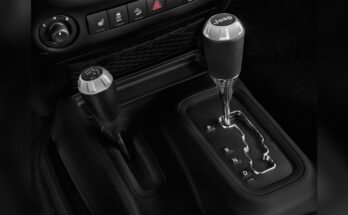
This feature is now standard on most new Wranglers, including the JL and newer models. You can temporarily turn it off using a button near the gear shifter, but it resets each time you restart the engine. For drivers who prefer their Wrangler to always be ready, this can be a daily annoyance.
A common misconception is that this system is a simple software switch, but it’s often integrated into the vehicle’s computer. This means disabling it permanently requires more than just pressing a button.
Why Some Jeep Owners Want To Disable Auto Start Stop
Many Wrangler owners are passionate about their vehicles and want full control. Here are some of the most common reasons drivers look to turn off Auto Start Stop permanently:
- Smoother driving experience: Some find the stop-start transition jerky or delayed, especially at busy intersections.
- Battery wear: Frequent engine restarts can put extra stress on the battery and starter motor.
- Accessory performance: Systems like air conditioning, power steering, and radios may not work as effectively during stops.
- Off-roading and towing: In situations where consistent engine power is critical, Auto Start Stop can be a safety concern.
- Annoyance factor: Some drivers simply dislike the feature and prefer not to press the disable button every time.
While the system does offer fuel savings—often around 3-5% in city driving, according to the EPA—many decide that comfort and control are more important for their needs.

Factory Options For Disabling Auto Start Stop
Jeep does not provide a factory setting to permanently disable Auto Start Stop. The button on your dashboard only turns the feature off until the next engine cycle. Some higher trim levels or specific models might behave differently in certain countries, but in North America, the reset is standard.
If you’re hoping for a hidden menu or dealer-only switch, unfortunately, this does not exist. Dealerships are not allowed to permanently disable emission-related systems due to federal regulations. This is why many owners turn to aftermarket options.
Common Methods To Permanently Disable Auto Start Stop
There are several methods Wrangler owners use to permanently disable Auto Start Stop. Each has advantages and drawbacks. Let’s explore the main solutions, along with their costs, difficulty, and reliability.
1. Using An Auto Start Stop Eliminator Device
One of the most popular solutions is an eliminator device. These small plug-and-play modules are designed to remember your last setting. If you turn off Auto Start Stop once, it stays off, even after restarting your Jeep.
How it works:
- The device plugs into your Wrangler’s OBD-II port (usually under the dashboard).
- It sends a signal to the vehicle’s computer to keep the Auto Start Stop setting off.
- No permanent wiring or software changes are needed.
Pros:
- Easy installation (usually under 5 minutes)
- Completely reversible
- No effect on warranty if removed before service
- Affordable ($80–$150)
Cons:
- Adds a small device under your dash
- Some cheap models may cause warning lights
Real-life insight: Many Wrangler forums are full of users who have used these devices for years without issues. However, always choose a reputable brand and check for compatibility with your Wrangler’s model year.
2. Battery Sensor Bypass
The Auto Start Stop system relies on data from the Intelligent Battery Sensor (IBS) attached to your battery’s negative terminal. If the IBS thinks the battery is weak, the system disables itself to prevent draining.
Some owners use a bypass device or a simple resistor to trick the IBS. The idea is to tell the vehicle computer that the battery is never fully charged, so Auto Start Stop never activates.
Pros:
- Inexpensive (some DIY methods cost only a few dollars)
- No visible changes inside the cabin
Cons:
- May affect other battery-related functions
- Can trigger warning lights if done incorrectly
- Possible warranty issues if discovered
Practical tip: This method is more technical and best for those comfortable working under the hood. Always disconnect the battery before attempting any sensor bypass.
3. Tazer Jl Or Advanced Programmers
For those who want maximum control over vehicle settings, the Tazer JL programmer is a powerful tool. It connects to your Jeep and allows you to change many factory settings, including disabling Auto Start Stop.
How it works:
- Plug the device into your OBD-II port
- Use the menu to disable Auto Start Stop permanently
- Can also adjust tire size, light behavior, and more
Pros:
- Permanent solution
- Lets you customize many vehicle features
- Easy to return to stock settings
Cons:
- More expensive ($300–$350)
- Slight learning curve for setup
- May require updates for new model years
Non-obvious insight: The Tazer JL is popular with off-roaders because it offers extra features, like light show modes or locker control. If you want more than just disabling Auto Start Stop, this is a strong choice.
4. Professional Software Coding
Some specialized automotive shops offer software coding services. Here, a technician connects to your Jeep’s computer and changes the programming so Auto Start Stop is always off.
Pros:
- No hardware added
- Clean, invisible solution
Cons:
- More expensive ($150–$400 depending on location)
- May affect warranty if not reversed before dealer service
- Not easily reversible without another coding session
Expert guidance: Always ask if the shop can reverse the coding if you need warranty work. Keep documentation of all changes.
5. Manual Habit—pressing The Button
While not permanent, it’s worth mentioning: you can press the disable button each time you start your Jeep. For some, this becomes a routine. There are even 3D-printed clips that help keep the button pressed, but these can wear out or break.
Pros:
- No cost
- No technical changes
Cons:
- Easy to forget
- Annoying for frequent drivers
6. Wiring Modifications
Some advanced DIYers rewire the Auto Start Stop switch so it’s always in the “off” position when starting. This involves opening dashboard panels and modifying the switch wiring.
Pros:
- Permanent and hidden
Cons:
- Risky—may cause electrical issues
- Can void warranty
- Requires skill and tools
Caution: Unless you’re experienced with vehicle electronics, avoid this method.
7. Disconnecting The Hood Sensor
Another trick is to unplug the hood sensor. The Jeep thinks the hood is open, so Auto Start Stop is disabled for safety.
Pros:
- Simple (just unplug a connector)
Cons:
- May cause warning lights
- Under-hood light may stay on or off
- Not recommended for daily use
Real-world insight: Some drivers use this method temporarily, but it’s not ideal for long-term reliability.
8. Replacing The Battery With A Lower Capacity Model
This is a rare approach, but some owners swap the battery for one with less reserve capacity. Since Auto Start Stop only works if the battery is healthy and fully charged, this “tricks” the system.
Pros:
- Inexpensive
Cons:
- Lower battery performance overall
- Not recommended for cold climates or heavy accessory use
- Shortens battery life
Final thought: This method is not popular and comes with more drawbacks than benefits.
Comparing The Main Methods
To help you choose, here’s a comparison of the most popular permanent solutions:
| Method | Cost | Difficulty | Reversible | Warranty Impact |
|---|---|---|---|---|
| Eliminator Device | $$ | Easy | Yes | Low |
| Battery Sensor Bypass | $ | Medium | Yes | Medium |
| Tazer JL/Programmer | $$$ | Medium | Yes | Medium |
| Software Coding | $$$ | Hard | No | High |
| Wiring Modifications | $ | Hard | No | High |
What You Need To Know About Warranties
One of the biggest concerns for Jeep owners is warranty coverage. Changes to emission-related systems can cause problems if you need dealer service. Here’s what to consider:
- Magnuson-Moss Warranty Act: In the US, a dealer cannot void your entire warranty just because you made a modification. However, if your change causes a problem, repairs for that part may not be covered.
- Reversible solutions: Plug-and-play devices are usually safe if you remove them before dealer visits.
- Permanent changes: Wiring modifications, coding, or sensor bypasses may be detected and could impact your warranty.
Practical advice: Always keep your original parts and documentation. If you have concerns, speak directly with your dealer’s service manager before making any changes.
Is It Legal To Disable Auto Start Stop?
Disabling Auto Start Stop is a gray area in terms of legality. In the US, it is technically illegal for a manufacturer or dealer to disable an emission system, but there is no specific law against an owner modifying their own vehicle for personal use. However, tampering with emissions controls can be a violation in some states, especially California.
Key points:
- Disabling Auto Start Stop does not increase emissions as much as removing a catalytic converter, but it is still considered tampering.
- If you sell the vehicle, restoring the original function is recommended.
- Always check your local laws before making permanent modifications.
Fuel Savings: Do You Really Lose Much?
A major reason for Auto Start Stop is fuel economy. But how much do you really save? According to the EPA, the average fuel savings for vehicles with this system is between 3% and 5% in city driving. For the Jeep Wrangler, this can mean saving about 0.2–0.4 gallons for every 100 miles of urban driving.
If you drive mostly on highways, the savings are almost zero, since Auto Start Stop rarely engages at higher speeds. For heavy city drivers, the savings can add up over years, but for rural or off-road use, the benefit is minimal.
Here’s a quick look:
| Driving Style | Estimated Savings/Year | Auto Start Stop Impact |
|---|---|---|
| Heavy City | $50–$100 | High |
| Mixed | $20–$50 | Medium |
| Mostly Highway | $0–$10 | Low |
Non-obvious fact: Accessories like winches, upgraded audio, or extra lights can reduce the system’s ability to function, as they draw more battery power. In these cases, Auto Start Stop may be disabled by the Jeep’s computer automatically.
Step-by-step: Installing An Eliminator Device
If you want a reliable, simple solution, here’s how to install a common Auto Start Stop Eliminator:
- Buy a compatible device: Check the year and model of your Jeep. Read reviews before purchase.
- Turn off your Jeep and remove the key.
- Locate the OBD-II port: Usually found under the dash, near your left knee.
- Plug in the device: It should click into place firmly.
- Start your Jeep: The device will automatically sync with your vehicle.
- Test: Press the Auto Start Stop button once. The device will remember your choice for every future start.
Tip: If you ever need dealer service, unplug the device first. No trace is left behind.
Advanced: Using The Tazer Jl Programmer
If you want more customization, here’s a quick overview for the Tazer JL:
- Plug the Tazer JL into your OBD-II port.
- Access the menu: Use the steering wheel buttons to scroll through options.
- Find “Auto Stop-Start Disable”: Select this and confirm.
- Unplug the Tazer JL: Changes remain, but you can reverse them anytime.
Pro insight: The Tazer JL can also recalibrate your speedometer for larger tires, enable features like “light shows,” and more. Updates are available online for new Jeep models.

Maintenance And Long-term Effects
Disabling Auto Start Stop will not harm your Jeep if done properly. In fact, you may see longer starter and battery life because the engine restarts less frequently. However, keep these tips in mind:
- Monitor your battery: Even without Auto Start Stop, regular checks are important for off-road or infrequent use.
- Check for warning lights: After any modification, confirm no dashboard errors appear.
- Update devices: Some plug-in modules get software updates—register your product if needed.
Expert note: Always disconnect the battery before working on sensors or wiring to avoid short circuits.
Community Opinions And Real-world Experiences
Jeep forums, Facebook groups, and owner clubs are filled with discussions about Auto Start Stop. Most agree: if you dislike the feature, it’s worth disabling. Some drivers report improved comfort, less stress in traffic, and no negative side effects after years of use.
There are also stories of failed cheap devices causing battery drain or warning lights. The consensus: invest in a trusted brand and follow instructions closely.
If you use your Wrangler for off-roading, towing, or in extreme weather, disabling Auto Start Stop can make driving safer and more predictable.

When You Should Not Disable Auto Start Stop
While many drivers prefer the system off, there are cases where it’s best to leave it on:
- If you lease your Jeep and must return it in stock condition
- If you rely on every bit of fuel savings for your daily commute
- If you live in an area with strict emissions testing
If in doubt, try using the disable button for a few weeks to see if you really dislike Auto Start Stop before making permanent changes.
When To Ask A Professional
If you are not comfortable with electronics, sensors, or vehicle software, it’s always safer to ask a professional. Many Jeep accessory shops can install eliminator devices, programmers, or do coding safely. Don’t risk your warranty, safety, or vehicle performance with untested DIY hacks.
For more information on how Auto Start Stop systems work, you can check this Wikipedia article.
Frequently Asked Questions
How Do I Know Which Eliminator Device Is Best For My Jeep Wrangler?
Check your Wrangler’s model year and engine type. Read recent reviews and make sure the device is confirmed to work with your specific year. Ask in Jeep forums for the latest recommendations.
Will Disabling Auto Start Stop Void My Warranty?
If you use a reversible device and remove it before dealer service, your warranty is usually safe. Permanent wiring or software changes may impact your warranty if detected.
Is It Legal To Turn Off Auto Start Stop In My Jeep?
For personal use, it is not illegal in most areas, but tampering with emissions systems can violate state or federal laws if you sell the vehicle or live in a state with strict emissions testing.
Does Turning Off Auto Start Stop Affect My Fuel Economy?
You may see a small decrease in city fuel efficiency, usually around 3–5%. The difference is minimal for most drivers, but it adds up if you drive mostly in stop-and-go traffic.
Can I Re-enable Auto Start Stop After Disabling It?
Yes, if you use a plug-and-play device or a programmer like the Tazer JL, you can restore the factory function at any time. For permanent wiring or coding changes, you may need professional help to return to stock.
—
If you value control, comfort, and predictability in your Jeep Wrangler, disabling Auto Start Stop can be a smart move. With the right approach, you can enjoy the drive you want, avoid daily annoyances, and protect your vehicle’s reliability for years to come.