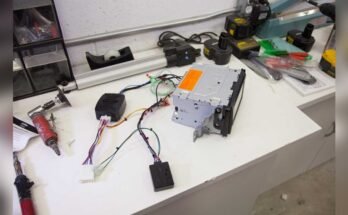
Are you tired of struggling with annoying static or unwanted noise every time you play music in your car? That distracting sound can ruin your favorite songs and make driving less enjoyable.
But the good news is, you don’t have to live with it. You’ll discover simple and effective ways to reduce noise in your car stereo. By following these easy steps, you’ll enjoy clearer, richer sound on every drive. Keep reading to find out how you can transform your car’s audio experience today!
Common Causes Of Car Stereo Noise
Noise in a car stereo can spoil your music and driving experience. Understanding common causes helps fix the problem quickly. Several issues may create unwanted noise in your car’s audio system. Identifying these can lead to clearer sound and better enjoyment.
Electrical Interference
Electrical interference is a frequent cause of car stereo noise. This happens when other electronics in the car send signals that mix with your stereo. Devices like alternators, power windows, or chargers can create this interference. It often sounds like humming or buzzing. Reducing this noise may require shielding wires or moving devices away from the stereo.
Poor Wiring Connections
Loose or bad wiring can cause static or crackling noises in your car stereo. Wires that are old, damaged, or not connected tightly often create sound problems. Corroded connectors also affect the audio signal. Checking and fixing all wiring connections can improve sound quality. Secure and clean connections help the stereo work properly.
Speaker Issues
Speakers with damage or poor installation cause noise too. Torn speaker cones or loose mounts lead to rattling sounds. Incorrect speaker wiring can create distortion or buzzing. Using the right size speakers and mounting them tightly reduces noise. Replacing damaged speakers will give clearer and louder sound.

Choosing Quality Components
Choosing quality components plays a big role in reducing noise in your car stereo. Low-quality parts often cause static, hiss, or unwanted sounds. Good components help deliver clear and crisp audio. They also last longer and work more efficiently. Focus on upgrading speakers, selecting better cables, and using high-quality amplifiers for a cleaner sound.
Upgrading Speakers
Old or cheap speakers create distortion and noise. Upgrading to better speakers improves sound clarity. Look for speakers with good materials and solid construction. Better speakers handle power well and reduce unwanted noise. They make music sound richer and clearer in your car.
Selecting Better Cables
Cheap cables can cause static and electrical interference. Using high-quality cables blocks noise from other devices. Choose shielded cables with good connectors for a stable signal. Proper cables help maintain sound quality from the source to the speakers. This small change can reduce background noise significantly.
Using High-quality Amplifiers
Amplifiers boost audio signals but can add noise if they are poor quality. High-quality amplifiers provide clean power to your speakers. They reduce distortion and unwanted sounds during playback. Investing in a good amplifier improves overall sound and lowers noise levels.
Improving Wiring And Grounding
Improving wiring and grounding plays a big role in reducing noise in car stereo systems. Bad wiring or poor grounding causes unwanted sounds. Fixing these issues can give clear, crisp audio. Simple steps in wiring and grounding can stop most noise problems.
Proper Grounding Techniques
Grounding connects your stereo to the car’s metal frame. A solid ground stops electrical noise. Find a clean, paint-free metal spot. Use a short, thick wire for grounding. Tighten the connection well to avoid loose contacts. Avoid grounding near parts with moving metal.
Reducing Wire Lengths
Long wires pick up more noise. Keep speaker and power wires short. Short wires carry less interference. Plan the wiring layout before installation. Use the shortest path between components. This reduces the chance of noise entering the system.
Avoiding Power Line Interference
Power lines carry strong electrical currents. Keep audio wires away from power cables. Cross power and audio wires at right angles if needed. Use shielded cables for sensitive audio connections. Good separation lowers the risk of interference and humming sounds.
Adding Noise Filters And Isolators
Adding noise filters and isolators is a simple way to cut down unwanted sounds in your car stereo. These tools help stop electrical noise from reaching your speakers. They make your music clearer and your drives more enjoyable.
Installing Ground Loop Isolators
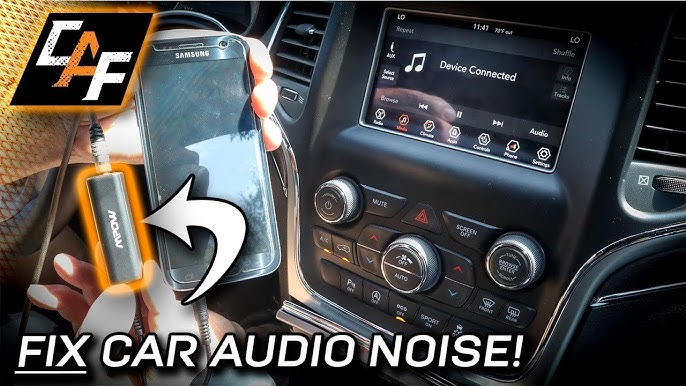
Ground loop isolators stop hum caused by electrical loops in your car’s system. They are small devices placed between your stereo and power source. Installation is quick and requires no special skills. Plug the isolator into the audio cable and the hum should fade away. This fix works well for older cars with noisy audio systems.
Using Noise Filters
Noise filters block unwanted electrical signals from entering your stereo. These filters connect to the power wires or audio cables. They clean up the signal before it reaches your speakers. Noise filters come in many sizes and types. Choose one that fits your car’s stereo system for best results.
Benefits Of Ferrite Beads
Ferrite beads are small, simple parts that reduce high-frequency noise. They wrap around wires to stop interference from nearby electronics. These beads are cheap and easy to add. They help keep your music free from static and buzzing sounds. Use ferrite beads on power and audio cables to improve sound quality.
Optimizing Stereo Settings
Optimizing your car stereo settings helps reduce unwanted noise. It improves sound clarity and listening comfort. Simple adjustments can make a big difference. Focus on equalizer settings, volume balance, and gain control.
Adjusting Equalizer Settings
Equalizer settings control different sound frequencies. Lower the bass if you hear rattling noises. Raise midrange frequencies for clear vocals. Avoid boosting any frequency too much. This prevents distortion and background noise.
Balancing Volume Levels
Keep the volume at a moderate level. High volume can cause static and noise. Adjust each speaker’s volume to match the others. Balanced sound reduces harshness and improves overall quality.
Reducing Gain Distortion
Gain controls signal strength before amplification. Too much gain causes distortion and noise. Lower the gain to a clean, clear level. Check for noise at different gain settings. Find the point where sound is clear without noise.

Maintaining Your Car Stereo System
Maintaining your car stereo system is key to reducing noise and enjoying clear sound. Dirt, loose parts, and moisture can cause static and hiss. Simple care steps keep your audio crisp and your system lasting longer.
Regular Inspection And Cleaning
Check your stereo system often for dust and dirt buildup. Use a soft cloth to clean the screen and buttons gently. Avoid harsh chemicals that can damage surfaces. Clean speakers carefully to prevent dirt blocking sound holes.
Checking For Loose Connections
Loose wires can cause crackling or buzzing sounds. Inspect cables behind the stereo and speakers regularly. Tighten any loose plugs or connectors you find. Secure connections help maintain clear audio signals and reduce noise.
Protecting Components From Moisture
Moisture damages electronic parts and causes noise interference. Keep your car interior dry and avoid spilling liquids near the stereo. Use covers or cases for extra protection if needed. Dry environments help your stereo work smoothly without noise problems.
Frequently Asked Questions
How Can I Eliminate Static Noise In Car Stereo?
Static noise often comes from poor grounding or loose connections. Check and secure all wiring. Use quality cables and ensure the stereo and amplifier are properly grounded to reduce interference.
What Causes Humming Sound In Car Audio Systems?
Humming usually results from ground loops or electrical interference. Inspect grounding points and avoid running audio cables parallel to power cables to minimize hum in your car stereo.
How To Improve Sound Clarity In A Noisy Car Stereo?
Reduce noise by upgrading speakers and using noise filters. Properly shield cables and adjust equalizer settings to enhance clarity and minimize background noise during playback.
Can External Devices Cause Noise In Car Stereo?
Yes, devices like phones or chargers can introduce interference. Keep such devices away from audio cables and use ferrite beads or noise filters to block unwanted noise effectively.
Conclusion
Reducing noise in your car stereo improves sound quality a lot. Simple steps like checking connections and using quality cables help. Keeping your equipment clean and well-maintained also reduces interference. Small changes make a big difference in your listening experience.
Enjoy clearer, better sound every time you drive. Noise-free music makes your car rides more relaxing and fun. Try these tips today and hear the difference yourself.